
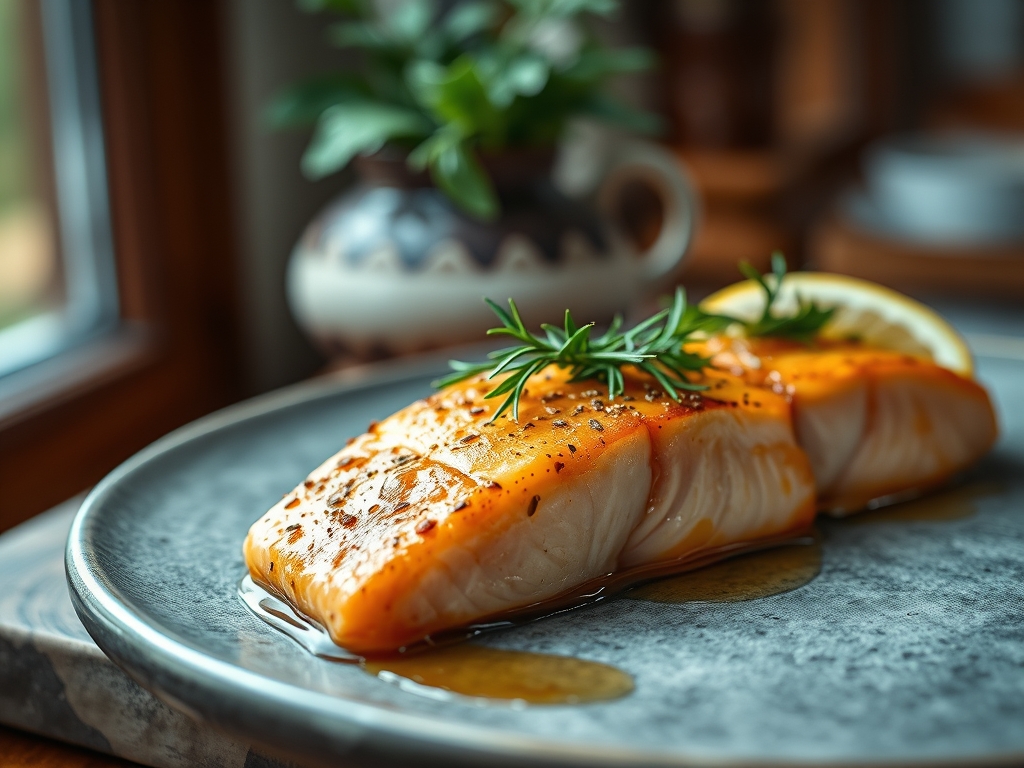
Picture this: a heavy-bottomed skillet sizzling on the stove, the aroma of caramelizing sugars wafting through your kitchen, and a fillet so tender it practically melts at the touch of a fork. When we talk about salmon recipes with honey and lemon, we are not just discussing a meal; we are mastering the delicate chemistry of balance. It is the ultimate culinary trifecta.
The brilliance of this combination lies in the interplay between the viscous, floral notes of honey and the piquant acidity of fresh citrus. Honey acts as a natural humectant, locking moisture into the protein fibers while facilitating the Maillard reaction. This chemical process transforms amino acids and reducing sugars into that coveted, golden-brown crust. Meanwhile, the lemon juice works to denature the surface proteins just enough to provide a clean, bright finish that cuts through the rich, omega-3 fatty acids of the fish. Whether you are searing, roasting, or poaching, these eight variations will elevate your weeknight rotation into a high-end bistro experience. Let us dive into the science of the sear.
The Gathers:
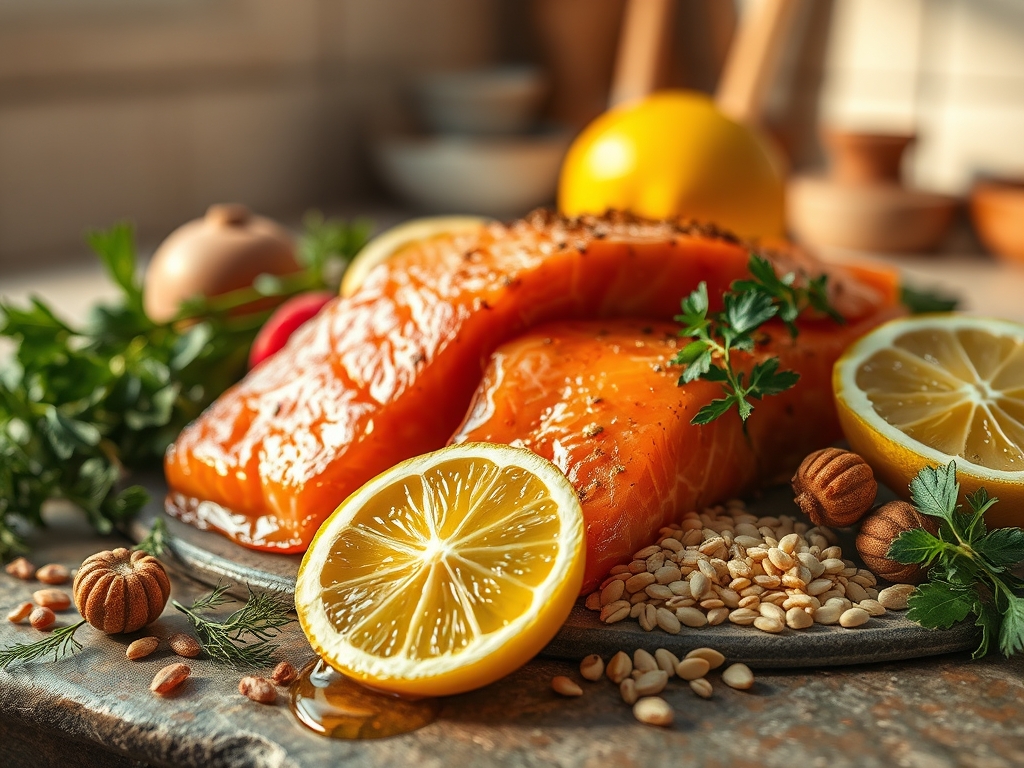
To achieve professional results, your mise-en-place must be precise. Start with center-cut Atlantic or King salmon fillets, ideally between six and eight ounces each. You will need high-quality wildflower honey for its complex flavor profile and fresh, heavy lemons that feel dense for their size, indicating a high juice yield. Grab your microplane to harvest the zest; this is where the essential oils live, providing an aromatic punch that juice alone cannot replicate.
For the fat component, use unsalted European-style butter or a high-smoke-point oil like avocado oil to avoid acrid flavors during the searing phase. You will also need kosher salt for its jagged crystal structure that adheres better to the flesh, and freshly cracked black pepper. Smart Substitutions: if you are watching your glycemic index, swap the honey for agave nectar or a monk-fruit-based liquid sweetener. If lemons are too sharp, Meyer lemons offer a sweeter, more floral alternative that bridges the gap between the acid and the sugar beautifully.
The Clock: Efficient Chef's Flow
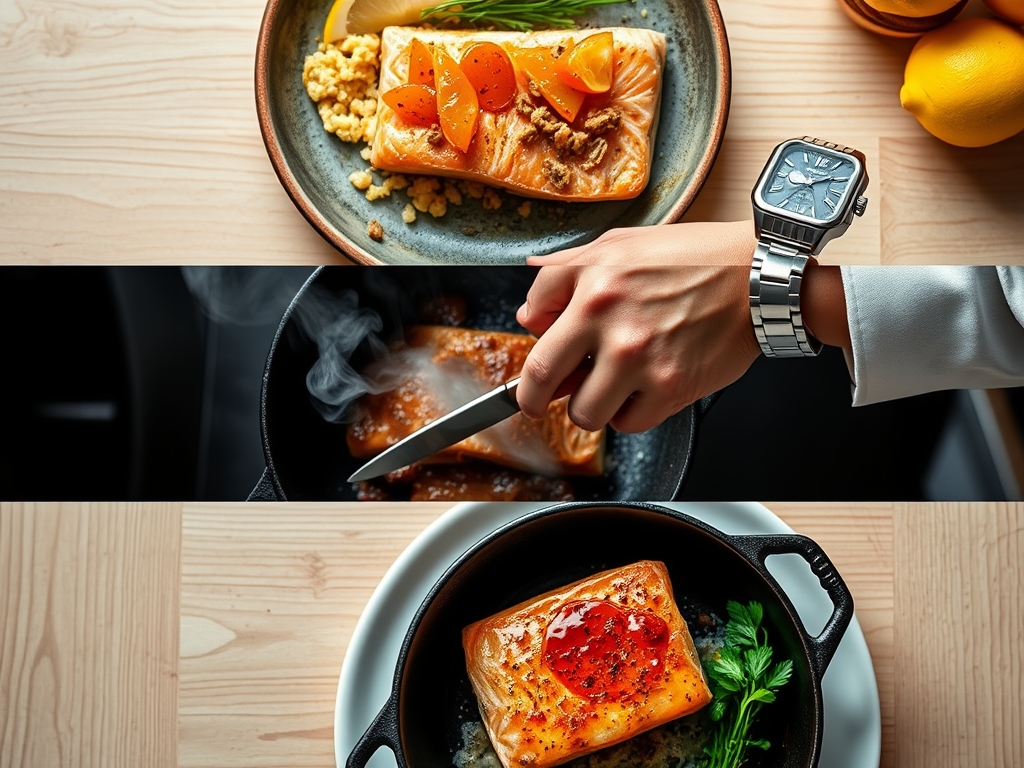
Efficiency in the kitchen is about managing thermal energy and timing. This master recipe requires a total of 25 minutes. You will spend 10 minutes on prep, which includes patting the fish bone-dry and emulsifying your glaze in a small saucier. The actual cook time is a swift 12 to 15 minutes depending on the thickness of your fillets.
The "Chef's Flow" dictates that you should prepare your side dishes first. Since salmon is best served immediately to avoid the tightening of protein fibers, ensure your grains or greens are resting while the fish is in the pan. Use those final three minutes of "carryover time" to whisk your pan sauce into a glossy, emulsified dream.
The Masterclass:
1. Moisture Extraction and Seasoning
Use a lint-free paper towel to blot every bit of surface moisture from the salmon. Season liberally with kosher salt from a height of six inches to ensure even distribution.
Pro Tip: Removing surface water is vital for the Maillard reaction. Water absorbs thermal energy to evaporate, which prevents the surface temperature from rising high enough to brown the proteins effectively.
2. The Cold-Pan Start or High-Heat Sear
For crispy skin, place the salmon skin-side down in a cold, heavy-bottomed skillet and then turn the heat to medium-high. This allows the subcutaneous fat to render out slowly without burning the skin.
Pro Tip: Slow rendering prevents the skin from curling. As the fat liquefies, it fries the skin in its own oil, creating a shatteringly crisp texture through lipid-based heat transfer.
3. Emulsifying the Honey-Lemon Glaze
While the fish sears, use a small whisk to combine your honey, lemon juice, and a touch of Dijon mustard in a saucier. Heat it gently until the mixture is cohesive and slightly reduced.
Pro Tip: Mustard acts as a natural emulsifier. It contains lecithin, which stabilizes the bond between the aqueous lemon juice and the viscous honey, preventing the glaze from breaking in the pan.
4. The Flip and Deglaze
Once the salmon is opaque halfway up the side, use fish spatula or tongs to flip it gently. Pour the glaze into the pan, allowing it to deglaze the browned bits (fond) from the bottom of the skillet.
Pro Tip: Deglazing incorporates the caramelized proteins back into your sauce. This adds "umami" depth that balances the high sugar content of the honey.
5. Basting for Infusion
Use a large spoon to continuously pour the bubbling glaze over the top of the fillets for the final two minutes of cooking. This technique, known as "arrosé," ensures the top remains moist.
Pro Tip: Basting creates a localized convection current of hot fat and sugar. This gently cooks the top of the fish without the need for high direct heat, preserving the delicate flake.
The Deep Dive:
From a nutritional standpoint, this dish is a powerhouse. A standard six-ounce serving provides roughly 34 grams of high-quality protein and is rich in Vitamin B12 and Selenium. The honey adds about 15 grams of carbohydrates, making it a balanced fuel source for post-workout recovery.
Dietary Swaps:
For a Keto-friendly version, replace the honey with an allulose-based syrup; it browns similarly without the insulin spike. For a Vegan "salmon" alternative, use firm tofu or "banana blossom" marinated in beet juice and seaweed to mimic the color and brine of the sea.
The Fix-It:
- The Glaze is Burning: If the honey darkens too quickly, immediately add a tablespoon of water or vegetable stock to drop the pan temperature and thin the sugars.
- The Skin is Sticking: You likely tried to flip too early. Protein bonds "release" from the metal once they are sufficiently carbonized. Be patient.
- White Gunk (Albumin) Appearing: This is a sign of overcooking. Albumin is a protein that gets pushed out when muscle fibers contract too tightly. Pull the fish off the heat immediately.
Meal Prep Science:
To reheat without turning your salmon into rubber, avoid the microwave. Instead, use a "low and slow" oven method at 275 degrees Fahrenheit with a splash of water covered in foil. This creates a steam-chamber effect that rehydrates the protein.
The Wrap-Up:
Mastering salmon recipes with honey and lemon is your gateway to becoming a more intuitive cook. By understanding how sugar, acid, and heat interact, you are no longer just following a script; you are conducting a symphony of flavors. This dish is vibrant, sophisticated, and incredibly forgiving once you respect the science behind the sear. Now, grab your skillet and let the kitchen magic begin!
The Kitchen Table:
How do I keep the honey from burning in the pan?
Add the honey glaze during the final two minutes of cooking. The high sugar content in honey undergoes rapid pyrolysis; by adding it late, you achieve a perfect glaze without carbonizing the sugars into a bitter mess.
Can I use frozen salmon for these recipes?
Yes, but thaw it completely in the refrigerator first. Pat it exceptionally dry with paper towels. Frozen fish often releases more moisture, which can interfere with the searing process and prevent that beautiful golden crust from forming.
What is the best way to zest a lemon?
Use a microplane and only grate the yellow "flavedo" layer. Avoid the white pith underneath, as it contains bitter alkaloids that will ruin the balance of your honey-lemon sauce. Rotate the lemon frequently for the best results.
How do I know when the salmon is perfectly cooked?
Use a digital thermometer to check for an internal temperature of 125 to 130 degrees Fahrenheit for medium-rare. The fish should flake easily with a fork but remain translucent in the very center to ensure maximum juiciness.