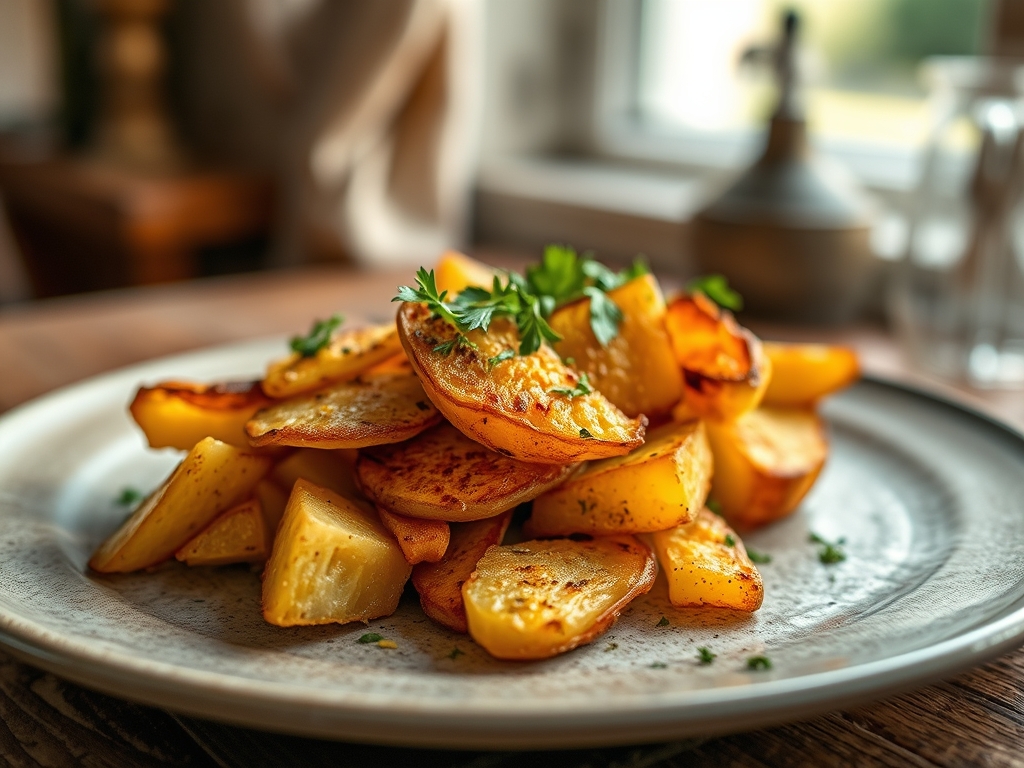
Close your eyes and listen for that distinct, rhythmic sizzle. It is the sound of starch meeting shimmering fat in a heavy-bottomed skillet. When you master authentic german fried potato recipes, you are not just making a side dish; you are engineering a masterpiece of textural contrast. We are talking about gold-shattered edges and interiors as soft as velvet.
The secret to Bratkartoffeln lies in the balance of smoke, salt, and the elusive Maillard reaction. Most home cooks fail because they treat the potato like a passive ingredient rather than a structural component. To get that restaurant-quality crust, we have to look at the cellular level of the spud. We are going to manipulate moisture, starch gelatinization, and thermal conductivity to create the ultimate comfort food. Grab your apron; we are going into the delicious weeds of potato science.
The Gathers:
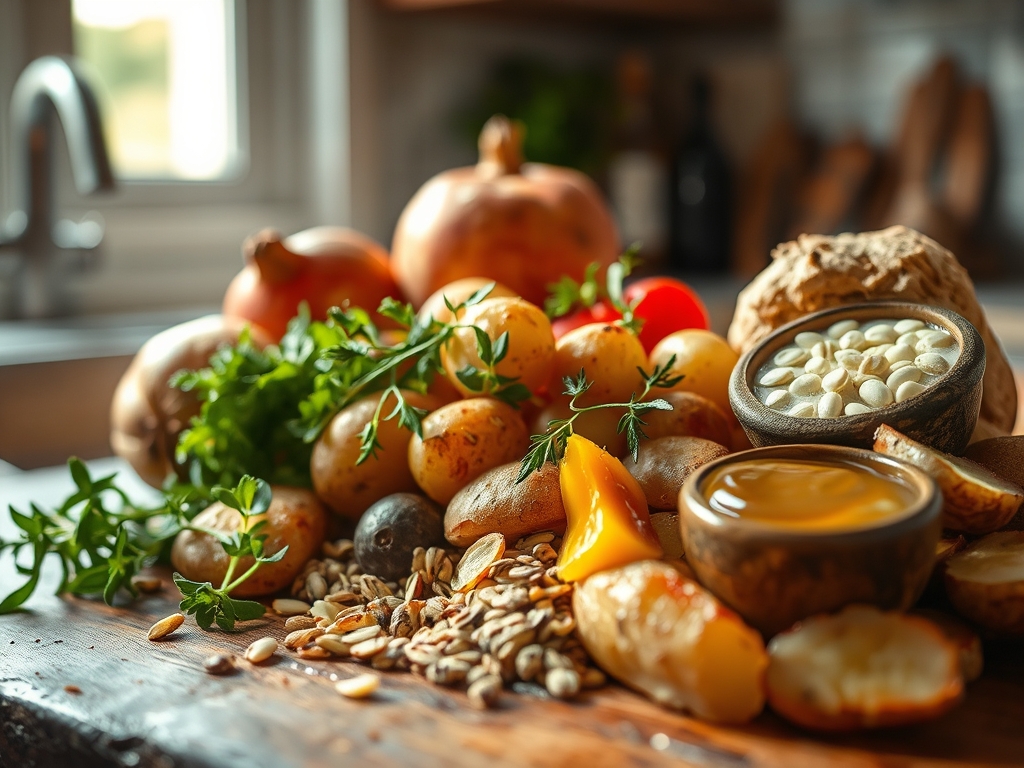
To execute this properly, your mise-en-place must be precise. Start with Waxy Potatoes like Yukon Gold or red-skinned varieties. Unlike starchy Russets, waxy potatoes have a higher moisture content and more amylopectin, which allows the slices to maintain their structural integrity during high-heat agitation. You will also need Speck or thick-cut bacon to provide the rendered lardons that infuse the dish with a piquant, smoky depth.
For the aromatics, reach for yellow onions and fresh flat-leaf parsley. The fat source is critical; while butter provides flavor, it has a low smoke point. We use a combination of clarified butter (ghee) and the rendered fat from the bacon to ensure we can hit high temperatures without scorching the milk solids. Use a digital scale to measure 800 grams of potatoes to 100 grams of bacon for the perfect ratio.
Smart Substitutions:
If you are avoiding pork, use smoked duck fat or a high-quality tallow to maintain that viscous mouthfeel. For a vegetarian profile, a neutral oil infused with smoked paprika and a touch of liquid smoke will mimic the depth of traditional bacon. Use a microplane to zest a tiny bit of lemon over the finished dish to cut through the richness.
The Clock:
Efficiency in the kitchen is all about the Chef's Flow. This recipe requires approximately 15 minutes of active prep and 25 minutes of cooking time. However, the true "secret" involves a cooling phase. If you boil your potatoes fresh, they must rest until they reach room temperature. This allows the starches to undergo retrogradation, making the slices firmer and less likely to turn into a gummy mash in the pan.
The Timeline:
- Prep (15 mins): Scrubbing, parboiling, and slicing.
- The Chill (30 mins to Overnight): Essential for starch stability.
- The Render (5 mins): Crisping the bacon and onions.
- The Sear (15 mins): Achieving the golden crust.
- The Finish (2 mins): Deglazing and garnishing.
The Masterclass:
1. The Parboil Protocol
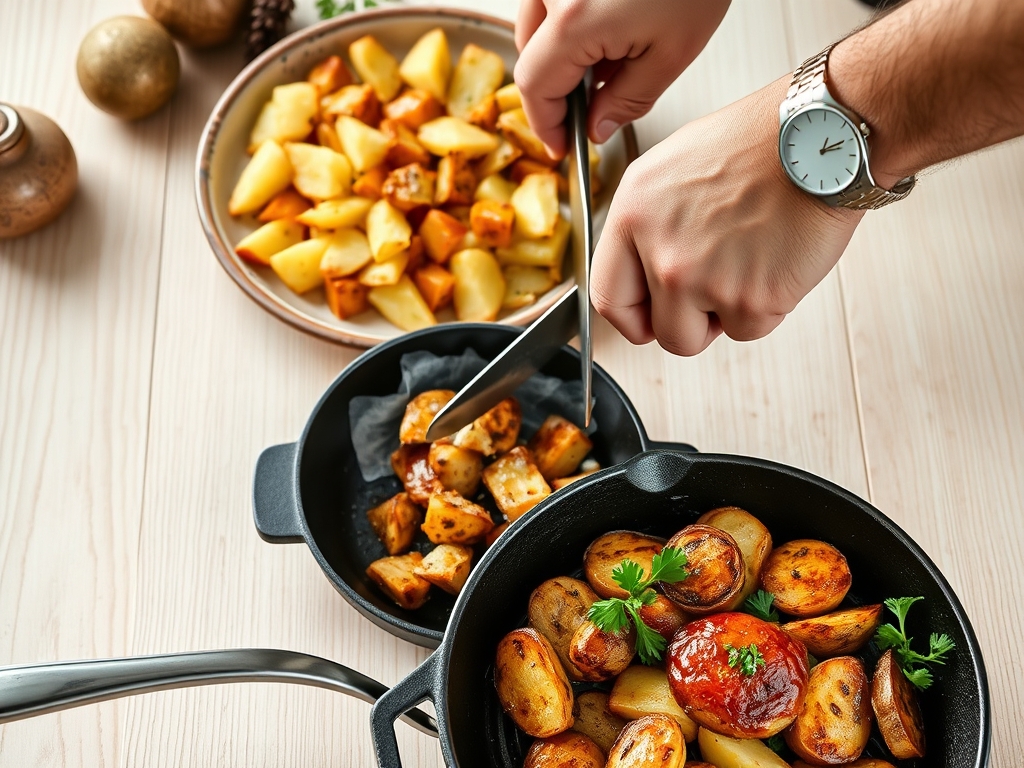
Place whole, unpeeled potatoes in a pot of cold, heavily salted water. Bring to a boil and simmer until just tender when pierced with a knife. Do not overcook.
Pro Tip: Starting in cold water ensures even heat distribution. If you drop potatoes into boiling water, the exterior overcooks and sloughs off before the core reaches the proper temperature, a phenomenon known as thermal gradient disparity.
2. The Precision Slice
Once cooled, peel the potatoes and use a sharp chef's knife or a mandoline to create uniform 1/4-inch rounds. Uniformity is not just for aesthetics; it ensures every piece has the same surface-area-to-volume ratio for even browning.
Pro Tip: Cooling the potato allows the pectin chains to re-solidify. This structural reinforcement prevents the slices from shattering when they hit the hot fat.
3. Rendering the Fat
Place your bacon in a cold carbon steel pan or cast iron skillet. Turn the heat to medium. As the fat renders, the bacon will crisp. Remove the solids with tongs and set aside, leaving the liquid gold in the pan.
Pro Tip: Starting with a cold pan allows the fat to render out slowly before the proteins sear. This provides a more viscous cooking medium for the potatoes.
4. The First Sear
Increase the heat to medium-high. Add the potato slices in a single layer. Do not crowd the pan; work in batches if necessary. Let them sit undisturbed for 4 to 5 minutes.
Pro Tip: This stage relies on the Maillard reaction, a chemical reaction between amino acids and reducing sugars. Moving the potatoes too early disrupts the formation of the crust and causes sticking.
5. The Onion Infusion
Once the potatoes are flipped and golden, add your diced onions. By adding them later, you prevent them from carbonizing and becoming bitter while the potatoes finish.
Pro Tip: Onions contain high levels of fructose. Adding them too early leads to enzymatic browning that happens faster than the potato starch can crisp, resulting in burnt onions and pale spuds.
6. The Final Deglaze
Toss the bacon back into the pan. Season with sea salt, cracked black pepper, and a pinch of caraway seeds. Finish with a splash of apple cider vinegar or white wine to deglaze the brown bits (fond) from the bottom of the pan.
Pro Tip: The acidity in the vinegar acts as a flavor brightener. It breaks the surface tension of the fat on your palate, making the dish taste lighter and more vibrant.
The Deep Dive:
Macro Nutrition:
A standard serving of these potatoes provides roughly 320 calories, 18g of fat, 35g of carbohydrates, and 6g of protein. While calorie-dense, potatoes are high in potassium and Vitamin C.
Dietary Swaps:
- Vegan: Swap bacon for smoked tempeh crumbles and use avocado oil for its high smoke point.
- Keto: Replace potatoes with daikon radish or cauliflower florets. Note that the cook time will decrease significantly.
- GF: This dish is naturally gluten-free, but ensure your bacon is not processed with grain-based thickeners.
The Fix-It:
- Soggy Potatoes: Usually caused by overcrowding. Use a larger pan or cook in batches to allow steam to escape.
- Sticking to Pan: Your pan wasn't hot enough or lacked sufficient fat. Ensure the oil is shimmering before adding the spuds.
- Burnt Aromatics: If onions turn black, you added them too early. Use a bench scraper to clear the pan and start the onion phase again.
Meal Prep & Reheating:
To maintain "day-one" quality, avoid the microwave. Reheat in a dry skillet over medium heat. The residual fat will re-liquefy and crisp the edges again. This is due to starch retrogradation being reversed by dry heat, restoring the interior softness.
The Wrap-Up:
Mastering german fried potato recipes is a rite of passage for any serious home cook. It requires patience, a respect for thermodynamics, and a very sturdy skillet. By controlling the moisture and heat, you transform a humble tuber into a golden, salty, smoky delight that commands the center of the table. Whether you serve these with a schnitzel or a simple fried egg, you are now armed with the molecular secrets to potato perfection. Go forth and sear with confidence!
The Kitchen Table:
What is the best potato for German frying?
Waxy varieties like Yukon Gold or Red Bliss are superior. Their high moisture and low starch content allow them to hold their shape during frying, preventing the dish from turning into a pile of mashed crumbs.
Can I fry raw potatoes instead of boiling them?
You can, but the texture will differ. Raw-fried potatoes often brown on the outside before the inside is fully creamy. Parboiling ensures a uniform, velvety interior and a more durable exterior crust.
Why do my potatoes always stick to the pan?
Sticking usually occurs if the pan is not properly seasoned or if the fat isn't hot enough. Wait for the oil to shimmer, and never crowd the pan, which lowers the surface temperature too quickly.
How do I get the onions perfectly browned?
Add the onions only after the potatoes have developed their first golden crust. Onions cook much faster; adding them mid-way prevents them from burning while the potatoes reach their final, crispy state.