
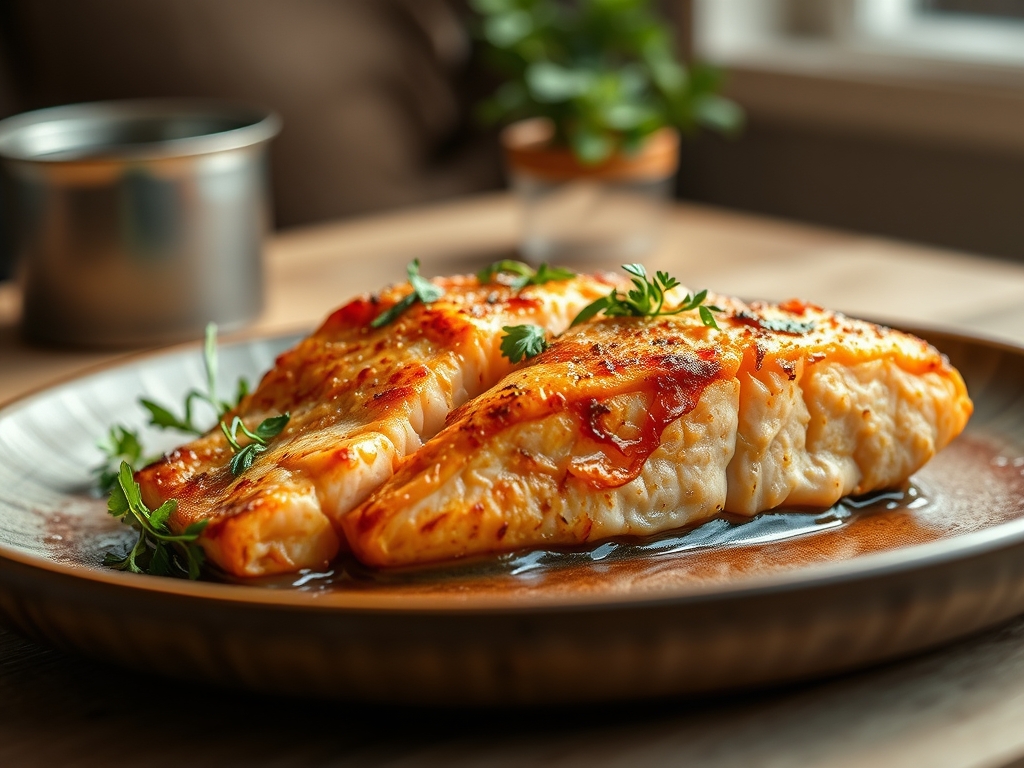
Imagine the sound of a heavy-bottomed sheet pan sliding onto a cooling rack; the skin is crackling while the fat renders into a translucent, golden pool. There is a specific kind of magic in the way high-quality baked salmon recipes for dinner can transform a chaotic Tuesday into a curated culinary experience. The aroma of citrus oils aerosolizing in the heat and the piquant scent of fresh dill filling the kitchen provides an immediate sensory reset. We are not just making food; we are mastering the art of the Maillard reaction and thermal precision to ensure every flake is buttery rather than chalky. Salmon is the ultimate canvas for a stress-free evening because it is forgiving, fast, and packed with the kind of healthy fats that make your brain feel as good as your palate.
The Gathers:
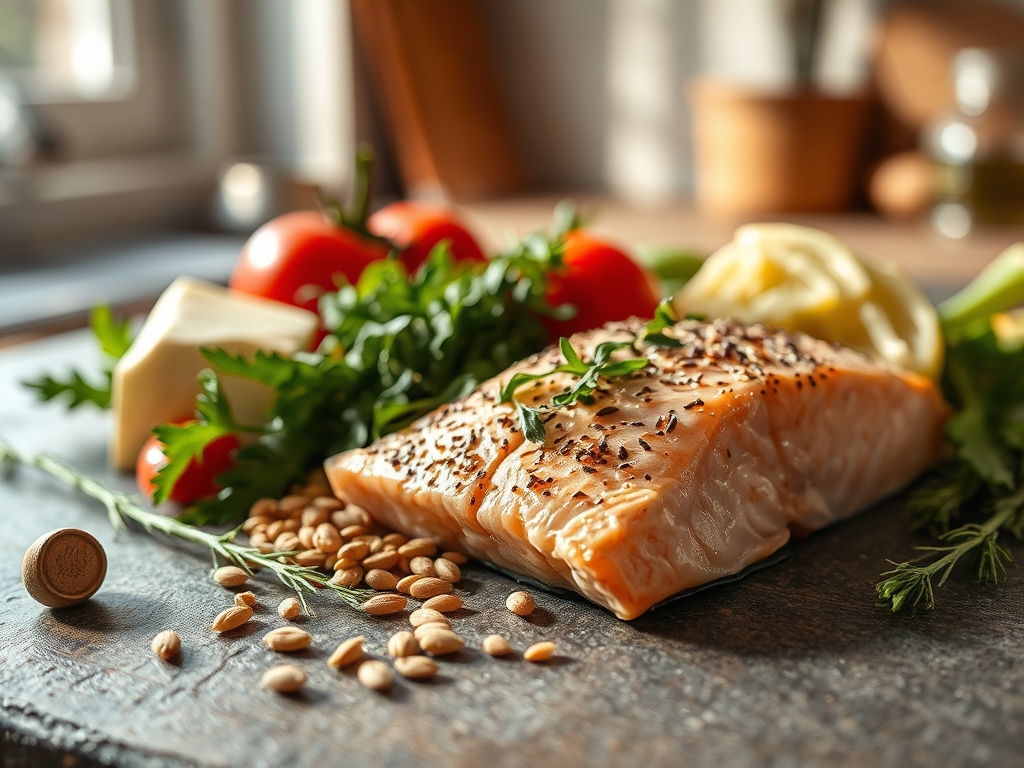
Before we touch the oven, we must respect the mise-en-place. To achieve professional results, your station should look like a laboratory of flavor. You will need a microplane for zest that is light and fluffy, a digital scale to ensure your portions are uniform for even cooking, and a saucier if you plan on whisking together a viscous glaze.
Start with a side of Atlantic or Sockeye salmon. Look for flesh that is firm to the touch with no "gapping," which indicates the connective tissue is still intact. You will also need high-smoke-point fats like avocado oil or clarified butter; extra virgin olive oil is lovely for finishing, but it can smoke and become bitter at high roasting temperatures. Gather your aromatics: garlic cloves for crushing, fresh thyme for infusing, and coarse kosher salt. The large grains of kosher salt allow for better tactile control when seasoning, preventing the "salt bomb" effect common with fine table salt.
Smart Substitutions: If you are out of fresh lemons, a splash of white wine vinegar provides the necessary acidity to cut through the fatty acids of the fish. No honey for your glaze? Maple syrup offers a deeper, more complex sugar profile that caramelizes beautifully. If you want a crunch without the gluten, crushed macadamia nuts create a spectacular crust that mimics the texture of panko.
The Clock:
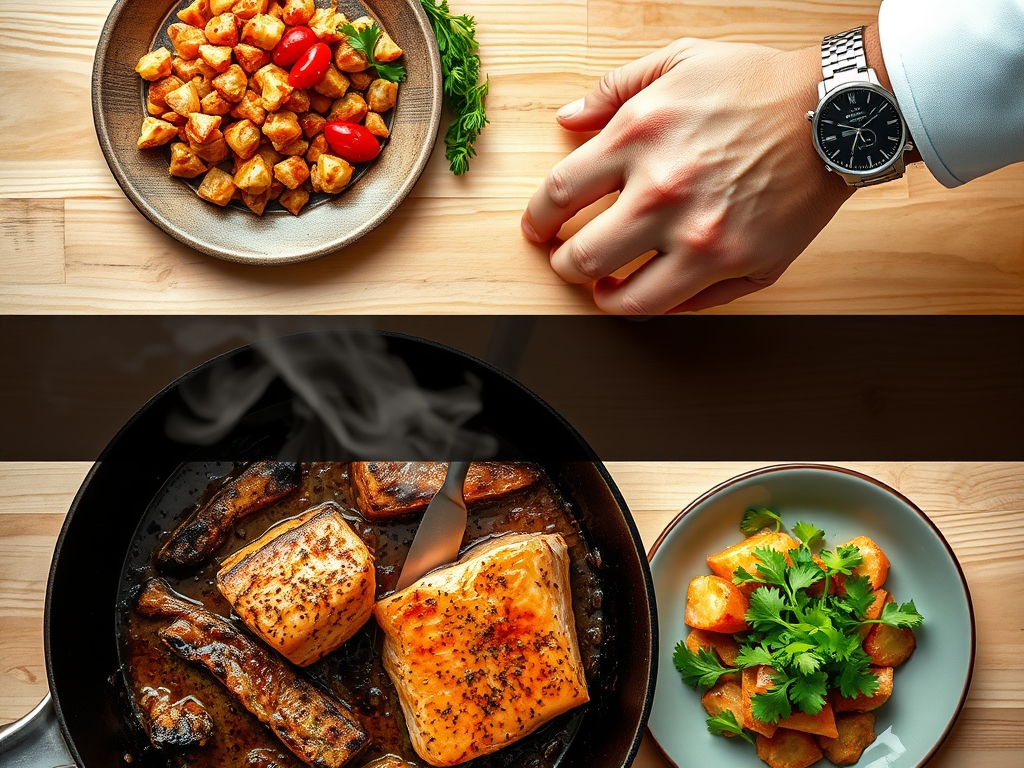
Efficiency is the soul of a stress-free kitchen. This is what I call the "Chef's Flow." You should spend exactly 10 minutes on prep and 12 to 15 minutes on active cooking. While the oven preheats to a steady 400 degrees Fahrenheit, you are drying the skin of the fish. Moisture is the enemy of texture; if the surface is damp, the fish will steam rather than roast.
By the time the oven chime rings, your salmon should be seasoned and resting on a parchment-lined tray. While the fish is in the heat, you have a 12-minute window to toss a salad or deglaze a pan for a quick side. This synchronized timing ensures that everything hits the table at the exact moment the salmon reaches its peak internal temperature.
The Masterclass:
1. The Desiccation Ritual
Use a clean paper towel to pat the salmon completely dry. This is non-negotiable. If you have time, let it sit uncovered in the fridge for 20 minutes to further aerate the surface.
Pro Tip: This process removes surface moisture, allowing the heat to immediately begin the Maillard reaction (browning) rather than wasting energy evaporating water.
2. The Emulsion Application
Whisk your oil, citrus juice, and aromatics in a small bowl until the mixture is viscous and slightly opaque. Brush this over the fillets using a silicone pastry brush to ensure every millimeter is coated.
Pro Tip: Fat acts as a thermal conductor, helping the heat penetrate the dense muscle fibers of the fish more evenly.
3. The Precision Roast
Place the tray on the center rack. Avoid the top rack, which can scorch the delicate proteins before the center is cooked. Use a digital thermometer to monitor the progress.
Pro Tip: Aim for an internal temperature of 125 degrees Fahrenheit for medium-rare. The temperature will continue to rise during the resting phase.
4. The Thermal Rest
Remove the salmon from the oven and let it sit on the counter for at least five minutes before serving. Use tongs to gently check the flake.
Pro Tip: This allows for thermal carryover. The residual heat redistributes the juices, ensuring the center is succulent rather than dry.
The Deep Dive:
From a macro perspective, salmon is a powerhouse. A standard 6-ounce fillet provides roughly 34 grams of protein and is rich in Omega-3 fatty acids, which are essential for cardiovascular health. For those following a Keto lifestyle, this is a "holy grail" meal because of the high fat-to-carb ratio. For a Vegan alternative, this same roasting technique works beautifully with thick-cut cauliflower steaks or firm tofu, though you will need to increase the roasting time to achieve the same level of caramelization.
The Fix-It: Common Pitfalls
- The White Gunk (Albumin): If you see white streaks on your salmon, the heat was too high. This is albumin, a protein that gets pushed out when the muscle fibers contract too quickly. The Fix: Lower your oven temp by 25 degrees next time.
- Soggy Skin: This happens when the fish sits in its own juices. The Fix: Roast the fish on a wire rack set inside your baking sheet to allow hot air to circulate underneath.
- Sticking to the Pan: You likely didn't use enough fat or the pan wasn't hot enough. The Fix: Use a bench scraper to gently lift the fish without breaking the delicate flesh.
Meal Prep Science: To reheat salmon without it smelling "fishy" or turning into rubber, use the "low and slow" method. Place it in a 275-degree oven with a teaspoon of water and cover it tightly with foil. This creates a miniature steam chamber that rehydrates the proteins without overcooking them.
The Wrap-Up:
You now have the technical blueprint to execute 9 Simple Baked Salmon recipes with the confidence of a professional chef. By focusing on moisture control, thermal precision, and high-quality aromatics, you turn a basic dinner into a restorative ritual. Remember, the best recipes are the ones that work for you, not against you. Now, grab your microplane, find your favorite seasoning, and let the oven do the heavy lifting. You've got this!
The Kitchen Table:
How do I know when the salmon is perfectly done?
The most reliable method is using a digital thermometer to hit 125-130 degrees Fahrenheit. Visually, the flesh should change from translucent to opaque and flake easily when pressed gently with a fork or your finger.
Why is my baked salmon dry even if I followed the time?
Oven calibrations vary wildly. You likely experienced too much thermal carryover or your fillets were thinner than the recipe intended. Always start checking the internal temperature three minutes before the timer suggests to ensure a moist result.
Can I bake salmon straight from the freezer?
You can, but the texture will suffer. For the best results, thaw it in the refrigerator overnight. If you are in a rush, place the sealed fish in a bowl of cold water for thirty minutes to ensure even cooking.
What is the best way to store leftover baked salmon?
Place leftovers in an airtight glass container within two hours of cooking. It will stay fresh in the refrigerator for up to three days. For the best flavor, use leftovers cold in a salad or a grain bowl.