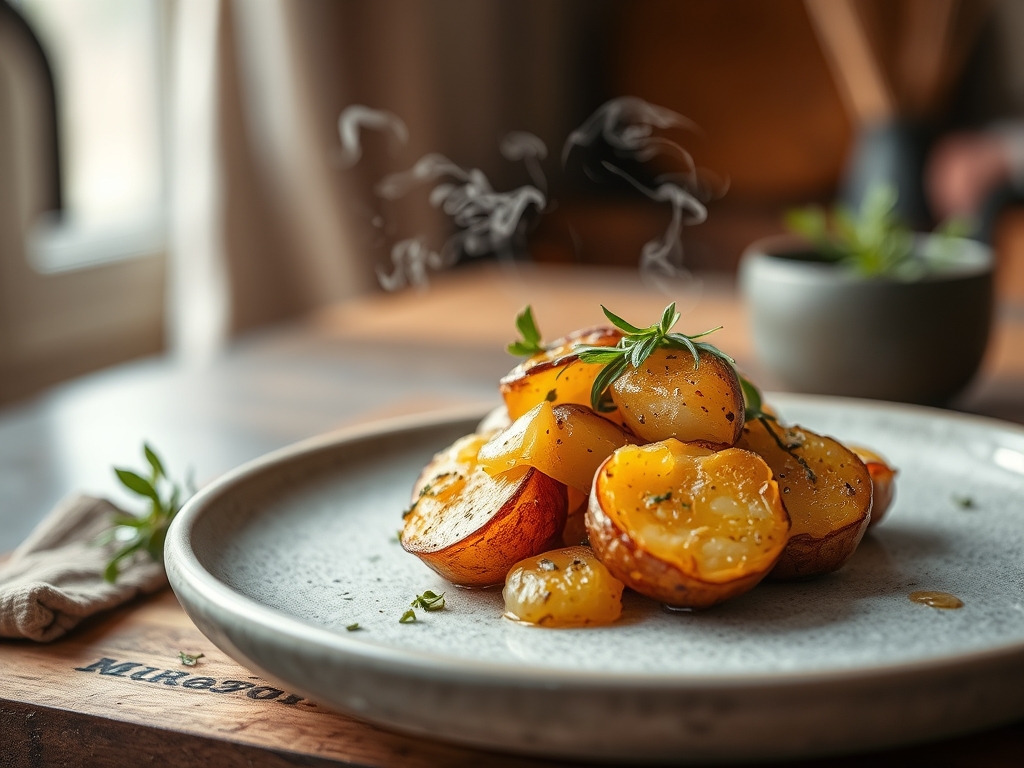
Imagine the scent of rosemary-infused steam rising from a heavy-bottomed skillet, where golden edges are currently undergoing a perfect Maillard reaction. We are moving far beyond the sad, starchy sides of the past. When you master these potato recipes vegan style, you unlock a world of creamy textures and savory depth that rivals any dairy-heavy classic.
Potatoes are the ultimate culinary chameleons. They possess a unique cellular structure that allows them to transition from a crisp, glass-like exterior to a velvet interior with just a shift in thermal application. Whether we are talking about a piquant fingerling salad or a rich, coconut-milk-based gratin, the humble tuber is your best friend for high-density nutrition. These nine variations focus on maximizing flavor while keeping your health goals front and center. We are talking about resistant starch, high potassium levels, and zero cholesterol. Grab your apron and your sharpest chef's knife; we are about to transform these earthy roots into five-star masterpieces that just happen to be plant-based.
The Gathers:
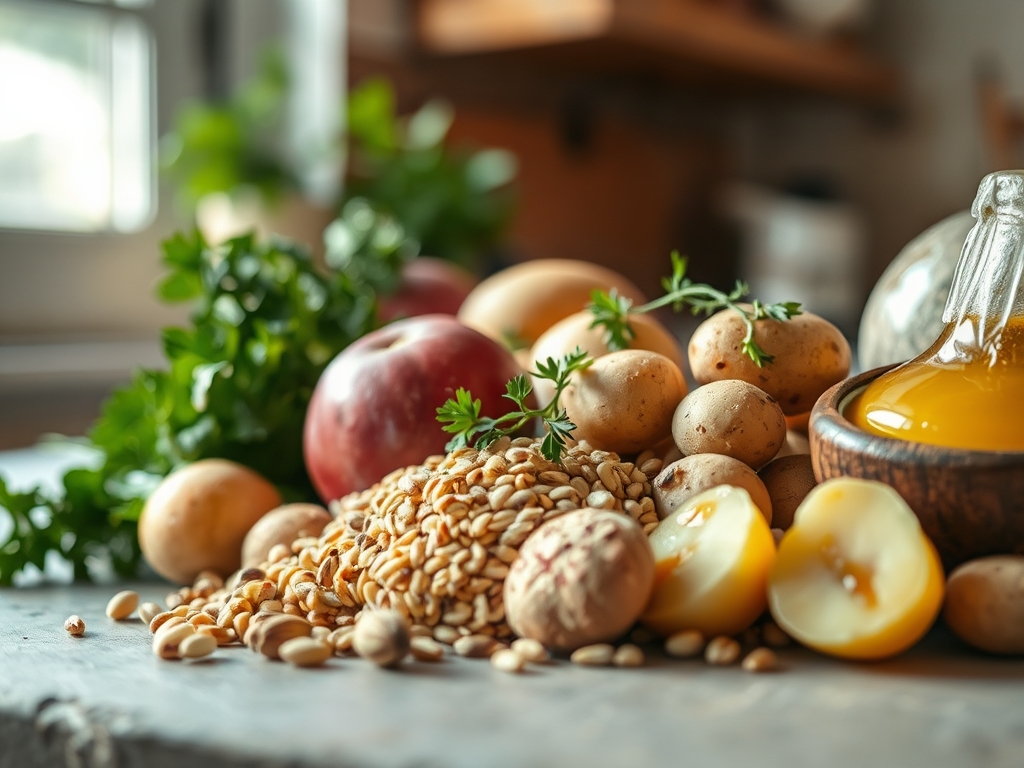
Setting up your mise-en-place is the difference between a chaotic kitchen and a professional flow. For these potato recipes vegan wonders, you need to curate your ingredients based on starch content. Use waxy Red Bliss or Yukon Gold potatoes for dishes requiring structural integrity, like salads or stews. Reach for the high-starch Russets when you want to aerate a mash or create a fluffy baked interior.
Your pantry should be stocked with high-quality fats like extra virgin olive oil or cold-pressed avocado oil to ensure a high smoke point during roasting. For that essential "umami" punch, keep nutritional yeast, white miso paste, and liquid aminos on hand. These fermented elements provide the depth usually found in aged cheeses. Smart substitutions are your secret weapon. Instead of heavy cream, use full-fat coconut milk or a homemade cashew cream (soaked cashews blended with filtered water until viscous). If a recipe calls for butter, a cultured vegan butter or a touch of tahini can provide that fatty mouthfeel without the saturated animal fats. Don't forget the aromatics: fresh thyme, garlic cloves for infusing oil, and a microplane for zesting citrus to brighten the earthy base notes.
The Clock
Efficiency in the kitchen is all about the "Chef's Flow." Most of these dishes require a total time of 45 to 60 minutes, but the active labor is usually under 15 minutes. The secret is "staggered prep." While your potatoes are undergoing their initial parboil (to soften the pectin), you should be dicing your aromatics and whisking your dressings.
A standard roasting session takes about 35 minutes at 425 degrees Fahrenheit. However, if you are making a slow-simmered curry, expect a 20-minute prep followed by a 40-minute gentle braise to allow the flavors to infuse deeply into the tuber's core. Always factor in a five-minute "rest" period for roasted dishes; this allows the internal steam to redistribute, ensuring the skins stay crisp rather than becoming soggy from trapped moisture.
The Masterclass
1. The Perfect Parboil
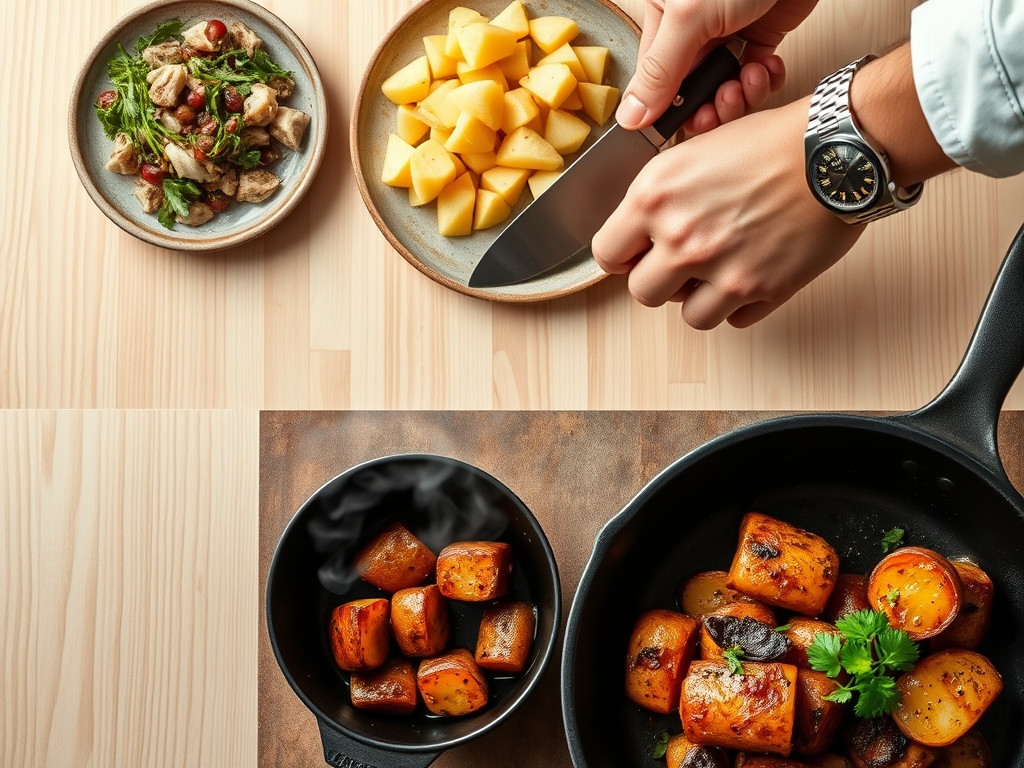
Start by placing your cubed potatoes in a pot of cold, heavily salted water. Bringing the water to a boil along with the potatoes ensures even heat distribution to the center.
Pro Tip: Adding a teaspoon of baking soda to the water breaks down the potato's surface pectin. This creates a starchy slurry on the exterior that crisps up into a shattered-glass texture once roasted, a process known as increasing the surface area for the Maillard reaction.
2. The Infusion Phase
While the potatoes drain and steam-dry, heat your oil in a saucier with smashed garlic and woody herbs. You are looking to render the essential oils from the herbs into the fat.
Pro Tip: This is called lipid-infusion. Volatile flavor compounds in herbs are fat-soluble; by flavoring the oil first, you ensure every millimeter of the potato is seasoned at a molecular level rather than just having dry herbs stuck to the outside.
3. The High-Heat Roast
Spread the potatoes on a preheated baking sheet. Use a metal bench scraper to toss them, ensuring they are coated in your infused oil. Do not crowd the pan.
Pro Tip: Crowding causes "steaming" rather than "roasting." If the moisture escaping the potatoes cannot evaporate instantly, you lose the crispness. Maintain at least a half-inch of space between each piece to allow for proper hot air convection.
4. The Emulsified Dressing
For potato salads, whisk your acid (lemon juice or vinegar) with a stabilizer like Dijon mustard before slowly drizzling in your oil.
Pro Tip: Mustard contains lecithin, a natural emulsifier. This prevents the dressing from breaking, resulting in a viscous sauce that clings to the potato rather than pooling at the bottom of the bowl.
5. The Final Seasoning
Always season with flaky sea salt and fresh herbs only after the potatoes have finished cooking.
Pro Tip: Salt is hygroscopic, meaning it draws out moisture. If you salt too early during a low-heat cook, you end up with tough, leathery skins. Adding it at the end provides a targeted "pop" of flavor and maintains the structural crunch.
The Deep Dive
From a macro perspective, potatoes are a nutritional powerhouse. One medium potato provides about 4 grams of fiber and more potassium than a banana. When you keep these potato recipes vegan, you eliminate the inflammatory markers found in dairy. For those following a Keto-adjacent lifestyle, you can swap half the potatoes for cauliflower to lower the net carb count while keeping the comfort factor.
The Fix-It: Common Pitfalls
- Gummy Mash: This happens when you overwork the starch. Never use a food processor; use a ricer or a hand masher to keep the starch granules intact.
- Soggy Bottoms: This is usually due to "thermal carryover" steam. Always use a cooling rack if you aren't serving immediately.
- Bland Centers: If you don't salt your boiling water, the center of the potato will always taste flat. The water should taste like the sea.
Meal Prep Science: To reheat and maintain "day-one" quality, avoid the microwave. The microwave agitates water molecules, making the starch retrogress and turn rubbery. Instead, use an air fryer or a hot skillet to re-crisp the exterior and gently warm the center.
The Wrap-Up
Mastering the art of the potato is a rite of passage for any plant-based cook. By understanding the science of starch and the power of lipid-infusion, you turn a budget-friendly staple into a gourmet experience. These nine dishes prove that healthy eating doesn't require sacrifice; it just requires a little bit of chemistry and a lot of passion. Now, go grab your tongs and start roasting!
The Kitchen Table
Can I make these potato recipes vegan and gluten-free?
Yes, potatoes are naturally gluten-free. Just ensure your seasonings, like miso or liquid aminos, are certified GF. Use chickpea flour or cornstarch if a recipe requires a thickening agent for sauces or gravies to maintain a safe profile.
What is the best way to prevent potatoes from browning?
This is called enzymatic browning. Once cut, submerge potatoes in cold water with a splash of lemon juice. The acid lowers the pH, inhibiting the polyphenol oxidase enzyme from reacting with oxygen and turning the flesh dark.
How do I get vegan potatoes creamy without dairy?
The secret is using the potato's own starch combined with a high-fat plant base. Use Yukon Golds for their naturally buttery texture and mix with cashew cream or starchy pasta water to create a luxurious, velvety mouthfeel.
Are potatoes actually healthy for weight loss?
Absolutely. Potatoes have a high satiety index, meaning they keep you full longer. When prepared without heavy animal fats, they provide complex carbohydrates and essential minerals that fuel your brain and muscles efficiently during a fat-loss phase.