
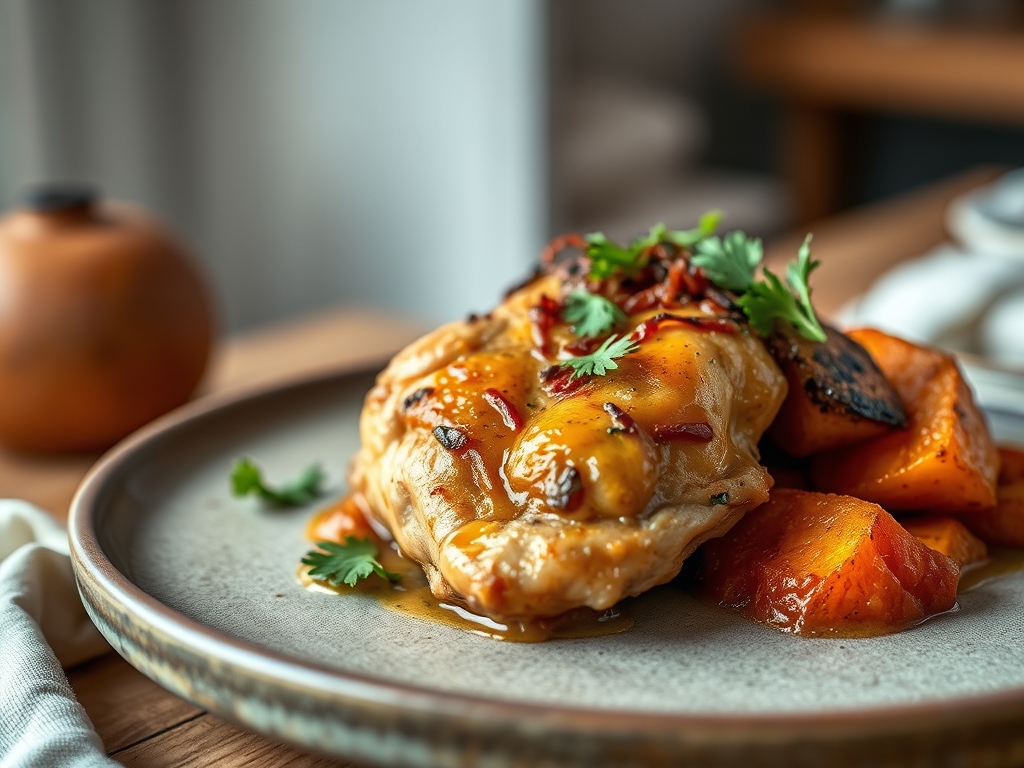
Picture the scene: a heavy-bottomed skillet rests on your stovetop, radiating a steady heat that promises the ultimate comfort. As the skin of the poultry begins to render, releasing a golden, viscous fat, the air fills with the intoxicating scent of caramelized sugars and savory proteins. This is the magic of chicken thigh and sweet potato recipes. Unlike the lean, often temperamental breast, the thigh is a powerhouse of flavor and moisture; it is the culinary workhorse that refuses to dry out under pressure. When paired with the earthy, beta-carotene-rich sweetness of a perfectly roasted yam, you create a nutritional and textural masterpiece. We are moving beyond the basic sheet pan dinner into a realm where chemistry meets the dinner plate. Whether you are craving a piquant harissa glaze or a mellow garlic-herb infusion, these recipes are designed to maximize the Maillard reaction while keeping your kitchen flow effortless. It is time to elevate your weeknight rotation with techniques that turn simple tubers and poultry into a five-star experience.
The Gathers:
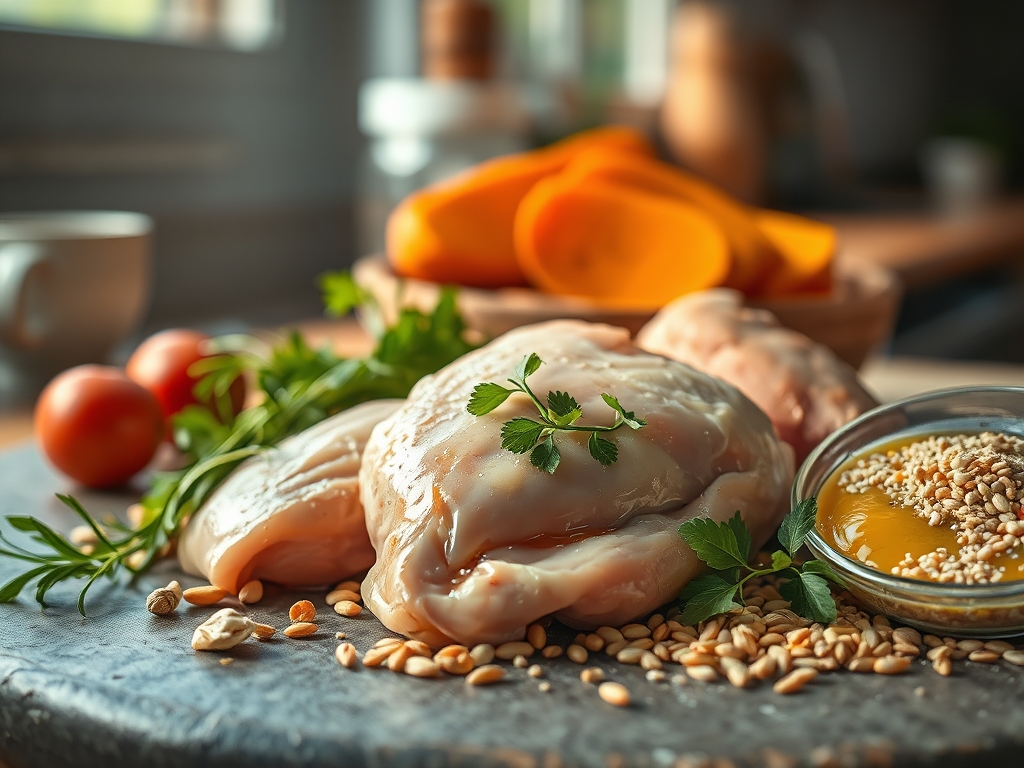
To execute these chicken thigh and sweet potato recipes with precision, your mise-en-place must be impeccable. Start with bone-in, skin-on thighs; the bone acts as a thermal conductor, ensuring the meat cooks evenly from the inside out while the skin provides the necessary lipids for crisping. For the potatoes, look for Jewel or Garnet varieties. These have a higher sugar content than starchy Russets, allowing for superior caramelization.
You will need a sharp chef knife to achieve a uniform dice; aim for one-inch cubes to ensure the vegetable starch softens at the same rate the poultry reaches its target internal temperature. Gather your aromatics: fresh rosemary, thyme, and plenty of garlic. Use a microplane to zest a lemon over the dish at the final stage to provide a bright, acidic counterpoint to the heavy fats.
Smart Substitutions: If you are avoiding nightshades, swap the sweet potatoes for butternut squash or parsnips. For a leaner profile, skinless thighs work, but you must supplement the missing lipids with a high-smoke-point oil like avocado oil to prevent sticking and facilitate heat transfer.
The Clock:
Efficiency in the kitchen is about mastering the "Chef's Flow." Total active preparation time for these recipes typically clocks in at 15 minutes, with a roasting period of 35 to 40 minutes. The secret is utilizing the "dead time" while the oven preheats to 425 degrees Fahrenheit. While the air circulates, use your bench scraper to clear your workspace and prepare a simple vinaigrette in a small saucier.
By the time the timer dings, your protein should be seasoned and your vegetables tossed. This synchronized approach ensures that you aren't scrambling while the oven is already losing heat. Remember, every time you open that oven door, the ambient temperature drops significantly; precision timing prevents the need for constant checking.
The Masterclass:
1. Tempering and Surface Prep
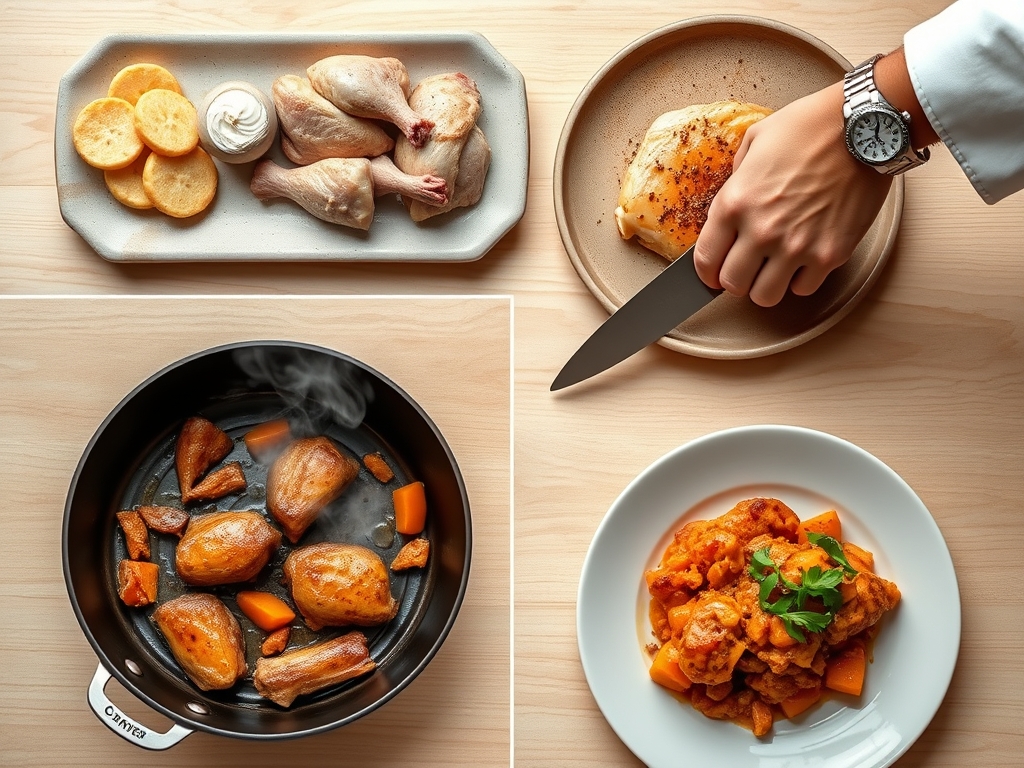
Remove your chicken from the refrigerator 20 minutes before cooking to take the chill off. Use paper towels to pat the skin bone-dry. Moisture is the enemy of the Maillard reaction; if the skin is damp, it will steam rather than sear.
Pro Tip: This process is called surface dehydration. By removing external water, the thermal energy goes directly into browning the proteins instead of evaporating moisture, resulting in a shatteringly crisp exterior.
2. The Strategic Toss
In a large mixing bowl, combine your cubed sweet potatoes with oil and salt. Ensure every surface is coated to create a barrier that prevents the interior from drying out. Use your hands or a pair of silicone tongs to ensure even distribution.
Pro Tip: Salt triggers osmotic pressure, drawing out a tiny amount of moisture from the potato. This creates a thin starch-water film on the surface that dehydrates in the oven to form a crunchy, glass-like crust.
3. Skin-Side Sealing
Place the thighs skin-side down in a cold, heavy-bottomed skillet before transferring to the oven, or place them directly on the preheated sheet pan. You want immediate contact with a hot surface to begin the rendering process of the subcutaneous fat.
Pro Tip: Slow rendering allows the fat to liquefy and baste the meat. This fat has a high heat capacity, which helps cook the sweet potatoes sitting adjacent to the chicken, infusing them with savory depth.
4. Thermal Equilibrium
Roast at a high temperature, ideally 425 degrees Fahrenheit. Arrange the sweet potatoes in a single layer around the chicken. Do not crowd the pan; airflow is essential for evaporation and browning.
Pro Tip: This temperature encourages enzymatic browning. As the internal temperature of the potato rises, amylase enzymes break down starches into simpler sugars, which then caramelize into complex flavor compounds.
5. The Rest and Carryover
Once the chicken reaches an internal temperature of 160 degrees Fahrenheit on a digital scale, remove the pan from the oven. Transfer the meat to a cutting board and let it rest for at least 8 minutes.
Pro Tip: This utilizes thermal carryover. The internal temperature will continue to rise to the safe 165-degree mark while the muscle fibers relax, allowing the juices to redistribute so they don't run out when you slice.
The Deep Dive:
From a nutritional standpoint, chicken thigh and sweet potato recipes are a powerhouse. A standard serving provides approximately 35g of protein and 25g of complex carbohydrates. The fats in the thighs assist in the absorption of Vitamin A from the potatoes, making this a bioavailable "super-meal."
Dietary Swaps: For a Keto-friendly version, replace the sweet potatoes with cauliflower florets or radishes, which lose their peppery bite when roasted. Vegan enthusiasts can swap the chicken for extra-firm tofu pressed with a heavy weight, though you will need to add a splash of soy sauce to the oil to mimic the savory depth of the poultry.
The Fix-It:
- Soggy Skin: Your oven temperature was likely too low or the pan was overcrowded. Fix: Turn on the broiler for the last 2 minutes, but watch it like a hawk.
- Hard Potatoes: The cubes were too large for the cook time. Fix: Microwave the potatoes for 2 minutes before roasting next time to jumpstart the softening of the cellulose.
- Burnt Garlic: You added the aromatics too early. Fix: Toss fresh herbs and minced garlic in during the last 10 minutes of roasting to prevent carbonization.
Meal Prep: To maintain "day-one" quality, reheat your leftovers in an air fryer or toaster oven at 350 degrees. Avoid the microwave, which vibrates water molecules and turns the crispy skin into a rubbery mess.
The Wrap-Up:
Mastering chicken thigh and sweet potato recipes is like unlocking a secret level in the game of home cooking. You are balancing lipids, starches, and sugars to create a dish that is as scientifically sound as it is delicious. There is a certain swagger that comes with knowing exactly why your chicken skin is crispy and your potatoes are velvet-soft. So, grab your tongs, preheat that oven, and get ready to impress yourself. This isn't just dinner; it is a culinary victory.
The Kitchen Table:
Why are my sweet potatoes mushy instead of crispy?
Mushiness usually results from overcrowding the pan. When potatoes are too close, they release steam that gets trapped, boiling the exterior instead of roasting it. Use a large sheet pan and ensure each cube has its own personal space for airflow.
Can I use chicken breasts instead of thighs?
You can, but breasts lack the fat content and connective tissue of thighs. They cook faster and dry out easily. If substituting, reduce the roasting time and use a digital thermometer to pull them at exactly 160 degrees Fahrenheit to prevent toughness.
Do I need to peel the sweet potatoes?
Peeling is optional. The skin contains extra fiber and becomes pleasantly chewy when roasted. If you keep the skin on, just ensure you scrub the tubers thoroughly with a vegetable brush to remove any residual grit or debris before dicing.
What is the best oil for roasting at high heat?
Use oils with a high smoke point, such as avocado, grapeseed, or refined olive oil. Avoid extra virgin olive oil or butter for the initial high-heat roast, as their solids can burn and create a bitter flavor profile at 425 degrees.