Picture the sharp hiss of a heavy-bottomed skillet meeting cold oil; the sound is a promise of the transformation to come. There is something deeply primal and satisfying about the aroma of caramelizing sugars wafting through a kitchen. When you master skillet sweet potato recipes, you are not just making a side dish; you are conducting a symphony of heat and chemistry. We are chasing that elusive, shatteringly crisp exterior that gives way to a center as soft as velvet. It is a delicate balance of moisture control and temperature management that separates a soggy mess from a culinary masterpiece.
Most people treat sweet potatoes like their starchy cousins, the Russets, but that is a rookie mistake. These vibrant tubers are packed with natural sugars and moisture that require a specific touch to reach peak deliciousness. Whether you are aiming for a savory breakfast hash or a piquant dinner base, the skillet is your most powerful tool. It provides the direct conductive heat necessary to trigger the Maillard reaction without turning the interior into mush. Get ready to level up your kitchen game as we dive into the gritty, delicious science of the perfect pan-fry.
The Gathers:
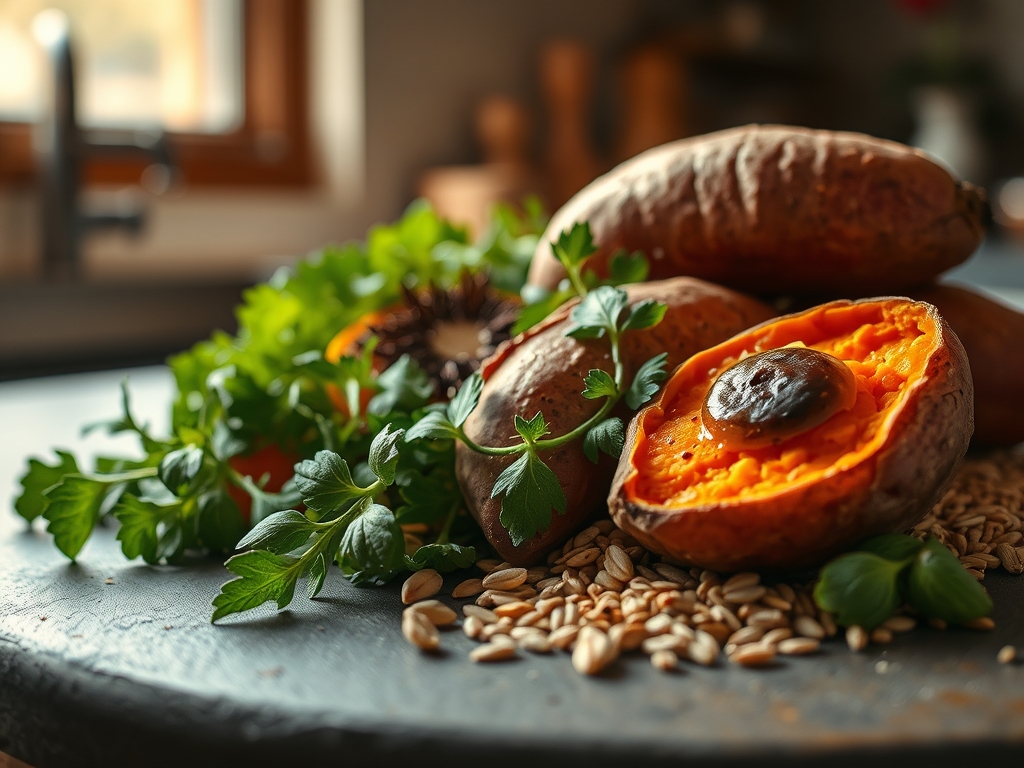
To execute these skillet sweet potato recipes with precision, your mise-en-place must be flawless. Start with firm, jewel-toned Garnet or Beauregard potatoes. You will need a high-smoke-point fat; avocado oil or clarified butter (ghee) is ideal because they can withstand the 400-degree Fahrenheit threshold without breaking down into acrid compounds. Grab your digital scale to ensure uniform sizing; consistency in mass equals consistency in cook time.
The aromatic profile relies on fresh rosemary, smoked paprika, and sea salt. The salt is not just for flavor; it acts as a desiccant to draw out surface moisture. For the "Smart Substitutions," if you are dodging nightshades, swap paprika for ground turmeric and a pinch of cumin to maintain that earthy depth. If you lack ghee, a neutral grapeseed oil works beautifully. Always have a microplane on hand for a final dusting of Pecorino or lime zest to cut through the richness of the rendered fats.
The Clock (H2)
Timing in the kitchen is about rhythm, or what we call the "Chef's Flow." Total active prep time should clock in at exactly 12 minutes if your knife skills are sharp. You will spend 5 minutes on the initial scrub and dice, followed by a 7-minute soak in cold water to remove excess surface starch. This soak is non-negotiable for achieving a crisp crust.
The actual cook time spans 18 to 22 minutes. The first 10 minutes are dedicated to the "soften and steam" phase, while the final 10 minutes focus on the high-heat sear. Total time from pantry to plate is roughly 35 minutes. By utilizing a bench scraper to move your dice efficiently from the board to the pan, you minimize heat loss and keep your station clean.
The Masterclass (H2)
1. The Precision Dice
Use a sharpened chef knife to create 1/2-inch cubes. Uniformity is the law here; if the pieces are uneven, the small ones will carbonize before the large ones soften. Pro Tip: Uniform surface area maximizes the geometric contact with the skillet, ensuring every piece gets equal exposure to the conductive heat of the pan.
2. The Cold Water Shock
Submerge your cubes in a bowl of ice-cold water for at least seven minutes. You will see the water turn slightly cloudy as surface starches leach out. Pro Tip: Removing surface starch prevents the potatoes from sticking to each other, a process known as interstitial bonding, allowing for individual, distinct cubes.
3. The Thermal Prep
Place your heavy-bottomed skillet over medium-high heat for three minutes before adding oil. You want the metal to expand and create a naturally non-stick surface. Pro Tip: This utilizes the Leidenfrost effect, where a micro-layer of vapor prevents the food from instantly bonding to the microscopic pores of the metal.
4. The Fat Infusion
Add your oil and wait for it to shimmer. Toss in your dried potato cubes and toss immediately to coat every surface in a thin, viscous layer of fat. Pro Tip: Fat acts as a heat transfer medium, ensuring that the nooks and crannies of the potato receive consistent thermal energy.
5. The Lid Technique
Cover the skillet for the first five minutes of cooking. This traps the internal steam and cooks the potatoes through to the center without burning the outside. Pro Tip: This stage utilizes convection within the vessel to gelatinize the internal starches, making the centers creamy.
6. The Maillard Sear
Remove the lid and increase the heat slightly. Do not touch the potatoes for three full minutes. This is where the magic happens. Pro Tip: The Maillard reaction occurs when amino acids and reducing sugars react under heat, creating hundreds of different flavor compounds and that signature brown crust.
7. The Aromatic Bloom
Add your spices and herbs in the final two minutes. If you add them too early, the high heat will incinerate the delicate volatile oils in the herbs. Pro Tip: This is called blooming, where the fat-soluble compounds in the spices are released and infused into the cooking oil.
8. The Deglaze
If the pan looks dry or bits are sticking, add a tablespoon of apple cider vinegar or water. Use a saucier or spatula to scrape the bottom. Pro Tip: Deglazing releases the fond, the concentrated browned bits on the pan, and redistributes that intense flavor back onto the potatoes.
9. The Carryover Rest
Transfer the potatoes to a warm bowl and let them sit for two minutes before serving. Pro Tip: This allows for thermal carryover, where the residual heat finishes the cooking process gently, ensuring the centers are perfectly soft without the exterior becoming overly hard.
The Deep Dive (H2)
Nutritionally, skillet sweet potato recipes are a powerhouse. One serving provides over 400% of your daily Vitamin A requirement and a significant dose of fiber. For my Keto friends, while sweet potatoes are higher in carbs, you can lower the glycemic load by pairing them with high-fiber greens or a heavy protein. Vegan diners can swap butter for coconut oil to add a subtle sweetness that complements the earthy tubers.
If you hit a snag, here is "The Fix-It" guide. If your potatoes are mushy, you likely overcrowded the pan; cook in two batches next time to allow steam to escape. If they are burnt on the outside but raw inside, your heat was too high; lower the flame and use the lid technique longer. If they stick to the pan, you likely moved them too soon; wait for the crust to form, which naturally releases the food from the metal. For meal prep, reheat these in an air fryer or a dry skillet to re-crisp the edges; never use a microwave, as it collapses the cellular structure and results in a rubbery texture.
The Wrap-Up (H2)
There you have it, the definitive guide to mastering the art of the skillet. Once you understand the chemistry of starch and the physics of heat, you are no longer just following a recipe; you are creating an experience. These skillet sweet potato recipes are versatile, nutritious, and undeniably delicious. Grab your favorite cast iron, put these secrets to the test, and watch how a simple tuber becomes the star of your kitchen table. Now go forth and sear with confidence!
The Kitchen Table (H2)
Why are my skillet sweet potatoes soggy?
Sogginess usually occurs due to overcrowding the pan or failing to dry the potatoes after soaking. When cubes are too close, they steam instead of sear. Use a wide skillet and pat the potatoes completely dry with a lint-free towel.
Do I need to peel sweet potatoes for the skillet?
Peeling is optional but the skin adds a rustic texture and extra fiber. If you keep the skin on, scrub the tubers thoroughly with a vegetable brush to remove grit. The skin also helps the cubes hold their shape during flipping.
What is the best oil for frying sweet potatoes?
Use oils with a high smoke point like avocado oil, ghee, or refined coconut oil. Avoid extra virgin olive oil for high-heat searing, as it can smoke and develop a bitter flavor at the temperatures required for a perfect crust.
How do I keep sweet potatoes from sticking to the pan?
Ensure your skillet is fully preheated before adding oil and potatoes. Once the potatoes hit the pan, let them sit undisturbed for several minutes. The crust must fully form to naturally release from the cooking surface through the Maillard reaction.