
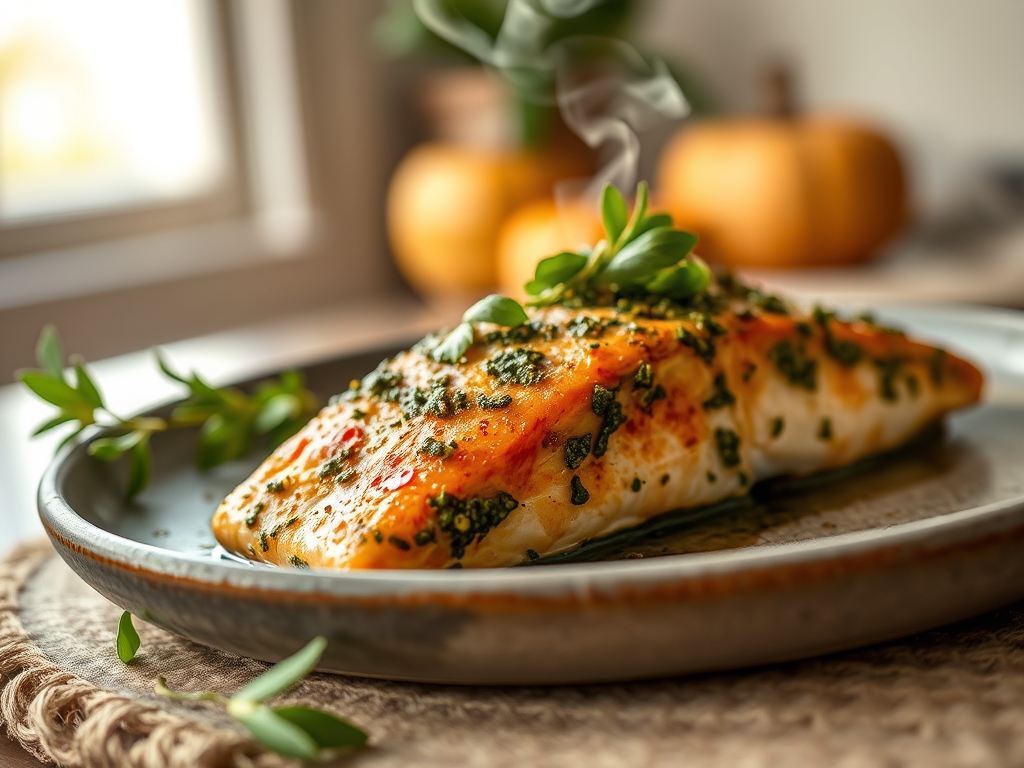
Picture a kitchen filled with the scent of toasted pine nuts and sharp basil. The salmon sizzles on a heavy sheet pan while its emerald crust turns golden under the broiler. If you are searching for the best baked pesto salmon recipes; look no further than this guide. We are turning a standard weeknight protein into a culinary masterpiece.
The secret to a perfect salmon dish lies in the tension between the fatty acids of the fish and the piquant bite of the herbs. Most home cooks struggle with dry, chalky fillets or a pesto that turns muddy brown in the heat. We are going to solve that today with a bit of thermal physics and a lot of style. By understanding how proteins coagulate and how oils emulsify; you will transform into the chef your friends text for advice.
Salmon is a glorious canvas. It is rich in Omega-3 fatty acids that provide a buttery mouthfeel; but it requires a high-acid, high-herb companion to cut through that density. This is not just about dinner; it is about mastering the art of the sear and the science of the sauce. Grab your apron and a glass of something crisp; because we are diving deep into the emerald depths of the perfect bake.
The Gathers:
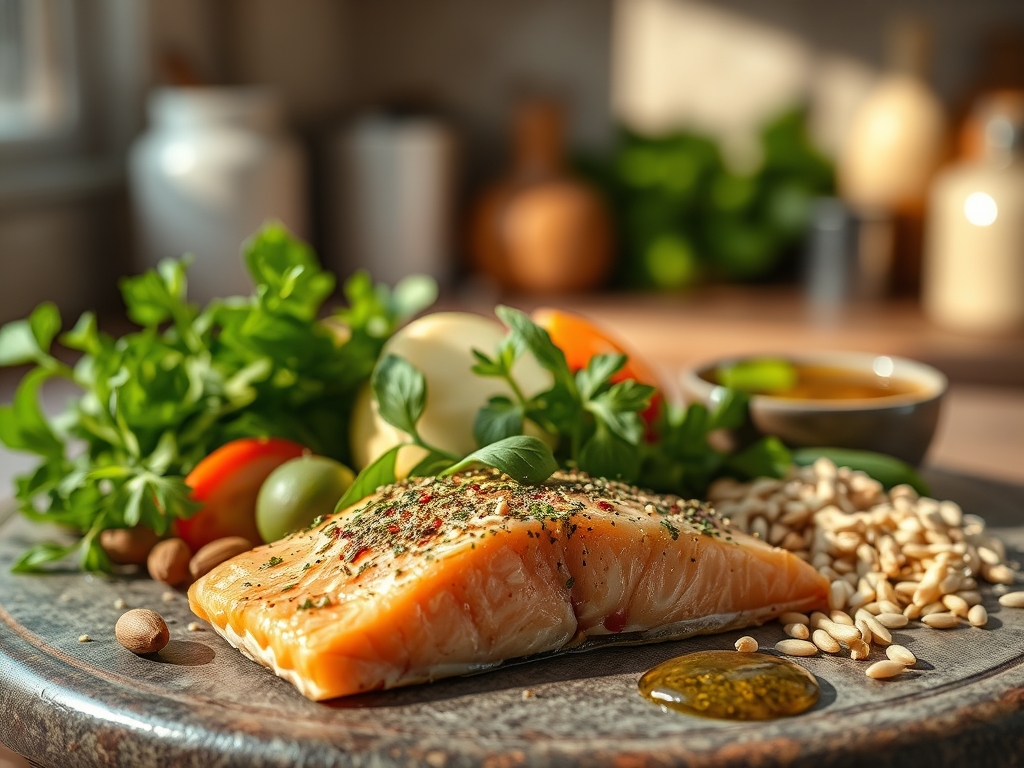
To achieve a restaurant-grade result; your mise-en-place must be precise. Start with a high-quality center-cut fillet. Look for vibrant color and firm flesh; which indicates the muscle fibers are still intact and hydrated. You will need a microplane for the zest; a digital scale to ensure your pesto ratios are balanced; and a saucier if you plan on reducing a balsamic glaze for the finish.
The Essentials:
- The Salmon: 1.5 lbs of wild-caught Sockeye or King salmon.
- The Pesto: Fresh basil; toasted pine nuts; Parmigiano-Reggiano; and cold-pressed extra virgin olive oil. The oil must be viscous and high-quality to prevent splitting.
- The Acid: Fresh lemon juice and zest to provide a bright contrast to the fats.
- The Crunch: Panko breadcrumbs or crushed walnuts to add a textural element that survives the oven.
Smart Substitutions:
If you are out of pine nuts; use toasted pepitas for a nutty; earthy depth. No basil? A blend of flat-leaf parsley and mint creates a refreshing; piquant alternative. For those avoiding dairy; nutritional yeast provides that essential umami funk without the lactose. Always use a bench scraper to tidy your board as you work; keeping your station clear for the technical steps ahead.
The Clock
Efficiency in the kitchen is about "Chef's Flow." This is the sequence of actions that minimizes downtime and ensures every component hits the plate at the peak of its flavor profile.
- Prep Time: 15 minutes. This includes washing herbs; grating cheese; and patting the fish dry.
- Cook Time: 12 to 15 minutes. This depends on the thickness of your fillets and your desired level of doneness.
- Resting Time: 5 minutes. This is non-negotiable for moisture retention.
Total time from fridge to table is roughly 35 minutes. While the oven preheats; use those ten minutes to aerate your pesto in a food processor or mortar and pestle. By the time the oven chime sounds; your salmon should be seasoned and ready for its green coat.
The Masterclass
1. The Desiccation Ritual
Pat your salmon fillets bone-dry with paper towels. Any surface moisture will create steam; which prevents the Maillard reaction from occurring and leaves you with a gray; rubbery texture. Use a sharp chef's knife to score the skin slightly if you are cooking skin-on.
Pro Tip: This is about thermodynamics. Water evaporates at 212 degrees Fahrenheit; while browning occurs at 285 degrees. If the surface is wet; the fish cannot get hot enough to brown before the inside overcooks.
2. The Pesto Emulsification
Combine your basil; garlic; and nuts in a processor. Stream in the olive oil slowly to create a stable emulsion. The mixture should be thick enough to hold its shape on a spoon. Use your digital scale to keep the oil-to-solid ratio at 2:1 for the best spreadability.
Pro Tip: Add a pinch of baking soda to your boiling water if blanching herbs. This preserves the chlorophyll; ensuring your baked pesto salmon recipes stay vibrant green rather than turning olive drab in the oven.
3. The Seasoning Layer
Season the fish with kosher salt and cracked black pepper before applying the pesto. Salt penetrates the muscle fibers; seasoning the meat from within; whereas the pesto acts as a flavorful insulation layer.
Pro Tip: Salt acts as a denaturant. It begins to break down the tightly wound proteins in the fish; allowing them to hold onto more water during the heat of the bake.
4. The Crust Application
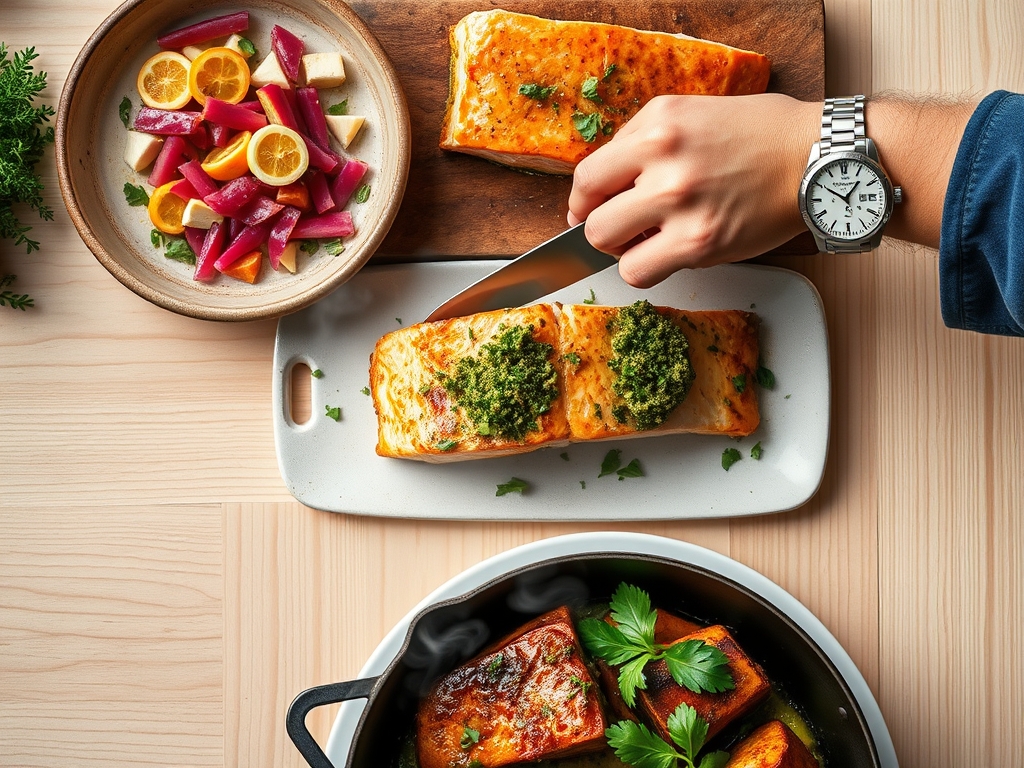
Spread a generous layer of pesto over the top of each fillet. Press a mixture of panko and lemon zest into the pesto. The pesto acts as a culinary glue; securing the breadcrumbs so they can brown and crisp.
Pro Tip: This creates a physical barrier. The breadcrumbs absorb any escaping oils; while the pesto prevents the direct heat of the oven from drying out the delicate top layers of the fish.
5. The Precision Bake
Place the salmon on a parchment-lined sheet pan. Slide it into a 400-degree Fahrenheit oven. Position the rack in the top third of the oven to utilize the concentrated heat for a better crust.
Pro Tip: Use an instant-read thermometer to check the internal temperature. You are aiming for 125 degrees for medium-rare or 135 degrees for medium. The temperature will continue to rise after you remove it from the heat.
6. The Carryover Rest
Remove the salmon from the oven and let it sit on the warm pan for five minutes. Do not tent it with foil; as the trapped steam will soften your crispy crust. Use tongs to gently check the flake of the fish.
Pro Tip: This is called thermal carryover. The residual heat on the surface moves toward the cooler center; finishing the cook gently and allowing the juices to redistribute throughout the fillet.
7. The Acid Finish
Just before serving; use your microplane to shower the fillets with fresh lemon zest and a tiny drizzle of cold-pressed oil. This "wakes up" the fats that have been muted by the oven's heat.
Pro Tip: Heat can dull the volatile aromatic compounds in citrus. Adding fresh zest at the end restores the high-frequency flavor notes that balance the heavy fats of the salmon.
8. The Visual Plating
Lift the salmon using a wide spatula to keep the fillet intact. Serve alongside a bright arugula salad or roasted asparagus to complement the herbaceous profile.
Pro Tip: Contrast is key in plating. The jagged; golden-green texture of the salmon looks best against a smooth; white ceramic plate; which makes the colors pop.
The Deep Dive
Macro Nutrition:
Salmon is a nutritional powerhouse. A 6-ounce serving provides roughly 34 grams of protein and 22 grams of healthy fats. It is rich in Vitamin B12; which is essential for DNA synthesis and nerve function.
Dietary Swaps:
- Vegan: Use a thick slab of cauliflower or a firm tofu block in place of salmon. Swap the cheese in the pesto for white miso paste to maintain the umami.
- Keto: Replace the panko with crushed pork rinds or almond flour to keep the carb count near zero.
- Gluten-Free: Ensure your panko is certified GF or use toasted sunflower seeds for the crunch.
The Fix-It:
- Soggy Crust: Your oven wasn't hot enough. Next time; use the broiler for the last 90 seconds.
- Albumin (White Goo): Those white spots are coagulated protein. This happens when salmon is cooked too fast or too high. Lower the temp slightly or brine the fish in salt water for 10 minutes before cooking.
- Bland Pesto: You likely under-salted or used old nuts. Always toast your nuts in a heavy-bottomed skillet to release their oils before blending.
Meal Prep & Reheating:
To reheat without turning the fish into cardboard; use the "low and slow" method. Place the salmon in a 275-degree oven with a splash of water and cover it tightly with foil. This creates a mini-steam chamber that rehydrates the proteins.
The Wrap-Up
Mastering baked pesto salmon recipes is a rite of passage for any home chef. It combines the technical rigor of protein management with the creative flair of sauce-making. Remember; the kitchen is your laboratory. Don't be afraid to experiment with different nut bases or herb combinations. Once you understand the science of moisture and heat; you can cook anything with confidence. Now; go turn that oven on and make something beautiful!
The Kitchen Table
How do I prevent the white stuff from appearing on salmon?
That white substance is albumin. To minimize it; brine your salmon in a basic salt-water solution for ten minutes before baking. This helps the proteins stay hydrated and prevents them from squeezing out during the cooking process.
Can I use store-bought pesto for this recipe?
Yes; but look for refrigerated versions rather than shelf-stable jars. Refrigerated pesto usually contains fresher oils and less heat-treated basil; which results in a more vibrant color and a sharper; more authentic flavor profile after baking.
How do I know when the salmon is perfectly cooked?
Use a digital thermometer to hit 130 degrees Fahrenheit for a perfect medium. If you don't have one; the fish should just begin to flake when pressed with a fork; but the center should still look slightly translucent.
Why did my pesto turn brown in the oven?
Basil oxidizes when exposed to high heat and oxygen. To prevent this; ensure your pesto has enough oil to coat the leaves. Adding a splash of lemon juice or blanching the basil briefly before blending also helps preserve the green color.
What is the best way to store leftovers?
Store leftover salmon in an airtight container for up to two days. To maintain texture; eat it cold over a salad or reheat it very gently in a low-temperature oven to avoid overcooking the delicate fats.