
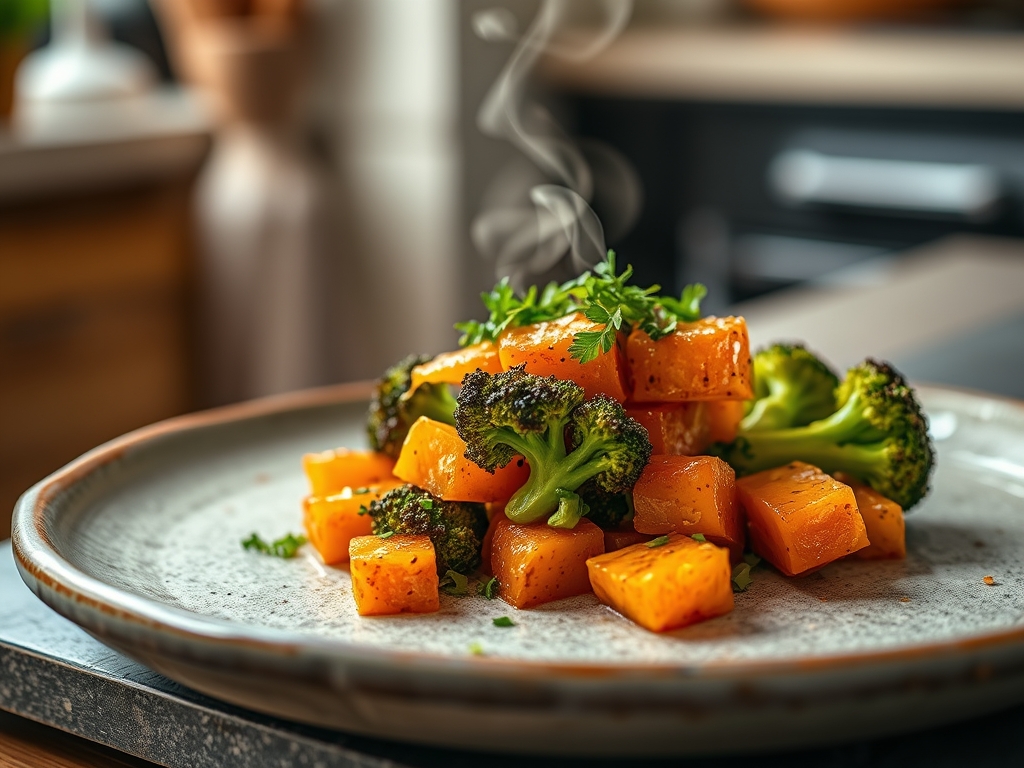
Imagine the sharp, sulfurous snap of a charred floret meeting the velvety, caramelized sugar of a roasted yam. It is a sensory collision that turns a humble weeknight side into a nutritional powerhouse. Mastering broccoli sweet potato recipes is not just about health; it is about manipulating texture and temperature to create something truly craveable.
We are moving beyond the soggy, steamed piles of fiber you might remember from childhood. Instead, we are focusing on the Maillard reaction. This is the chemical dance between amino acids and reducing sugars that happens when your oven hits that magic 400 degree mark. When you combine the cruciferous crunch of broccoli with the creamy starch of a sweet potato, you create a balanced profile of earthy, sweet, and savory notes that anchors any meal. Whether you are meal prepping for a high performance week or just trying to get something green on the plate that actually tastes good, these nine variations will change your kitchen game forever.
The Gathers:
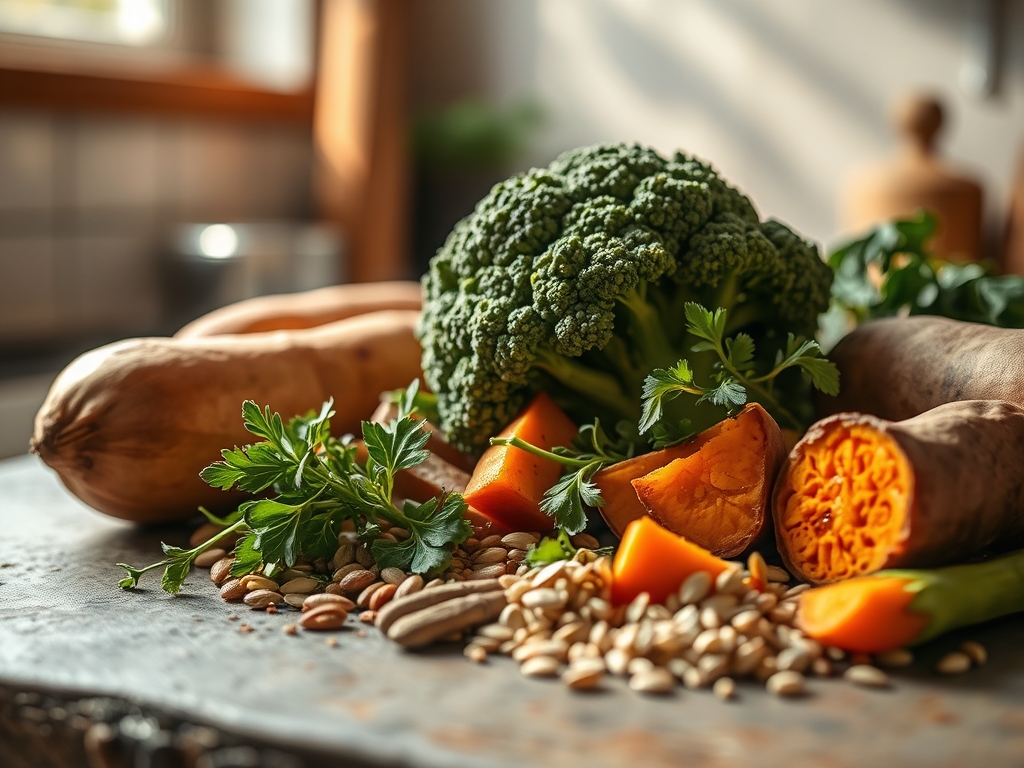
Your mise-en-place is the foundation of culinary success. Start with your aromatics and starches. You will need two large garnet or jewel sweet potatoes; these varieties have a higher moisture content and sugar density than white fleshed yams. For the broccoli, seek out tight, dark green florets with firm stalks. Do not discard those stalks. They contain a high concentration of sulforaphane and, when peeled with a Y-peeler, offer a crisp texture similar to water chestnuts.
For the fat profile, choose an oil with a high smoke point like avocado oil or clarified butter. You will also need kosher salt for its jagged crystal structure that clings to uneven surfaces, and freshly cracked black pepper. To elevate the flavor profile, gather "The Brighteners": fresh lemon zest, a high quality balsamic glaze, and perhaps some red pepper flakes for a piquant finish.
Smart Substitutions:
If you are looking to lower the glycemic load, swap half the sweet potato for butternut squash. For a flavor pivot, replace the broccoli with romanesco to introduce a nutty, complex geometry to the dish. If you lack fresh citrus, a splash of apple cider vinegar can provide the necessary acidity to cut through the starch.
The Clock
Efficiency in the kitchen is about managing "The Flow." Total active prep time for these broccoli sweet potato recipes is approximately 15 minutes, with a roast time of 25 to 30 minutes. The secret to a perfect finish is staggered entry.
Sweet potatoes are dense. They require more thermal energy to break down their complex starches into simple sugars. Broccoli, conversely, is mostly water and air. If you toss them in at the same time, you end up with charred broccoli dust and raw potato centers. A professional "Chef's Flow" involves starting the potatoes first, then adding the broccoli during the final 12 minutes of roasting. This ensures both components reach their peak texture simultaneously.
The Masterclass
1. Precision Fabrication
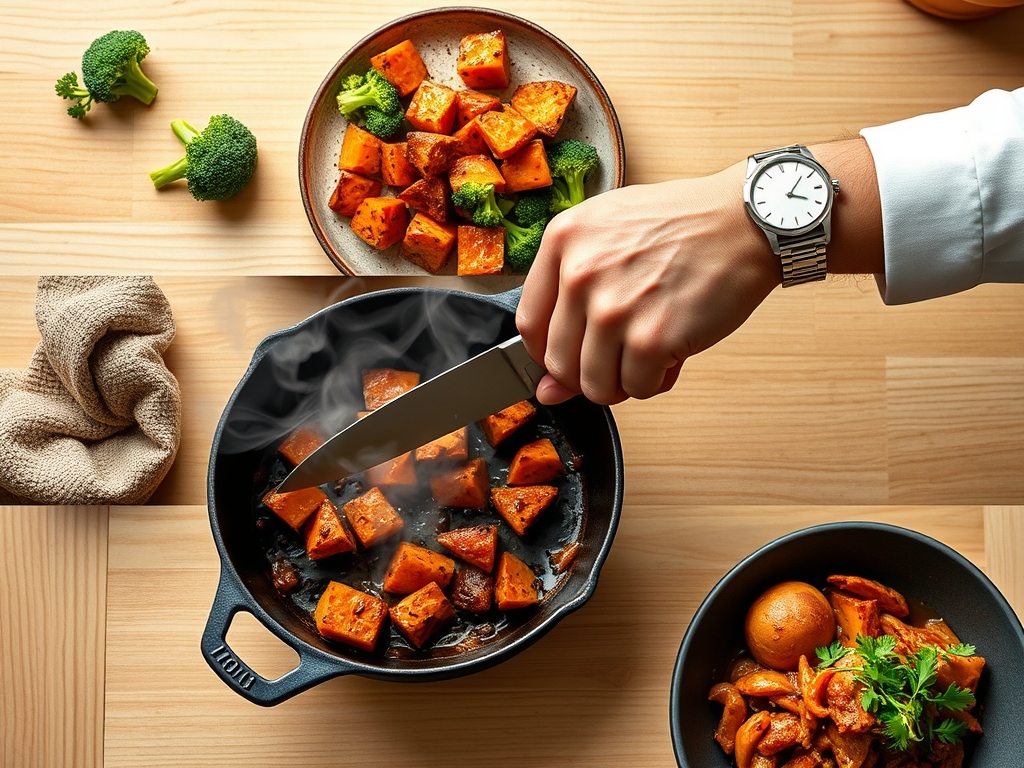
Use a sharp chef's knife or a heavy-duty bench scraper to cube your sweet potatoes into uniform half-inch pieces. Consistency is king here; varied sizes lead to uneven cooking. Trim the broccoli into bite-sized florets, ensuring each piece has a flat edge to maximize surface area contact with the roasting pan.
Pro Tip: Uniformity prevents "thermal shadowing," where larger pieces block heat from reaching smaller ones, resulting in uneven textures.
2. The Emulsion Toss
In a large stainless steel bowl, whisk your oil and seasonings until they form a temporary emulsion. Toss the sweet potatoes first, ensuring every millimeter of the surface is coated. Use your hands to massage the oil into the nooks of the broccoli florets later.
Pro Tip: Fat acts as a heat conductor. An even coating ensures the air in the oven transfers heat efficiently to the vegetable's surface, triggering the Maillard reaction faster.
3. The High-Heat Roast
Spread the sweet potatoes on a preheated heavy-bottomed sheet pan. Do not crowd the pan. If the pieces are touching, they will trap steam, leading to a mushy texture rather than a crisp exterior. Roast at 425 degrees Fahrenheit for the first 15 minutes.
Pro Tip: Preheating the pan causes immediate moisture evaporation on contact, which prevents the starch from becoming "gummy" through a process called retrogradation.
4. The Broccoli Integration
Slide the rack out and use metal tongs to add the broccoli to the pan. Give everything a quick toss to redistribute the rendered fats. Return the pan to the oven for the final stretch.
Pro Tip: Broccoli contains chlorophyll which degrades under prolonged heat. Adding it late preserves the vibrant green color and prevents the release of bitter sulfur compounds.
5. The Acidic Finish
Once the potatoes are fork-tender and the broccoli edges are "frizzled," remove the pan. Immediately zest a lemon over the hot vegetables using a microplane. The residual heat will release the essential oils in the zest without cooking away the bright flavor.
Pro Tip: Acidity acts as a flavor "magnifier." It balances the heavy sweetness of the potato and the earthy bitterness of the broccoli.
The Deep Dive
When we look at the macro profile, this duo is a powerhouse. A standard serving provides over 400 percent of your daily Vitamin A and a significant hit of Vitamin C. The fiber content is exceptional, aiding in slow glucose absorption.
Dietary Swaps:
- Vegan: Use avocado oil or coconut oil; finish with nutritional yeast for a "cheesy" umami kick.
- Keto: Heavily lean into the broccoli and substitute the sweet potato with radishes, which lose their pepperiness and turn sweet when roasted.
- GF: This dish is naturally gluten-free, but ensure any store-bought spice blends are certified.
The Fix-It:
- Soggy Vegetables: Your oven temperature was too low or the pan was overcrowded. Solution: Crank the heat to 450 for the last five minutes and move the pan to the highest rack.
- Burnt Broccoli: The florets were cut too small. Solution: Next time, leave the stems longer to provide more thermal mass.
- Bland Flavor: You undersalted before roasting. Solution: Salt cannot penetrate the "skin" once cooled. Toss with a splash of soy sauce or tamari to add salt and depth instantly.
Meal Prep Science:
To maintain "day-one" quality, store your blend in an airtight glass container. When reheating, avoid the microwave if possible; it vibrates water molecules and makes the potato skins tough. Instead, use a saucier or a skillet over medium heat with a teaspoon of water and a lid to "re-steam" the interior while crisping the exterior.
The Wrap-Up
There is a certain magic in mastering the basics. Broccoli sweet potato recipes are the "little black dress" of the culinary world; they are versatile, elegant, and always appropriate. By understanding the science of heat transfer and the importance of timing, you have elevated a simple vegetable tray into a gourmet experience. Now, grab your tongs, preheat that oven, and go create something vibrant. Your kitchen is your laboratory; make it delicious.
The Kitchen Table
Can I roast broccoli and sweet potatoes together?
Yes, but use staggered timing. Start the sweet potatoes first for 15 minutes, then add the broccoli for the final 12 minutes. This prevents the broccoli from burning while the dense potatoes finish softening.
How do I keep roasted broccoli from getting mushy?
Avoid overcrowding the roasting pan. When vegetables are too close, they release steam that gets trapped. Give each piece space so the dry oven air can crisp the edges and evaporate moisture quickly.
What is the best temperature for roasting these vegetables?
A temperature of 400 to 425 degrees Fahrenheit is ideal. This high heat triggers the Maillard reaction, which creates the browned, caramelized exterior and sweet flavor profile that lower temperatures cannot achieve.
Is it better to peel sweet potatoes for roasting?
It is a matter of preference, but leaving the skin on adds extra fiber and a rustic texture. Just be sure to scrub the skins thoroughly with a vegetable brush to remove any residual grit.