
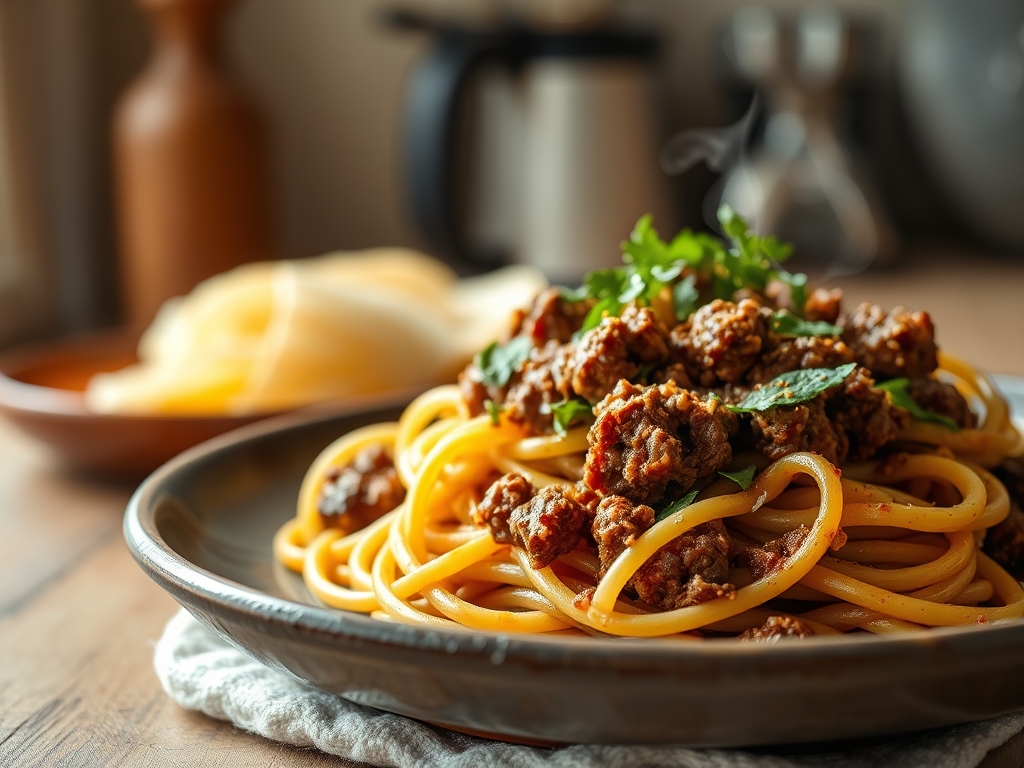
Imagine the sound of a heavy bottomed skillet hitting the burner; a resonant, metallic ring that signals the start of something glorious. Within minutes, the kitchen fills with the scent of rendered fat and toasted garlic. Finding pasta with ground beef recipes easy enough for a Tuesday but decadent enough for a date is the ultimate culinary flex. It is the intersection of comfort and chemistry.
The magic of these dishes lies in the transformation of humble ingredients into a cohesive, silky masterpiece. We are not just tossing meat and noodles together; we are building an emulsion. By the time the steam clears, you will have mastered the art of the pan sauce and the science of the sear. This guide is your roadmap to ten distinct flavor profiles, all built on a foundation of high quality protein and perfectly al dente starch. Grab your apron and your favorite wooden spoon; we are about to turn your kitchen into a high performance laboratory of flavor.
The Gathers:
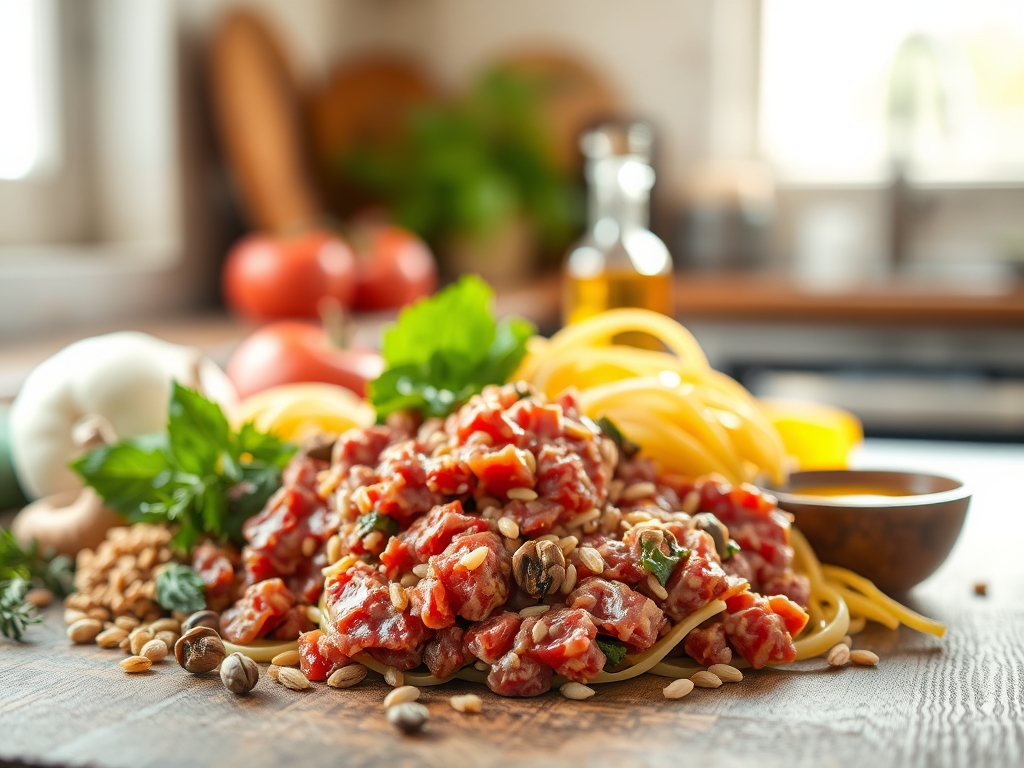
To execute these recipes with precision, your mise en place must be impeccable. Start with the beef; look for an 80/20 blend. The 20 percent fat content is non negotiable because fat is the primary carrier for fat soluble flavor compounds found in dried herbs. You will need a variety of pasta shapes, from the ridged valleys of penne to the broad surface area of pappardelle.
Your pantry should be stocked with piquant aromatics like shallots, garlic, and red pepper flakes. For the liquid gold that binds it all together, keep high quality beef stock and heavy cream on standby. Do not forget the finishing touches; a block of Parmigiano Reggiano and a microplane are essential for creating that airy, cloud like dusting of cheese that melts instantly upon contact with the heat.
Smart Substitutions:
If you find yourself without ground beef, ground lamb offers a gamier, more viscous mouthfeel. For a lighter profile, ground turkey works, but you must add a teaspoon of Worcestershire sauce to mimic the umami depth of red meat. If you are dodging gluten, chickpea pasta provides a sturdy structure, though you must reduce the boiling time by two minutes to prevent the noodles from becoming granular.
The Clock:
Efficiency in the kitchen is about managing the Chef's Flow. This is the rhythmic synchronization of tasks to ensure every component reaches its peak simultaneously. For these fast dinners, the total active time ranges from 15 to 25 minutes.
The secret is the "Parallel Burner" method. Your pasta water should be reaching a rolling boil exactly as your beef finishes its Maillard reaction. Most pasta shapes require 8 to 11 minutes to reach al dente. During this window, you will deglaze your pan and build your sauce. By the time the timer dings, your sauce is thick enough to coat the back of a spoon, and the noodles are ready to be finished directly in the skillet. This overlap ensures the starch remains active, allowing for a better bind between the noodle and the ragu.
The Masterclass:
1. The Maillard Sear
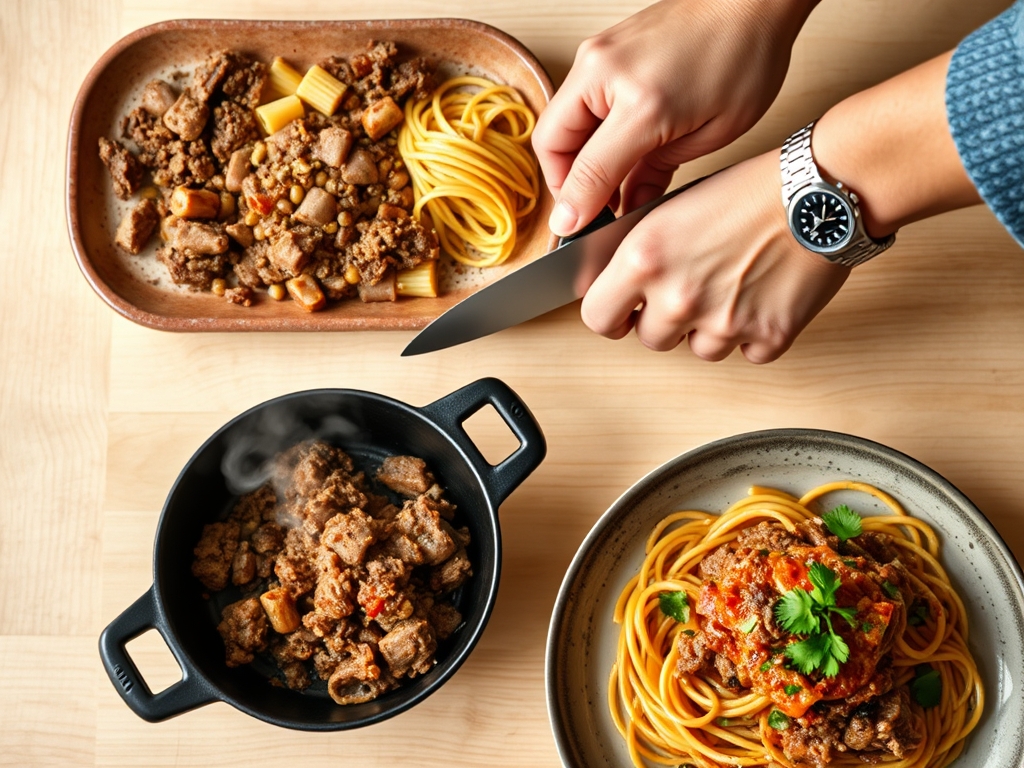
Place your ground beef in a preheated heavy bottomed skillet. Do not stir it immediately. Let the meat sit undisturbed for three minutes to encourage the Maillard reaction, which is the chemical reaction between amino acids and reducing sugars that creates browned, savory flavors.
Pro Tip: Use a bench scraper to break the meat into uniform crumbles; consistent size ensures even thermal conductivity across the pan.
2. Deglazing the Fond
Once the meat is browned, remove it and notice the brown bits stuck to the bottom. This is the fond. Pour in a splash of dry red wine or beef stock. Use a flat edged wooden spatula to scrape these bits into the liquid.
Pro Tip: This process captures concentrated flavor molecules that would otherwise be lost; it is the difference between a flat sauce and one with professional depth.
3. Emulsifying the Sauce
Add your cooked pasta directly to the skillet with a splash of starchy pasta water. Toss vigorously over medium heat. The starch in the water acts as a bridge between the fats in the beef and the liquids in the sauce.
Pro Tip: This creates a stable emulsion, preventing the sauce from breaking and ensuring a velvety texture that clings to every crevice of the pasta.
The Deep Dive:
From a macro nutrition perspective, these meals are powerhouses. A standard serving provides approximately 35 grams of protein and 45 grams of complex carbohydrates. To balance the plate, always incorporate a handful of spinach or kale during the final two minutes of simmering; the residual heat will wilt the greens without destroying their cellular structure.
Dietary Swaps:
For a keto friendly version, replace the pasta with zoodles or shirataki noodles. To make it vegan, swap the beef for a walnut and mushroom crumble processed in a food blender to mimic the texture of ground meat. If you are gluten free, always reserve twice as much pasta water, as GF starches behave differently and may require more hydration to stay smooth.
The Fix-It:
If your sauce is too thin, do not add flour; instead, whisk in a tablespoon of cold butter off the heat to mount the sauce. If the beef is too dry, it likely suffered from moisture loss during a crowded sear; add a tablespoon of tomato paste to reintroduce moisture and richness. If the pasta is overcooked, immediately shock it with a splash of heavy cream to coat the starches and stop the carryover cooking.
Meal Prep Science:
When reheating, avoid the microwave if possible. Use a small saucier over low heat and add a teaspoon of water. This creates a mini steam chamber that rehydrates the starches without making the fats turn oily.
The Wrap-Up:
Mastering pasta with ground beef recipes easy is about more than just following a list; it is about understanding the physics of the pan. You now have the tools to turn a simple pound of meat and a box of noodles into a gourmet experience. Whether you are deglazing with wine or emulsifying with pasta water, you are cooking with intention. So, go forth, sear with confidence, and remember that the best ingredient in any kitchen is a curious mind and a hot skillet.
The Kitchen Table:
Why is my pasta sauce watery?
Watery sauce usually occurs when the pasta isn't finished in the pan. Always transfer noodles directly from the water to the sauce, adding a splash of starchy pasta water to emulsify the fats and liquids into a thick glaze.
Can I use lean ground beef?
You can, but 90/10 beef often becomes dry. If using lean meat, add a tablespoon of olive oil or butter during the searing phase to provide the necessary lipids for a smooth, flavorful mouthfeel and to prevent sticking.
How do I keep pasta from sticking?
Avoid adding oil to the boiling water; it prevents the sauce from clinging to the noodles. Instead, ensure the water is at a rolling boil and stir the pasta immediately after dropping it to prevent starch clumps.
What is the best pasta shape for beef?
Rigatoni or fusilli are superior for ground beef. Their hollow centers and exterior ridges are engineered to capture small bits of meat and thick sauce, ensuring you get a perfect ratio of ingredients in every single bite.