
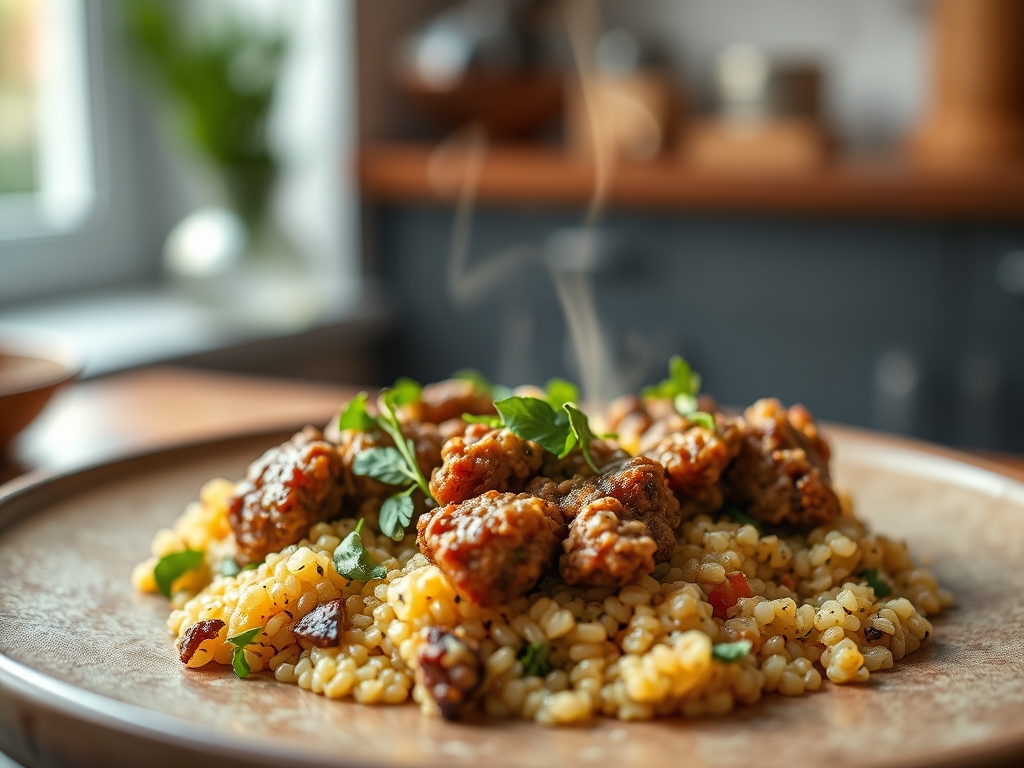
Imagine the sizzle of a heavy-bottomed skillet meeting cold fat; that high-pitched hiss is the sound of moisture rapidly evaporating to make room for flavor. When you dive into the world of quinoa and ground beef recipes, you are not just making dinner. You are engineering a perfect marriage of nutty, germ-popped grains and deeply caramelized protein that satisfies every primal craving.
The beauty of this duo lies in the structural contrast. Ground beef provides a rich, savory foundation through the rendering of intramuscular fats, while quinoa acts as a tiny, absorbent sponge for every drop of released jus. This is high-performance fuel that tastes like a luxury cheat meal. Whether you are prepping for a marathon or just trying to survive a Tuesday, these seven variations provide the essential amino acids and iron your body craves without the post-meal slump of heavy pastas. We are looking for that golden Maillard crust on the beef and a delicate, al dente "pop" from the quinoa. Let us get into the laboratory, also known as your kitchen, and transform these humble staples into a week of culinary triumphs.
The Gathers:
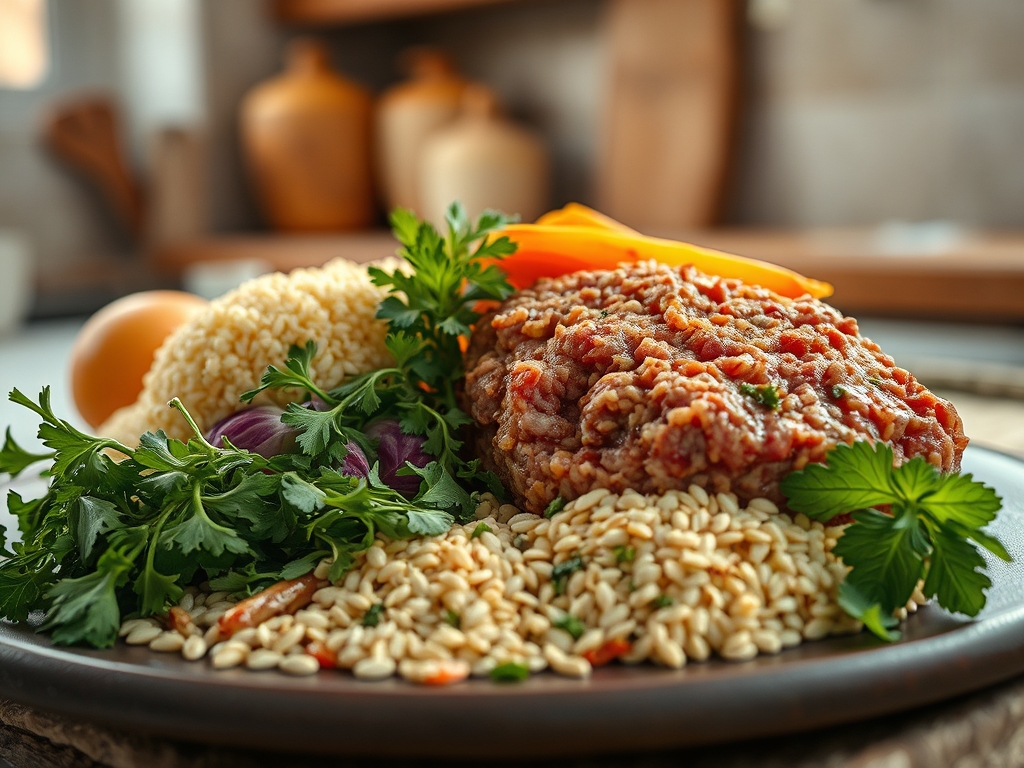
To execute these quinoa and ground beef recipes with precision, your mise-en-place must be impeccable. Start with the beef; look for an 85/15 lean-to-fat ratio. This specific balance ensures enough lipid content to lubricate the quinoa grains without leaving a greasy residue on the palate. For the quinoa, a tri-color blend offers the best structural integrity, as red and black grains contain more lignin in their outer husks, preventing them from turning into mush during the simmer.
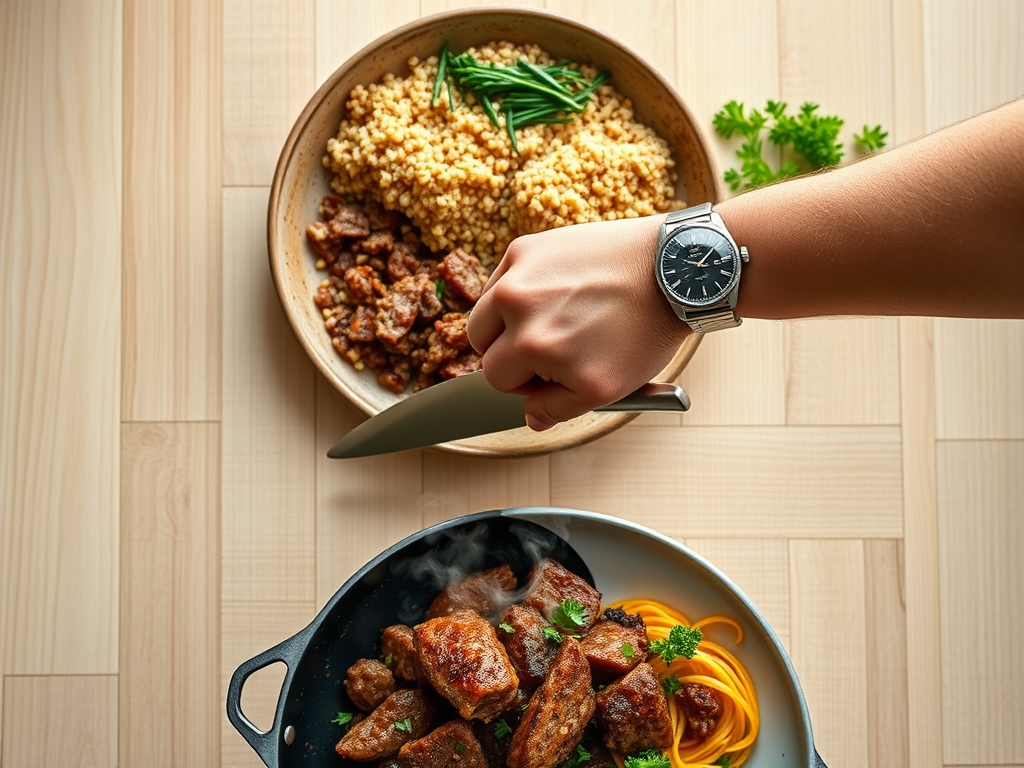
You will need a sharp chef knife for a fine brunoise of aromatics; think shallots, garlic, and perhaps a poblano for a piquant kick. Keep a bottle of dry vermouth or a bright vinegar nearby to deglaze the pan; this acidic intervention is vital to lift the fond (those tasty brown bits) from the bottom of the skillet.
Smart Substitutions:
If you find yourself out of beef, ground bison offers a leaner, more iron-dense profile with a slightly sweeter finish. For my plant-forward friends, a mix of pulsed walnuts and mushrooms can mimic the texture of beef, though you will lose the specific collagen-rich mouthfeel. If quinoa feels too earthy, try amaranth; it is smaller and creates a more viscous, porridge-like consistency that clings beautifully to the meat.
The Clock
Efficiency in the kitchen is about "Chef's Flow," which is the art of overlapping tasks to eliminate dead time. A standard recipe in this collection takes approximately 10 minutes of active prep and 20 minutes of cook time.
Start by rinsing your quinoa in a fine-mesh strainer to remove saponins; these are natural phytochemicals that can taste soapy or bitter if not agitated and washed away. While the quinoa simmers in a separate saucier, use your heavy-bottomed skillet to begin the beef. By the time the beef is browned and the aromatics are translucent, the quinoa will have absorbed its liquid and be ready for the "fluff and fold." This synchronized finish ensures that neither component sits long enough to lose its thermal energy or textural contrast.
The Masterclass
1. The Sear and Render
Place your ground beef into a preheated skillet. Do not crowd the pan; if the meat covers more than 70 percent of the surface area, the temperature will drop, and the beef will steam in its own juices rather than sear. Use a stiff wooden spoon or a potato masher to break the meat into uniform crumbles.
Pro Tip: This stage is all about the Maillard Reaction. This chemical reaction between amino acids and reducing sugars occurs above 285 degrees Fahrenheit. If you stir too often, you prevent the crust from forming. Let it sit undisturbed for three minutes to develop those complex, savory compounds.
2. The Aromatic Infusion
Once the beef has rendered its fat, push the meat to the perimeter and add your minced aromatics to the center. Use a microplane to zest in fresh ginger or garlic for an immediate aromatic punch. The fat acts as a solvent, extracting fat-soluble flavor compounds from the spices.
Pro Tip: This is called blooming. By heating spices in fat before adding liquid, you amplify their volatile oils, resulting in a dish that smells and tastes significantly more vibrant than if you had simply boiled the spices.
3. The Deglaze and Emulsify
Pour in a splash of stock or wine. Use a wooden spatula to scrape the bottom of the pan. This process incorporates the concentrated proteins back into the sauce. Add your pre-cooked quinoa to the skillet now.
Pro Tip: This step utilizes emulsification. As the liquid reduces, the fats from the beef and the starches from the quinoa's surface combine to create a silky, cohesive sauce that coats every grain rather than pooling at the bottom of the bowl.
4. The Final Aeration
Turn off the heat and toss in fresh herbs like cilantro or parsley. Use a fork to fluff the mixture, ensuring you do not crush the delicate quinoa germs.
Pro Tip: Pay attention to thermal carryover. The internal temperature of the beef will continue to rise by about 5 degrees even after it leaves the heat. Pulling the pan a minute early prevents the beef from becoming "rubbery" and keeps the quinoa al dente.
The Deep Dive
When we look at the macro profile of these quinoa and ground beef recipes, we see a powerhouse. A single serving typically provides 30 grams of protein and a significant dose of magnesium and zinc. Quinoa is a complete protein, meaning it contains all nine essential amino acids that the body cannot produce on its own.
Dietary Swaps:
For a Keto-friendly version, swap the quinoa for riced cauliflower, though you will need to reduce the cooking liquid by half. For a Vegan version, use a "bleeding" plant-based crumble and add a teaspoon of liquid aminos to replicate the savory depth of beef.
The Fix-It:
- Mushy Quinoa: If your grains are waterlogged, spread them on a baking sheet and pop them in a 350-degree oven for five minutes to evaporate excess moisture.
- Bland Beef: If the flavor is flat, add a squeeze of lime or a drop of fish sauce. Acidity and salt are the volume knobs of the culinary world.
- Greasy Finish: If the fat is overwhelming, toss in a handful of raw kale or spinach. The fiber will absorb the excess lipids and add a fresh crunch.
Meal Prep:
To maintain "day-one" quality, store the beef and quinoa in airtight glass containers. When reheating, add one tablespoon of water per cup of food and cover with a damp paper towel. This creates a mini-steam chamber in the microwave, preventing the beef from drying out and the quinoa from becoming hard.
The Wrap-Up
Mastering quinoa and ground beef recipes is like unlocking a secret level of kitchen efficiency. You are balancing the rustic, savory weight of beef with the light, nutty sophistication of an ancient grain. It is a dish that respects your time and your health without ever compromising on the "wow" factor. Grab your skillet, trust the science of the sear, and get ready to serve a meal that feels as good as it tastes.
The Kitchen Table
How do I prevent quinoa from being bitter?
Rinse the dry quinoa under cold running water for at least 60 seconds using a fine-mesh strainer. This removes the saponins, which are the natural coating responsible for that soapy or metallic aftertaste.
Can I cook quinoa and beef in the same pot?
Yes, but sear the beef first and remove it. Cook the quinoa in the beef drippings and stock, then fold the cooked beef back in at the end to maintain the meat's texture and prevent overcooking.
What is the best beef-to-quinoa ratio?
A 1:1 ratio by volume (one cup cooked quinoa to one pound of beef) provides a balanced bite. If you want a higher protein, "meaty" feel, use 1.5 pounds of beef per cup of quinoa.
How long does beef and quinoa last in the fridge?
Stored in an airtight container, these meals stay fresh for up to four days. For the best texture, keep any fresh toppings like avocado or herbs separate until you are ready to serve.