
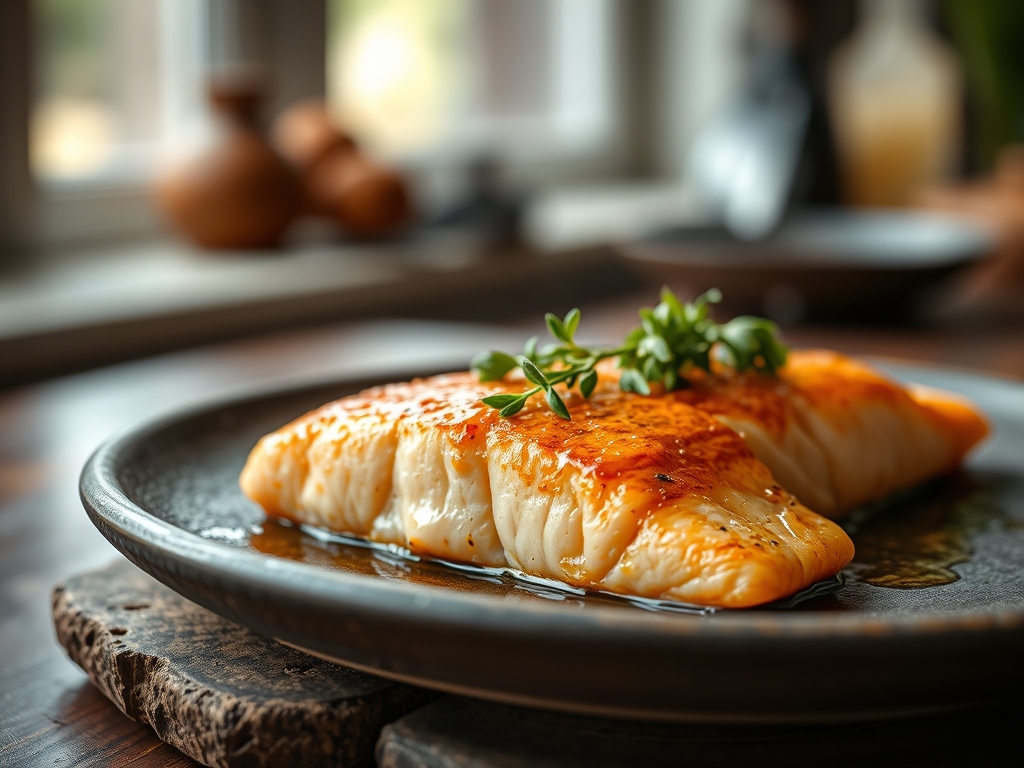
Picture this: it is 6:15 PM on a Tuesday. Your kitchen is quiet, but your stomach is demanding a masterpiece. You want that specific, addictive shatter of caramelized crust followed by the buttery, velvet-soft flake of perfectly cooked fish. When you search for salmon recipes honey garlic, you are looking for more than just a meal; you are looking for the perfect intersection of high-end chemistry and weeknight speed. This dish is the ultimate "little black dress" of the culinary world. It is sophisticated enough for a candlelit date but fast enough to conquer between laundry loads. We are about to transform four simple fillets into a sticky, piquant, and glossy triumph. By understanding the molecular dance between the sugars in the honey and the amino acids in the salmon, you will move from mere home cook to a culinary scientist in under twenty minutes. Let us grab our heavy-bottomed skillet and turn the heat up.
The Gathers:
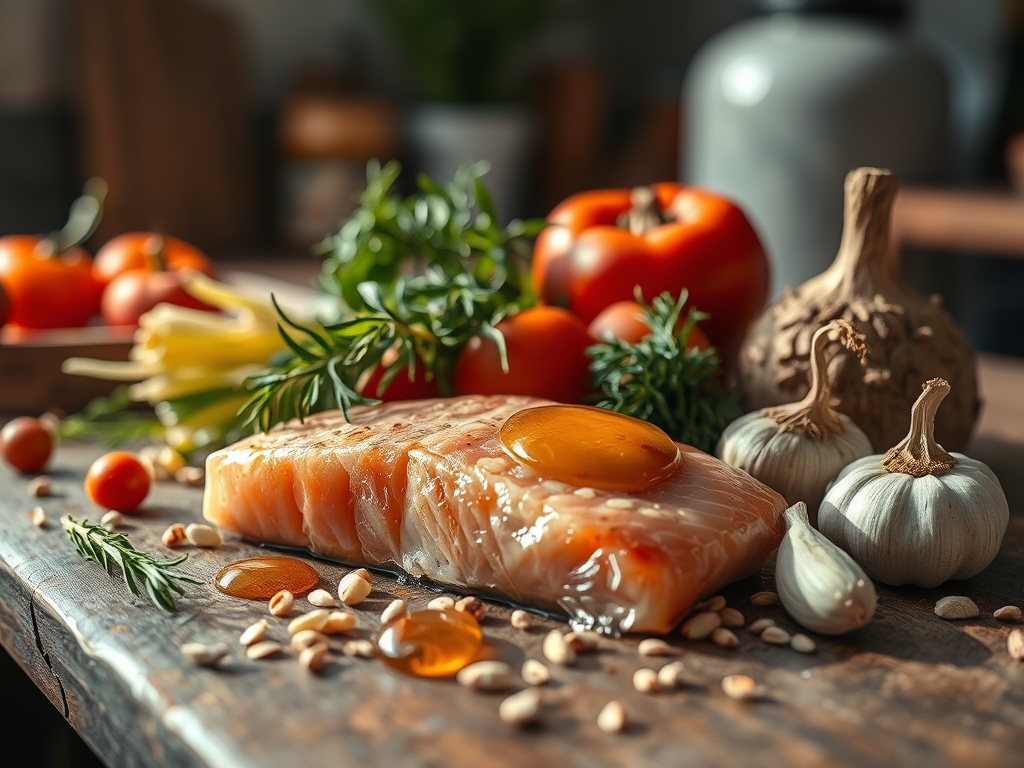
To achieve a restaurant-grade glaze, your mise-en-place must be precise. Start with four six-ounce salmon fillets. Look for "center-cut" pieces to ensure uniform thermal conductivity. For the aromatics, you will need five cloves of fresh garlic. Avoid the pre-minced jars; the sulfurous compounds in fresh garlic provide a sharper, more complex profile. Your honey should be viscous and raw to maximize the floral notes that balance the salinity of the soy sauce.
For the fat, use a high-smoke-point oil like avocado oil or clarified butter. This allows you to achieve the Maillard reaction without the oil breaking down into acrid smoke. You will also need a splash of fresh lemon juice to provide the necessary acidity to cut through the fatty acids of the fish.
Smart Substitutions:
If you are watching your sodium, swap the soy sauce for liquid aminos or coconut aminos. For a more piquant kick, grate fresh ginger using a microplane into the sauce. If you lack honey, maple syrup provides a similar sugar density but adds a distinct woody undertone that pairs beautifully with the char.
The Clock: Chef's Flow
Efficiency in the kitchen is about overlapping tasks. Your total active time is ten minutes, with a cook time of eight. While your heavy-bottomed skillet preheats, you will be patting the fish dry. The "Chef's Flow" dictates that your sauce is whisked in a saucier or small bowl before the fish ever touches the pan. This prevents the garlic from scorching while you scramble for ingredients. This is a high-speed operation; once the salmon hits the heat, the sugars in the honey will begin to caramelize rapidly.
The Masterclass
1. The Desiccation Ritual
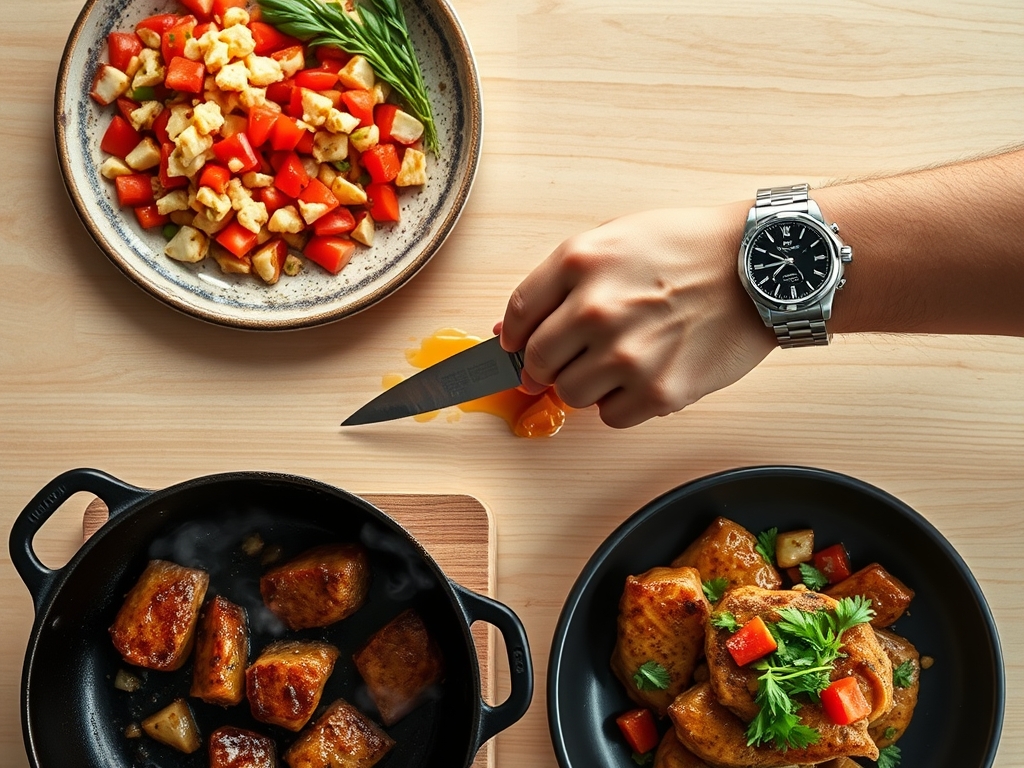
Use a paper towel to press every drop of moisture from the skin and flesh of the salmon. Moisture is the enemy of the sear. If the surface is damp, the energy from the pan will go toward evaporating water rather than browning the proteins.
Pro Tip: This is known as surface desiccation. By removing water, you allow the surface temperature to exceed 212 degrees Fahrenheit instantly, triggering the Maillard reaction for that golden-brown crust.
2. The High-Heat Introduction
Add your oil to the skillet and wait for the first sign of a shimmering "wispy" smoke. Place the salmon skin-side down (or flesh-side down if skinless) using tongs. Press down gently for ten seconds to ensure full surface contact.
Pro Tip: This initial pressure prevents the protein fibers from contracting and curling, which ensures an even cook and prevents the "bowing" effect often seen in amateur salmon recipes honey garlic.
3. The Infusion Phase
Once the salmon is 70 percent cooked through (you will see the color change creep up the side), flip the fillets. Immediately add your minced garlic and a knob of butter. Use a spoon to infuse the butter with the garlic oils, tilting the pan to pool the fat at the bottom.
Pro Tip: Butter contains milk solids that brown and provide a nutty aroma. This beurre noisette stage adds a layer of flavor that oil alone cannot provide.
4. The Glaze Reduction
Pour your honey, soy sauce, and lemon juice mixture directly into the pan. It will bubble violently as the water evaporates. Use your spoon to continuously baste the top of the salmon with the thickening liquid.
Pro Tip: This is a process of reduction. As the water leaves the sauce, the sugar concentration increases, creating a viscous glaze that clings to the fish through molecular adhesion.
5. The Thermal Carryover
Remove the pan from the heat when the salmon is just shy of your desired doneness. The internal temperature will continue to rise even after the fish is plated.
Pro Tip: This is thermal carryover. Salmon is best at an internal temperature of 125 degrees Fahrenheit for medium-rare. If you wait until it looks "done" in the pan, it will be overcooked by the time you eat.
The Deep Dive
Macro Nutrition:
A standard serving of this honey-garlic salmon provides approximately 34g of protein, 14g of healthy fats (primarily Omega-3s), and 12g of carbohydrates from the honey. It is a powerhouse of brain-boosting nutrients and lean energy.
Dietary Swaps:
- Vegan: Use "banana blossom" or firm tofu blocks pressed to remove moisture. Use agave instead of honey.
- Keto: Replace honey with a brown sugar substitute (erythritol-based) and use xanthan gum to thicken the sauce.
- GF: Ensure your soy sauce is certified gluten-free or use tamari.
The Fix-It: Common Pitfalls
- The Sauce is Too Thin: Continue to deglaze and reduce the sauce for another 60 seconds. If it still won't thicken, a tiny pinch of cornstarch whisked into cold water will fix it instantly.
- The Garlic is Bitter: You likely added the garlic too early. Next time, wait until the final two minutes. To fix it now, add a squeeze of extra lemon to mask the bitterness.
- The Skin is Soggy: You likely flipped too early or used too much oil. Use a bench scraper to gently lift the fish and ensure the skin is crisp before the final glaze.
Meal Prep & Reheating:
To maintain "day-one" quality, do not microwave on high. The high frequency agitates the fat molecules too quickly, making the fish "pop" and dry out. Reheat in a 275-degree oven covered with foil for 8 minutes to preserve the emulsification of the sauce.
The Wrap-Up
You have just mastered one of the most reliable salmon recipes honey garlic in existence. By respecting the science of the sear and the timing of the glaze, you have turned a simple protein into a high-density flavor bomb. This dish is proof that you do not need hours in the kitchen to produce something that feels like a luxury. Now, grab your fork, flake into that succulent center, and enjoy the fruits of your chemical labor. You earned it.
The Kitchen Table
Can I use frozen salmon for this recipe?
Yes, but you must thaw it completely in the refrigerator. Pat it extremely dry with paper towels. Frozen fish often releases more albumin (the white protein), so a quick brine in salt water can help minimize this for a cleaner look.
How do I stop the honey from burning in the pan?
Add the honey mixture only during the final two to three minutes of cooking. The high sugar content in honey causes it to burn at temperatures above 350 degrees Fahrenheit. Keeping the heat medium-high ensures caramelization without carbonization.
What is the best side dish for honey garlic salmon?
To balance the sweetness of the glaze, pair it with something acidic or earthy. Steamed bok choy, jasmine rice with lime zest, or roasted asparagus with a dusting of parmesan are excellent choices that complement the viscous sauce.
Is it better to cook salmon with the skin on?
Absolutely. The skin acts as a thermal barrier, protecting the delicate flesh from the direct heat of the heavy-bottomed skillet. It also contains a high concentration of Omega-3 fatty acids which render out and flavor the meat during cooking.