
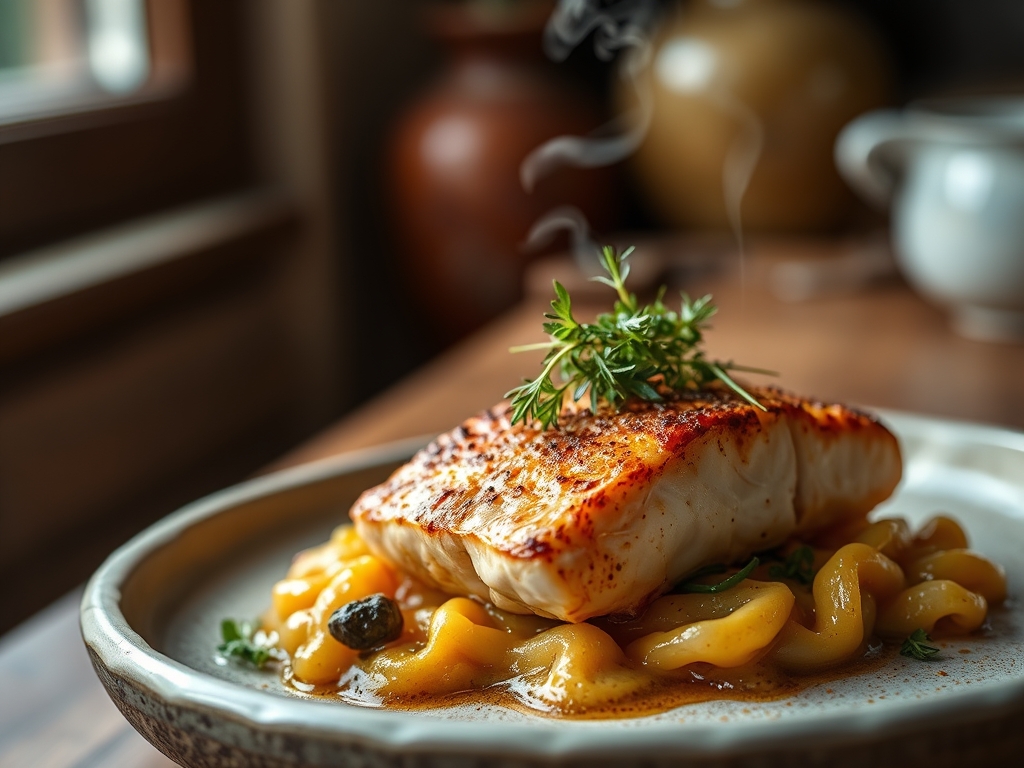
Imagine a pantry staple transformed into a five-star centerpiece by the sheer power of molecular chemistry. We are moving far beyond the basic salad sandwich. When you master chicken of sea salmon recipes, you are essentially working with a pre-cooked, high-protein canvas that has already undergone the gentle thermal processing required to lock in moisture and omega-3 fatty acids. The scent should be clean and oceanic, not aggressive. We are looking for that specific, flakey architecture that allows sauces to cling to every crevice. By understanding how to manipulate protein structures and lipid emulsification, we can elevate a simple pouch or can into a dish that rivals any fresh fillet. This is about the intersection of convenience and culinary precision. We will use acidity to brighten the fats and high-heat searing to induce the Maillard reaction on the surface of our salmon cakes. Grab your apron and your favorite heavy-bottomed skillet; we are about to turn your kitchen into a high-end bistro using nothing but smart techniques and a few pantry essentials.
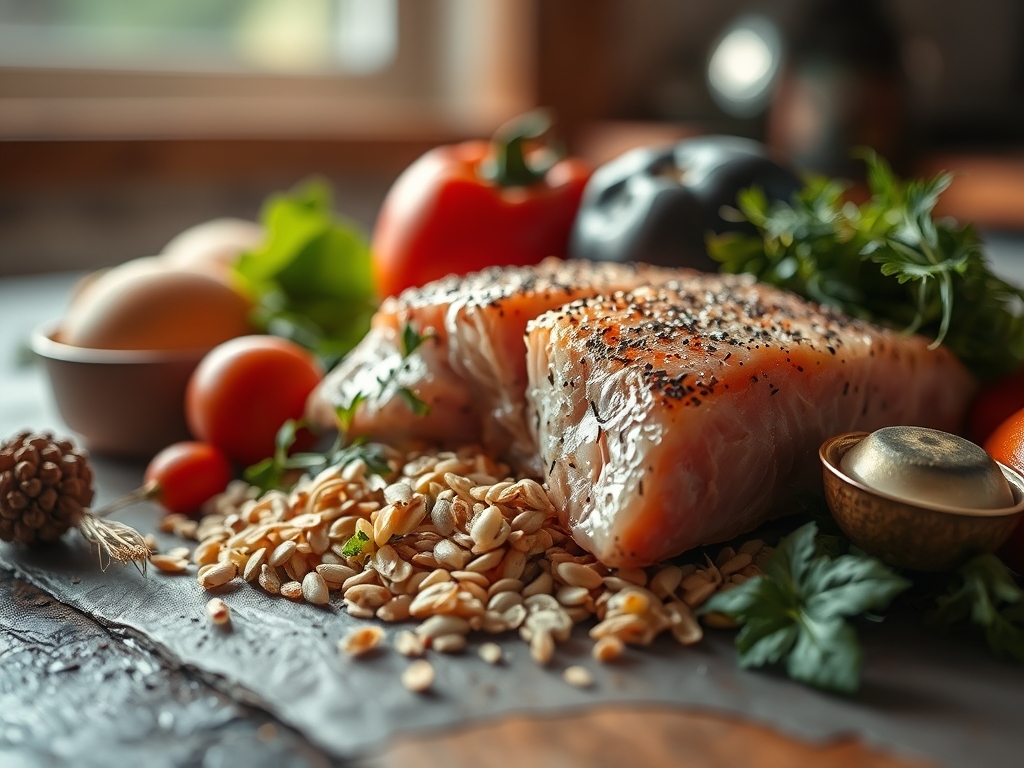
The Gathers:
To execute these hacks, your mise-en-place must be precise. Start with high-quality pink or red salmon. You will need a viscous binding agent like Greek yogurt or a high-fat Kewpie mayonnaise to ensure the protein does not dry out during secondary heating. Fresh aromatics are non-negotiable. Use a microplane to zest lemons and grate fresh ginger; this increases the surface area and allows the essential oils to infuse the fish more effectively. For texture, gather panko breadcrumbs or crushed pork rinds for a keto-friendly crunch. You will also need a piquant element like capers or finely diced cornichons to cut through the richness of the fish oils.
Smart Substitutions: If you lack fresh citrus, a splash of rice vinegar provides the necessary pH balance to brighten the dish. For those avoiding eggs, a "flax egg" (ground flaxseed mixed with water) creates a mucilaginous texture that mimics the binding properties of albumin. If you find the salmon too lean, a small amount of rendered bacon fat or duck fat added to the mix will provide a luxurious mouthfeel and deeper flavor profile.
The Clock:
The "Chef's Flow" is all about overlapping tasks to minimize downtime. Total active prep time for most chicken of sea salmon recipes is approximately 12 minutes, with cook times ranging from 5 to 15 minutes depending on the application. Start by draining your salmon thoroughly; moisture is the enemy of a crisp sear. While the salmon air-dries on a paper towel, perform your knife work. Use a sharp chef's knife to create a fine brunoise of your vegetables. By the time your aromatics are prepped, your heavy-bottomed skillet should be preheating over medium-high heat. This sequence ensures that the cold ingredients hit a hot surface immediately, preventing sticking and ensuring a rapid temperature transition.
The Masterclass:
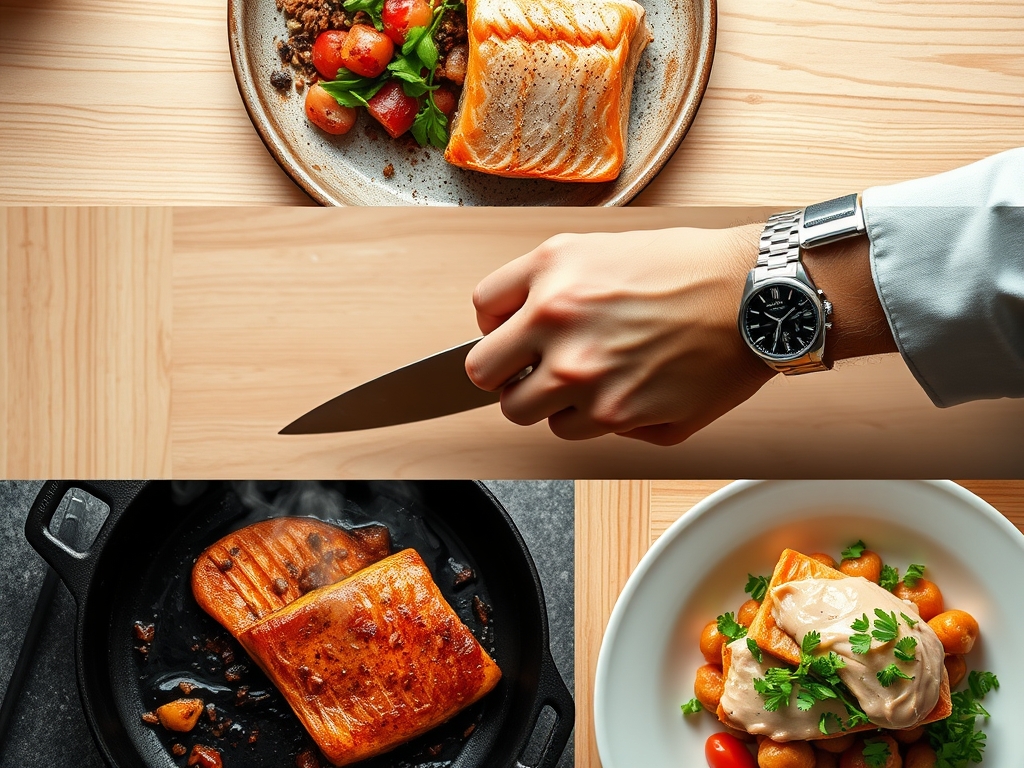
1. The Ultimate Crispy Salmon Cake
Drain the salmon and flake it gently into a stainless steel mixing bowl. Fold in your binder, aromatics, and a handful of panko. Form into uniform patties using a kitchen scale for consistency. Sear in a neutral oil with a high smoke point until a deep golden crust forms.
Pro Tip: This relies on the Maillard reaction, a chemical reaction between amino acids and reducing sugars that gives browned food its distinctive flavor. Ensure the pan is not overcrowded, which would cause the temperature to drop and steam the fish instead of searing it.
2. The Salmon Mousse Infusion
Place the salmon in a food processor with softened cream cheese, dill, and a touch of horseradish. Pulse until the mixture is aerated and smooth. This incorporates tiny air bubbles into the fats, creating a light, cloud-like texture that is perfect for piping onto cucumbers.
Pro Tip: Cold fats hold air better than warm ones. Ensure your cream cheese is slightly below room temperature to maintain the structural integrity of the mousse while still allowing it to be pliable.
3. Zesty Salmon Pasta Deglaze
Sauté garlic and shallots in a saucier, then add the salmon. Once the fish is heated through, pour in a splash of dry white wine to deglaze the pan. The alcohol acts as a solvent, pulling up the concentrated flavors (fond) stuck to the bottom.
Pro Tip: Deglazing utilizes the principle of solubility. The acid in the wine balances the alkaline nature of the fish, creating a complex, harmonious sauce base that coats the pasta perfectly.
4. The Umami Salmon Power Bowl
Toss flaked salmon with soy sauce, toasted sesame oil, and sriracha. Serve over warm quinoa with avocado and pickled ginger. The combination of fermented soy and fatty fish creates a massive umami bomb that satisfies the savory receptors on your tongue.
Pro Tip: This dish utilizes synergistic umami. The glutamates in the soy sauce enhance the naturally occurring inosinates in the salmon, making the flavor taste significantly more intense than the sum of its parts.
5. Salmon Tacos with Lime Crema
Lightly warm the salmon in a pan with cumin and smoked paprika. Use tongs to char corn tortillas directly over a gas flame. Top with a crema made of lime juice and sour cream to provide a sharp, acidic contrast to the smoky fish.
Pro Tip: Charring the tortillas causes pyrolysis, which creates bitter carbon notes that beautifully offset the sweetness of the corn and the richness of the salmon.
6. The Sophisticated Salmon Frittata
Whisk eggs with a splash of heavy cream and fold in the salmon and fresh spinach. Pour into a cast-iron skillet and bake until the center just barely jiggles. The residual heat will finish the cooking process through thermal carryover.
Pro Tip: Stop cooking when the internal temperature reaches 160 degrees Fahrenheit. The temperature will continue to rise about 5 degrees after removal from the oven, preventing the eggs from becoming rubbery and dry.
7. Mediterranean Salmon Salad
Combine salmon with chickpeas, kalamata olives, feta, and a lemon-oregano vinaigrette. Use a bench scraper to easily transfer chopped herbs from your cutting board to the bowl without losing any flavorful juices.
Pro Tip: The salt in the olives and feta acts as a denaturant, slightly firming up the texture of the salmon and making the salad hold up better for meal prep.
8. Salmon Stuffed Peppers
Mix salmon with cooked rice, tomato sauce, and herbs. Stuff into bell pepper halves and top with mozzarella. Bake until the peppers are tender and the cheese is bubbling and browned.
Pro Tip: The sugars in the bell peppers undergo caramelization at high temperatures, which provides a sweet counterpoint to the savory, salty salmon filling.
The Deep Dive:
When we look at the macro nutrition of chicken of sea salmon recipes, we are seeing a powerhouse of lean protein and heart-healthy fats. A standard serving provides roughly 20 grams of protein with minimal carbohydrates, making it an ideal candidate for Keto and Paleo lifestyles. For a Vegan swap, one might use mashed chickpeas or "hearts of palm" to mimic the flakey texture, though the nutritional profile will shift toward carbohydrates.
The Fix-It:
- Too Salty: If your mixture tastes like the ocean, add a starch like mashed potatoes or extra unsalted breadcrumbs to dilute the sodium concentration.
- Falling Apart: If your cakes crumble, you likely have too much moisture or not enough binder. Add a tablespoon of flour or an extra egg yolk to increase the structural "glue."
- Metallic Taste: This sometimes happens with canned goods. A heavy dose of acidity (lemon juice or vinegar) will neutralize those metallic ions and refresh the palate.
Meal Prep Science: To reheat salmon without the "fishy" aroma, use low and slow heat. Avoid the microwave if possible; it vibrates water molecules too violently, causing the delicate oils to oxidize and smell. Use a toaster oven at 300 degrees Fahrenheit to gently bring the protein back to temperature.
The Wrap-Up:
You are now officially equipped to turn a simple shelf-stable ingredient into a culinary masterpiece. By focusing on the science of heat, the balance of acidity, and the precision of professional tools, you have elevated the humble salmon pouch to new heights. These chicken of sea salmon recipes are not just about convenience; they are about the smart application of technique to create high-density nutrition that tastes incredible. Go ahead, show off that perfect sear and that velvety mousse. Your kitchen is your laboratory, and you are the head scientist.
The Kitchen Table:
How do I stop salmon cakes from sticking?
Ensure your skillet is properly preheated before adding oil. Use a thin-slotted fish spatula to gently lift the edge; if it resists, the crust hasn't fully formed yet. Wait for the Maillard reaction to naturally release the protein from the pan.
Can I use salmon pouches instead of cans?
Yes, pouches often contain less liquid, meaning you won't need to drain them as aggressively. The texture is typically firmer, making pouches ideal for salads or bowls where you want distinct, visible flakes of fish.
Is canned salmon already cooked?
Yes, it is flash-cooked during the canning process to ensure shelf stability and food safety. Your goal in recipes is simply to reheat or transform the texture, not to "cook" it in the traditional sense.
How long does opened salmon last in the fridge?
Once opened, transfer the salmon to an airtight glass container immediately. It will maintain peak quality for two to three days. Always trust your nose; if it smells overly pungent or sour, discard it immediately.