
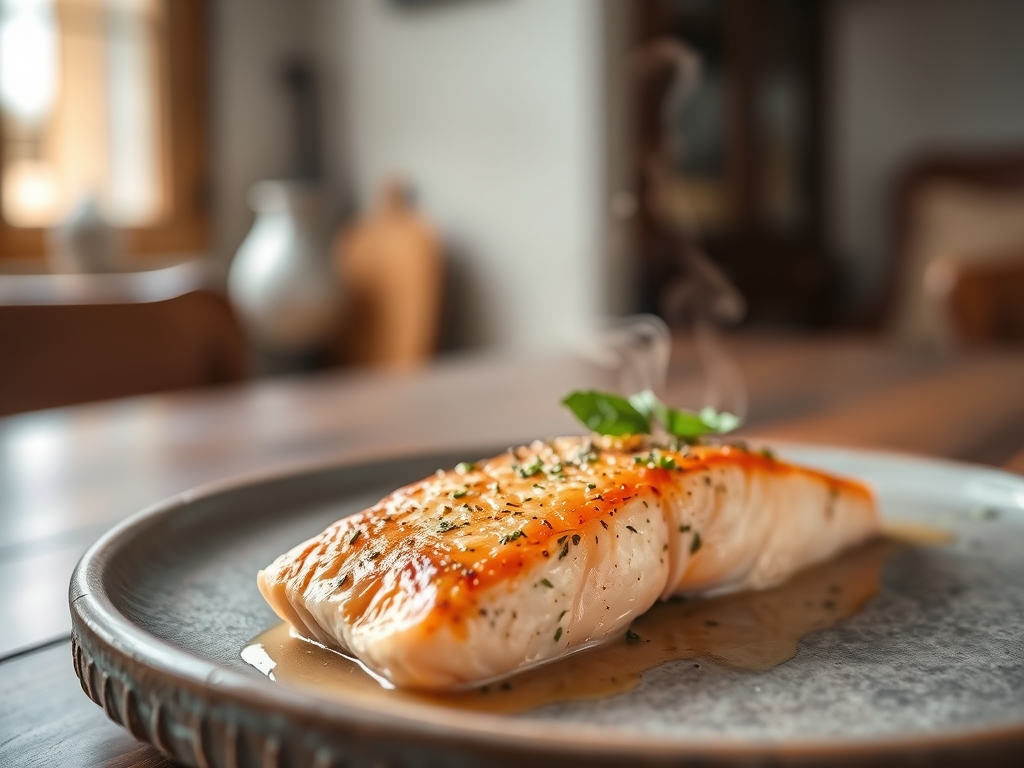
Imagine the Atlantic mist clinging to the rugged cliffs of County Clare while a heavy-bottomed skillet hisses on a gas flame. There is a specific magic to the way the Irish treat their fish; it is a blend of rugged tradition and refined technique that turns a simple fillet into a masterpiece of texture and salt. When you search for authentic salmon recipes ireland, you are looking for more than just a meal; you are seeking that perfect balance of crispy, parchment-thin skin and a translucent, buttery center that flakes at the mere suggestion of a fork. We are going to dive deep into the molecular mechanics of the perfect sear today. Forget those dry, overcooked slabs of the past. We are embracing the science of protein coagulation and the beauty of Irish butter to create something truly transcendent. Grab your apron and a glass of crisp white wine; we are about to turn your kitchen into a high-end Dublin bistro.
The Gathers:
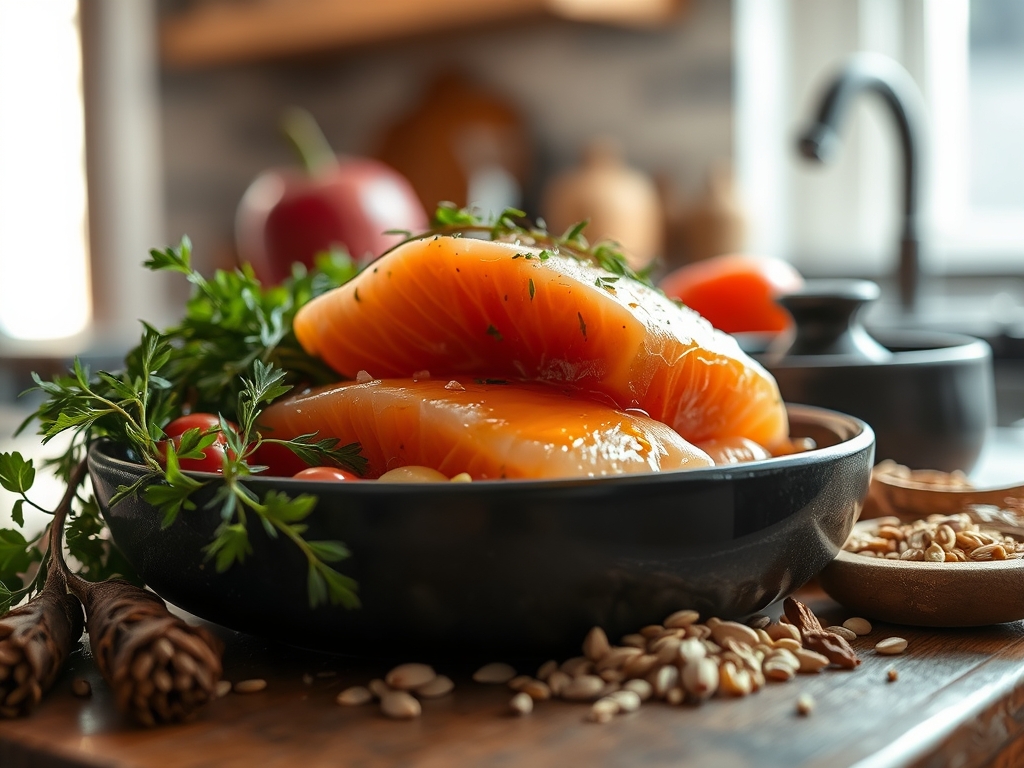
To achieve the gold standard of salmon recipes ireland, your mise-en-place must be precise. Start with four 6-ounce center-cut fillets of Atlantic salmon. Look for deep pigmentation, which indicates a high concentration of astaxanthin, a powerful antioxidant. You will need 50 grams of high-fat Irish butter; the higher butterfat content compared to standard commercial butter ensures a more viscous mouthfeel and a higher smoke point for the finishing baste.
Gather your aromatics: three cloves of garlic (smashed to release the allicin), a handful of fresh dill, and two lemons. For the technical elements, keep a bottle of neutral oil with a high smoke point, like grapeseed or avocado oil, nearby. You will also need flaky sea salt and cracked black pepper.
Smart Substitutions: If you cannot find fresh dill, use fennel fronds for a similar piquant anise note. For a dairy-free version, swap the butter for a high-quality vegan block that contains coconut oil; this mimics the saturated fat structure needed for a proper emulsion during the pan-sauce phase.
The Clock
Efficiency in the kitchen is about mastering the Chef's Flow. This entire process takes approximately 25 minutes from fridge to table. Your prep time is a tight 10 minutes, focusing on drying the fish and prepping the aromatics. The actual cook time is 12 minutes, but do not be fooled by the brevity. This is an active 12 minutes where you will be monitoring heat levels and managing thermal carryover. Allow for a 3-minute resting period on a warm plate to let the muscle fibers relax and reabsorb the internal juices.
The Masterclass
1. The Desiccation Phase
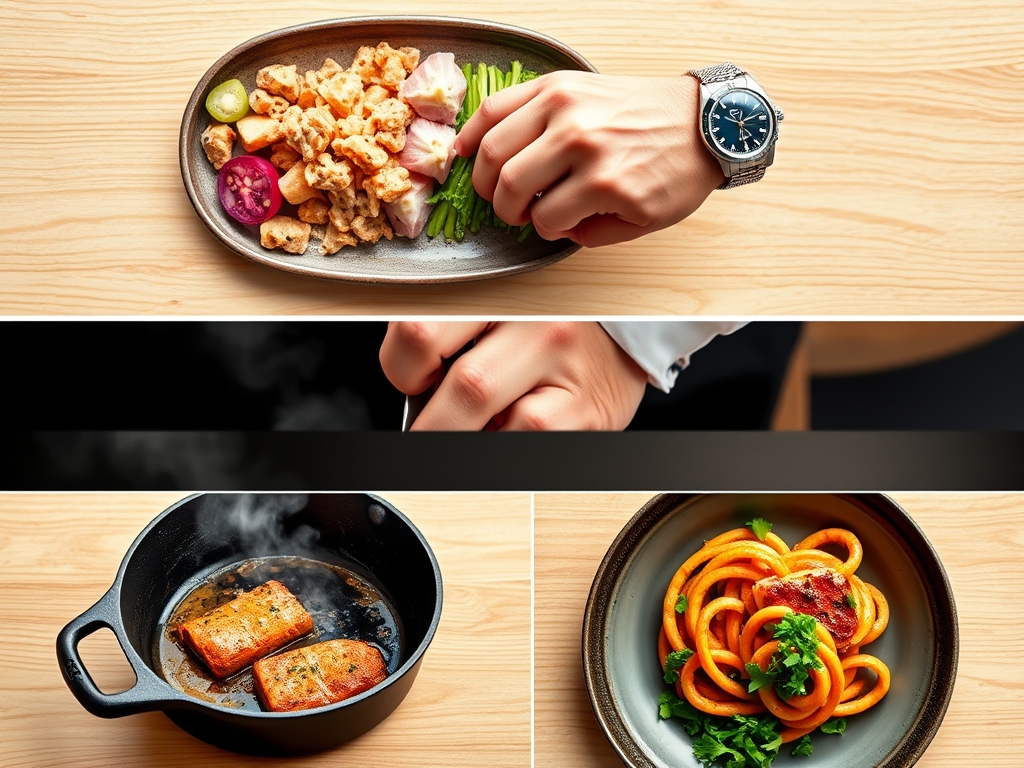
Before the fish even touches the pan, you must use a paper towel to pat the skin bone-dry. Any residual moisture will turn into steam, preventing the Maillard reaction and leaving you with rubbery skin. Use a sharp chef's knife or a bench scraper to gently scrape the skin side to remove hidden droplets of water.
Pro Tip: This is about latent heat of vaporization. If there is water on the surface, the pan's energy goes into boiling that water at 212 degrees Fahrenheit rather than searing the protein at 350 degrees. Drying ensures immediate browning.
2. The Cold-Start Tension
Place your heavy-bottomed skillet over medium-high heat. Add your neutral oil. Once the oil shimmers, place the salmon skin-side down. Use your tongs or a fish spatula to press down firmly on each fillet for 30 seconds. This prevents the skin from curling as the collagen fibers contract.
Pro Tip: Pressing the fish ensures maximum surface area contact. This facilitates even conduction, preventing "hot spots" where the skin might burn while other areas remain pale and flaccid.
3. The Render and Crisp
Lower the heat slightly to medium. Allow the salmon to cook skin-side down for about 80 percent of the total cooking time. You will see the opaque color creeping up the sides of the fillet. This slow rendering of the subcutaneous fat layer creates a natural non-stick barrier and a potato-chip-like crunch.
Pro Tip: This technique protects the delicate protein from direct heat. The skin acts as a thermal buffer, allowing the interior to reach the ideal temperature without the exterior becoming tough or "chalky."
4. The Irish Butter Baste
Once the skin is shattered-glass crispy, flip the fillets. Immediately drop your Irish butter, smashed garlic, and dill into the pan. As the butter foams, tilt the pan and use a large spoon to infuse the hot, bubbling fat over the skin.
Pro Tip: This is called arroser. The foaming butter is a sign that water is evaporating and the milk solids are undergoing enzymatic browning, which adds a nutty, toasted dimension to the fish.
5. The Acidic Deglaze
Remove the salmon from the pan while it is still slightly translucent in the center. Squeeze half a lemon into the remaining butter and garlic. Use a saucier whisk or a spoon to scrape up the browned bits (the fond) from the bottom of the pan.
Pro Tip: Adding acid at the end creates a temporary emulsification with the butter. This cuts through the richness of the omega-3 fats in the salmon, balancing the palate and brightening the flavor profile.
The Deep Dive
From a macro perspective, this dish is a nutritional powerhouse. A single serving provides roughly 34 grams of high-quality protein and 18 grams of healthy fats. It is naturally gluten-free and fits perfectly into a Keto lifestyle. For vegans, you can apply these same searing techniques to thick slabs of "Lion's Mane" mushroom or extra-firm tofu that has been pressed for two hours.
The Fix-It:
- White Gunk (Albumin): If you see white liquid seeping out, your heat is too high. This is protein being squeezed out of the muscle fibers. Lower the heat and pull the fish sooner.
- Sticking Skin: You likely tried to flip too early. The fish will naturally release from the pan once the proteins have fully denatured and browned.
- Soggy Bottoms: Never rest the salmon skin-side down on a flat plate. Rest it on a wire rack or skin-side up to allow steam to escape.
Meal Prep Science: To reheat, avoid the microwave at all costs. The high-frequency waves agitate water molecules, "steaming" the fish from the inside out and making it rubbery. Instead, use a toaster oven at 275 degrees with a splash of water in the tray to create a gentle, humid environment that preserves the viscous texture.
The Wrap-Up
Mastering salmon recipes ireland is about respecting the raw ingredients and understanding the physics of the pan. When you combine the high-fat content of premium Irish butter with the technical precision of a long, skin-side-down sear, you create a dish that is both rustic and incredibly sophisticated. This is the kind of cooking that fills a home with warmth and makes you feel like a professional stylist in your own kitchen. Now, get that skillet screaming hot and show that Atlantic salmon who is boss.
The Kitchen Table
How do I keep salmon skin from sticking?
Ensure the pan and oil are shimmering hot before adding the fish. Pat the skin completely dry with paper towels. Once placed, do not move the fillet for at least three minutes to allow the protein to sear and release naturally.
What is the best temperature for cooked salmon?
For a moist, buttery texture, aim for an internal temperature of 125 to 130 degrees Fahrenheit. This is considered medium-rare to medium. Remember that thermal carryover will increase the temperature by about five degrees while the fish rests.
Can I use frozen salmon for Irish recipes?
Yes, but thaw it slowly in the refrigerator for 24 hours. Frozen fish cells often rupture, releasing more moisture. You must be extra diligent about drying the surface to ensure the Maillard reaction occurs during the searing process.
Why use Irish butter specifically?
Irish butter is cultured and has a higher butterfat percentage than standard butter. This results in a lower water content, meaning it browns more evenly and provides a richer, more viscous sauce when deglazing the pan with lemon juice.