
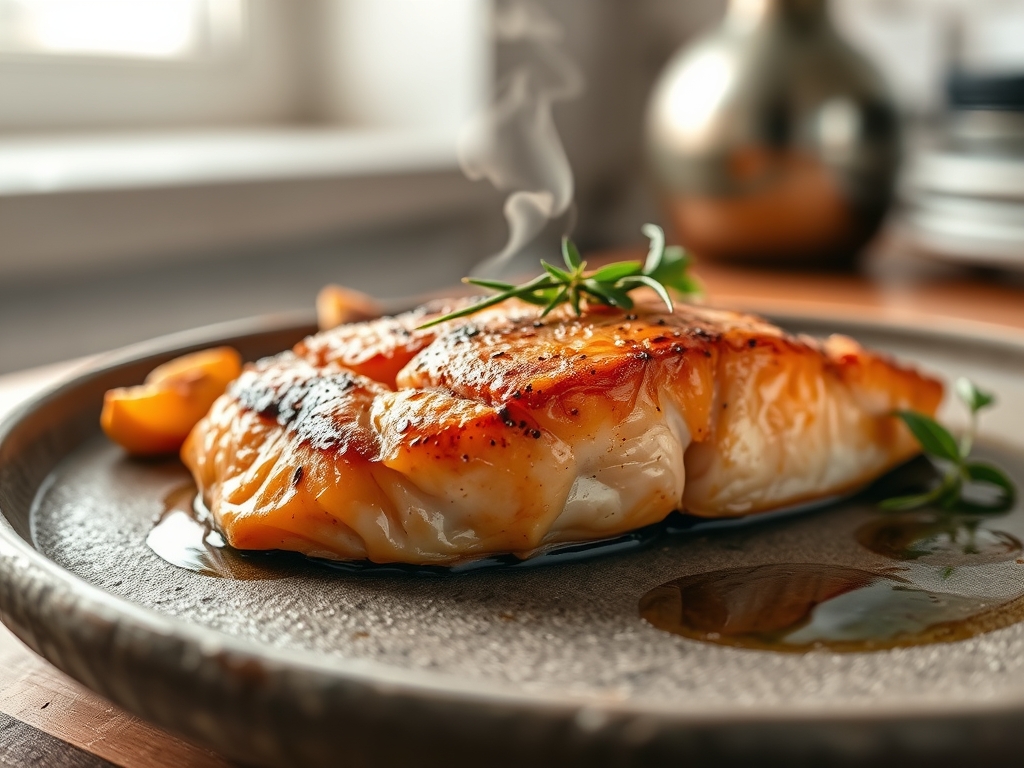
Imagine a kitchen filled with the scent of citrus zest and warm olive oil; it is the olfactory equivalent of a cashmere blanket. When you search for slow roasted salmon recipes, you are likely tired of the rubbery, gray-tinged fillets that result from high-heat searing. We are pivoting toward a method that treats the fish like a delicate custard. This technique transforms the protein into something translucent and buttery, where the flakes slide apart under the mere weight of a fork. It is not just cooking; it is a controlled thermal event that preserves the integrity of the omega-3 fatty acids while creating a texture that feels like pure luxury. We are aiming for a saturation of flavor that high-intensity heat simply cannot achieve. By lowering the temperature, we invite the moisture to stay exactly where it belongs: inside the cellular structure of the fish. This is the ultimate dinner party flex because it is virtually impossible to overcook. You get to be the effortless host while the oven does the heavy lifting of gentle heat exchange.
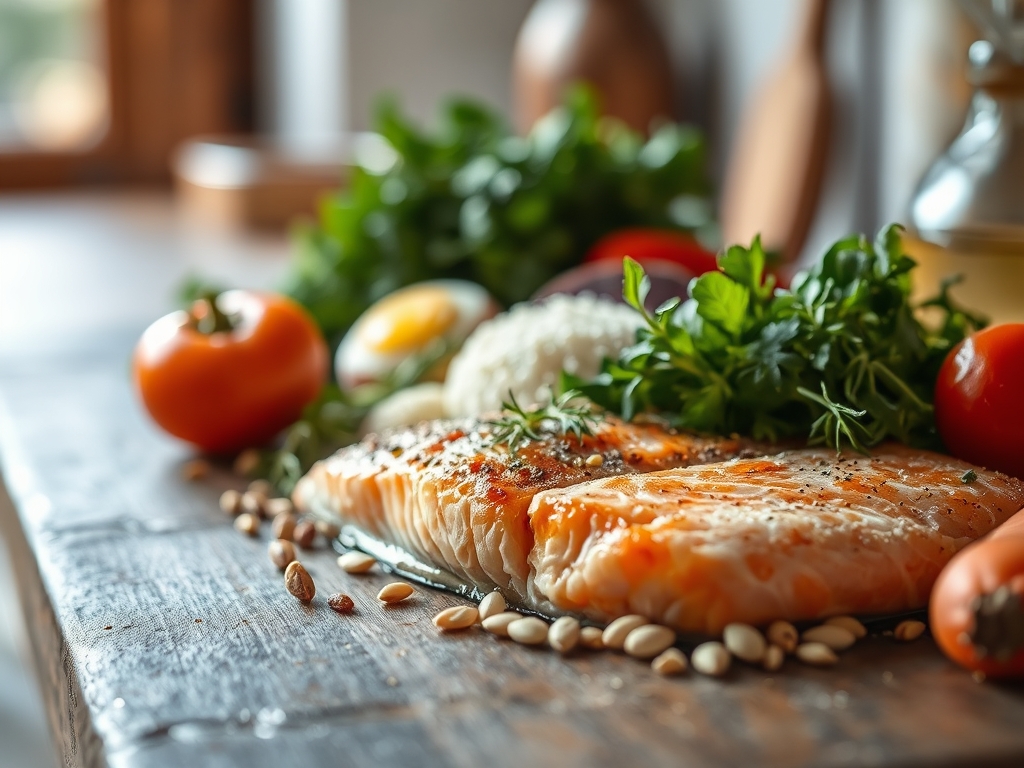
The Gathers:
To begin, we must assemble our mise-en-place with the precision of a laboratory. You will need a side of salmon, ideally center-cut for uniform thickness. Look for wild-caught varieties like King or Sockeye for a viscous mouthfeel, though high-quality farmed Atlantic salmon offers a higher fat content that is incredibly forgiving. You will need a heavy-bottomed baking sheet or a ceramic gratin dish to act as a heat sink.
Gather high-quality extra virgin olive oil; we are looking for something with a piquant finish to cut through the richness of the fish. You will also need a microplane for zesting lemons and oranges, kosher salt for its jagged crystal structure that adheres better to flesh, and fresh aromatics like dill, fennel fronds, or thinly sliced shallots.
Smart Substitutions: If you are avoiding nightshades, swap chili flakes for cracked pink peppercorns to maintain that floral heat. If you lack a citrus zester, a sharp vegetable peeler can create wide strips of rind that infuse the oil without burning. For those seeking a deeper umami profile, a teaspoon of white miso whisked into the oil provides a savory backbone that mimics the depth of a long-simmered broth.
The Clock
The "Chef's Flow" for this recipe is remarkably relaxed. Your active prep time is a mere ten minutes, mostly spent on the aeration of your herbs and the precise slicing of your aromatics. The roasting period typically spans 25 to 35 minutes depending on the thickness of the fillet. However, the secret stage is the 5-minute rest period.
Unlike a steak that requires resting to redistribute juices, salmon rests to allow the thermal carryover to finish the job. If you pull the fish at an internal temperature of 120 degrees Fahrenheit, it will gently coast to a perfect 125 degrees while sitting on your counter. Total time from fridge to table is roughly 45 minutes, making this one of the most efficient slow roasted salmon recipes for a weeknight or a high-stakes gala.
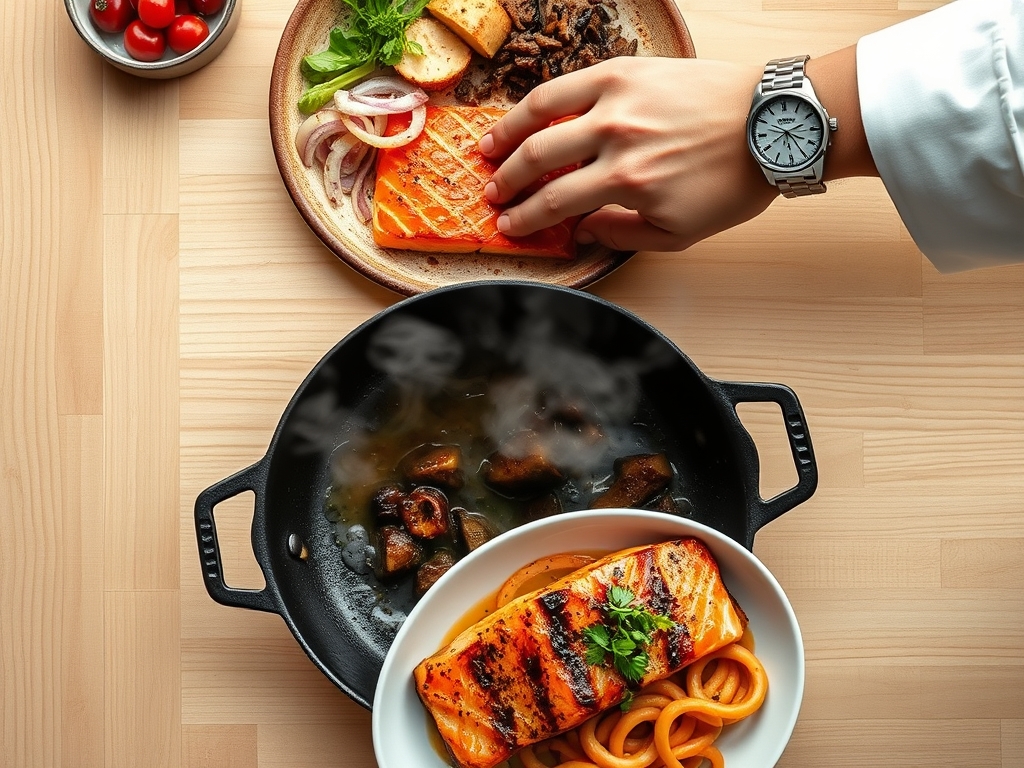
The Masterclass
1. Temper the Protein
Remove your salmon from the refrigerator at least 20 minutes before cooking. Use a bench scraper to move the fish onto a clean surface and pat it bone-dry with paper towels. Removing surface moisture is critical even in slow roasting to prevent the fish from steaming in its own juices.
Pro Tip: This process reduces the "thermal shock" when the fish enters the oven, ensuring the exterior does not tighten and squeeze out albumin, that white protein that looks like foam.
2. The Oil Bath
Place the salmon in your roasting dish and pour over a generous amount of olive oil. You want the fish to be nearly submerged halfway. This creates a confit-like environment.
Pro Tip: The oil acts as a thermal insulator, slowing down the heat transfer even further and preventing the edges from drying out before the center is opaque.
3. Aromatic Infusion
Scatter your citrus zest, herbs, and sliced shallots directly into the oil and over the fish. Use your fingers to massage the aromatics into the flesh.
Pro Tip: Essential oils in herbs are fat-soluble. By placing them in the oil bath, you infuse the entire roasting medium with flavor that penetrates deep into the muscle fibers.
4. Low and Slow Firing
Slide the tray into a 275-degree Fahrenheit oven. This low temperature ensures the collagen between the muscle layers breaks down slowly without the protein fibers contracting violently.
Pro Tip: Keeping the temperature below 300 degrees prevents the Maillard reaction on the surface, which we actually want to avoid here to maintain that silky, poached texture.
5. The Flake Test
Check the fish at the 20-minute mark. Use a fork to gently press on the thickest part of the fillet. If the layers begin to separate easily, it is nearing completion.
Pro Tip: Using a digital scale or thermometer is safer; aim for an internal temperature of 120 degrees for a medium-rare center that melts in the mouth.
6. The Acid Brightener
Once removed from the oven, immediately squeeze fresh lemon juice over the top. The heat of the fish will slightly deglaze the seasoned oil on the pan, creating a built-in sauce.
Pro Tip: Adding acid at the very end preserves the bright, top-note flavors that would otherwise be muted by the roasting process.
7. The Resting Phase
Transfer the fish to a serving platter using two large tongs or a wide fish spatula. Let it sit for five minutes.
Pro Tip: This allows the internal fats to slightly solidify, making the fish easier to portion without it shattering into a mess.
8. The Texture Garnish
Add a sprinkle of flaky sea salt and fresh herbs just before serving.
Pro Tip: The contrast between the soft, fatty fish and the crunchy salt crystals provides a necessary sensory counterpoint that keeps the palate engaged.
9. The Emulsified Drizzle
Spoon the leftover roasting oil from the pan into a small saucier. Whisk in a dollop of Dijon mustard to create a quick emulsion.
Pro Tip: The mustard acts as an emulsifier, binding the flavored oil and citrus juices into a thick, glossy sauce that clings to the fish.
The Deep Dive
From a macro nutrition perspective, slow roasted salmon is a powerhouse. A 6-ounce serving provides roughly 34 grams of high-quality protein and is rich in Vitamin B12 and Selenium. Because we are using healthy fats like olive oil, the heart-healthy profile remains intact.
For Dietary Swaps, this recipe is naturally Keto and Gluten-Free. To make it Vegan, you can apply this exact "slow-oil" method to thick slabs of cauliflower or heirloom carrots, though the cooking time will increase to 45 minutes to ensure the core is tender.
The Fix-It:
- White Stuff Appearing: This is albumin. It means your oven is too hot. Lower the temp by 25 degrees next time.
- Soggy Skin: Slow roasting does not crisp skin. If you want crunch, finish the skin-side down in a heavy-bottomed skillet for 60 seconds after roasting.
- Bland Flavor: You likely under-salted. Salt the fish both before it goes in and right before it hits the table to layer the seasoning.
Meal Prep: To reheat, do not use a microwave. The high-frequency waves will turn the fats rancid and the texture rubbery. Instead, place the salmon in a cold oven, set it to 250 degrees, and pull it out the moment the oven reaches temperature. This gentle "re-warming" preserves the day-one quality.
The Wrap-Up
Mastering slow roasted salmon recipes is like learning a secret handshake in the culinary world. It signals that you value texture and nuance over raw speed. This method is forgiving, sophisticated, and yields a result that rivals any high-end bistro. Whether you are feeding a crowd or just treating yourself to a quiet Wednesday dinner, remember that the best things in the kitchen usually happen when you just slow down. Grab your finest olive oil, trust the low numbers on the dial, and prepare for the most buttery bite of your life.
The Kitchen Table
How do I know if the salmon is done?
The fish is done when the flesh changes from translucent to opaque and flakes easily with a fork. For precision, use a digital thermometer to find an internal temperature of 120 to 125 degrees Fahrenheit for a perfect medium.
Can I use frozen salmon for slow roasting?
Yes, but you must thaw it completely in the refrigerator first. Pat the thawed fillets extremely dry to remove excess moisture, as frozen fish tends to release more water during the slow roasting process than fresh fillets.
Why is my salmon covered in white foam?
That white substance is albumin, a harmless protein that extrudes when the muscle fibers contract. If you see a lot of it, your oven temperature is likely too high. Slowing the cook down prevents this from happening.
What is the best oil for slow roasting?
Extra virgin olive oil is the gold standard because of its flavor profile. However, avocado oil or grapeseed oil work well if you prefer a neutral base. The oil acts as a thermal jacket to keep the fish moist.
Do I need to flip the salmon?
No flipping is required. The gentle, ambient heat of the oven and the oil bath cook the fish evenly from all sides. This keeps the fillet intact and prevents the delicate skin from tearing or sticking to the pan.