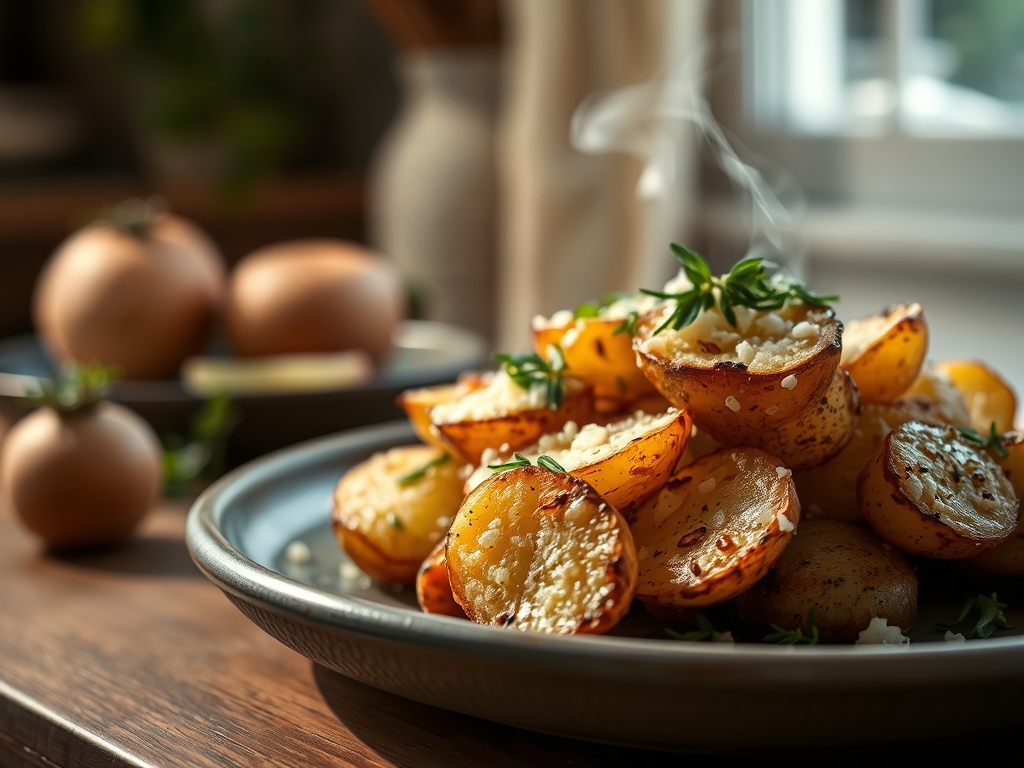
Close your eyes and listen for the sound of a fork hitting a surface that shatters like glass. That specific, high-frequency crackle is the hallmark of the world's best roasted potato recipes with parmesan; it is a culinary symphony of dehydrated starch and toasted proteins. We are moving past the era of soggy, sad spuds and entering a realm where every bite offers a structural contrast between a fluffy, cloud-like interior and a salty, golden-brown crust. Achieving this result is not a matter of luck; it is a matter of manipulating moisture and heat. When you combine the natural sugars of a Russet with the high glutamate content of aged cheese, you create a flavor profile that is scientifically designed to trigger your brain's reward centers. We are going to master the art of the crunch, ensuring your kitchen smells like a high-end bistro while we explore the eight hacks that will transform your side dish game forever.
The Gathers:
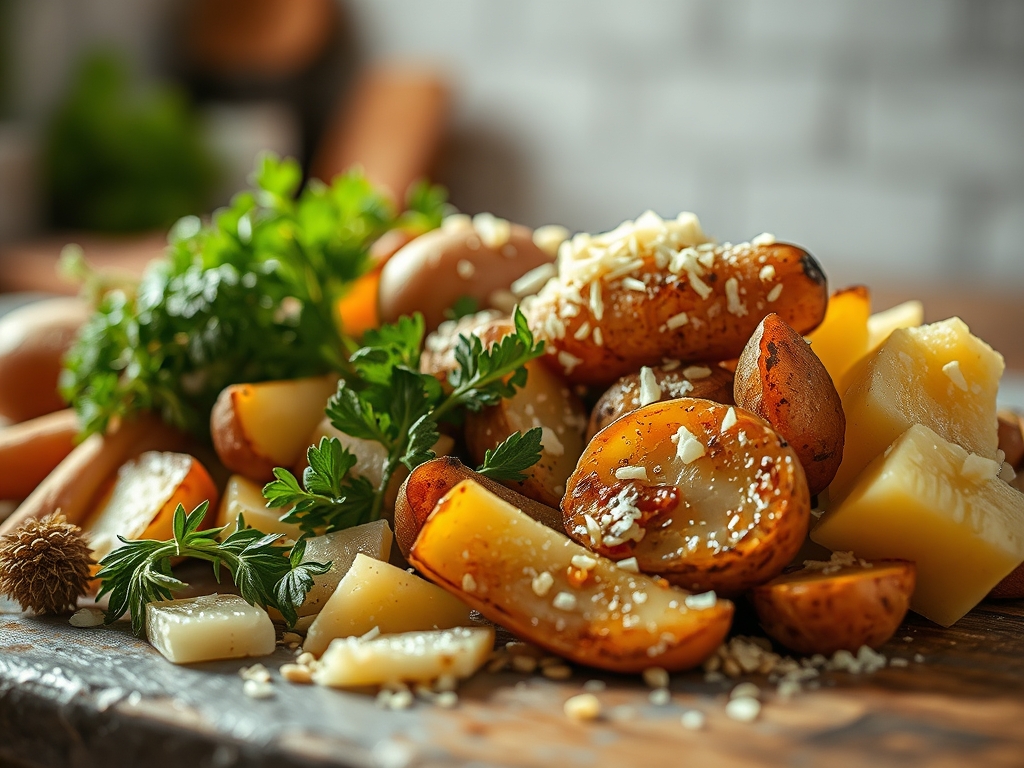
To begin, clear your workspace with a bench scraper and prepare your mise-en-place. You will need high-starch potatoes; specifically, Russets or Yukon Golds. Russets possess a high dry-matter content, which is essential for that crystalline exterior, while Yukons offer a buttery, viscous mouthfeel. You will also need authentic Parmigiano-Reggiano. Avoid the pre-shredded variety in the green can; it contains cellulose anti-caking agents that inhibit melting. Instead, use a microplane to create a snowy pile of fresh cheese that will easily fuse to the potato skin.
For your fats, a mixture of extra virgin olive oil and rendered duck fat or clarified butter provides the best smoke point and flavor profile. Your aromatics should include fresh rosemary, garlic cloves (crushed but left in their skins to prevent burning), and flaky sea salt.
Smart Substitutions:
If you are looking to pivot, swap the parmesan for a dry Pecorino Romano for a more piquant, salty punch. For a spicy kick, infuse your oil with Aleppo pepper or smoked paprika. If you lack fresh herbs, a high-quality dried herbes de Provence will suffice, provided you bloom the herbs in the hot fat first to release their essential oils.
The Clock
Total time for this masterpiece is approximately 65 minutes. Your "Chef's Flow" should look like this: 15 minutes for peeling, chopping, and the initial parboil; 5 minutes for the "rough-up" and seasoning; and 45 minutes of active roasting. The parboil is the most critical phase. It allows the exterior of the potato to gelatinize, creating a starchy slurry that eventually dehydrates into a crunch. While the potatoes roast, use that 45-minute window to prepare your protein or a bright, acidic gremolata to cut through the richness of the cheese.
The Masterclass
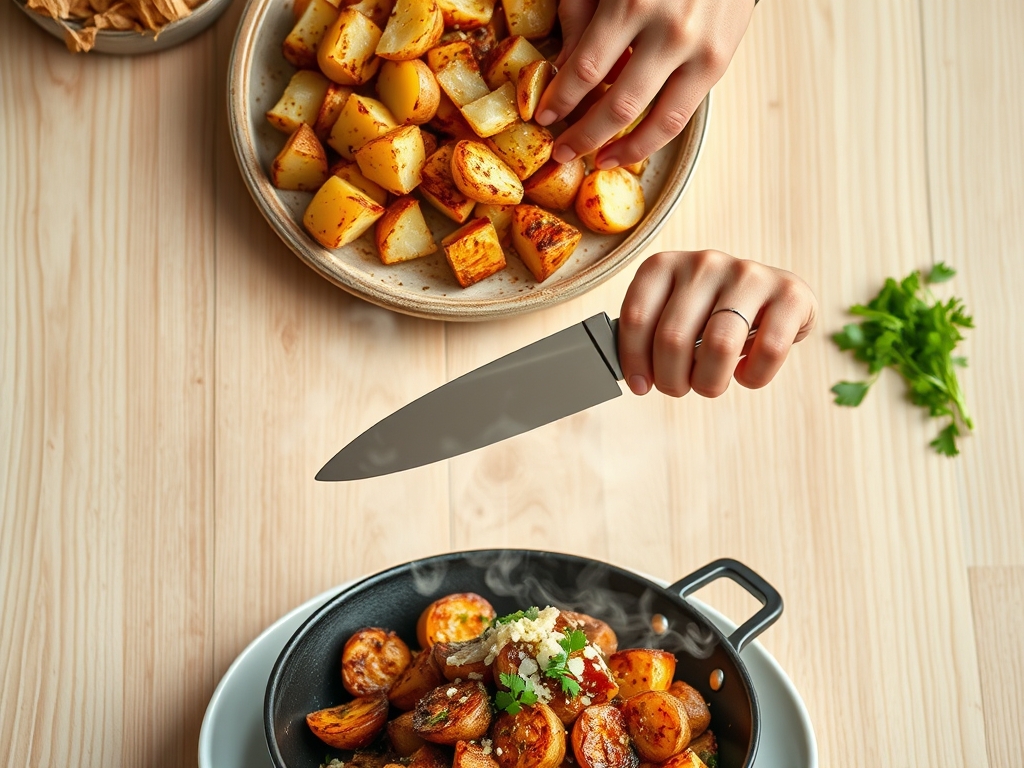
1. The Alkaline Parboil
Place your potato chunks into cold, heavily salted water with half a teaspoon of baking soda. Bring to a boil and simmer until the edges are just tender.
Pro Tip: The baking soda raises the pH of the water, which breaks down the potato's pectin more effectively. This creates a fuzzy, starchy surface area that maximizes enzymatic browning during the roasting phase.
2. The Rough-Up Technique
Drain the potatoes in a colander and let the steam escape for two minutes. Give the colander a vigorous shake until the edges of the potatoes look mashed and frayed.
Pro Tip: This process increases the surface area for the Maillard reaction. More surface area equals more contact with the hot oil, resulting in a thicker, crunchier crust.
3. Infusing the Lipid Base
In a heavy-bottomed skillet or small saucier, warm your oil with the garlic and rosemary until fragrant. Strain the oil over your potatoes, discarding the spent solids to prevent them from scorching in the high-heat oven.
Pro Tip: Fat is a heat conductor. By coating the potatoes in a flavored lipid, you ensure even thermal distribution and infuse the starch with aromatic compounds.
4. The Parmesan Slurry
Toss the oil-coated potatoes with half of your finely grated parmesan and a pinch of cornstarch. The cheese should cling to the "fuzz" created in step two.
Pro Tip: Cornstarch acts as a secondary desiccant. It absorbs any remaining surface moisture, ensuring the parmesan fries against the potato rather than steaming.
5. The Pre-Heated Sheet Pan
Place your empty baking sheet in a 425-degree Fahrenheit oven for ten minutes before adding the potatoes. Use tongs to arrange them in a single layer with space between each piece.
Pro Tip: This utilizes conductive heat to immediately sear the bottom of the potato, preventing it from sticking and ensuring an instant crisp.
6. The Mid-Way Flip
After 25 minutes, use a thin metal spatula to flip each piece. This is when you add the remaining parmesan, letting it fall onto the hot pan to create "cheese lace" or frico.
Pro Tip: Flipping ensures even thermal carryover. If you do not flip, the bottom will overcook while the top remains pale and soft.
7. The Aeration Rest
Once golden and shattering, remove the pan from the oven. Do not let the potatoes sit on the flat pan; move them to a wire cooling rack for three minutes.
Pro Tip: Aeration prevents steam from being trapped under the potato. If left on the pan, the bottom crust will re-absorb moisture and lose its structural integrity.
8. The Final Seasoning
Finish with a dusting of fresh lemon zest and a sprinkle of Maldon salt while the potatoes are still glistening with oil.
Pro Tip: The residual heat will aerate the citrus oils, providing a bright olfactory contrast to the heavy, savory notes of the roasted cheese.
The Deep Dive
From a macro nutrition perspective, potatoes are a powerhouse of potassium and complex carbohydrates. However, the addition of parmesan and fats increases the caloric density. One serving typically contains 280 calories, 12g of fat, and 35g of carbohydrates.
Dietary Swaps:
For a vegan version, utilize nutritional yeast and a touch of white miso paste to mimic the umami of parmesan. For a lower-carb profile, this exact method works surprisingly well with cauliflower florets or radishes, though the roasting time will decrease by half.
The Fix-It:
- Potatoes are sticking: You likely didn't use enough fat or your pan wasn't pre-heated. Use a metal spatula to gently deglaze the pan with a tiny drop of water to release them.
- Cheese is burning: Your oven rack is too high. Move the tray to the center position to balance the radiant heat.
- Soggy centers: You overcrowded the pan. Steam became trapped between the potatoes. Next time, use two pans or a larger surface.
Meal Prep:
To reheat, avoid the microwave at all costs; it will turn your potatoes into rubber. Instead, use an air fryer at 375 degrees for 4 minutes or a dry skillet over medium heat. This restores the crispness by re-dehydrating the exterior starch layer.
The Wrap-Up
Mastering roasted potato recipes with parmesan is a rite of passage for any home cook who values texture as much as taste. By understanding the chemistry of the alkaline parboil and the importance of surface area, you have moved beyond following a recipe and into the territory of culinary intuition. These potatoes aren't just a side dish; they are the star of the show. So, grab your microplane, heat up that oven, and prepare for the most satisfying crunch of your life. Your dinner guests will thank you, and your taste buds will never settle for a basic baked potato again.
The Kitchen Table
Which potato is best for roasting with parmesan?
Russet potatoes are the gold standard due to their high starch content. This starch creates a shaggy exterior when parboiled, which eventually transforms into a glass-like crust when combined with the proteins in parmesan cheese.
Can I use pre-grated parmesan for this recipe?
Avoid pre-shredded cheese. It contains potato starch or cellulose to prevent clumping, which interferes with the melting process. Use a microplane to grate a block of real Parmigiano-Reggiano for a superior, lacy texture and better adhesion.
Why do my roasted potatoes turn out soft?
Softness is usually caused by overcrowding the pan. When potatoes are too close together, they release steam that gets trapped, effectively boiling the potatoes instead of roasting them. Always leave at least an inch of space between each piece.
Is parboiling really necessary for crispy potatoes?
Yes. Parboiling gelatinizes the exterior starch. When you shake the drained potatoes, this starch becomes a "mash" on the surface. In the oven, this layer dehydrates and fries, creating a much thicker, crunchier shell than raw roasting.
How do I prevent the garlic from burning?
Never add minced garlic to a high-heat roast. Instead, infuse your roasting oil with smashed garlic cloves on the stovetop, then strain the oil over the potatoes. This provides deep garlic flavor without the bitter, burnt bits.