
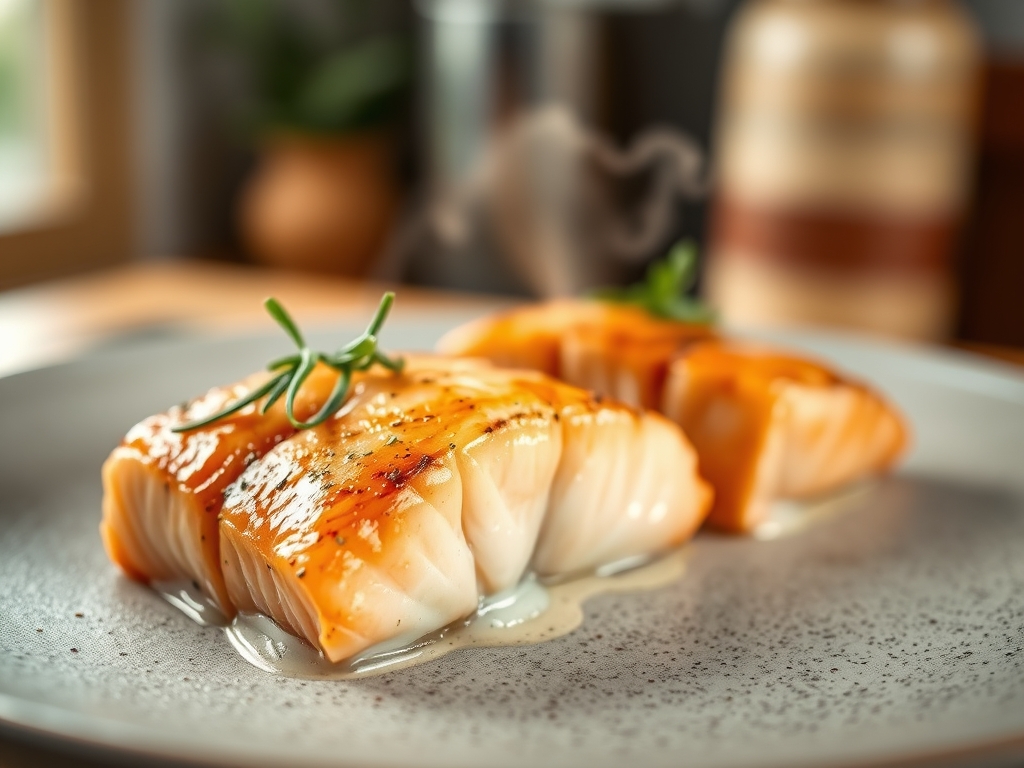
Imagine the sound of a cold, heavy-bottomed skillet meeting a shimmering layer of olive oil; it is the percussion of a perfect dinner beginning. When you dive into salmon recipes by jamie oliver, you are not just cooking fish; you are orchestrating a symphony of texture and high-impact flavor. We are talking about that iconic, golden-shattered skin and flesh so succulent it practically sighs under your fork. Salmon is the ultimate canvas for the "Naked Chef" philosophy; it is bold, honest, and requires just a touch of scientific finesse to transform from a standard Tuesday meal into a restaurant-grade masterpiece.
The magic lies in the fat. Salmon is packed with heart-healthy omega-3 fatty acids that act as a built-in basting liquid as the proteins tighten. Whether you are craving the zing of a piquant salsa verde or the comfort of a creamy, lemon-infused traybake, these eight variations celebrate the versatility of the king of fish. We are going to master the art of the sear, the gentle poach, and the high-heat roast. Grab your apron and your favorite tongs; it is time to turn your kitchen into a sanctuary of flavor.
The Gathers:
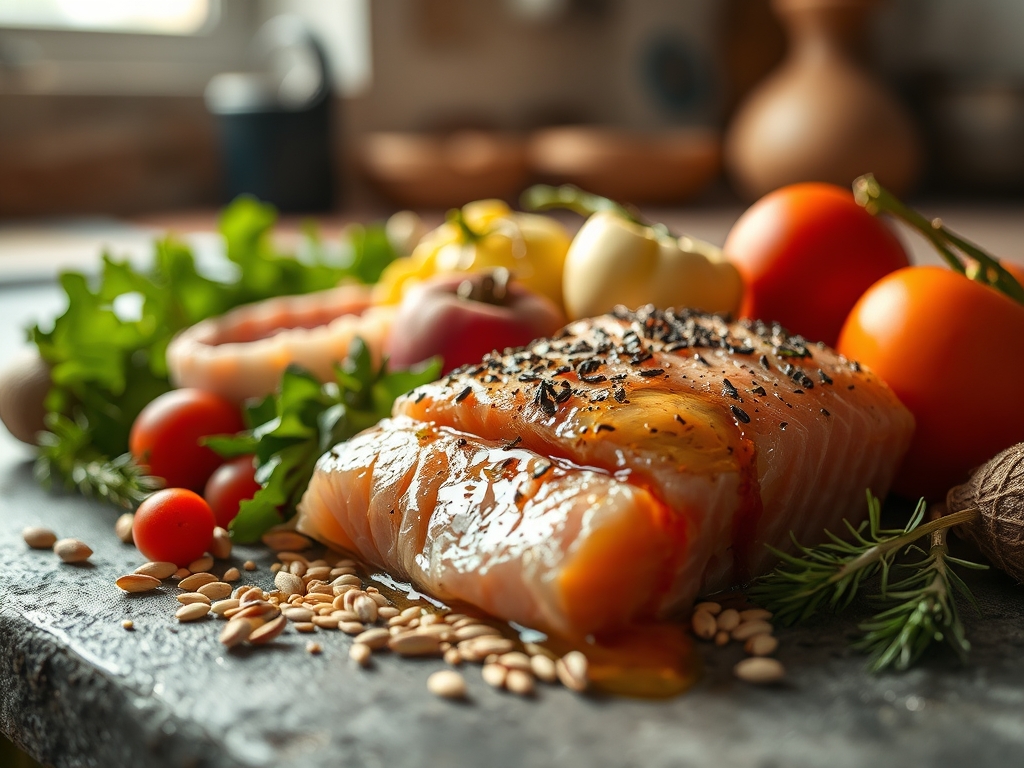
To execute these salmon recipes by jamie oliver with precision, your mise-en-place must be flawless. Start with the centerpiece: four 6-ounce center-cut fillets. Look for vibrant, translucent flesh and a firm structure; if the muscle fibers are separating, the cellular integrity has begun to fail. You will need high-quality fats, specifically extra virgin olive oil for cold infusions and a neutral oil with a high smoke point, like grapeseed, for the actual searing process.
The aromatic profile relies on fresh herbs: woody rosemary, delicate dill, and flat-leaf parsley. Keep a microplane handy for zesting lemons and grating fresh ginger; this tool ensures the essential oils are released without the bitterness of the white pith. For the "Jamie" touch, gather "the pops": capers for a briny burst, fresh chili for a heat-map sensation, and cherry tomatoes that will blister and deglaze the pan with their own acidic juices.
Smart Substitutions:
If you cannot find fresh salmon, high-quality frozen fillets are scientifically sound; just ensure they are thawed slowly in the refrigerator to prevent "drip loss," which results in a dry texture. Swap couscous for quinoa if you need a gluten-free base with a higher protein-to-carb ratio. If dairy is an issue, a viscous coconut cream provides the same mouthfeel as heavy cream when reducing a sauce in your saucier.
The Clock
Efficiency in the kitchen is about "Chef's Flow," the ability to overlap tasks so nothing sits idle. For these salmon recipes by jamie oliver, expect a total commitment of 30 minutes. Prep takes exactly 10 minutes; this involves the precision slicing of aromatics and the crucial step of patting the fish bone-dry with paper towels.
The cooking phase is a swift 12 to 15 minutes. The flow dictates that you start your grains or starch first, as they are thermally stable and can hold heat. The fish is always the final act. By timing the sear to finish just as the table is set, you capitalize on the "carryover cooking" window, ensuring the center remains a perfect translucent pink rather than a chalky overdone grey.
The Masterclass
1. The Surface Preparation
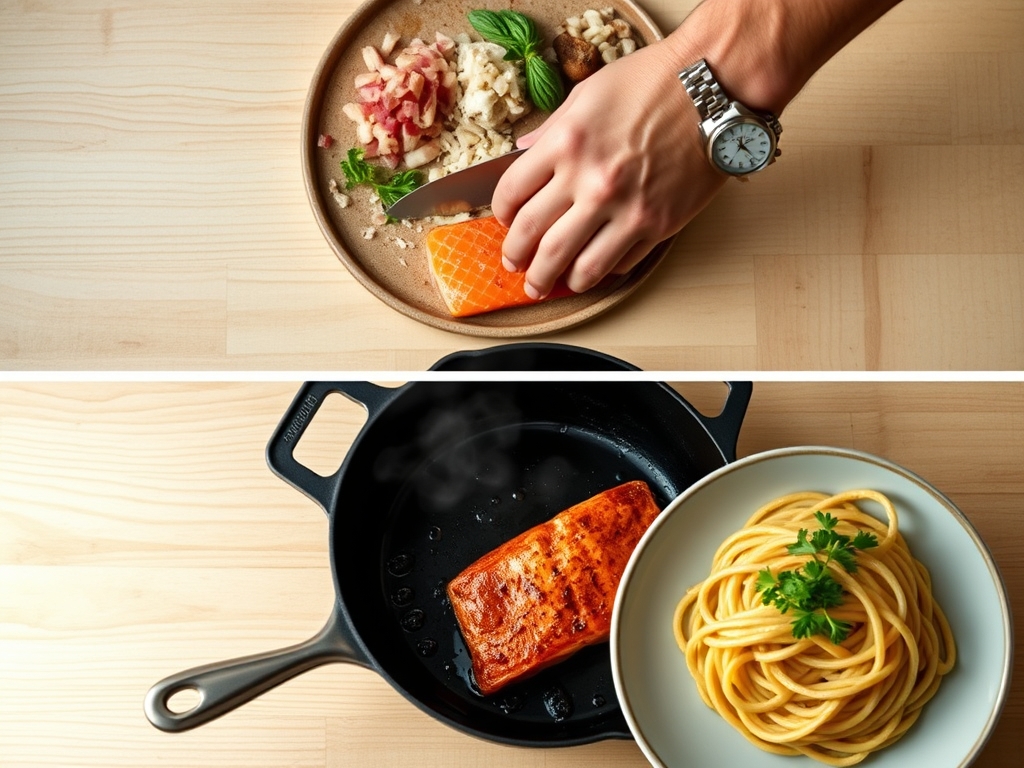
Lay your fillets on a clean board and use a sharp knife to score the skin lightly. Season aggressively with sea salt from a height to ensure even distribution.
Pro Tip: Salt acts as a denaturant, drawing moisture out of the skin via osmosis. This is essential for a crispy result; moisture is the enemy of the Maillard reaction.
2. The Cold-Start Sear
Place the salmon skin-side down in a cold, heavy-bottomed skillet before turning the heat to medium-high. This allows the fat to render slowly rather than seizing the proteins instantly.
Pro Tip: This technique prevents the "bowing" effect where the fish curls up. It ensures maximum surface contact for uniform heat transfer.
3. The Weight Technique
Use a flexible fish spatula or a clean weight to press the fillets down for the first 60 seconds. You want to hear a consistent sizzle, not a violent pop.
Pro Tip: Pressing the fish prevents steam from being trapped underneath the skin. If steam stays trapped, the skin will turn rubbery instead of becoming a crisp, golden wafer.
4. The Aromatic Infusion
Once the skin is crisp (about 5 minutes), toss in smashed garlic cloves, thyme, and a knob of butter. Use a spoon to baste the hot, foaming butter over the raw top of the fish.
Pro Tip: Butter basting uses convection to cook the top of the fish gently while the bottom continues to crisp. The milk solids in the butter will caramelize, adding nutty depth.
5. The Flip and Kiss
Flip the salmon gently using your tongs. It only needs 30 to 60 seconds on the flesh side to finish.
Pro Tip: This "kiss" of heat completes the protein coagulation on the surface without overcooking the delicate interior.
6. The Deglaze
Remove the fish to a warm plate. Immediately throw a splash of white wine or lemon juice into the hot pan to deglaze, scraping up the "fond" (the brown bits).
Pro Tip: The acid in the liquid dissolves the caramelized proteins, creating a high-intensity pan sauce with zero waste.
7. The Resting Phase
Let the salmon rest for 3 minutes before serving.
Pro Tip: This allows the internal juices to re-equilibrate. If you cut it immediately, the moisture will flood out, leaving the fibers dry and stringy.
8. The Final Garnish
Finish with a flurry of fresh herbs and a final grate of lemon zest using your microplane.
Pro Tip: Fresh herbs contain volatile oils that dissipate with heat. Adding them at the very end ensures the olfactory impact is at its peak when the dish hits the table.
The Deep Dive
From a macro perspective, salmon is a nutritional powerhouse. A single serving provides roughly 35 grams of high-quality protein and 15 grams of healthy fats. It is naturally low-carb, making it a staple for Keto enthusiasts. For a vegan alternative, "watermelon steak" or marinated firm tofu can mimic the look, though the fatty acid profile will differ significantly.
The Fix-It:
- White Gunk (Albumin): If you see white liquid seeping out, your heat is too high. The muscle fibers are contracting too violently and squeezing out the protein. Lower the flame.
- Sticking Skin: This usually happens because the pan wasn't clean or you tried to flip too early. The fish will naturally "release" once the Maillard reaction has created a structural crust.
- Soggy Bottom: This occurs if you rest the fish on a flat plate where steam can collect. Rest it on a wire rack or tilted against a vegetable to maintain airflow.
Meal Prep: To reheat salmon without ruining it, avoid the microwave. Use a low oven (275°F) with a splash of water and a foil cover to create a gentle steam chamber. This prevents the fats from turning rancid and the proteins from becoming rubbery.
The Wrap-Up
Mastering salmon recipes by jamie oliver is about more than just a meal; it is about gaining confidence in the kitchen. By understanding the relationship between heat, fat, and acid, you move from following a script to improvising like a pro. These dishes are vibrant, healthful, and undeniably impressive. So, go ahead; grab that fillet, get the pan screaming hot, and show that salmon who is boss. Your taste buds will thank you.
The Kitchen Table
How do I know when the salmon is perfectly cooked?
Use a digital scale or thermometer to check for an internal temperature of 125°F for medium-rare. The flesh should be opaque on the outside but still slightly translucent and "flaky" in the very center.
Can I cook salmon straight from the fridge?
It is better to let it sit at room temperature for 15 minutes. Cold fish shocks the hot pan, causing the temperature to drop and preventing that sought-after crispy skin from forming properly.
What is the best pan for searing salmon?
A cast-iron or heavy stainless steel skillet is ideal. These materials have high thermal mass, meaning they hold heat consistently even when the cold fish is added, ensuring a superior, even crust.
Should I leave the skin on?
Absolutely. Even if you do not plan to eat it, the skin acts as a protective thermal barrier that prevents the delicate flesh from overcooking and drying out during the high-heat searing process.