
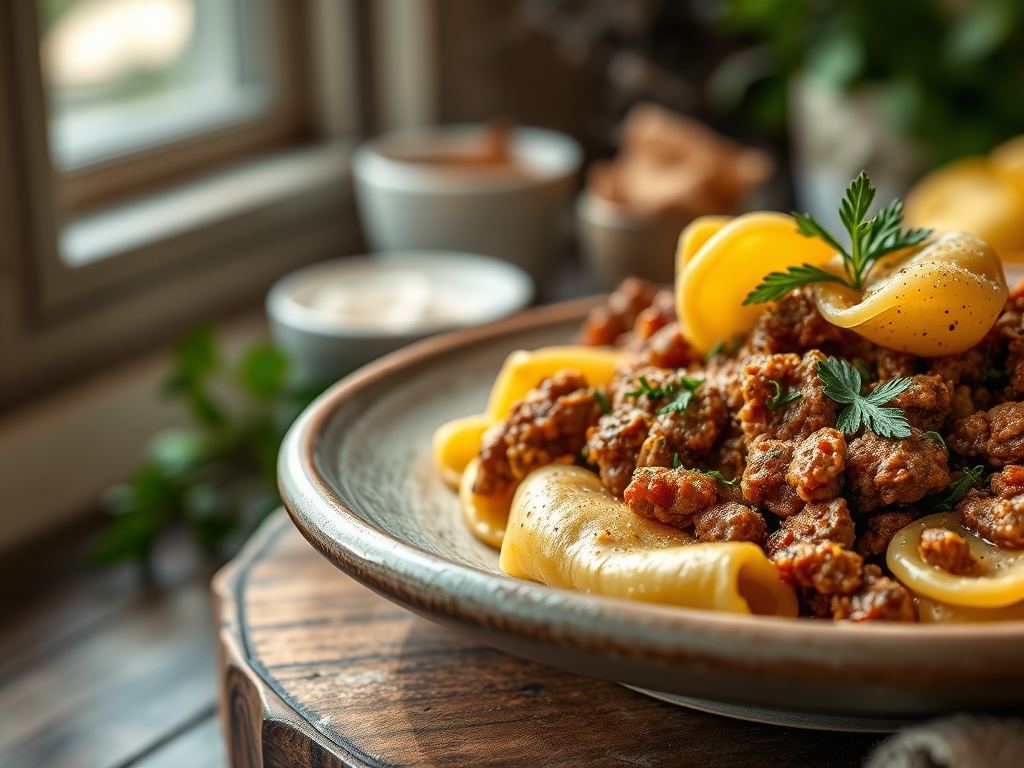
Picture a heavy bottomed skillet sizzling on the stovetop; the air fills with the intoxicating scent of caramelizing proteins and toasted garlic. We are diving into the ultimate comfort zone where pasta meets protein. These nine tortellini and ground beef recipes transform humble pantry staples into high end bistro fare with minimal effort. It is the perfect marriage of chewy, cheese filled pasta and savory, Maillard-reactive beef.
The beauty of these dishes lies in the contrast of textures. You have the silky, elastic bite of the pasta dough against the crumbly, salt-kissed richness of the meat. Whether you are craving a velvet-smooth stroganoff style sauce or a bright, piquant marinara, these recipes serve as a masterclass in flavor layering. We are moving beyond basic spaghetti night and stepping into a world where every forkful is a curated experience of fat, acid, and heat.
This collection is designed for the home cook who wants the intellectual satisfaction of a perfectly balanced meal without spending four hours over a stockpot. We will focus on the chemistry of the sear and the physics of the emulsion. By the time the table is set, you will not just have dinner; you will have a deep understanding of why these specific ingredients work so well together. Let us get the pan hot and the water boiling.
The Gathers:
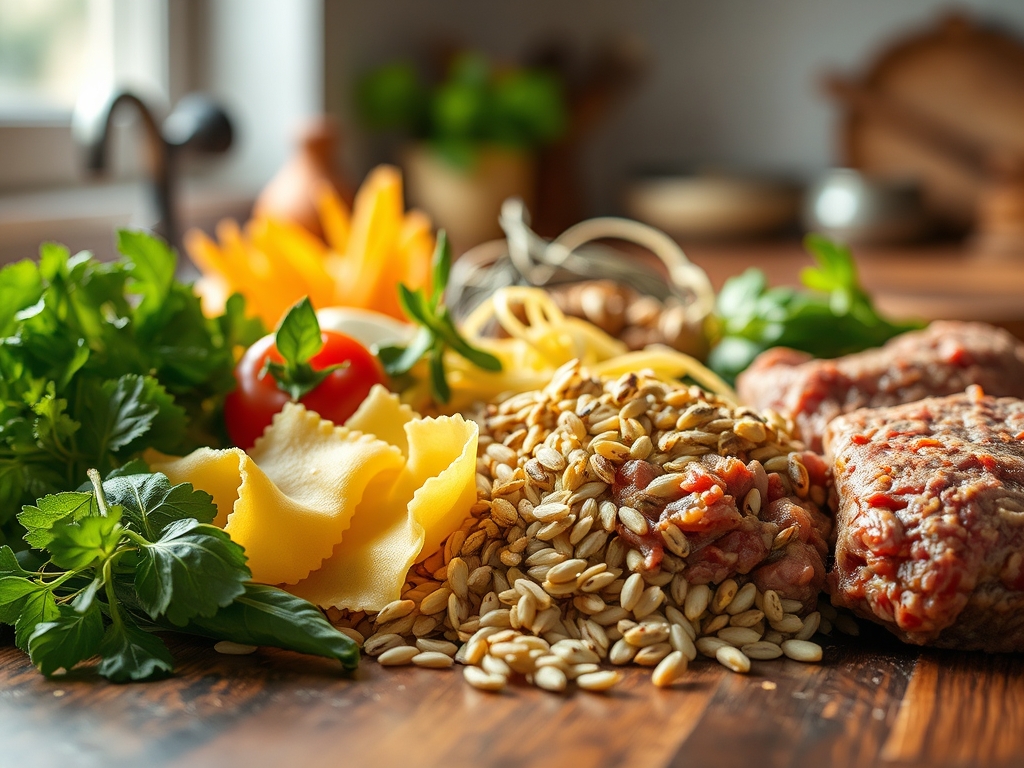
To execute these tortellini and ground beef recipes with precision, your mise-en-place must be impeccable. Start with the protein. Aim for an 80/20 blend of ground chuck. This specific ratio ensures enough intramuscular fat to render out, providing a viscous base for your sauces. For the pasta, high quality refrigerated tortellini offers a superior moisture content compared to dried versions, leading to a more tender mouthfeel after the boil.
Your aromatics are the backbone of the flavor profile. You will need yellow onions, which contain the ideal sugar content for caramelization, and fresh garlic cloves. Avoid the pre-minced jars; the sulfurous compounds in garlic degrade rapidly once the cell walls are ruptured. Use a microplane to grate your garlic and ginger for maximum surface area exposure. You will also need a high-quality fat, such as unsalted European butter or extra virgin olive oil, to carry the fat-soluble flavor compounds of your dried herbs like oregano and red pepper flakes.
Smart Substitutions:
If you are looking to lighten the caloric density, swap the ground beef for ground turkey or bison. Bison is leaner but offers a more robust, earthy flavor. For a gluten free alternative, look for tortellini made from rice or chickpea flour, though you must monitor the cook time closely to avoid starch breakdown. If you lack heavy cream for the pan sauces, a dollop of full fat Greek yogurt added off the heat provides a similar tang and thickness without the high saturated fat content.
The Clock
Efficiency in the kitchen is about the Chef's Flow. This is the art of overlapping tasks so that no second is wasted. Total active prep time for most of these recipes sits at 15 minutes, with a cook time of approximately 20 minutes.
While your large pot of salted water reaches a rolling boil, you should already be searing the beef in your heavy-bottomed skillet. The goal is to have the beef fully browned and the sauce simmering just as the tortellini reaches al dente status. Never let the pasta sit in a colander; it should move directly from the boiling water into the sauce to utilize the residual heat and surface starches for better adhesion. This synchronized timing ensures the pasta does not overcook into a mushy consistency while waiting for the protein to finish.
The Masterclass
1. The Maillard Sear
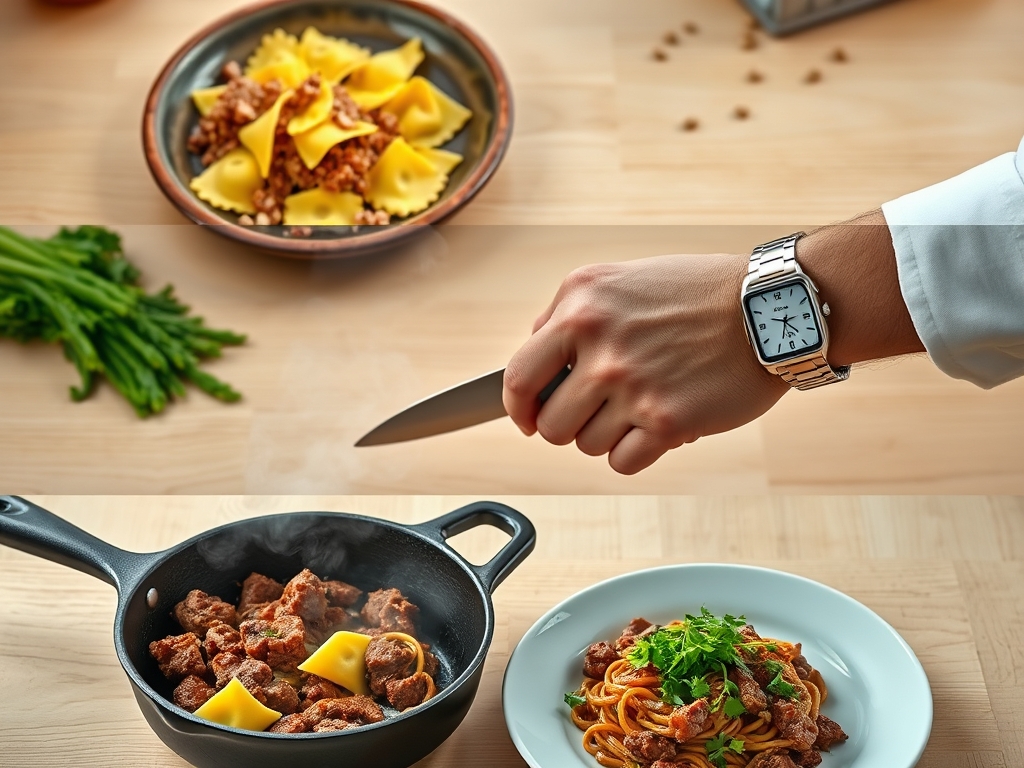
Place your ground beef into a ripping hot skillet. Do not crowd the pan; if the meat releases too much moisture at once, it will steam rather than sear. Use a bench scraper or a wooden spoon to break the meat into small, uniform crumbles.
Pro Tip: This stage relies on the Maillard Reaction, a chemical reaction between amino acids and reducing sugars that creates hundreds of different flavor compounds. Do not stir too often; let the meat develop a deep brown crust to maximize the savory depth of the final dish.
2. Deglazing the Fond
Once the meat is browned, remove it and drain the excess fat, leaving about a tablespoon in the pan. Add your aromatics. Once they are translucent, pour in a splash of dry white wine or beef stock to deglaze the pan.
Pro Tip: Use a flat edged spatula to scrape up the fond, those brown bits stuck to the bottom. These bits are concentrated flavor bombs. This process is known as deglazing, and it incorporates the caramelized proteins back into the liquid phase of your sauce.
3. Emulsifying the Sauce
Add your liquid base, whether it is crushed tomatoes or heavy cream. Bring the mixture to a gentle simmer. This is the moment to add your seasonings, allowing the heat to infuse the dried herbs into the fat.
Pro Tip: Achieving a silky sauce requires emulsification. If you see oil separating, whisk in a splash of starchy pasta water. The starches act as a stabilizing agent, binding the fats and liquids into a cohesive, velvet-like texture that clings to the tortellini.
4. The Final Marriage
Drop the tortellini into the sauce. Toss gently using tongs to ensure every pocket of the pasta is coated. Cook for an additional two minutes within the sauce itself.
Pro Tip: This final simmer utilizes thermal carryover. The pasta finishes its last bit of cooking inside the sauce, allowing it to absorb the flavors directly into the dough. This creates a unified dish rather than just pasta with toppings.
The Deep Dive
From a nutritional standpoint, these meals are powerhouses. A standard serving provides roughly 30 grams of protein and a significant dose of iron and B vitamins from the beef. However, the caloric density can be high due to the cheese-filled pasta and fat content. To balance the macros, always serve these dishes with a side of fibrous greens like roasted broccoli or a bright arugula salad.
Dietary Swaps:
For a keto-friendly version, replace the tortellini with roasted cauliflower florets or zucchini noodles, though the texture will shift significantly. Vegans can utilize plant-based "beef" crumbles and cashew-based cheese tortellini. Always ensure your "beef" substitute is highly seasoned, as plant proteins lack the natural glutamate levels found in red meat.
The Fix-It:
- Broken Sauce: If your cream sauce looks curdled, the heat was too high. Remove from heat immediately and whisk in a tablespoon of cold heavy cream to lower the temperature and re-emulsify.
- Bland Meat: If the beef tastes flat, you likely missed the sear or under-salted. Add a teaspoon of Worcestershire sauce or a splash of soy sauce to boost the umami profile.
- Mushy Pasta: This happens from overboiling. To fix, flash-fry the overcooked tortellini in a separate pan with butter to create a crisp exterior, which masks the soft interior.
Meal Prep Science:
When reheating, the starches in the pasta will have absorbed much of the sauce's moisture. To restore "day-one" quality, add a splash of water or broth before microwaving. This creates steam, which re-hydrates the pasta proteins and loosens the sauce without making it greasy.
The Wrap-Up
Mastering tortellini and ground beef recipes is about understanding the harmony between a quick-cooking pasta and a robust protein. By focusing on the technical aspects like the Maillard reaction and proper emulsification, you elevate a simple weeknight dinner into a culinary event. Use your tools wisely, respect the ingredients, and do not be afraid to experiment with the aromatics. Your kitchen is your laboratory; go make something delicious.
The Kitchen Table
Can I use frozen tortellini instead of fresh?
Yes, but do not thaw them first. Drop frozen tortellini directly into boiling water. They typically require an extra two minutes of cook time compared to refrigerated versions. Always check for an al dente texture before straining.
How do I prevent the ground beef from being greasy?
Use a digital scale to measure your meat, and always drain the rendered fat after browning. You can also pat the browned crumbles with a paper towel before adding them back into the sauce to ensure a clean flavor.
What is the best way to store leftovers?
Store in an airtight glass container for up to four days. Glass is non-reactive and won't absorb the oils from the sauce. Reheat with a tablespoon of water to maintain the sauce's viscous consistency and prevent the pasta from drying.
Why does my cheese sauce keep clumping?
Clumping occurs when cheese is added to a boiling liquid, causing the proteins to tighten. Remove the skillet from the heat source and stir in shredded cheese gradually, allowing the residual heat to melt it into a smooth emulsion.