
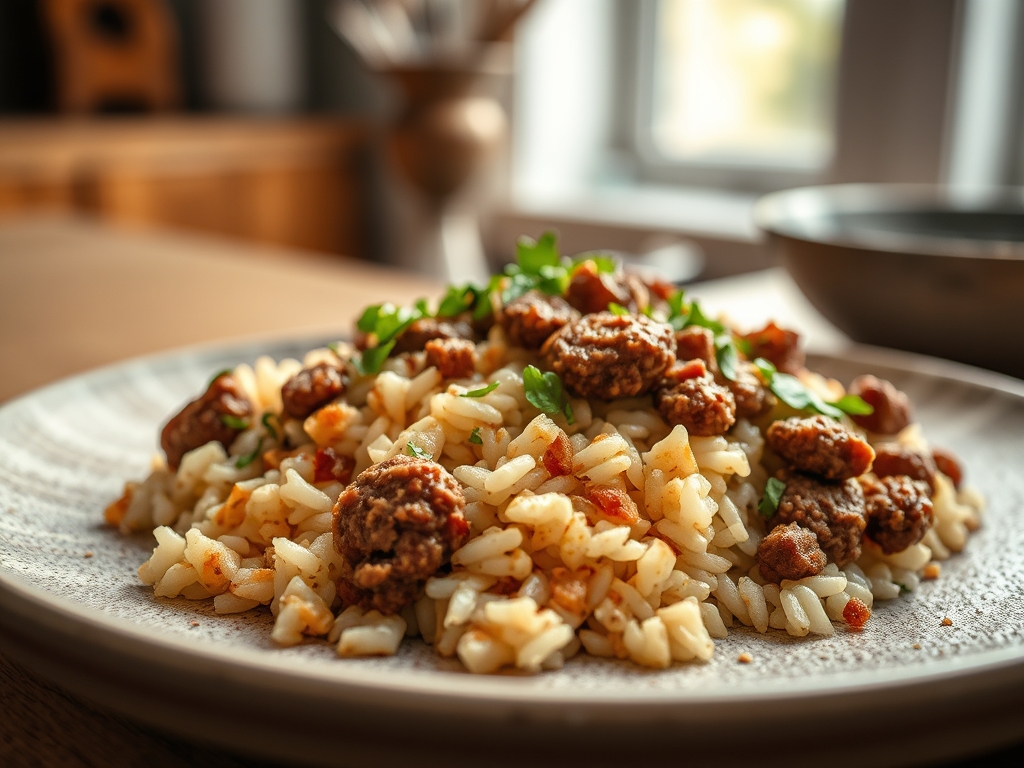
Imagine the sound of fat rendering in a heavy-bottomed skillet; it is a rhythmic, percussive sizzle that signals the start of something transformative. We are diving into the ultimate comfort duo: rice and ground beef recipes easy enough for a Tuesday but polished enough for a dinner party. This combination is a culinary blank canvas where Maillard reactions meet fluffy starch.
The beauty of this pairing lies in the structural contrast. You have the granular, toothsome bite of long-grain rice acting as a vessel for the savory, umami-rich juices of the beef. When you master these rice and ground beef recipes easy techniques, you are not just making dinner; you are orchestrating a symphony of textures. We are going to explore eight distinct flavor profiles, from Korean-inspired Bulgogi bowls to Mediterranean stuffed pepper fillings, all utilizing the same foundational principles of heat management and moisture control. Grab your favorite apron and your sharpest chef knife. We are about to turn humble pantry staples into a weeknight masterpiece that will make your kitchen smell like a five-star bistro.
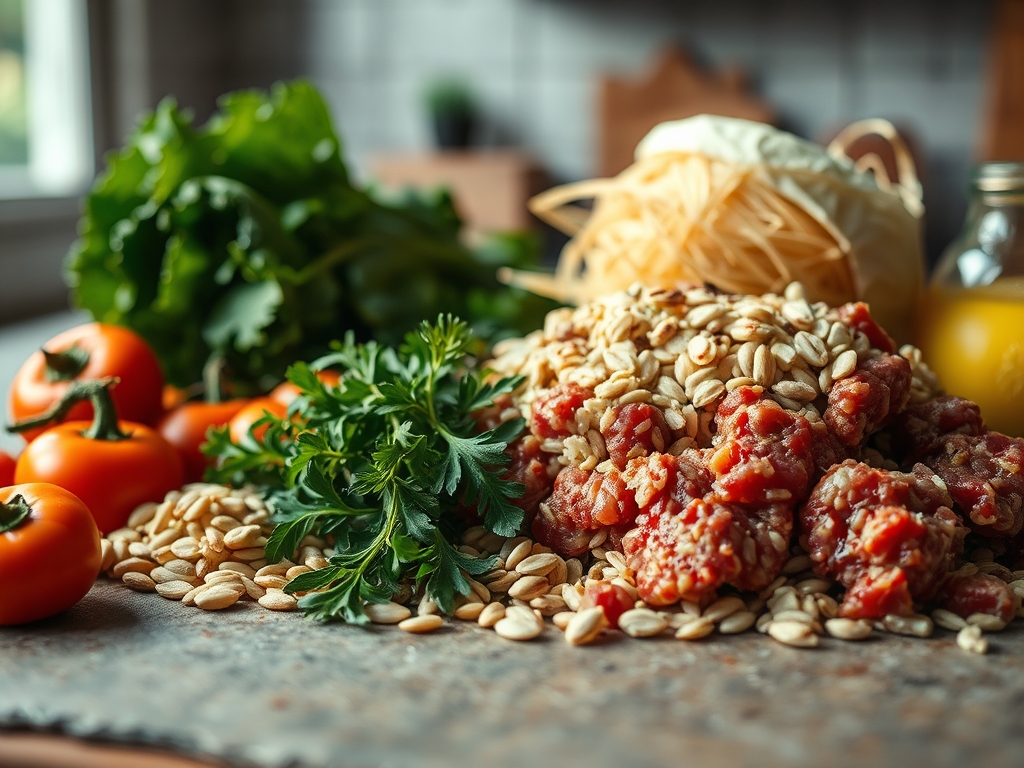
The Gathers:
Before we ignite the burners, we must respect the mise-en-place. For these rice and ground beef recipes easy variations, your ingredient list is a study in chemistry. You will need high-quality ground chuck, ideally an 80/20 lean-to-fat ratio. This specific ratio ensures enough intramuscular fat to lubricate the rice grains without leaving a greasy residue on the palate. For the rice, jasmine or basmati are the gold standards due to their high amylopectin content, which provides a fragrant, non-sticky finish.
Your aromatics should include fresh garlic, ginger, and shallots. Using a microplane for the ginger ensures a fine paste that integrates into the fat rather than leaving fibrous chunks. For the liquid components, keep a high-quality bone broth and low-sodium soy sauce nearby to manage salinity.
Smart Substitutions:
If you are looking to lighten the caloric load, ground turkey or chicken can be substituted for beef, though you must add a teaspoon of Worcestershire sauce to mimic the missing beefy depth. For a grain-free alternative, riced cauliflower works beautifully; just ensure you sauté it at high heat to evaporate excess moisture, preventing a soggy texture. If you lack fresh aromatics, high-quality granulated garlic and onion powder can be used, though the flavor profile will be less vibrant and more "pantry-forward."
The Clock
Efficiency in the kitchen is about "Chef's Flow," which is the art of overlapping tasks to minimize downtime. These rice and ground beef recipes easy variations typically require a total of 30 to 40 minutes.
The first ten minutes are dedicated to prep: washing the rice to remove excess surface starch and dicing your vegetables with a bench scraper to move them efficiently from board to pan. The next 15 to 20 minutes involve the active cooking phase. While the rice simmers in a saucier or dedicated rice cooker, you will be browning the beef and building your flavor base in a separate pan. The final five minutes are for the "rest." Never skip this. Allowing the beef to sit off the heat for a few minutes lets the proteins relax and reabsorb their juices, ensuring every bite is succulent rather than dry.
The Masterclass
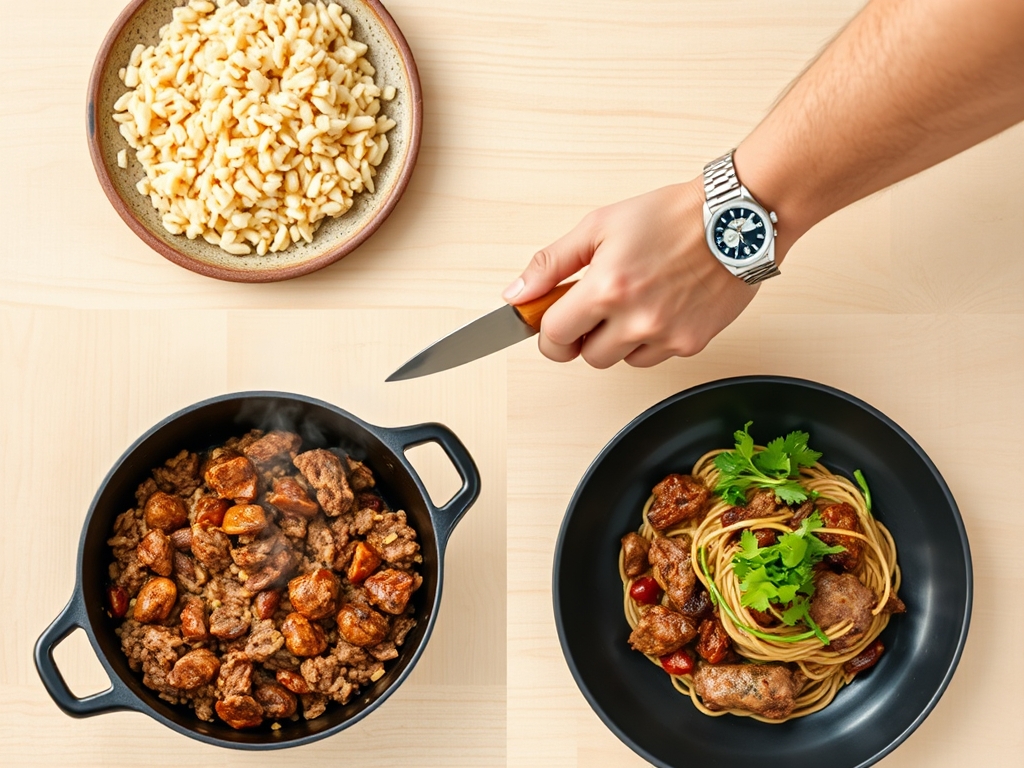
1. The Sear and Render
Place your heavy-bottomed skillet over medium-high heat. Add the beef in a single layer and do not touch it for at least three minutes. You are looking for a deep, mahogany crust.
Pro Tip: This is the Maillard reaction in action. By allowing the beef to remain undisturbed, you create complex flavor compounds that cannot be achieved through constant stirring.
2. Deglazing the Fond
Once the beef is browned, remove it and discard all but one tablespoon of fat. Add your aromatics, then pour in a splash of broth or wine to scrape up the brown bits (the fond) stuck to the bottom.
Pro Tip: Deglazing captures the concentrated protein sugars left in the pan, which acts as a natural flavor enhancer for your sauce base.
3. The Rice Integration
Add your cooked rice directly into the skillet with the beef and aromatics. Use tongs or a wide spatula to fold the ingredients together rather than mashing them.
Pro Tip: This process, known as "pearlization" in some circles, coats each grain of rice in the flavored fats, preventing them from clumping and ensuring a distinct mouthfeel.
4. The Final Emulsification
Add a small amount of butter or a cornstarch slurry at the very end. Stir rapidly to incorporate.
Pro Tip: This creates a viscous sauce that clings to the rice and beef, providing a glossy finish and a luxurious, silky texture.
The Deep Dive
When we look at the macro nutrition of these rice and ground beef recipes easy dishes, we see a balanced profile of complex carbohydrates, high-quality protein, and essential fats. A standard serving provides roughly 25 grams of protein and 40 grams of carbohydrates. To make this Keto-friendly, swap the rice for konjac pearls or extra greens. For a vegan twist, use crumbled tempeh seasoned with liquid smoke to replicate the savory notes of beef.
The Fix-It: Common Pitfalls
- Mushy Rice: This usually happens because the rice was not rinsed or was overcooked. Fix it by spreading the rice on a sheet tray and chilling it in the fridge for 20 minutes before adding it to the beef.
- Greasy Finish: If the dish feels heavy, you likely didn't drain enough fat. Fix it by adding a squeeze of fresh lime or lemon juice; the acid will cut through the lipids and brighten the flavor.
- Bland Flavor: This is often a lack of salt or acid. Fix it by adding a dash of fish sauce or a teaspoon of tomato paste to boost the savory profile.
Meal Prep Science:
To maintain "day-one" quality when reheating, add a tablespoon of water to your container and cover it loosely. This creates a steam chamber in the microwave, rehydrating the rice starch and preventing the beef from becoming rubbery.
The Wrap-Up
Mastering these rice and ground beef recipes easy techniques turns you into a kitchen alchemist. You are taking basic ingredients and, through the application of heat and timing, creating a meal that is both nourishing and sophisticated. Remember to focus on that initial sear and don't be afraid to experiment with different spices or herbs to keep your palate excited. Cooking is a skill, but it is also a joy; enjoy the process and the delicious results!
The Kitchen Table
What is the best rice to use for beef dishes?
Long-grain varieties like Jasmine or Basmati are ideal. They contain less starch than short-grain rice, ensuring the grains stay separate and fluffy rather than turning into a sticky mass when mixed with the savory beef juices.
How do I prevent ground beef from boiling in the pan?
Avoid overcrowding the skillet and ensure the pan is ripping hot before adding the meat. If you add too much beef at once, the temperature drops, causing the meat to release moisture and steam rather than sear.
Can I use frozen ground beef for these recipes?
Yes, but you must thaw it completely in the refrigerator first. Cooking beef from a frozen state prevents the Maillard reaction from occurring, resulting in a gray, lackluster texture and unevenly cooked centers.
Why should I rinse my rice before cooking?
Rinsing removes excess surface starch that can cause the rice to become gummy. For the best texture in beef and rice dishes, rinse the grains in a fine-mesh strainer until the water runs clear.
How long does cooked beef and rice stay fresh?
When stored in an airtight container in the refrigerator, these dishes will maintain peak quality for three to four days. Always ensure the food has cooled to room temperature before sealing to prevent bacterial growth from trapped steam.