
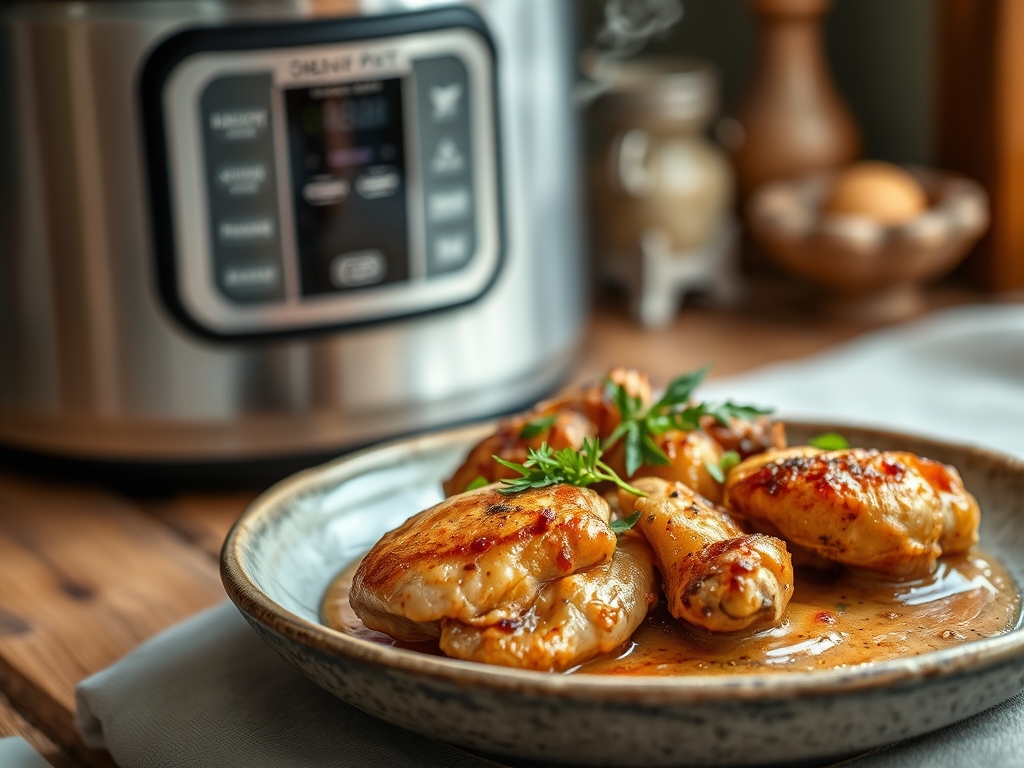
Imagine the hiss of steam escaping a stainless steel valve; it is the sound of a culinary shortcut that does not compromise on soul. When you are staring down a Tuesday evening with zero motivation, these pressure pot chicken recipes are your secret weapon for achieving that elusive "fall off the bone" texture in under thirty minutes. We are talking about fibers so tender they practically dissolve, bathed in sauces that have been emulsified to a glossy, restaurant quality sheen. This is not just about speed; it is about using atmospheric pressure to force seasoning deep into the cellular structure of the poultry.
The magic happens when you combine high heat with trapped moisture. In a standard pot, liquid boils at 212 degrees Fahrenheit. Inside your pressure cooker, that boiling point climbs significantly higher. This allows for a rapid breakdown of tough connective tissues into rich, silky gelatin. Whether you are craving a piquant Thai curry or a classic French fricassee, these methods ensure your protein remains succulent rather than stringy. Grab your digital scale and your favorite apron; we are about to transform your weeknight routine into a high speed masterclass in flavor extraction.
The Gathers:
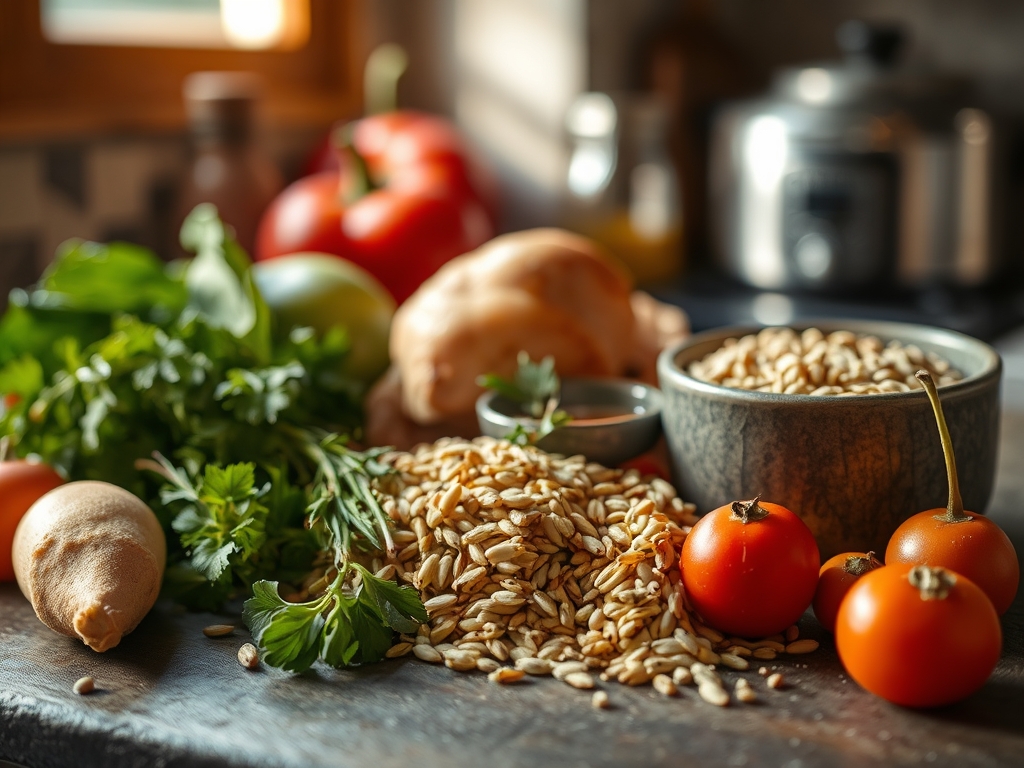
Before we engage the heating element, we must curate our mise-en-place with precision. Start with high quality chicken thighs or breasts; I prefer thighs for their higher fat content which leads to a more viscous mouthfeel. You will need aromatics like shallots, garlic, and ginger. Use a microplane to zest citrus or grate ginger into a fine paste; this increases the surface area for maximum flavor release. For the liquids, keep a bottle of dry white wine or a rich bone broth nearby to deglaze the pot after searing.
Smart Substitutions are the hallmark of a clever cook. If you find yourself without heavy cream, a dollop of full fat Greek yogurt or coconut cream provides that same velvety finish without the dairy heaviness. Swap traditional soy sauce for liquid aminos if you are watching your sodium, or use a splash of fish sauce to add a deep, savory umami note that guests will not be able to identify but will certainly crave. Always have a bench scraper handy to move your chopped aromatics from the board to the pot without losing a single morsel of flavor.
The Clock: Mastering the Flow
Efficiency in the kitchen is all about the "Chef's Flow." For most of these pressure pot chicken recipes, you are looking at 10 minutes of active prep and 15 to 20 minutes of pressurized cooking. However, the true secret lies in the Natural Pressure Release (NPR). While the "Quick Release" is tempting when you are hungry, a sudden drop in pressure can cause the muscle fibers to contract violently, squeezing out all those precious juices.
Give your meal a 5 to 10 minute rest under pressure. This allows the internal temperature to stabilize and the juices to redistribute. While the pot does its thing, use this window to tidy your workspace with a damp cloth or to prepare a fresh garnish like microgreens or toasted sesame seeds. By the time the pin drops, your kitchen is clean and your dinner is perfectly rested.
The Masterclass:
1. The Sear and Sauté
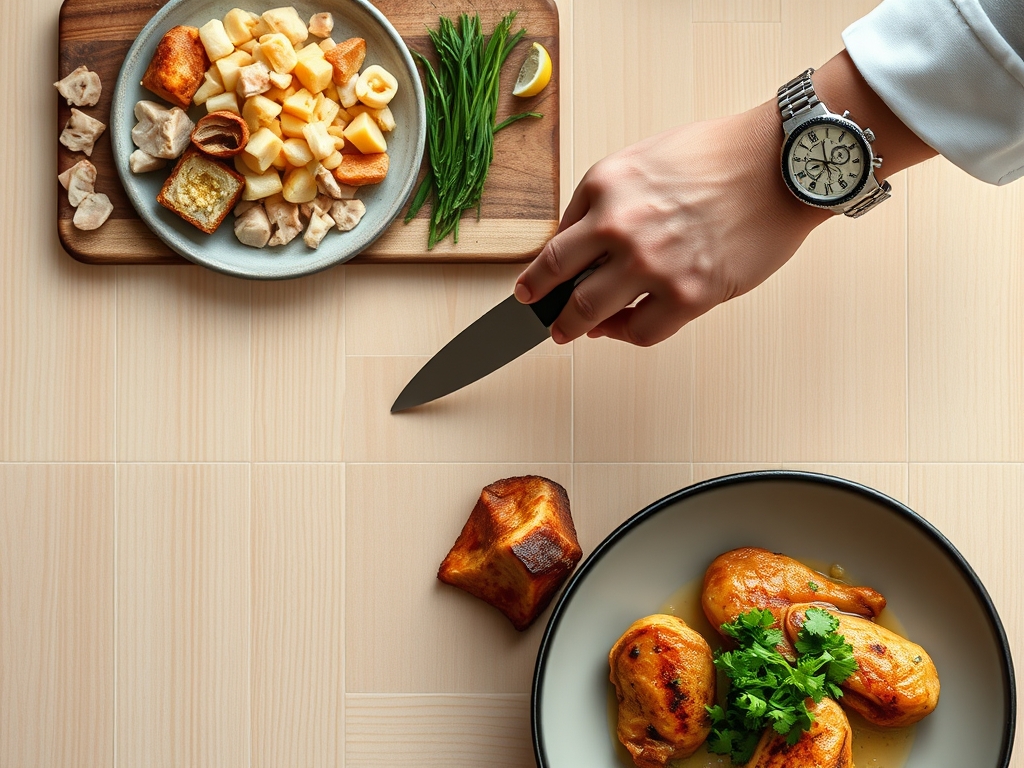
Set your pot to the sauté function and wait for it to get screaming hot. Add a high smoke point oil and lay your seasoned chicken skin side down. Use tongs to ensure even contact. Do not crowd the pan; work in batches if necessary to maintain the temperature.
Pro Tip: This step triggers the Maillard Reaction, a chemical reaction between amino acids and reducing sugars that creates hundreds of different flavor compounds. Without this sear, your chicken will lack the complex, savory crust that defines a professional dish.
2. Deglazing the Fond
Once the chicken is browned, remove it and pour in your liquid of choice. Use a wooden spoon or a saucier whisk to scrape up the brown bits stuck to the bottom. These bits, known as the fond, are concentrated flavor nuggets that will form the base of your sauce.
Pro Tip: Deglazing is essential for preventing the "burn" notice on your device. By lifting those caramelized sugars into the liquid, you ensure even heat distribution and prevent localized overheating at the base of the pot.
3. The Pressure Phase
Return the chicken to the pot, nestling it into the liquid. Secure the lid and ensure the venting knob is set to "Sealing." Select the high pressure setting. This is where the physics of cooking takes over, forcing moisture into the meat at a molecular level.
Pro Tip: High pressure increases the boiling point of water, which speeds up the breakdown of collagen into gelatin. This transformation is what gives the sauce its body and the meat its tender, succulent texture.
4. The Emulsification Finish
After the pressure release, remove the chicken. If the sauce looks thin, turn the sauté function back on. Whisk in a knob of cold butter or a cornstarch slurry. Use a heavy-bottomed skillet if you prefer to reduce the sauce on the stovetop for better control.
Pro Tip: This is called mounting with butter (monter au beurre). The fat molecules encapsulate the water molecules, creating a stable emulsion that results in a glossy, professional sauce that clings to the meat.
The Deep Dive:
From a macro perspective, chicken is a lean protein powerhouse. A standard serving provides roughly 25 to 30 grams of protein with minimal carbohydrates. To keep it Keto, focus on fat-heavy sauces like garlic butter or pesto. For a Vegan alternative, you can apply these same pressure techniques to jackfruit or lion's mane mushrooms, though you should reduce the cooking time significantly to avoid mushiness.
The "Fix-It" guide for common pitfalls:
- Tough Meat: Usually caused by a "Quick Release." Next time, allow for a natural release to keep the fibers relaxed.
- Bland Sauce: You likely skipped the deglazing step or under-seasoned the raw meat. Add a splash of acid, like lemon juice or vinegar, at the very end to brighten the flavors.
- Burn Notice: This happens when there is not enough thin liquid or the bottom was not scraped clean. Ensure you have at least one cup of watery liquid before sealing.
For meal prep, reheating is a science. To maintain "day-one" quality, avoid the microwave if possible. Instead, reheat the chicken in its sauce in a small saucier over low heat. This prevents the proteins from overcooking and becoming rubbery, ensuring every bite is as juicy as the first.
The Wrap-Up:
There you have it, a blueprint for mastering pressure pot chicken recipes that will make you the hero of your own kitchen. By understanding the science of pressure, the importance of the Maillard reaction, and the art of the emulsion, you are no longer just following a recipe; you are engineering a culinary experience. Go ahead and experiment with different aromatics and acids. Your pressure pot is more than a gadget; it is a gateway to fast, flavorful, and incredibly juicy meals that fit perfectly into your busy lifestyle.
The Kitchen Table:
How do I prevent chicken from getting rubbery in a pressure pot?
Always use a natural pressure release for at least ten minutes. A quick release causes the muscle fibers to seize up and expel moisture. This results in a dry, rubbery texture. Patience is the key to maintaining succulence and tenderness.
Can I use frozen chicken in these recipes?
Yes, you can cook frozen chicken directly in the pressure pot. Add five minutes to the high pressure cook time. Ensure the pieces are separated rather than a solid block to allow the pressurized steam to circulate and cook the meat evenly.
Why is my sauce too thin after cooking?
Pressure cooking creates zero evaporation, so all the liquid remains in the pot. To thicken, use the sauté function after cooking to reduce the liquid. Alternatively, whisk in a cornstarch slurry or cold butter to create a glossy, thick emulsion.
Is it better to use bone-in or boneless chicken?
Bone-in chicken provides more flavor and a richer sauce due to the marrow and collagen released during pressurized cooking. However, boneless thighs or breasts are faster. If using boneless, reduce the cook time by three to four minutes to prevent overcooking.