
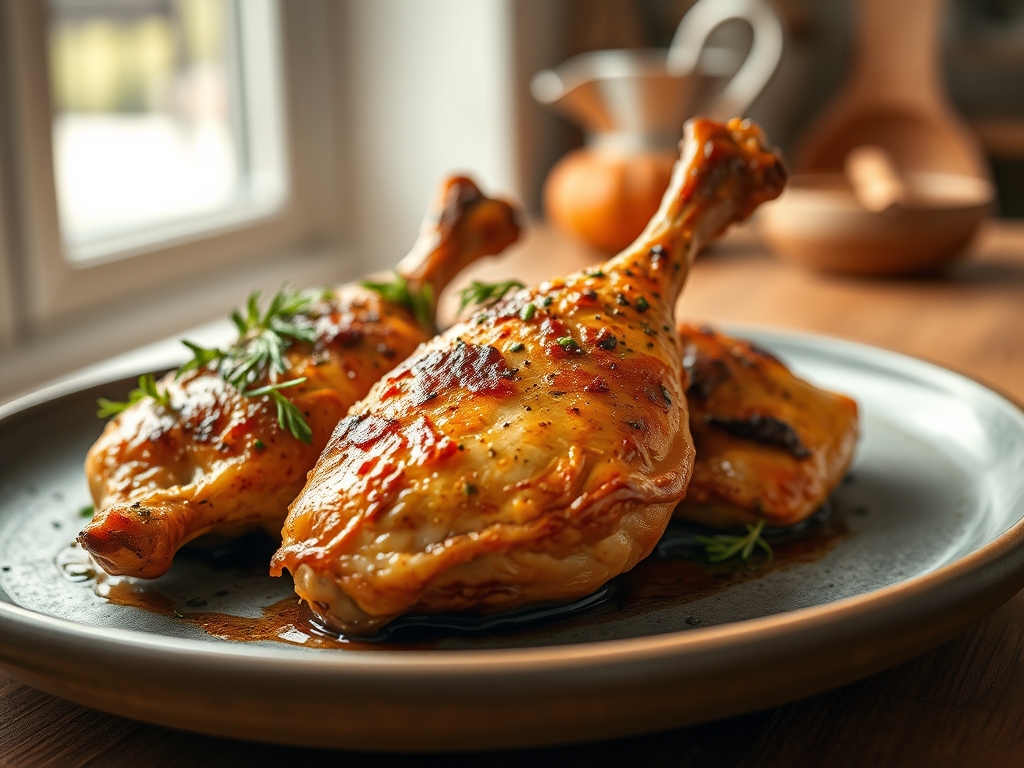
Picture the scene. Your kitchen is humming with the low glow of the oven light. The air is heavy with the scent of roasted garlic and the piquant zing of lemon zest. You want that perfect, golden crunch without the heavy grease of deep frying. Finding chicken recipes baked healthy is about more than just cutting calories; it is about mastering the molecular transformation of protein into a masterpiece of moisture and flavor. We are moving past the era of dry, sad poultry and entering a world where your sheet pan is a canvas for culinary excellence.
I have spent years perfecting the balance between nutritional density and chef-level technique. Whether you are craving a Mediterranean herb crust or a spicy harissa glaze, the secret lies in how we manipulate heat and surface area. We are going to dive into eight distinct flavor profiles that prove wellness and indulgence can live on the same plate. Grab your favorite apron; we are about to turn your weeknight routine into a high-end bistro experience.
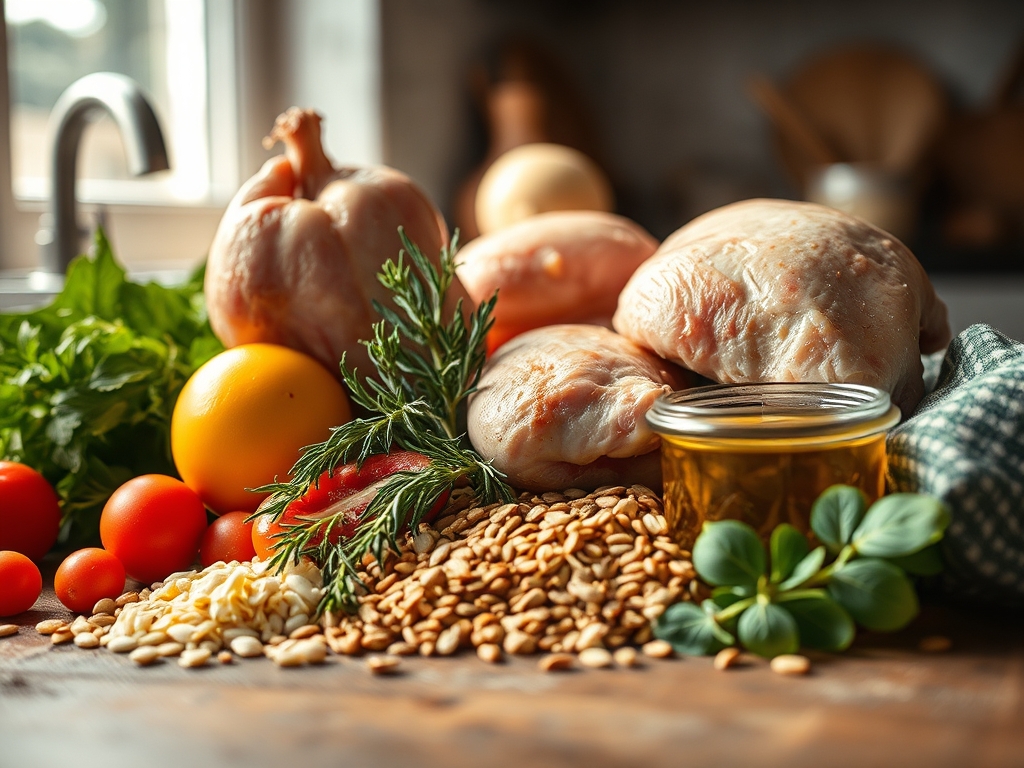
The Gathers:
Before we preheat, we must assemble our mise-en-place with surgical precision. Use your digital scale to ensure uniformity. We start with high-quality poultry, preferably air-chilled to prevent excess water weight from diluting the flavor profile. Our palette includes cold-pressed olive oil for its viscous mouthfeel and high-quality sea salt to initiate the osmotic process that keeps the meat juicy.
Smart Substitutions:
If you are watching your sodium, swap traditional table salt for a splash of coconut aminos to add a deep, umami-rich complexity. Instead of heavy breadcrumbs, use finely ground almond flour or crushed flaxseeds to achieve that desired crunch while adding a dose of healthy fats. For a piquant kick without the sugar of bottled sauces, use a microplane to grate fresh ginger and turmeric directly into your marinade. This ensures the essential oils are released immediately for maximum infusion.
The Clock: Efficient Chef's Flow
Efficiency in the kitchen is about managing the "Chef's Flow." Total prep time for these recipes averages twenty minutes, with a bake time of twenty-five to thirty-five minutes depending on the cut. While the oven reaches its target temperature, use your bench scraper to organize your aromatics. This "dead time" is also perfect for preparing a quick vinaigrette in a saucier or prepping a side of charred greens. By the time the timer dings, your kitchen should be clean, and your palate should be ready.
The Masterclass:
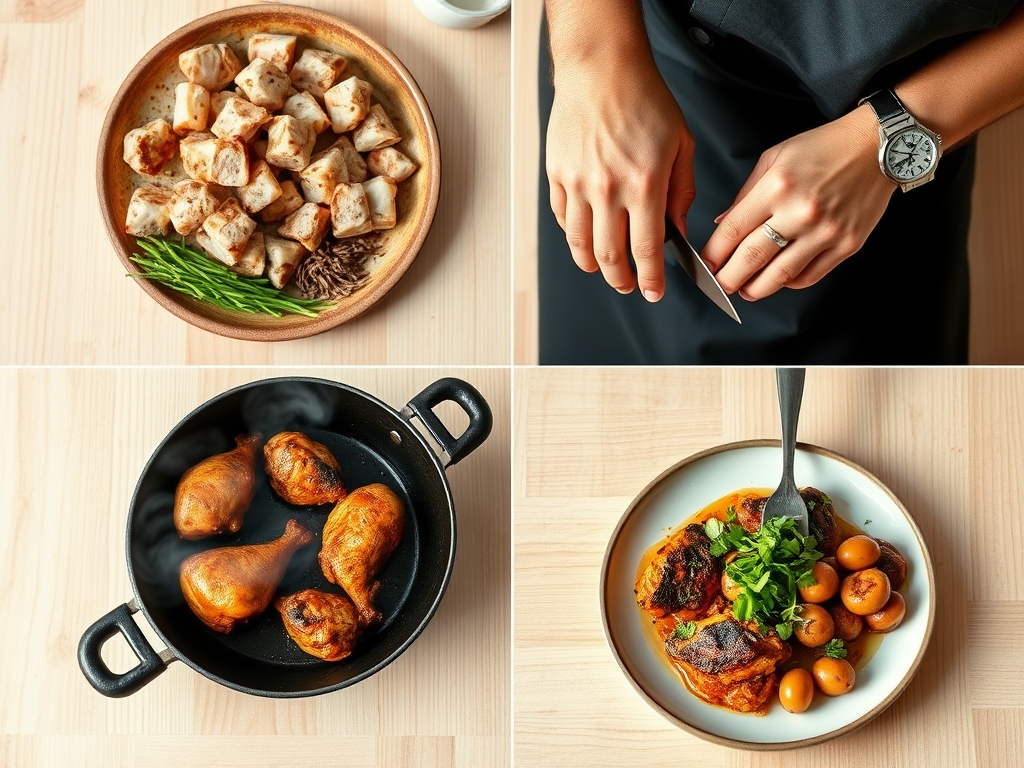
1. The Brining Protocol
Submerge your chicken in a solution of water, salt, and aromatics for at least thirty minutes. This allows the salt to denature the protein strands, creating a matrix that traps moisture during the high-heat roasting process.
Pro Tip: This is the science of osmosis. By increasing the salt concentration outside the cells, you actually force the cells to absorb more water, which prevents the meat from tightening and becoming tough during thermal exposure.
2. The Surface Preparation
Pat the skin or surface of the meat completely dry with paper towels. Any residual moisture on the surface will create steam, which is the enemy of the Maillard reaction.
Pro Tip: Achieving a golden-brown crust requires the chemical reaction between amino acids and reducing sugars. This only happens at temperatures above 285 degrees Fahrenheit. If the surface is wet, the temperature will stay stuck at 212 degrees until the water evaporates, leaving you with gray, rubbery meat.
3. The Aeration and Elevation
Place your chicken on a wire rack set inside a rimmed baking sheet. This allows hot air to circulate 360 degrees around the protein, ensuring the bottom stays as crisp as the top.
Pro Tip: This technique utilizes convection. By elevating the meat, you prevent it from sitting in its own rendered juices, which would otherwise braise the bottom of the chicken instead of roasting it.
4. The Flavor Infusion
Apply your dry rubs or thick glazes. Use tongs to ensure even coverage without cross-contaminating your workspace. For these chicken recipes baked healthy, we rely on concentrated spices like smoked paprika and cumin to provide depth.
Pro Tip: Fat-soluble vitamins and flavor compounds in spices are better released when paired with a light coating of oil. This creates a lipophilic environment where the spices can fully penetrate the surface of the meat.
5. The Thermal Monitoring
Use a digital probe thermometer to track the internal temperature. Remove the chicken when it hits 160 degrees Fahrenheit, even though the target is 165.
Pro Tip: This accounts for thermal carryover. The residual heat on the surface of the meat will continue to cook the center even after it is removed from the oven, raising the temperature by those final five degrees without overcooking the delicate fibers.
The Deep Dive:
When we look at the macro nutrition of these chicken recipes baked healthy, we are prioritizing high protein and moderate healthy fats. A standard four-ounce serving provides roughly 31 grams of protein and only 160 calories, making it a powerhouse for muscle recovery and satiety.
Dietary Swaps:
For my Keto friends, increase the fat content by adding a dollop of grass-fed butter or a pesto made with walnuts. For those who are Vegan, these same baking techniques and spice profiles work beautifully on extra-firm tofu or cauliflower steaks. If you are Gluten-Free, ensure your spices are certified and use cornstarch or arrowroot powder to thicken any pan juices into a luscious gravy.
The Fix-It:
- The Problem: The chicken is dry. The Fix: You likely skipped the brine or overcooked it. Use a thermometer every single time.
- The Problem: The skin is soggy. The Fix: Ensure the oven is fully preheated and the chicken is dry before it goes in.
- The Problem: The flavors are dull. The Fix: Add an acid. A squeeze of fresh lemon or a dash of apple cider vinegar right before serving will brighten the entire dish.
Meal Prep Science:
To maintain "day-one" quality when reheating, avoid the microwave. The microwave agitates water molecules, which can make the protein feel "rubbery." Instead, use a toaster oven at 350 degrees for ten minutes. This re-activates the fats and restores the crisp texture of the exterior.
The Wrap-Up:
Mastering chicken recipes baked healthy is your ticket to a vibrant, energized lifestyle without sacrificing the joy of a gourmet meal. By understanding the chemistry of heat and the importance of prep, you have transformed a simple ingredient into a nutritional powerhouse. Remember, cooking is an art, but baking is a science. Keep experimenting with your spice drawer, trust your thermometer, and always let your meat rest before slicing. You have got this, Chef!
The Kitchen Table:
How do I keep baked chicken from getting dry?
Always use a brine before cooking and pull the meat from the oven at 160 degrees. The carryover heat will finish the job. Letting the meat rest for five minutes after baking allows the juices to redistribute through the fibers.
Can I bake frozen chicken for these recipes?
It is not recommended. Frozen chicken releases excess moisture as it thaws in the oven, which prevents browning and leads to an uneven texture. Always thaw your poultry completely in the refrigerator before following these healthy baking steps.
What is the best temperature for baking healthy chicken?
A temperature of 400 degrees Fahrenheit is ideal. This high heat encourages the Maillard reaction for a flavorful exterior while cooking the inside quickly enough to retain maximum moisture. Lower temperatures often result in "steamed" meat rather than roasted.
Is it healthier to bake chicken with or without skin?
Baking with the skin on helps retain moisture and flavor. If you are strictly monitoring calories, you can remove the skin after cooking. This allows you to benefit from the moisture protection during the bake without consuming the extra fat.