
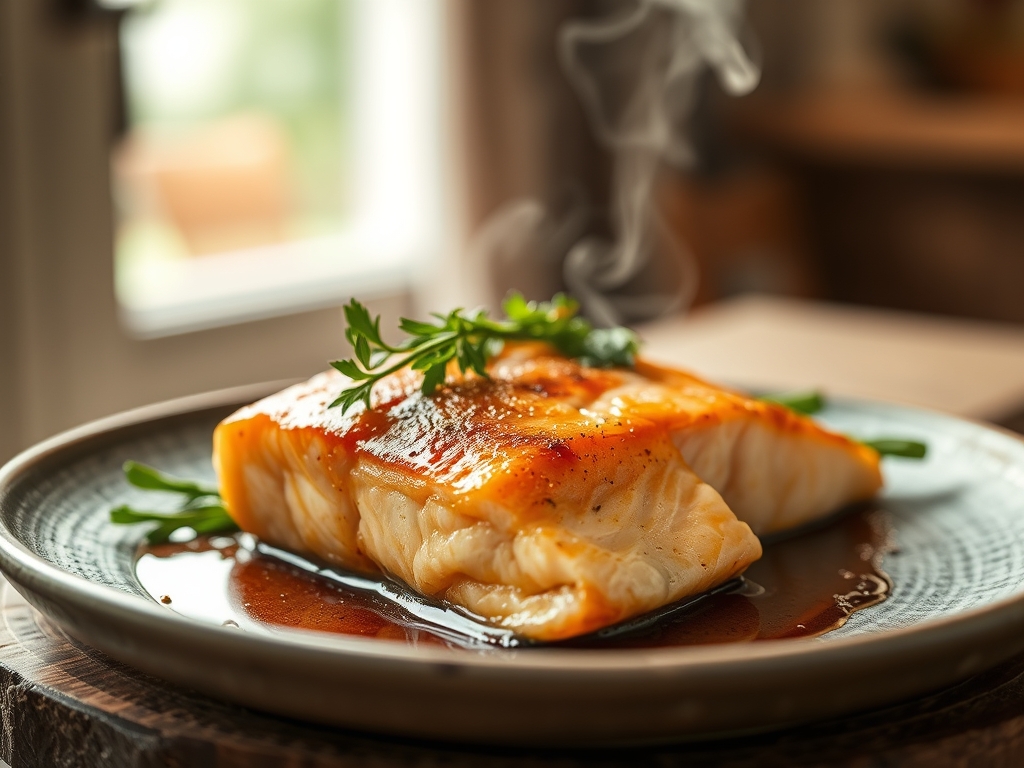
Close your eyes and listen for that distinct, rhythmic sizzle as cold protein meets a shimmering, hot pan. There is a specific magic that happens when you master salmon recipes soy ginger; it is the perfect collision of salty umami and the sharp, citrusy heat of fresh aromatics. We are not just making dinner here. We are orchestrating a chemical reaction that transforms a delicate fillet into a masterpiece of texture and flavor. The scent of caramelizing sugars and toasted ginger will fill your kitchen, signaling that something truly sophisticated is about to happen. Whether you are a seasoned home cook or a weekend warrior, understanding the molecular harmony between these ingredients is your ticket to a restaurant quality experience. We are going to dive deep into the mechanics of the sear, the viscosity of the glaze, and the precise timing required to keep that fish buttery and succulent. Grab your apron; it is time to turn up the heat and unlock the secrets to the ultimate soy ginger salmon.
The Gathers:
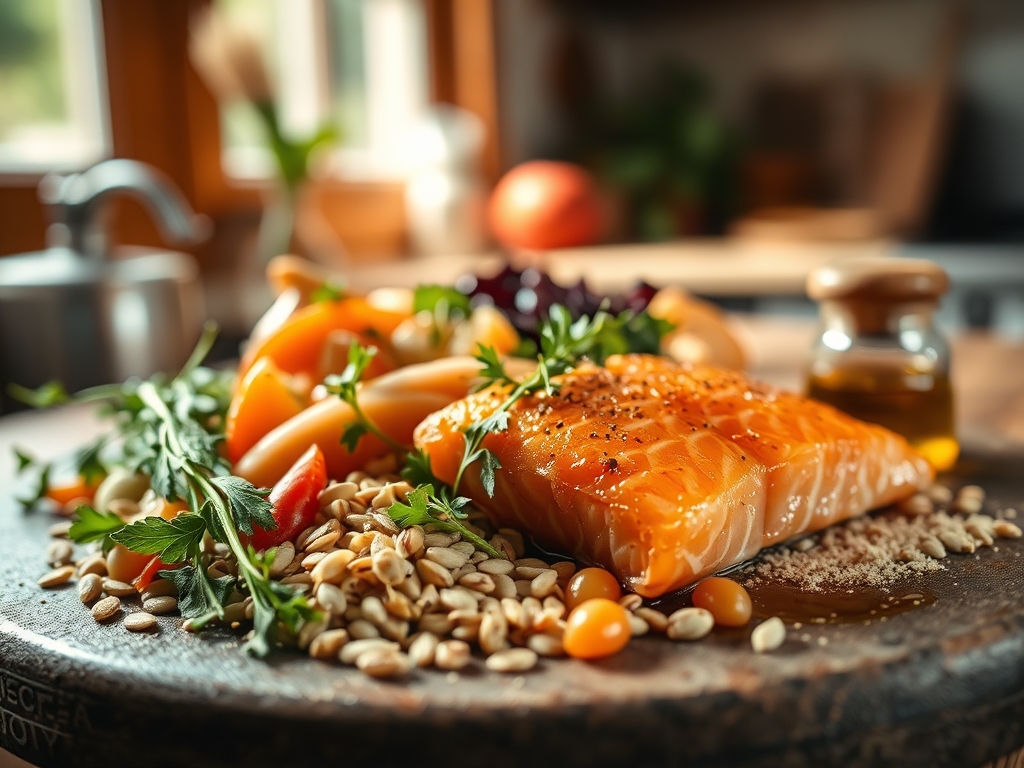
Setting your stage is the most critical step in professional cooking. For this recipe, your mise-en-place requires high-quality lipids and piquant aromatics. Start with four six-ounce salmon fillets; ideally center-cut for uniform thickness. You will need a high-quality, naturally brewed soy sauce which provides the fermented depth of amino acids. For the ginger, ignore the powdered stuff. You need a fresh, firm hand of ginger that feels heavy for its size. Use a microplane to grate it into a fine paste; this increases the surface area and allows the gingerol compounds to infuse the oil more efficiently.
Your pantry list also includes toasted sesame oil for its high smoke point and nutty profile, along with honey or maple syrup to facilitate the Maillard reaction. Smart Substitutions: If you are watching your sodium, reach for liquid aminos or coconut aminos. For a heat kick, a teaspoon of sambal oelek or sriracha adds a fermented chili complexity. If you lack fresh ginger, a ginger paste in a tube is your next best bet, though you will lose some of that bright, volatile citrus aroma. Always keep a bottle of rice vinegar on hand to provide the necessary acidity to cut through the fatty richness of the fish.
The Clock
Efficiency in the kitchen is all about the "Chef's Flow." Total active prep time is approximately 15 minutes, while the cooking process takes a mere 10 to 12 minutes depending on the thickness of your fillets. However, do not rush the "resting" phase. Allowing your salmon to sit at room temperature for 15 minutes before it hits the pan prevents the muscle fibers from seizing up, ensuring a more tender bite.
The flow works like this: Prep your aromatics while the pan preheats. Whisk your sauce in a small saucier or bowl. Sear the fish, glaze in the final two minutes, and let it rest for three minutes before serving. This cadence ensures that by the time your table is set, the salmon has reached its perfect internal temperature through residual heat.
The Masterclass
1. Tempering and Patting Dry
Remove your salmon from the refrigerator and pat it bone-dry with paper towels. Moisture is the enemy of a crisp sear. If the surface is damp, the heat of the pan will spend its energy evaporating water rather than browning the protein. Pro Tip: Removing moisture prevents the "steaming" effect; this is essential because dry skin leads to a faster, more even Maillard reaction.
2. The High-Heat Sear
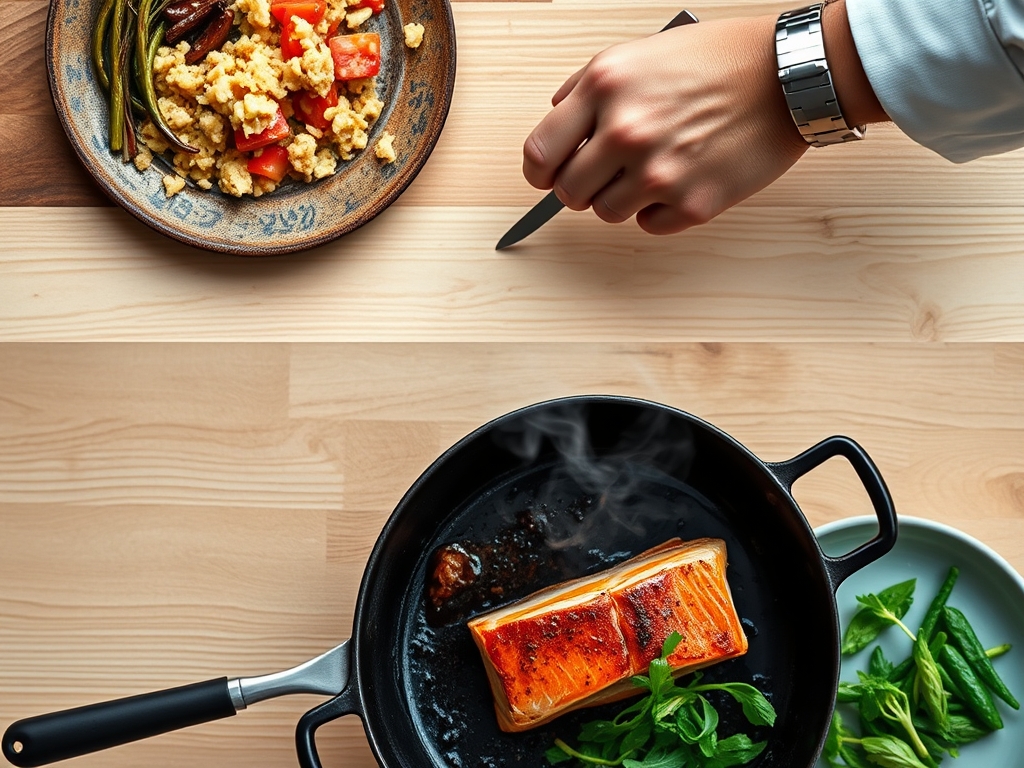
Heat a heavy-bottomed skillet or cast iron pan over medium-high heat until the oil shimmers. Place the salmon skin-side down. Use tongs to press the fillet down gently for the first 30 seconds to prevent the skin from curling. Pro Tip: Pressing the fish ensures maximum contact with the cooking surface, which facilitates even heat distribution and a perfectly rendered, cracker-crisp skin.
3. Creating the Emulsion
While the fish sears, whisk your soy, ginger, honey, and rice vinegar. You want to create a viscous liquid that will cling to the fish rather than running off into the corners of the pan. Pro Tip: The sugars in the honey act as a stabilizer, helping the oil and soy sauce emulsify into a glossy glaze that coats the palate.
4. The Flip and Deglaze
Once the skin is crisp and the flesh has cooked about two-thirds of the way up the side, flip the fillets. Immediately pour your soy-ginger mixture into the pan. It will bubble and hiss as it hits the hot metal. Pro Tip: This is a form of deglazing; the liquid picks up the "fond" or browned bits from the bottom of the pan, incorporating those deep flavors back into the sauce.
5. Basting for Brilliance
As the sauce reduces and thickens, use a large spoon to continuously pour the hot glaze over the top of the salmon. This technique, known as "arroser," keeps the top of the fish moist while the bottom finishes cooking. Pro Tip: Basting creates a layered lacquer of flavor; the repeated coating ensures the ginger and soy penetrate the surface without overcooking the delicate interior.
6. Managing Thermal Carryover
Pull the salmon off the heat when it is about 5 degrees below your target temperature. Use a digital scale or thermometer to check; 125 degrees Fahrenheit for medium-rare is the gold standard. Pro Tip: Thermal carryover means the internal temperature will continue to rise even after the fish is removed from the pan, preventing the dry, chalky texture of overcooked salmon.
The Deep Dive
From a nutritional standpoint, this dish is a powerhouse. Salmon is famous for its Omega-3 fatty acids, which support heart health and brain function. By using ginger, you are also adding anti-inflammatory properties to your meal. For those with specific dietary needs, this recipe is incredibly flexible. Vegan Swaps: Replace the salmon with thick slabs of "lion's mane" mushrooms or firm tofu. Keto/GF: Use tamari for a gluten-free option and swap the honey for a monk fruit sweetener to keep the carbs low.
The Fix-It: 3 Common Pitfalls
- The Skin Sticks: This usually happens if the pan wasn't hot enough or if you tried to flip the fish too early. Let the protein "release" naturally from the pan surface once the sear is complete.
- The Sauce is Too Salty: If your reduction becomes a salt bomb, whisk in a tablespoon of unsalted butter or a splash of water to mellow the intensity.
- The Ginger Tastes Bitter: This occurs if the ginger burns in the hot oil. Always add your aromatics toward the end of the searing process or as part of the liquid glaze to protect them.
Meal Prep and Reheating: To maintain "day-one" quality, do not microwave your salmon on high power. This causes the fats to explode and the protein to toughen. Instead, reheat it in a 275-degree oven covered with foil, or gently warm it in a pan with a splash of water to create steam.
The Wrap-Up
Mastering salmon recipes soy ginger is about more than just following a list of instructions; it is about understanding the relationship between heat, fat, and acidity. When you use the right tools, like a microplane for your ginger and a heavy-bottomed skillet for that perfect sear, you elevate a simple weeknight meal into a culinary event. Remember to dry your fish, watch your temperatures, and never skip the resting phase. You have the science; now go make something delicious.
The Kitchen Table
How do I get the skin extra crispy?
Ensure the skin is completely dry before cooking. Use a high-smoke-point oil and press the fillet firmly against the pan with a spatula for the first 30 seconds. This ensures even contact and renders the fat efficiently for a cracker-like crunch.
Can I use frozen salmon for this recipe?
Yes, but you must thaw it completely in the refrigerator first. Pat it extremely dry with paper towels to remove excess moisture from the freezing process. This prevents the fish from steaming in the pan instead of searing.
What is the best way to grate fresh ginger?
Use a microplane or a fine grater. You do not even need to peel it if the skin is thin; just grate it directly into your prep bowl. This creates a fine paste that distributes flavor more evenly than chopping.
How do I know when the salmon is finished?
The fish should be opaque on the outside and flake easily with a fork. For precision, use a digital thermometer to reach an internal temperature of 125 to 130 degrees Fahrenheit for a perfect medium finish.
What should I serve with soy ginger salmon?
Pair it with jasmine rice to soak up the extra glaze and steamed bok choy or snap peas for crunch. The acidity in the ginger also pairs beautifully with a crisp cucumber salad or pickled radishes.