
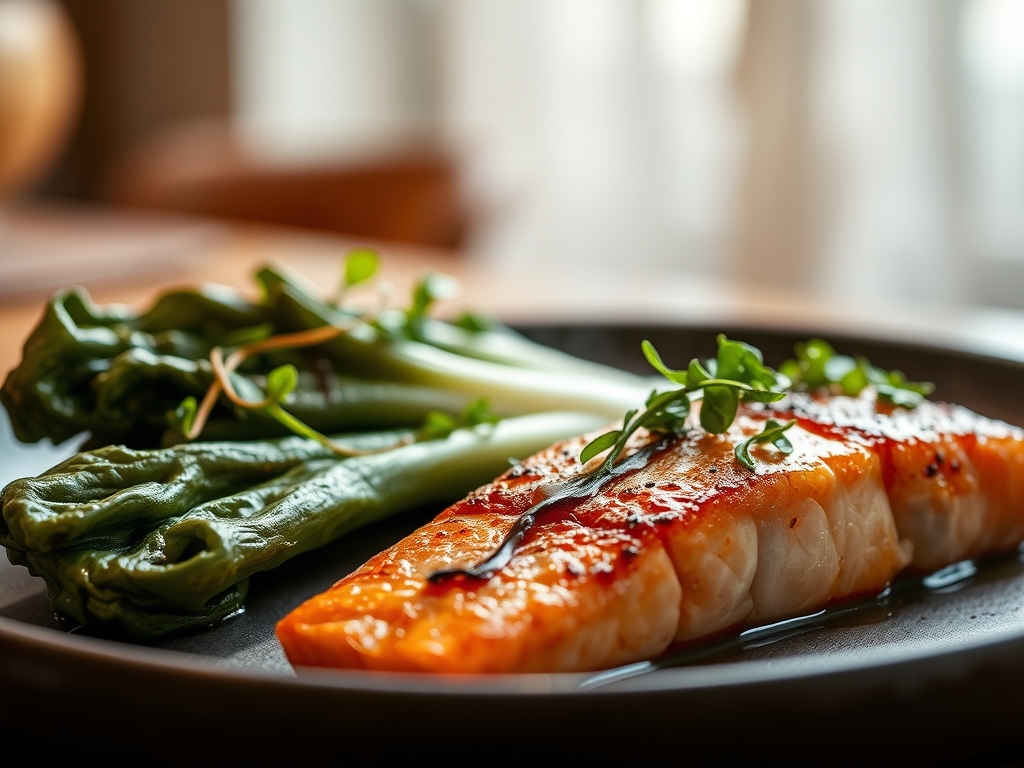
Picture the sound of a heavy-bottomed skillet meeting a high-flame burner. The air fills with the scent of ginger and garlic hitting hot oil. You are about to master the art of the perfect sear. Finding the best bok choy salmon recipes is not just about a healthy dinner; it is about the chemistry of crunch meeting the velvet texture of perfectly rendered fat.
This combination is a nutritional powerhouse that feels like a luxury. We are talking about the marriage of omega-3 fatty acids and the peppery, mineral-rich bite of brassicas. Whether you are looking for a quick weeknight sheet pan meal or a sophisticated glazed fillet, the synergy between these two ingredients is undeniable. I have spent years perfecting the ratio of salt to acid to ensure every bite is balanced. Today, we are diving deep into the molecular magic that makes this duo work. We will explore how to achieve that elusive crispy skin while keeping the greens vibrant and tender. Grab your favorite apron and let us get into the science of flavor.
The Gathers:
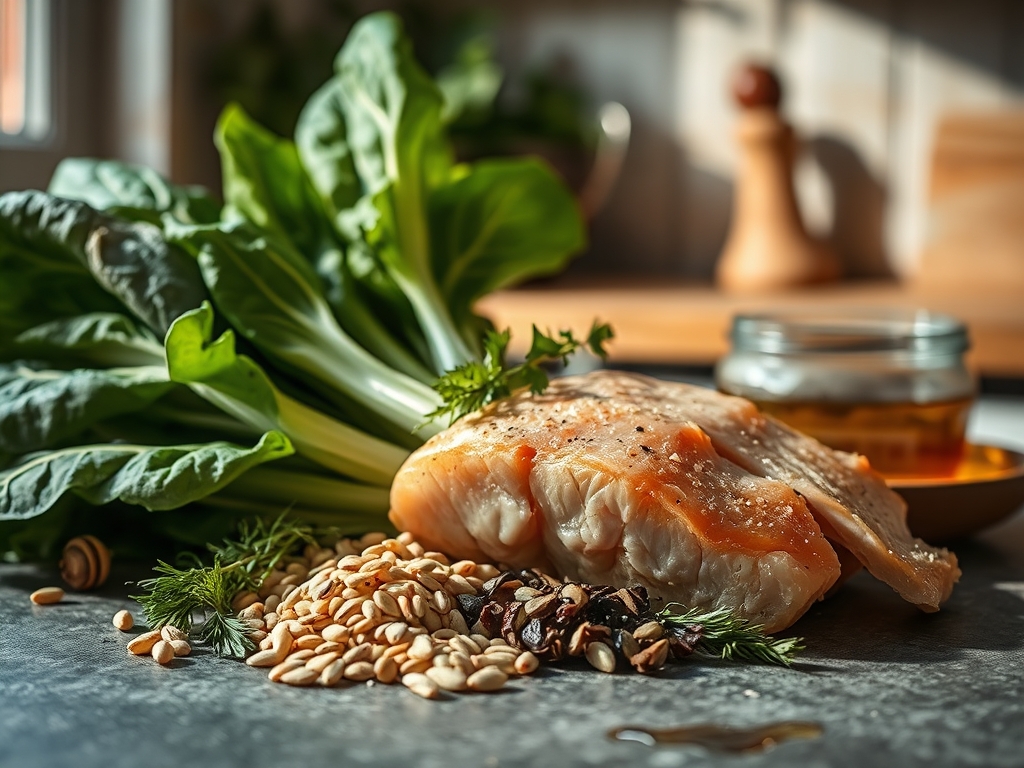
Setting up your mise-en-place is the difference between a frantic kitchen and a culinary masterpiece. For these bok choy salmon recipes, you need high-quality proteins and produce. Start with center-cut Atlantic or Sockeye salmon fillets. Use a digital scale to ensure each portion is roughly six ounces for consistent cooking times. Look for baby bok choy with rigid, pearlescent stalks and deep emerald leaves.
Your aromatics are the backbone of the dish. You will need fresh ginger, which we will grate with a microplane to release the volatile oils without the woody texture. Garlic should be sliced thin to allow for a slow infusion into the cooking fat. For the liquid components, gather low-sodium tamari, toasted sesame oil, and rice vinegar. The tamari provides the umami base, while the vinegar offers the necessary piquant acidity to cut through the salmon's richness.
Smart Substitutions:
If you cannot find baby bok choy, Swiss chard or tatsoi are excellent alternatives because they share a similar water-to-fiber ratio. For a soy-free version, coconut aminos offer a slightly sweeter, viscous profile. If you are out of fresh ginger, a pinch of ground galangal can provide that sharp, citrusy heat. Always keep a bench scraper nearby to move your prepped aromatics from the cutting board to the pan efficiently.
The Clock
Efficiency in the kitchen relies on what I call "Chef's Flow." This is the sequence of operations that ensures nothing sits getting cold or soggy. Total prep time for most bok choy salmon recipes is roughly 15 minutes. This includes washing the silt from the bok choy ribs and patting the fish bone-dry.
The cooking phase is swift, usually taking 10 to 12 minutes. You spend 6 minutes on the salmon to achieve Maillard-induced browning and 4 minutes on the greens to wilt them without losing their structural integrity. Always allow for a 3-minute rest period. This allows the internal juices to redistribute, ensuring a moist flake rather than a dry, chalky texture.
The Masterclass
1. The Surface Preparation
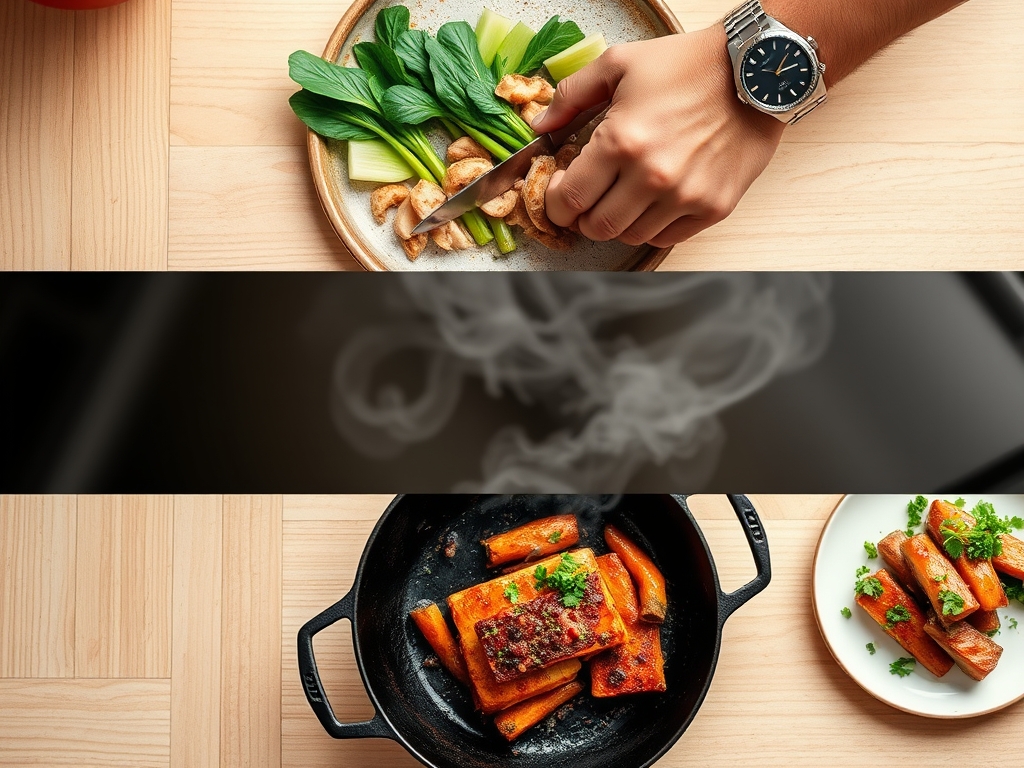
Begin by using paper towels to remove every trace of moisture from the salmon skin. Moisture is the enemy of the sear. Use a sharp knife to score the skin slightly. This prevents the fillet from curling as the proteins contract under heat.
Pro Tip: This step prevents steam pockets from forming between the skin and the pan. If the surface is wet, the energy of the pan goes into evaporating water rather than browning the protein.
2. Searing for Texture
Heat your heavy-bottomed skillet until a drop of water dances and evaporates instantly. Add a high-smoke-point oil like avocado oil. Place the salmon skin-side down and press firmly with a fish spatula for 30 seconds.
Pro Tip: Pressing the fish ensures maximum surface contact. This accelerates the Maillard reaction, creating a complex array of flavor molecules that are savory and toasted.
3. Infusing the Aromatics
Once you flip the salmon, move it to the side of the pan. Drop in your ginger and garlic. Use tongs to move them constantly so they soften and infuse the oil without burning.
Pro Tip: Garlic contains sulfur compounds that turn bitter if scorched. By adding them after the initial high-heat sear, you control the thermal degradation of these delicate flavors.
4. Deglazing the Pan
Pour in your mixture of tamari and rice vinegar. Use a wooden spoon to deglaze the bottom of the pan, scraping up the brown bits (the fond). This liquid will quickly become a viscous glaze.
Pro Tip: Deglazing captures the concentrated flavors stuck to the pan. The acid in the vinegar helps dissolve the protein bonds, incorporating them into a rich sauce.
5. Steam-Sautéing the Bok Choy
Add the halved bok choy to the pan, cut-side down. Cover with a lid for 90 seconds. This creates a localized steam environment that tenderizes the stalks while the leaves wilt into silk.
Pro Tip: This utilizes latent heat to cook the dense stalks without overcooking the delicate leaves. It maintains the chlorophyll levels, keeping the greens vibrant.
6. The Emulsification Finish
Remove the lid and add a cold pat of butter or a splash of sesame oil. Swirl the pan vigorously to aerate and emulsify the sauce into a glossy coating for the greens.
Pro Tip: Cold fat added to a hot liquid creates a stable emulsion. This coats the palate and carries the flavors of the ginger and garlic more effectively.
7. The Resting Phase
Transfer the salmon and greens to a warm plate. Let the dish sit for three minutes before serving. Garnish with toasted sesame seeds or sliced scallions for added texture.
Pro Tip: Thermal carryover will continue to cook the fish by about 5 degrees after it leaves the pan. Resting prevents the cell walls from rupturing, keeping the moisture inside.
The Deep Dive
From a macro perspective, this meal is a gold mine. A standard serving provides approximately 35 grams of high-quality protein and is rich in Vitamin K and Vitamin A. The fats are primarily unsaturated, supporting heart health and cognitive function.
For those following specific diets, this is naturally Gluten-Free if you use tamari. For a Keto version, omit any added honey or sugar in the glaze. Vegan friends can swap the salmon for thick slabs of king oyster mushrooms or firm tofu, which both respond beautifully to the same searing and deglazing techniques.
The Fix-It:
- Soggy Skin: Your pan was likely not hot enough. Next time, wait for the oil to shimmer and slightly smoke before adding the fish.
- Bitter Garlic: You added the aromatics too early. Always wait until the final minutes of cooking to protect those delicate compounds.
- Tough Bok Choy: You skipped the steaming step. The stalks need that trapped moisture to break down the tough cellulose fibers.
Meal Prep:
If you are prepping this for work, undercook the salmon slightly. When reheating, use a damp paper towel over the container in the microwave. This creates a mini-steam chamber, preventing the fish from becoming rubbery. Better yet, eat the salmon cold over a fresh bok choy salad to preserve the omega-3 integrity.
The Wrap-Up
Mastering bok choy salmon recipes is a gateway to high-level home cooking. It teaches you to balance heat, timing, and texture in a single pan. By understanding the science of the sear and the importance of aromatics, you are no longer just following a recipe; you are controlling the chemistry of your food. This dish is vibrant, sophisticated, and incredibly satisfying. Now, go turn on that burner and make something beautiful!
The Kitchen Table
Can I use frozen salmon for these recipes?
Yes, but you must thaw it completely in the refrigerator and pat it extremely dry. Frozen fish often contains extra moisture, which can hinder the Maillard reaction and result in a steamed rather than seared texture.
How do I clean bok choy properly?
Slice the bok choy lengthwise first. Submerge the halves in a bowl of cold water and agitate them. This dislodges any silt or sand trapped between the tight ribs near the base of the plant.
Why is my salmon sticking to the skillet?
The protein likely has not finished the "release" phase. As the skin sears and dehydrates, it will naturally pull away from the pan. If it sticks, give it another thirty seconds of undisturbed heat.
What is the best way to store leftovers?
Store in an airtight glass container for up to two days. Glass is non-porous and will not absorb the fish aroma. Reheat gently to avoid denaturing the proteins and making the fish tough.