
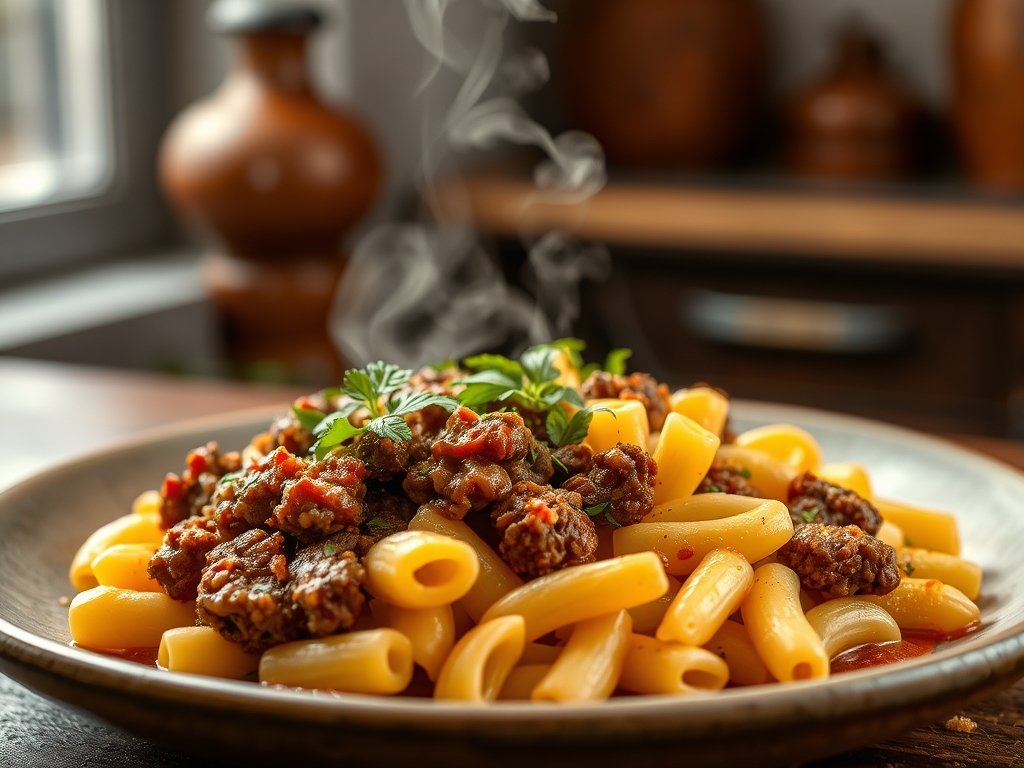
Picture the steam rising from a heavy-bottomed skillet; it carries the scent of caramelized onions and rich, rendered fats. There is a primal comfort in the combination of al dente pasta and savory protein. Mastering elbow macaroni and ground beef recipes requires more than boiling water; it demands an understanding of heat transfer and flavor extraction.
Let us transform your weeknight routine into a culinary masterclass. We are moving beyond the basic "goulash" of your childhood and into the realm of sophisticated, balanced meals. Whether you are craving a piquant chili mac or a creamy, emulsified cheeseburger pasta, the foundation remains the same. It is about the tension between the chew of the noodle and the umami of the beef.
By the time we finish, you will understand how to manipulate starch and fat to create sauces that cling perfectly to every curve of the macaroni. We are aiming for that glossy, restaurant-quality finish that only comes from precise technique. Grab your apron and your favorite wooden spoon; we have some serious flavor to build.
The Gathers:
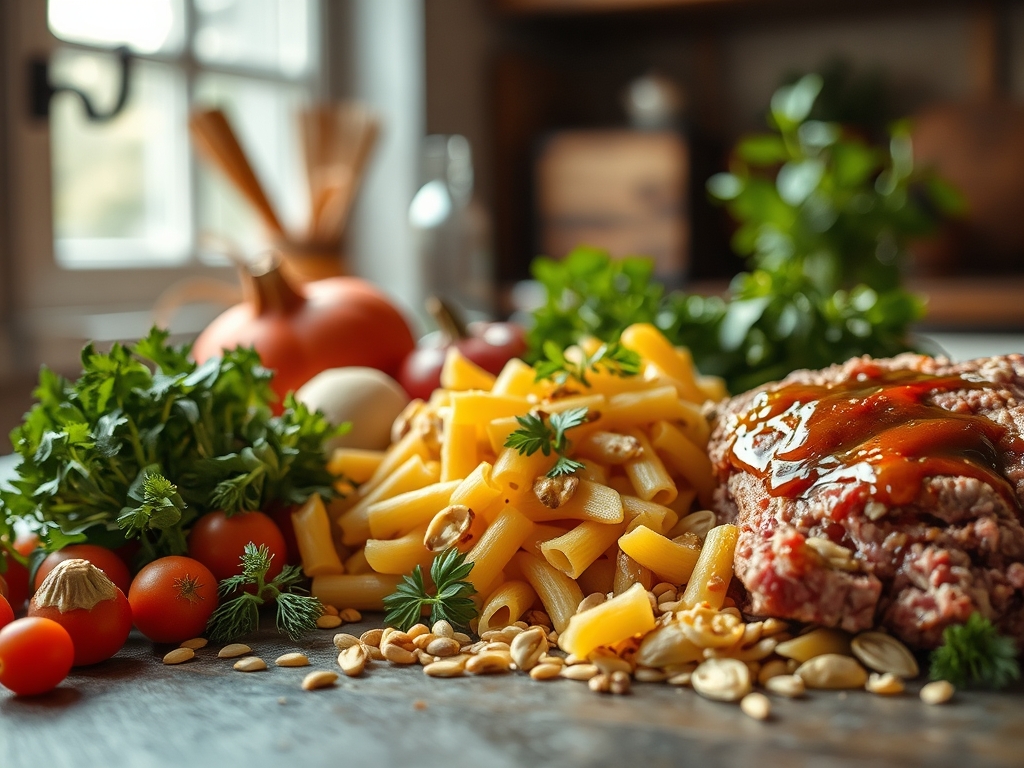
To execute these elbow macaroni and ground beef recipes with precision, your mise-en-place must be flawless. Start with your protein. I recommend a 80/20 blend of ground chuck. The 20 percent fat content is essential for the Maillard reaction, providing the lipids necessary to brown the meat without it becoming desiccated. For the pasta, look for durum wheat semolina; the high protein content ensures the elbow macaroni maintains its structural integrity during the secondary cooking phase in the sauce.
Your aromatics are the backbone of the dish. You will need yellow onions for their high sugar content, which facilitates caramelization, and fresh garlic cloves. Do not use the pre-minced jarred variety; the sulfurous compounds degrade over time, leaving a bitter aftertaste. Instead, use a microplane to grate your garlic into a fine paste, ensuring it integrates seamlessly into the fat.
Smart Substitutions:
If you are looking to lighten the profile, ground turkey or chicken can be substituted, though you must add a teaspoon of Worcestershire sauce to mimic the deep umami of beef. For a gluten-free alternative, brown rice pasta holds up best under heat, but be sure to shave two minutes off the boiling time to prevent the noodles from becoming mushy. If you find yourself out of tomato paste, a concentrated sun-dried tomato pesto offers a more complex, piquant depth.
The Clock: Timing the Chef's Flow
Efficiency in the kitchen is about overlapping tasks to maximize flavor while minimizing "dead air." A standard recipe in this category takes approximately 35 minutes from start to finish. Spend the first 10 minutes on your knife work. Use a bench scraper to clear your board quickly, moving your chopped aromatics into bowls so your workspace remains tidy.
The "Chef's Flow" dictates that your pasta water should reach a rolling boil just as your beef finishes its initial sear. This synchronization allows you to move the macaroni directly from the pot to the skillet. This preserves the viscous pasta water, which is liquid gold for emulsifying your sauce. If you time it correctly, the pasta finishes its last two minutes of cooking inside the sauce, absorbing the beef's juices rather than just sitting on top of them.
The Masterclass:
1. The High-Heat Sear
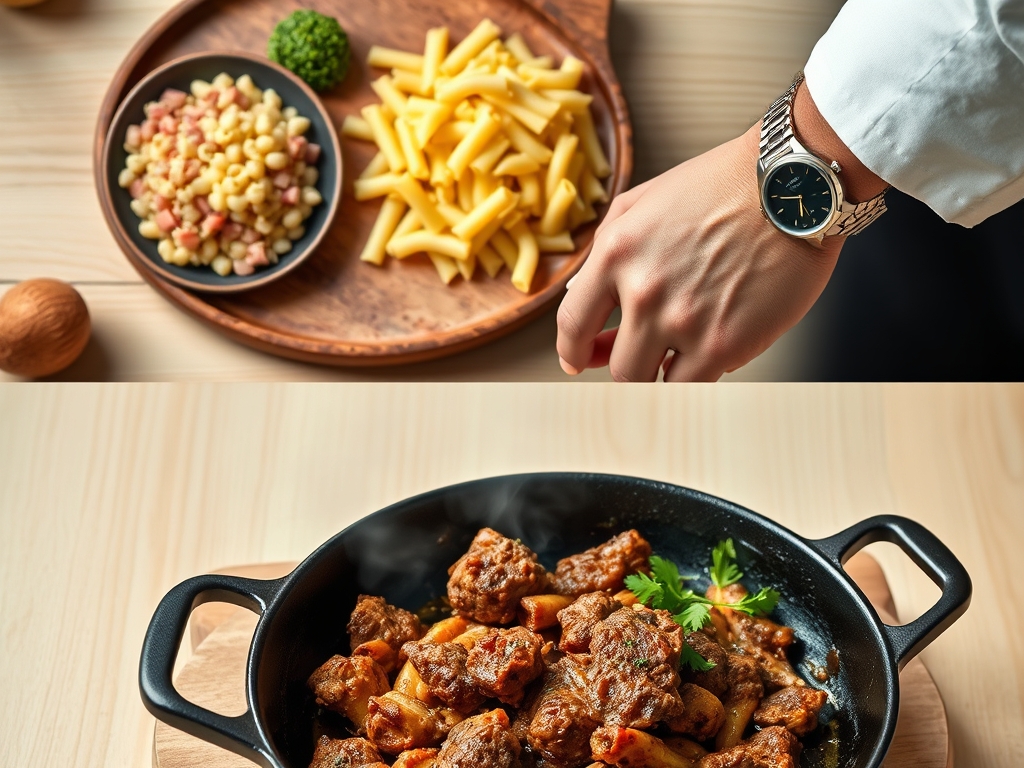
Place your heavy-bottomed skillet over medium-high heat. Do not crowd the pan. Add the ground beef in a single layer and let it sit undisturbed for three minutes. You are waiting for the Maillard reaction, a chemical reaction between amino acids and reducing sugars that creates that signature savory crust.
Pro Tip: Use a digital scale to portion your meat into half-pound increments if cooking in batches. Overcrowding drops the pan temperature, causing the meat to steam in its own moisture rather than sear.
2. Deglazing and Aromatics
Once the meat is browned, push it to the perimeter and add your onions. As they release moisture, use a wooden spoon to scrape the "fond" (the brown bits) off the bottom of the pan. This is called deglazing. Add your garlic and spices now.
Pro Tip: Fat is a flavor carrier. Toasting your dry spices in the rendered beef fat for 60 seconds will infuse the oil with fat-soluble flavor compounds, amplifying the dish's aromatic profile.
3. The Starch Integration
Boil your elbow macaroni in highly salted water (it should taste like the sea). Drain the pasta when it is two minutes shy of the package's "al dente" instructions. Save a cup of the starchy water before draining.
Pro Tip: This is known as par-cooking. The pasta will finish cooking via thermal carryover once it hits the sauce, preventing the noodles from becoming bloated and waterlogged.
4. Emulsifying the Sauce
Add your liquid base (tomato sauce, broth, or cream) to the beef. Slowly whisk in half a cup of the reserved pasta water. The starches in the water act as a bridge between the fats in the beef and the liquids in the sauce, creating a glossy, viscous coating.
Pro Tip: This process is called emulsification. Without the starchy water, your sauce may "break," leaving a greasy film at the bottom of the bowl.
The Deep Dive:
Macro Nutrition
A standard serving of these elbow macaroni and ground beef recipes provides a balanced profile of approximately 35g of carbohydrates, 28g of protein, and 14g of fat. To increase the fiber content, you can "volume eat" by folding in two cups of baby spinach at the very end; the residual heat will wilt the greens without destroying their micronutrients.
Dietary Swaps
- Vegan: Replace the beef with a walnut and lentil crumble and use a nutritional yeast-based "cheese" sauce to maintain the umami profile.
- Keto: Swap the macaroni for roasted cauliflower florets or shirataki noodles.
- GF: Use a high-quality corn and quinoa blend pasta to ensure the texture remains firm.
The Fix-It: Common Pitfalls
- The Sauce is Too Thin: Do not keep boiling it, which overcooks the meat. Instead, whisk a teaspoon of cornstarch into cold water (a slurry) and stir it in.
- The Meat is Greasy: You likely didn't drain the excess fat after the initial sear. Use a saucier or tilted pan to spoon out the grease before adding your liquids.
- The Pasta is Mushy: You skipped the par-cooking step. Next time, pull the pasta earlier. To save a mushy batch, add a crunchy topping like toasted breadcrumbs to provide textural contrast.
Meal Prep: Reheating Science
To maintain "day-one" quality, reheat your leftovers on the stovetop rather than the microwave. Add a splash of beef broth or water to the pan. This introduces steam, which re-hydrates the starch molecules in the pasta that have undergone retrogradation (hardening) in the fridge.
The Wrap-Up:
You are now armed with the technical prowess to turn humble elbow macaroni and ground beef recipes into a rotating gallery of culinary wins. Remember, the secret isn't in a "magic ingredient" but in the physics of the sear and the chemistry of the emulsion. Keep your heat high, your pasta water salty, and your kitchen energy even higher. Go forth and cook like the pro you are!
The Kitchen Table:
How do I prevent the macaroni from getting soggy in leftovers?
Under-cook the pasta by three minutes during the initial prep. When you reheat the dish later, the noodles will absorb the sauce and reach perfect tenderness without losing their structural integrity or becoming unpleasantly soft.
What is the best beef-to-pasta ratio?
For a balanced bite, use a 1:1 ratio by weight. One pound of ground beef paired with one pound of dry elbow macaroni ensures that every forkful has an even distribution of protein, pasta, and savory sauce.
Can I make this in one pot to save time?
Yes, but watch your liquid levels. You will need roughly double the liquid (broth or water) compared to the volume of pasta. The starch stays in the pan, creating a naturally thick, creamy sauce as the macaroni boils.
Why does my ground beef look grey instead of brown?
The pan wasn't hot enough or you overcrowded it. High heat is required to trigger the Maillard reaction. If the pan is too full, moisture cannot escape as steam, causing the meat to boil rather than sear.