
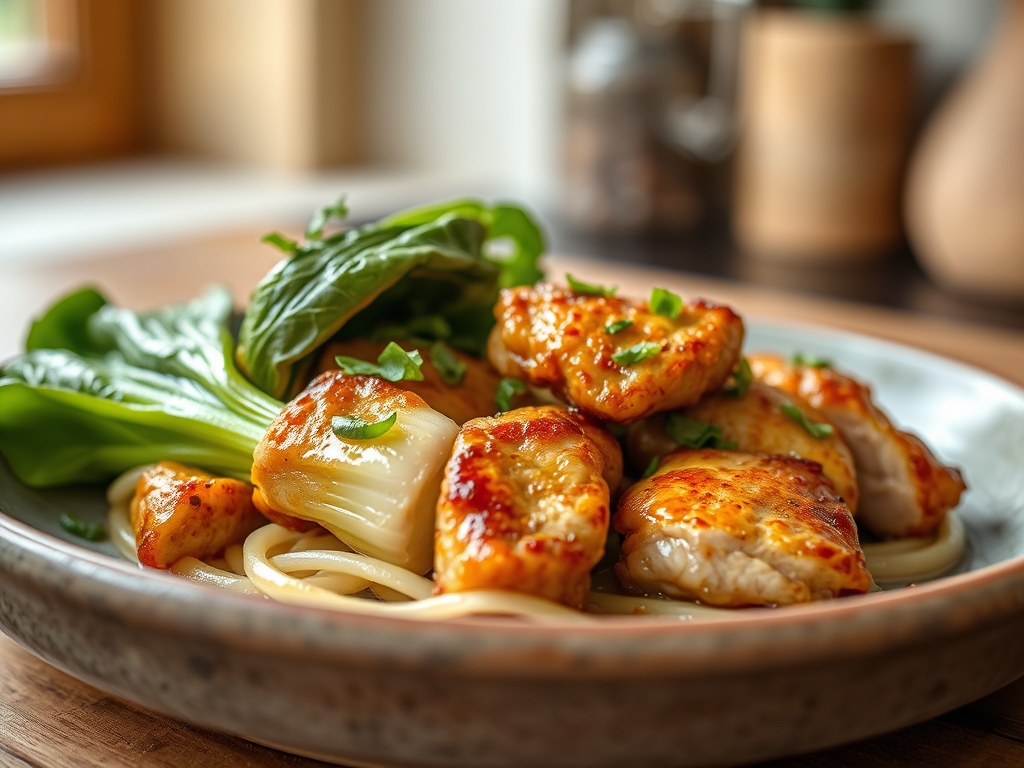
Imagine the sharp hiss of a heavy-bottomed skillet meeting cold oil. That sound is the overture to a dinner that balances high-intensity heat with garden-fresh crunch. When you master bok choy and chicken recipes, you are playing with a spectrum of textures; from the succulent, fat-rendered thigh meat to the aqueous, mineral-rich snap of a pale green stalk.
It is the ultimate culinary marriage. You have the savory, protein-dense chicken acting as a canvas for a vegetable that is essentially a structural water-delivery system. Bok choy, or Brassica rapa subsp. chinensis, offers a unique duality. The leaves wilt into a silky, chlorophyll-rich ribbon while the bulbs remain stubbornly crisp. This contrast is why these pairings are staples in professional kitchens. We are not just making dinner; we are engineering a balance of pH, salt, and crunch that hits every corner of your palate.
The Gathers:
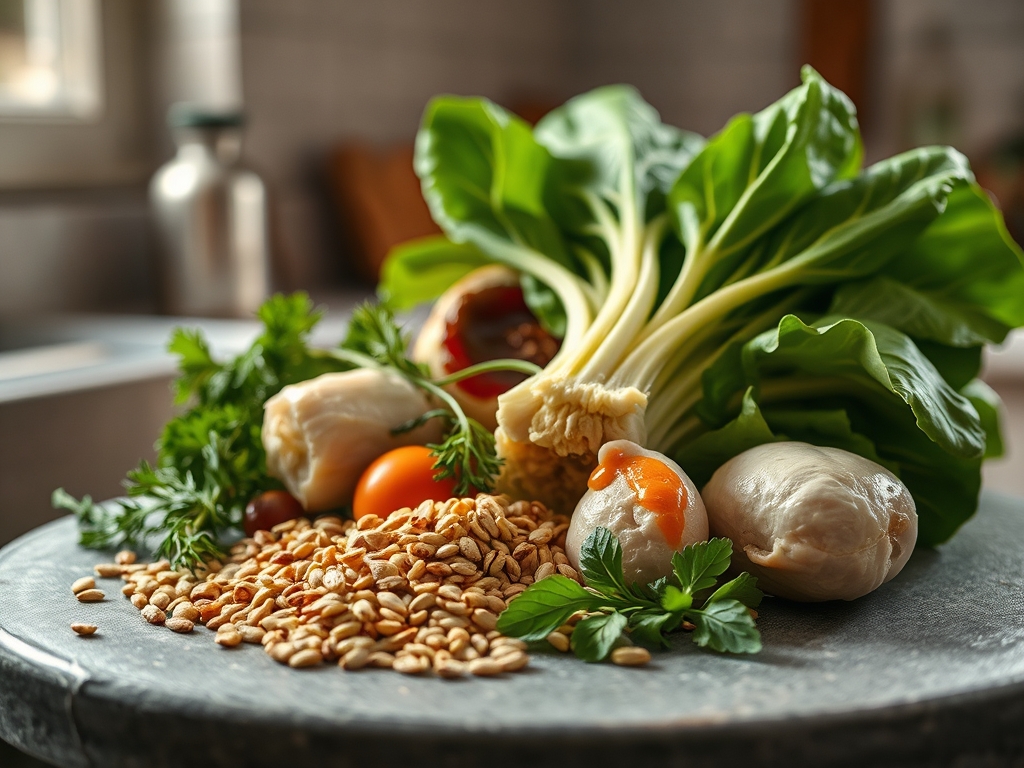
Before the first flame is lit, your mise-en-place must be clinical. For the chicken, aim for organic thighs or breasts sliced against the grain to shorten the muscle fibers; this ensures a tender mouthfeel. The bok choy should be vibrant with no yellowing on the leaf tips. Use a sharp chef knife to separate the white stalks from the green leaves since they require different thermal exposure.
Your aromatics are the backbone here. You need fresh ginger, which contains zingibain, a protease that actually helps tenderize meat. Pair this with garlic and scallions for the classic "holy trinity" of flavor. For the sauce, gather a high-quality soy sauce for salinity, toasted sesame oil for its lipid-rich aroma, and a splash of Shaoxing wine or dry sherry to deglaze the pan.
Smart Substitutions:
If you are avoiding soy, coconut aminos offer a similar viscous quality with a lower glycemic index. For those who cannot find baby bok choy, regular chard or even Napa cabbage can work, though they lack the specific peppery bite of the brassica family. If you want to increase the heat, a dollop of chili crisp or a few dried Szechuan peppercorns will provide that signature numbing sensation known as mace.
The Clock
Efficiency in the kitchen is about "Chef's Flow." This means grouping tasks by tool rather than by ingredient. Total prep time for these recipes usually clocks in at 15 minutes, with a rapid 8 to 10 minute cook time.
The secret is the "Staggered Entry." You cannot throw everything into the skillet at once or you will drop the surface temperature, leading to steaming instead of searing. Start with your protein to establish a crust; then move to the aromatics; and finally, finish with the greens. By the time the chicken reaches its safe internal temperature of 165 degrees Fahrenheit, the bok choy stalks will be al dente and the leaves perfectly wilted.
The Masterclass
1. The Sear and Render
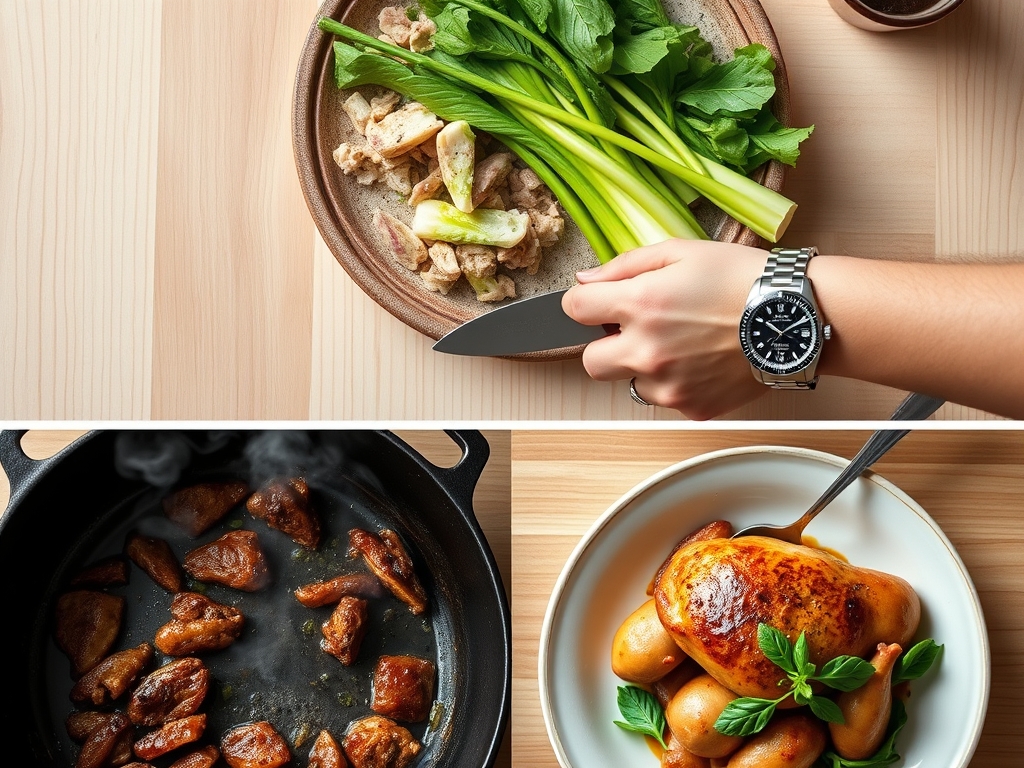
Place your chicken in a preheated cast-iron or carbon steel pan. Do not crowd the pieces. You want to trigger the Maillard reaction, which is the chemical dance between amino acids and reducing sugars that creates a brown, savory crust.
Pro Tip: Avoid moving the meat for the first two minutes. This allows the proteins to denature and release naturally from the pan surface, preventing tearing and ensuring a deep flavor profile through enzymatic browning.
2. The Aromatic Infusion
Once the chicken is golden, push it to the perimeter of the pan and drop your minced ginger and garlic into the center. This is where you infuse the oil. The heat pulls the essential oils out of the aromatics and into the cooking fat, which then coats every other ingredient.
Pro Tip: Use a microplane for the ginger to create a fine paste. This increases the surface area, allowing for a more rapid release of flavor compounds without the risk of biting into a woody chunk.
3. The Stalk Sauté
Add the chopped bok choy stalks first. These are dense and contain a high water content. You want to sauté them until they become slightly translucent but still retain a structural snap.
Pro Tip: Adding a pinch of salt now uses osmosis to draw out excess moisture, allowing the stalks to soften slightly while the exterior begins to caramelize in the chicken fat.
4. The Deglaze and Emulsify
Pour in your liquid components; soy sauce, rice vinegar, and a touch of honey or sugar. Use a wooden spoon or bench scraper to lift the "fond," those delicious brown bits stuck to the bottom of the pan.
Pro Tip: This process is called deglazing. The acidity in the vinegar helps dissolve the caramelized proteins, incorporating them into a viscous sauce that clings to the chicken.
5. The Leafy Finish
Toss in the green bok choy leaves at the very last second. They require almost zero direct heat; the residual steam from the sauce is enough to collapse them.
Pro Tip: This relies on thermal carryover. If you cook the leaves until they look "done" in the pan, they will be slimy and overcooked by the time they reach the table.
6. The Final Aeration
Remove the pan from the heat and drizzle with toasted sesame oil. Give the pan a vigorous shake to aerate the sauce and distribute the fats evenly.
Pro Tip: Never cook with toasted sesame oil over high heat. Its smoke point is low, and high temperatures will destroy the delicate volatile compounds that provide its signature nutty aroma.
The Deep Dive
From a nutritional standpoint, bok choy and chicken recipes are a powerhouse. A single serving provides over 100 percent of your daily Vitamin K requirement, which is essential for bone health. The chicken offers high-quality lean protein, making this a favorite for those tracking macros.
Dietary Swaps:
For a Keto version, omit the honey and use a thickening agent like xanthan gum instead of cornstarch. Vegan friends can swap the chicken for extra-firm pressed tofu or tempeh; just ensure you press the moisture out first to allow for a proper sear. For a Gluten-Free plate, always verify that your soy sauce is actually Tamari.
The Fix-It:
- Soggy Veggies: This happens when the pan is too cold. Fix it by removing the ingredients and reducing the sauce separately on high heat, then tossing everything back together at the last second.
- Bland Sauce: Usually a lack of acidity. A squeeze of fresh lime juice or a teaspoon of rice vinegar will brighten the flavors instantly.
- Dry Chicken: You likely overcooked it. Next time, use a digital scale to ensure even thickness or use chicken thighs, which are more forgiving due to their higher fat content.
Meal Prep:
When reheating, do not use the microwave on high power; it turns bok choy into rubber. Instead, use a saucier with a tablespoon of water or broth. Cover it and steam on low heat to rehydrate the fibers without toughening the protein.
The Wrap-Up
Mastering the balance of bok choy and chicken recipes is about more than just following a list; it is about understanding the physics of the pan. When you respect the different cook times of the stalk and the leaf, and you treat your chicken with the heat it deserves, you create a meal that feels both indulgent and incredibly clean. Now, grab your tongs, get that skillet screaming hot, and go make something brilliant.
The Kitchen Table
How do I keep bok choy from getting soggy?
To prevent sogginess, separate the stalks from the leaves. Sauté the dense stalks first for several minutes, then add the leaves at the very end. This ensures the stalks are tender while the leaves stay vibrant and silky.
Is bok choy better than spinach for stir fry?
Bok choy is often superior for stir frying because its thick stalks provide a structural crunch that spinach lacks. While spinach disappears into the dish, bok choy maintains its volume and adds a complex, peppery mineral flavor.
Can I use frozen chicken for this recipe?
You can use frozen chicken if it is thawed completely and patted dry with paper towels. Excess moisture on the surface of the meat prevents the Maillard reaction, resulting in grey, steamed meat rather than a golden, savory sear.
What is the best way to wash bok choy?
Bok choy grows in sandy soil, so dirt often hides in the base. Slice the stalks away from the core and submerge them in a bowl of cold water. Agitate gently, then dry thoroughly before hitting the hot oil.