
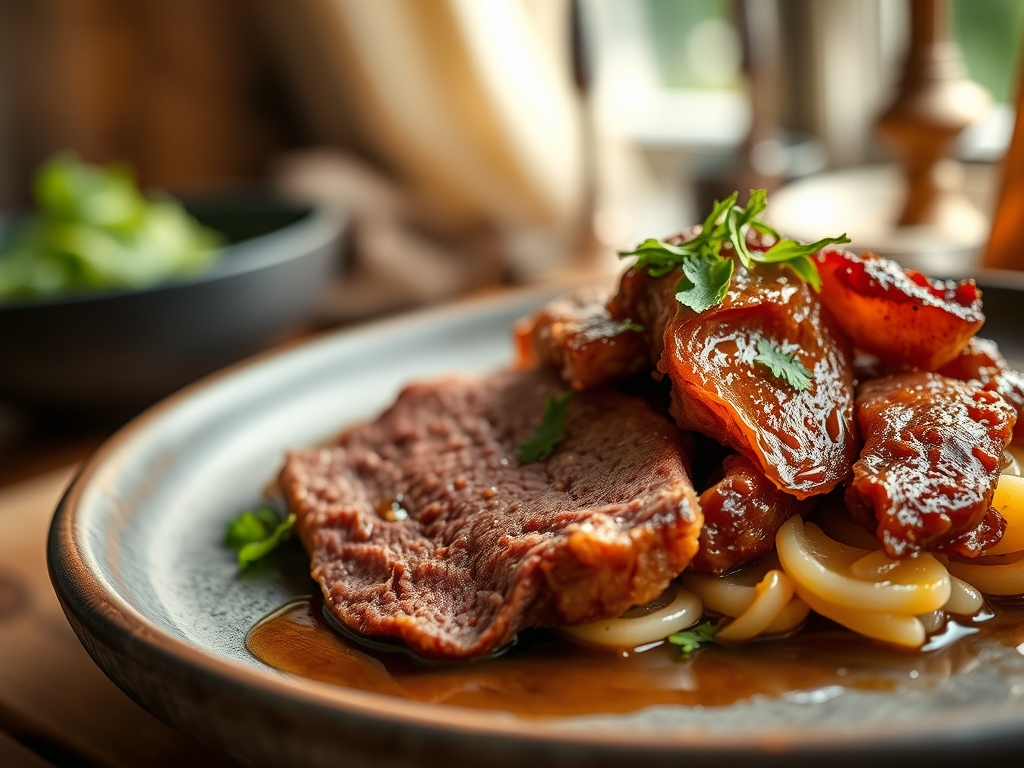
The hiss of cold fat hitting a preheated heavy-bottomed skillet is the unofficial anthem of a Filipino morning. There is something primal about the way the salt-cured beef strands begin to render, transforming from a dense, ruby-colored block into crispy, umami-rich lace. When you are hunting for the best corned beef recipes filipino style, you are not just looking for a meal; you are seeking that specific balance of garlic-heavy aromatics and the piquant bite of vinegar-soaked onions. It is a nostalgic staple that bridges the gap between a quick pantry pull and a gourmet brunch.
Whether you prefer yours swimming in a viscous tomato broth or fried until it reaches a state of shattered-glass crispiness, the chemistry remains the same. We are manipulating moisture content and surface area to maximize the Maillard reaction. By the time the rice is steaming and the eggs are over-easy, your kitchen will smell like a masterclass in savory comfort. Grab your favorite apron and a sturdy wooden spoon; we are about to elevate a humble tin of beef into six distinct culinary experiences that prove why this dish owns the Filipino breakfast table.
The Gathers:
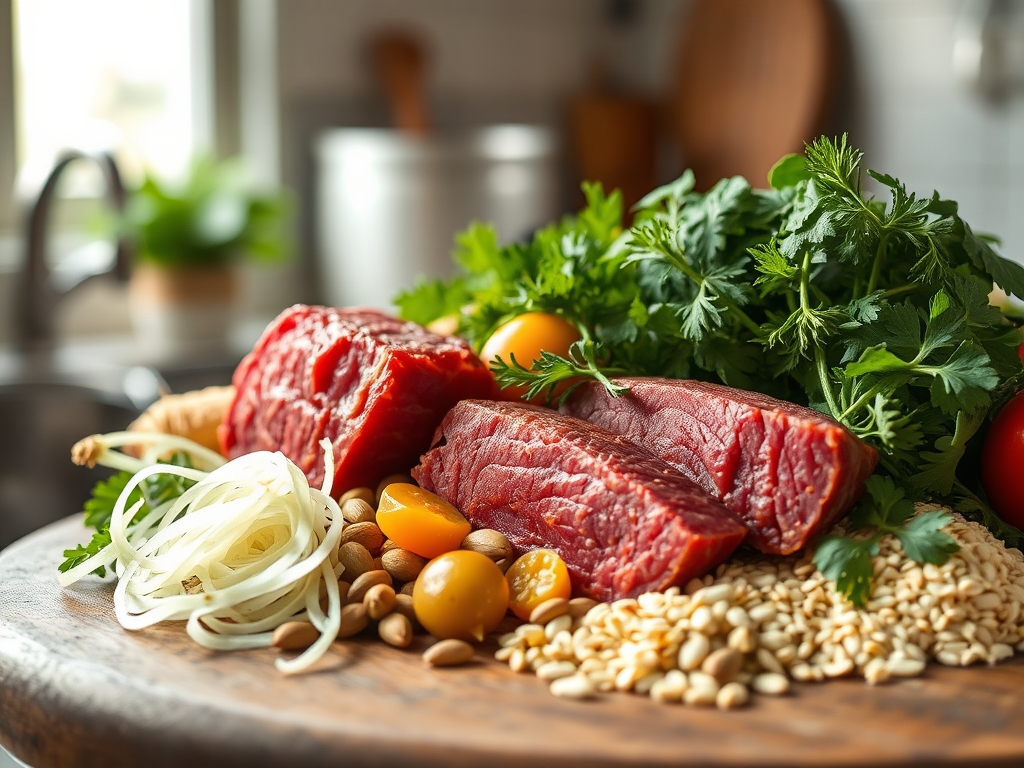
To execute these corned beef recipes filipino style, your mise-en-place must be precise. Start with a high-quality canned corned beef; look for brands that specify "long strand" to ensure a superior mouthfeel. You will need a digital scale to measure your aromatics if you want consistent results. The base requires "The Holy Trinity" of Filipino cooking: red onions for sweetness, plum tomatoes for acidity, and an aggressive amount of minced garlic.
The science of the "Gathers" lies in the volatile oils. When you crush garlic with a bench scraper before mincing, you rupture the cell walls, releasing allicin for that signature punch. For the potatoes, use a waxy variety like Yukon Gold. Their low starch content ensures they hold their shape during the simmering process rather than disintegrating into a grainy paste.
Smart Substitutions:
If you are watching your sodium, deglaze your pan with a splash of unsalted beef bone broth instead of water. For a heat kick, swap the traditional black pepper for crushed bird's eye chilies. If you find yourself out of fresh potatoes, use taro or sweet potato; the higher sugar content in sweet potatoes will accelerate caramelization, giving you a deeper, darker crust.
The Clock:
Efficiency in the kitchen is all about the "Chef's Flow." Total preparation time for these recipes averages 10 minutes, with a cook time of 15 to 20 minutes. The secret to mastering the clock is parallel processing. While your skillet is heating, use a microplane to zest a bit of calamansi for your dipping sauce and prep your garnishes.
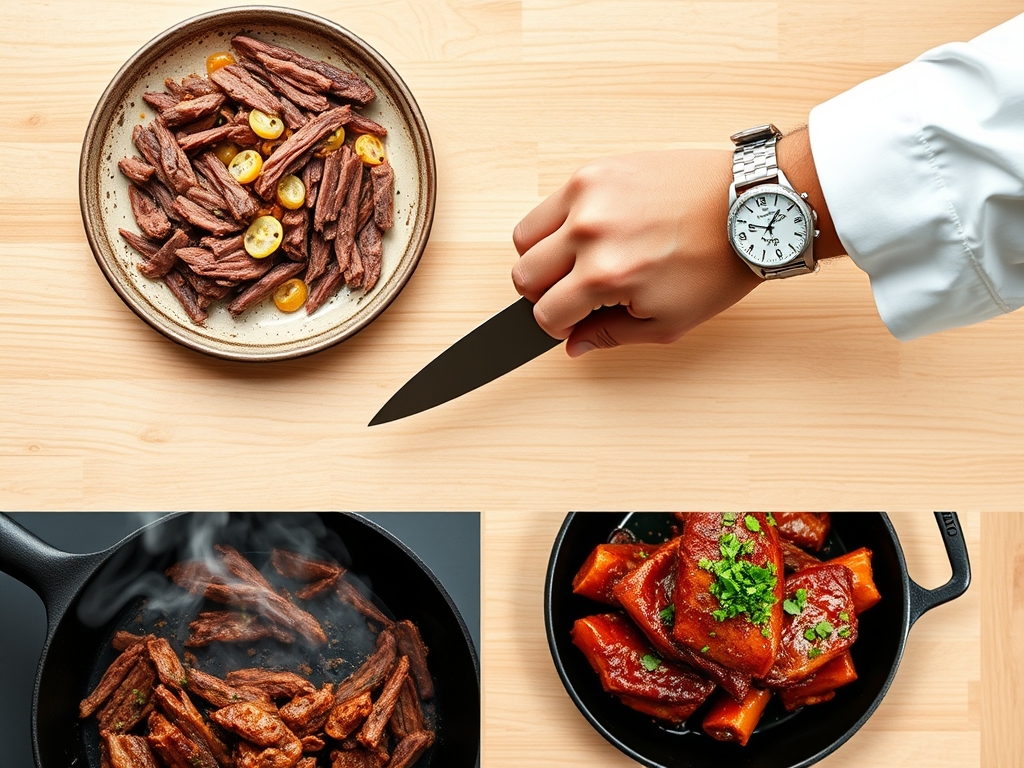
The cooking phase is divided into three zones: the Aromatic Sweat (3 minutes), the Protein Render (7 minutes), and the Texture Finish (5 minutes). Do not rush the rendering phase. If you crowd the pan, the beef will steam in its own juices rather than fry. Give the ingredients space to breathe, and you will be rewarded with the complex flavor profiles that define professional-grade Filipino cuisine.
The Masterclass:
1. The Classic Ginisang Corned Beef
Sauté your garlic and onions in a heavy-bottomed skillet until the onions are translucent and the garlic is golden. Add the corned beef and spread it into an even layer. Let it sit undisturbed for three minutes to develop a crust.
Pro Tip: This is called enzymatic browning. By leaving the meat untouched, you allow the amino acids and reducing sugars to reorganize into hundreds of different flavor compounds.
2. Crispy Corned Beef Hash
Dice your potatoes into uniform 1/2-inch cubes using a sharp chef's knife. Par-boil them for four minutes, drain, and then toss them into the skillet with the beef. Use tongs to flip the mixture occasionally until the potato edges are jagged and brown.
Pro Tip: Par-boiling gelatinizes the exterior starch. When this hits the hot oil, it creates a dehydrated "shell" that results in maximum crunch.
3. Corned Beef Sopas (Creamy Soup)
In a saucier, sauté your beef and aromatics, then add elbow macaroni and beef broth. Once the pasta is al dente, stir in evaporated milk and shredded cabbage.
Pro Tip: Add the dairy at the very end to prevent protein curdling. The residual heat is enough to incorporate the milk without breaking the emulsion.
4. Tortang Corned Beef (Omelet)
Whisk three large eggs in a bowl until you aerate them thoroughly. Fold in cooked corned beef and finely chopped scallions. Pour the mixture into a non-stick pan and cook until the edges lift easily.
Pro Tip: Whisking introduces air bubbles that expand when heated, resulting in a fluffier, more voluminous omelet.
5. Corned Beef Sinigang Style
This is a modern twist. Infuse a tamarind-based broth with sautéed corned beef, okra, and string beans. The sour notes cut through the fattiness of the beef perfectly.
Pro Tip: The acid in the tamarind acts as a palate cleanser, breaking down the heavy lipids on your tongue and making each bite taste fresh.
6. Spicy Corned Beef Pasta
Boil spaghetti in heavily salted water. In a separate pan, infuse olive oil with garlic and chili flakes before adding the corned beef. Toss the pasta directly into the skillet with a splash of pasta water.
Pro Tip: Starchy pasta water acts as an emulsifier, binding the oil and beef juices into a silky sauce that clings to every strand.
The Deep Dive:
From a nutritional standpoint, corned beef is a dense source of protein and zinc, though it is high in sodium. To balance the macros, always serve your corned beef recipes filipino style with a side of fiber-rich vegetables like sautéed bitter melon or a fresh tomato salad.
Dietary Swaps:
For a Keto-friendly version, omit the potatoes and serve over cauliflower rice. If you are going Vegan, use a plant-based "crumb" protein and add a drop of liquid smoke to mimic the cured flavor of the beef. For Gluten-Free needs, ensure your canned brand does not use wheat-based thickeners.
The Fix-It:
- Too Salty: Add a peeled, halved potato to the pan; it acts as a sponge for excess salt. Alternatively, a teaspoon of brown sugar can provide a flavor balance.
- Too Greasy: Tilt the skillet and use a spoon to remove excess rendered fat, or toss in extra diced onions to absorb the oil.
- Mushy Texture: You likely crowded the pan. Spread the mixture out and increase the heat to high for two minutes to flash-fry the exterior.
Meal Prep:
When reheating, avoid the microwave if possible as it can make the beef rubbery. Instead, use a small skillet over medium heat. Add a teaspoon of water and cover with a lid for 60 seconds to rehydrate the fibers, then uncover to re-crisp the bottom.
The Wrap-Up:
Mastering these corned beef recipes filipino style is about more than just opening a can; it is about respecting the process of heat, fat, and flavor. From the crunch of a perfect hash to the silky comfort of a corned beef omelet, you now have the technical toolkit to turn a pantry staple into a five-star breakfast. Cooking is a science, but eating is an art. Go ahead and get that skillet screaming hot; your kitchen is waiting for its next masterpiece.
The Kitchen Table:
What is the best way to make corned beef crispy?
Drain any excess liquid from the can before cooking. Spread the beef in a thin layer in a preheated skillet and leave it undisturbed for 3 to 5 minutes to allow the Maillard reaction to create a dark, savory crust.
Can I use fresh corned beef instead of canned?
Yes, but you must boil the brisket until tender first. Once cooled, shred the meat against the grain. This provides a more fibrous texture and allows you to control the sodium levels during the curing process.
Why do my potatoes stay hard in corned beef hash?
Potatoes take longer to cook than beef. Always par-boil your potato cubes for 4 minutes or sauté them alone until softened before adding the corned beef to the skillet to ensure everything reaches the perfect doneness simultaneously.
How long does cooked Filipino corned beef last?
When stored in an airtight container in the refrigerator, it stays fresh for 3 to 4 days. For the best quality, reheat in a pan to maintain the textural contrast between the soft interior and crispy edges.