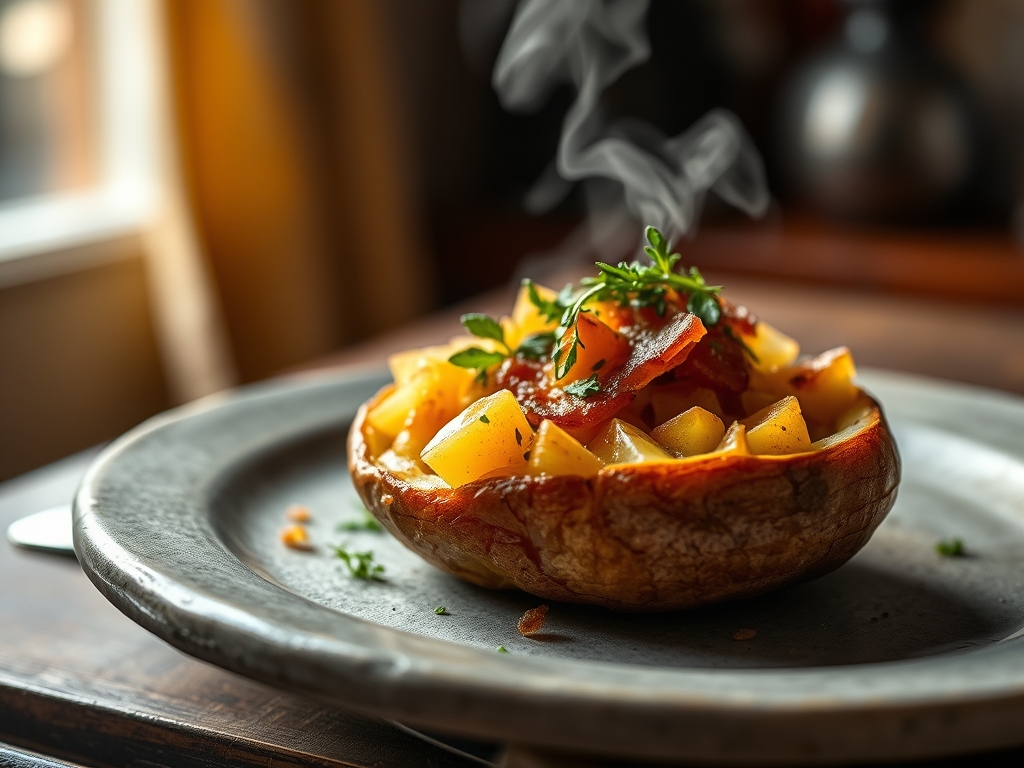
Imagine walking into your home after a long day and being greeted by the scent of earth, salt, and simmering butter. There is something profoundly comforting about the humble tuber when it is treated with respect. Finding the best crock pot baked potato recipes is not just about convenience; it is about achieving that elusive, velvety interior that only long, slow heat can produce.
The magic happens when you stop viewing the slow cooker as a shortcut and start viewing it as a precision thermal tool. Unlike a high heat oven that can desiccate the starch, the enclosed environment of a crock pot maintains a consistent humidity level. This prevents the skin from becoming leather while allowing the internal moisture to steam the flesh into a cloud like consistency. We are going to transform the standard potato into a gourmet canvas using seven effortless hacks that will change your weeknight dinner game forever. Whether you are hosting a crowd or just meal prepping for a busy week, these techniques ensure every bite is a masterclass in texture and flavor.
The Gathers:
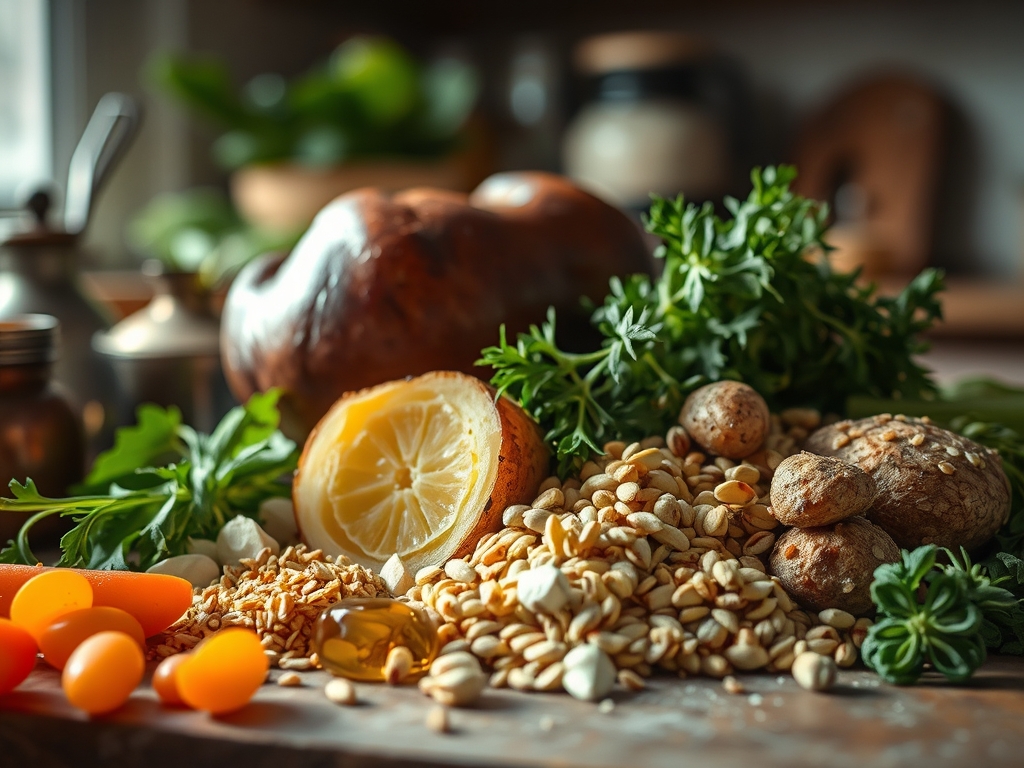
To begin, you need to select the right specimen. For these crock pot baked potato recipes, the Russet Burbank is your gold standard. Its high starch content and low moisture levels are essential for that classic "fluffy" finish. You will also need high quality fats; think European style butter with a high butterfat percentage or a cold pressed olive oil.
Your mise en place should include coarse kosher salt for its jagged crystal structure, which adheres better to the skin, and freshly cracked black pepper. For the "Smart Substitutions," consider using duck fat instead of oil for a richer, more savory crust. If you are looking for a lighter profile, Greek yogurt provides a piquant acidity that mimics sour cream but adds a boost of protein. Keep your digital scale handy to ensure your potatoes are uniform in size; this is the secret to even cooking across the board.
The Clock
Efficiency in the kitchen is all about "Chef's Flow." Your active prep time for these recipes is a mere ten minutes. The real work happens during the four hours on High or seven hours on Low. The "Chef's Flow" involves washing and drying your potatoes immediately, then setting up your seasoning station while the crock pot preheats. This thermal head start ensures the heating element is already at a stable temperature when the potatoes are introduced, preventing a slow climb through the "danger zone" of bacterial growth.
The Masterclass
1. The Surface Preparation
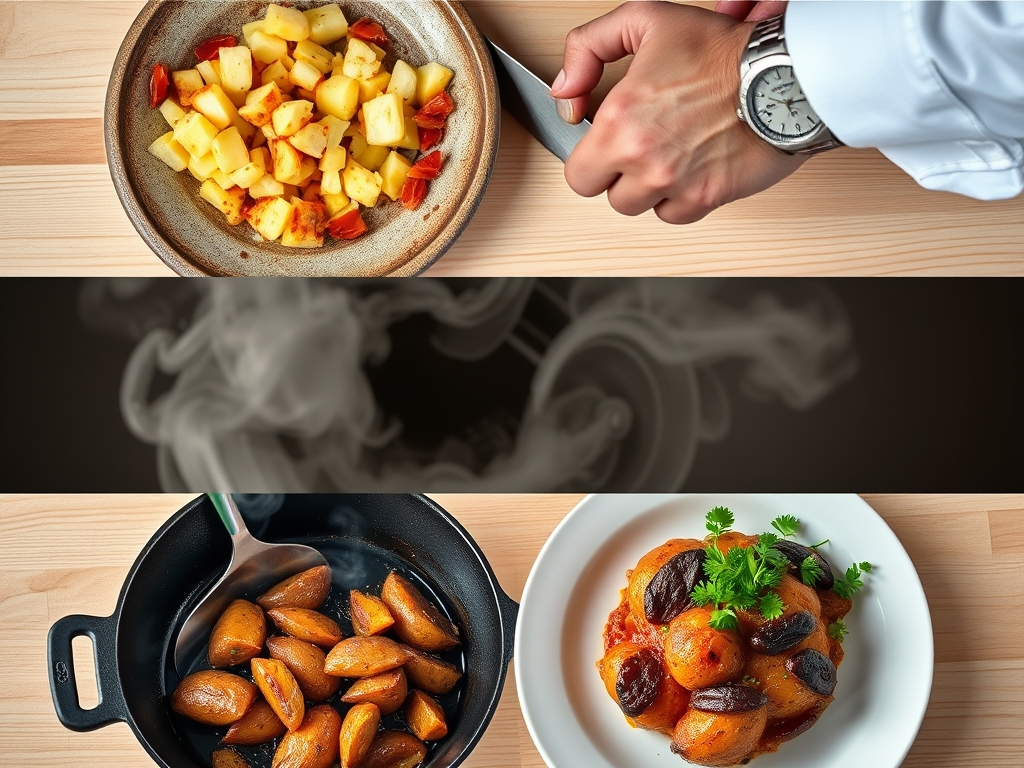
Scrub each potato vigorously to remove dirt and debris. Use a clean kitchen towel to bone dry each skin. Moisture on the surface will lead to steaming rather than roasting, which ruins the texture.
Pro Tip: Drying the skin prevents enzymatic browning from occurring prematurely and ensures the oil creates a crisp barrier.
2. The Piercing Technique
Use a fork to pierce the potato about six times. This creates pathways for internal steam to escape. Without these vents, the internal pressure can cause the potato to become dense or even burst.
Pro Tip: Venting allows for better thermal distribution, ensuring the core reaches 210 degrees Fahrenheit simultaneously with the exterior.
3. The Lipid Coating
Rub each potato with a generous amount of oil or melted butter. Use your hands to ensure every crevice is coated. This fat layer acts as a heat conductor and helps the salt adhere.
Pro Tip: Fats with high smoke points are preferred here to avoid any bitter notes during the long cook cycle.
4. The Salt Crust
Roll the oiled potatoes in coarse salt. This does more than season; the salt draws out minute amounts of surface moisture, which helps the skin crisp up even in the humid environment of the slow cooker.
Pro Tip: This process utilizes osmosis to season the skin deeply while creating a savory, textured crust.
5. The Foil Wrap (Optional)
For a softer, more "steamed" skin, wrap each potato in heavy duty aluminum foil. For a traditional "baked" texture, place them directly into the pot.
Pro Tip: Foil creates a micro environment that traps steam, leading to a more viscous and buttery mouthfeel in the final product.
6. The Slow Render
Place the potatoes in the crock pot. Do not overcrowd them; air needs to circulate. Set your timer and walk away. Resistance is futile; do not lift the lid, as this releases the accumulated heat.
Pro Tip: Constant temperature maintenance is vital for starch gelatinization, the process where starch granules swell and burst to create fluffiness.
7. The Final Fluff
Once the potatoes are fork tender, use tongs to remove them. Slice them open immediately to release the remaining steam. Use a fork to aerate the insides before adding your toppings.
Pro Tip: Immediate venting prevents thermal carryover from overcooking the center and turning it into a gummy paste.
The Deep Dive
From a macro nutrition perspective, a medium potato offers about 160 calories, 4 grams of protein, and a significant dose of Vitamin C and Potassium. For a Vegan swap, use coconut oil and nutritional yeast for a cheesy flavor. For Keto enthusiasts, replace the potato with a large head of cauliflower treated with the same spice rub.
"The Fix-It": If your potatoes are too hard, the internal temperature likely stayed below 200 degrees; increase the heat and add thirty minutes. If the skins are soggy, you likely didn't dry them enough or used too much oil. If the bottoms are burnt, your crock pot has a "hot spot"; use a crumpled piece of foil at the base to lift the potatoes off the ceramic.
For meal prep, reheating is a science. Avoid the microwave, which turns starch into rubber. Instead, use a heavy-bottomed skillet with a splash of water and a lid to re steam the potato, or a toaster oven to re crisp the skin. This maintains that "day one" quality.
The Wrap-Up
Mastering crock pot baked potato recipes is a rite of passage for the modern home cook. By understanding the relationship between starch, heat, and moisture, you turn a basic root vegetable into a culinary event. These seven hacks ensure that your potatoes are never an afterthought but rather the star of the show. Grab your microplane for some fresh zest or a saucier to whip up a cheese sauce, and get cooking. Your future self, tired and hungry after work, will thank you.
The Kitchen Table
How do I prevent the bottom of the potatoes from burning?
Place a layer of crumpled aluminum foil or a silicone roasting rack at the bottom of the pot. This creates a buffer zone that prevents direct contact with the hottest part of the ceramic insert, ensuring even heat distribution.
Can I cook potatoes of different sizes together?
It is not recommended. Use a digital scale to ensure all potatoes are within an ounce of each other. If you must mix sizes, place larger potatoes at the bottom where the heat is most intense and concentrated.
Do I really need to wrap them in foil?
No, it depends on your preference. Foil produces a soft, moist skin similar to a steamed potato. Leaving them unwrapped results in a slightly crispier, more traditional oven baked texture due to better moisture evaporation during the process.
How long can baked potatoes stay on the "Warm" setting?
Potatoes can safely stay on "Warm" for up to two hours. Beyond that, the texture begins to degrade as the starch molecules break down further, potentially resulting in a mealy or overly soft interior that lacks fluffiness.