
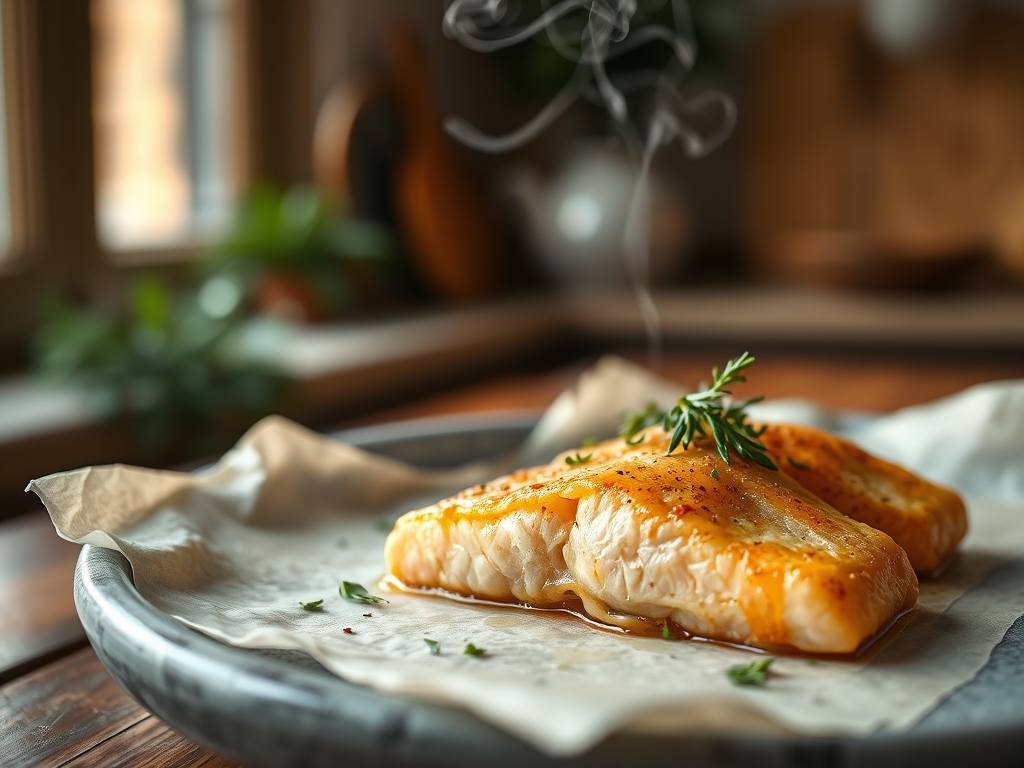
Imagine the sound of a crisp, white sheet of paper snapping open. Now, picture a vibrant fillet of Atlantic fish nestled inside, glistening with cold-pressed olive oil and a dusting of sea salt. This is the alchemy of salmon recipes parchment paper; a technique that transforms a humble piece of protein into a steamed, aromatic masterpiece. When you wrap salmon in paper, you are creating a pressurized micro-environment. This small paper cocoon traps the natural moisture of the fish, allowing it to poach in its own juices while the high heat of the oven intensifies the flavors of your aromatics. It is the ultimate weeknight hack for anyone who wants a five-star dinner without the mountain of dishes. The steam keeps the albumin, that white protein that sometimes leaks out, to a minimum by ensuring a gentle, even cook. By the time you tear open that paper packet at the table, the scent of lemon and fresh herbs will hit your face like a warm Mediterranean breeze. It is elegant, it is scientific, and it is almost impossible to mess up if you know the secrets.
The Gathers:
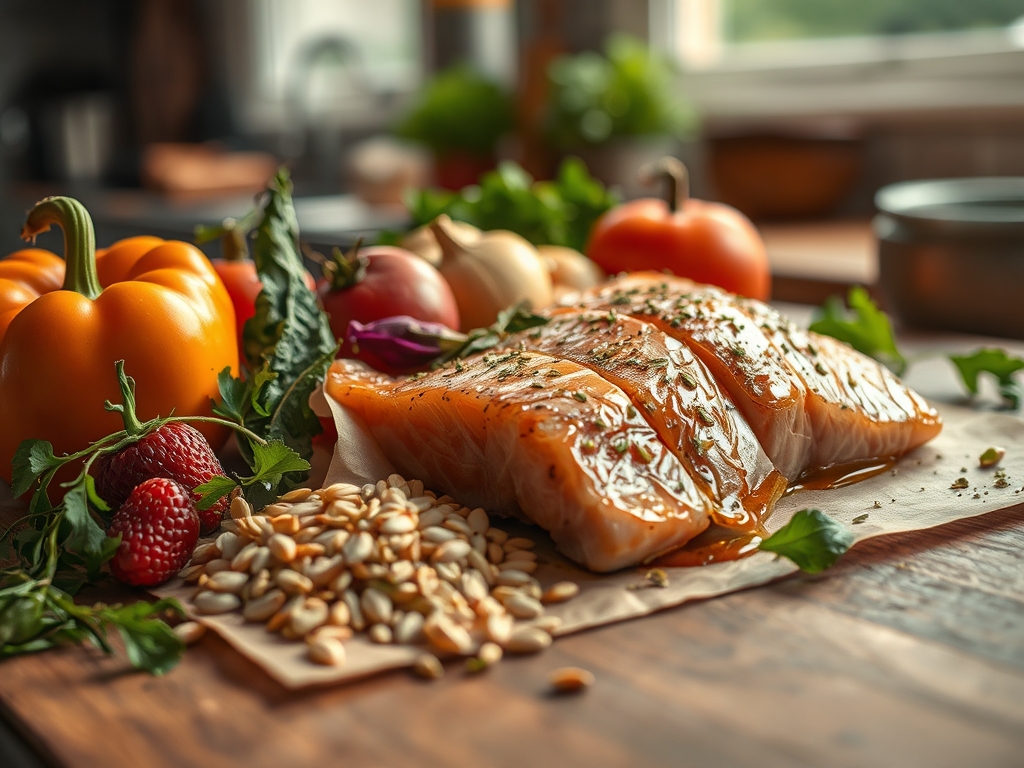
To achieve perfection, your mise-en-place must be precise. Start with center-cut fillets, ideally six ounces each, which provide the most uniform thickness for even heat distribution. You will need high-quality parchment paper; do not substitute wax paper, as the wax will melt and smoke at roasting temperatures. For your aromatics, gather fresh dill, thinly sliced shallots, and organic lemons. Use a microplane to zest the citrus before slicing it; this releases the volatile oils stored in the flavedo, providing a more intense piquant flavor than juice alone.
For the fat component, choose a high-smoke-point oil or a compound butter. A saucier is perfect if you want to melt down a quick lemon-caper butter sauce to drizzle inside the packet. If you are looking for smart substitutions, try swapping the lemon for lime and ginger for a Thai-inspired profile, or use thinly sliced fennel instead of onions to add a subtle anise note. Ensure your vegetables are sliced paper-thin using a mandoline or a very sharp chef knife. Since the salmon cooks in under fifteen minutes, any hardy vegetables like carrots or potatoes must be shaved thin enough to soften in that short window.
The Clock: Timing the Perfect Fold
Efficiency in the kitchen is all about the "Chef's Flow." Your total active prep time should be exactly ten minutes, with a cooking time of twelve to fifteen minutes depending on the thickness of the fillet. I recommend preheating your oven to 400 degrees Fahrenheit. This high temperature is necessary to create the steam pressure inside the packet quickly. While the oven reaches temp, you assemble. The "flow" looks like this: Prep the aromatics, cut the paper, season the fish, fold, and bake. This tight timeline ensures the fish does not sit in acidic lemon juice for too long, which would effectively "cook" the flesh via acid denaturation before it ever hits the heat, resulting in a mushy texture.
The Masterclass: Seven Secrets to Perfection
1. The Heart-Shape Cut
Start by folding a large square of parchment in half and cutting a half-heart shape. When you open it, you have a symmetrical heart. Place the salmon on one side of the center crease. This shape allows for the most efficient folding and creates a tighter seal than a simple rectangle.
Pro Tip: The tight seal increases internal pressure, which raises the boiling point of the liquid inside slightly. This accelerates the cooking of the collagen between the muscle fibers without drying out the exterior.
2. Layering the Aromatics
Always place a "bed" of citrus or hardy herbs like rosemary underneath the fish. This prevents the skin from sticking to the paper and infuses the flesh from the bottom up.
Pro Tip: This creates a barrier that prevents the delicate proteins from making direct contact with the hot baking sheet, avoiding localized overcooking and ensuring a uniform viscous texture.
3. The Double-Fold Crimp
To seal the packet, start at the top of the heart and make small, overlapping folds all the way around the edge. Use a bench scraper to press the creases firmly if your fingers are tired. The goal is an airtight environment.
Pro Tip: An airtight seal prevents the escape of water vapor. This ensures the heat transfer is via convection (steam) rather than conduction, which is much gentler on the delicate fats in the salmon.
4. The Fat Emulsion
Before sealing, add a tablespoon of white wine or vegetable stock along with your butter or oil. This creates a pan sauce right inside the paper.
Pro Tip: As the liquid boils, it helps emulsify the fats and juices, creating a rich, glossy coating that clings to the fish rather than running off to the bottom of the packet.
5. The Thermal Carryover Gap
Pull the salmon out when the internal temperature hits 130 degrees Fahrenheit on a digital thermometer. Do not wait for 145 degrees.
Pro Tip: Thermal carryover will continue to cook the fish for several minutes after it leaves the oven. The trapped steam inside the paper continues to transfer energy, bringing the fish to a perfect 140-145 degrees by the time you serve.
6. The Venting Ritual
When you serve, use tongs to place the packet on the plate, then use kitchen shears to snip a small hole in the top first. This allows the initial burst of 212-degree steam to escape safely away from your face.
Pro Tip: This sudden release of pressure stops the cooking process immediately, preventing the fish from becoming rubbery while you wait for the table to settle.
7. Finishing with Acid
Always hit the cooked fish with a final sprinkle of fresh herbs or a squeeze of fresh lemon after opening the packet. The heat of the oven can dull the "bright" notes of fresh herbs.
Pro Tip: Fresh acids like lemon juice brighten the heavy omega-3 fats on the palate, providing a chemical balance to the richness of the fish through a process called acid-fat contrast.
The Deep Dive: Nutrition and Troubleshooting
From a macro perspective, this method is a powerhouse. You are looking at roughly 35 grams of protein and 15 grams of healthy fats per serving, with near-zero carbohydrates unless you add starches. For a Keto version, double the butter and omit any wine. For a Vegan swap, this same parchment technique works beautifully with a block of firm tofu or a thick "steak" of cauliflower, though you should increase the roasting time by ten minutes for the cauliflower to ensure the core is tender.
The Fix-It: Common Pitfalls
- Soggy Bottoms: If your vegetables are too wet, the fish will boil rather than steam. Pat everything dry with a lint-free towel before assembly.
- Leaking Packets: If you see juice on the baking sheet, your crimp was not tight enough. Use a paperclip or a staple on the edges next time if you struggle with the folding technique.
- The Albumin Bleed: If your fish is covered in white "gunk," the oven was too hot or you cooked it too long. Lower the temp by 25 degrees next time to keep the muscle fibers from contracting too violently and squeezing out the protein.
Meal Prep Science: To reheat, do not use a microwave; it will turn the salmon into leather. Keep the fish in its paper packet and warm it in a 300-degree oven for 8 minutes. This gently re-activates the fats without denaturing the proteins further.
The Wrap-Up
Mastering salmon recipes parchment paper is like learning a magic trick that also happens to be incredibly healthy. You are using basic physics to create a controlled environment where flavor cannot escape. It is clean, it is sophisticated, and it honors the ingredient. Once you nail the crimping technique and understand the power of thermal carryover, you will never want to pan-sear salmon again. Grab your parchment, sharpen your knives, and get ready to impress yourself.
The Kitchen Table: FAQ
Can I use aluminum foil instead of parchment?
Yes, foil creates a similar seal, but it conducts heat faster. You may need to reduce the cooking time by two minutes. Note that acidic ingredients like lemon can sometimes react with the metal, leaving a metallic tang.
What is the best way to tell if it is done?
The most reliable method is using a digital thermometer through the paper. It should read 130 degrees Fahrenheit. Alternatively, the packet should be fully puffed up like a pillow, indicating sufficient internal steam pressure has been achieved.
Can I put frozen salmon in the parchment?
It is not recommended. Frozen fish releases a significant amount of excess moisture as it thaws, which will result in a watery sauce and a mushy texture. Always thaw your fillets completely and pat them dry first.
Do I need to grease the parchment paper?
No, parchment is naturally non-stick due to its silicone coating. However, adding a small amount of oil or butter to the fish itself is highly recommended for flavor infusion and to help create a rich, emulsified pan sauce.