
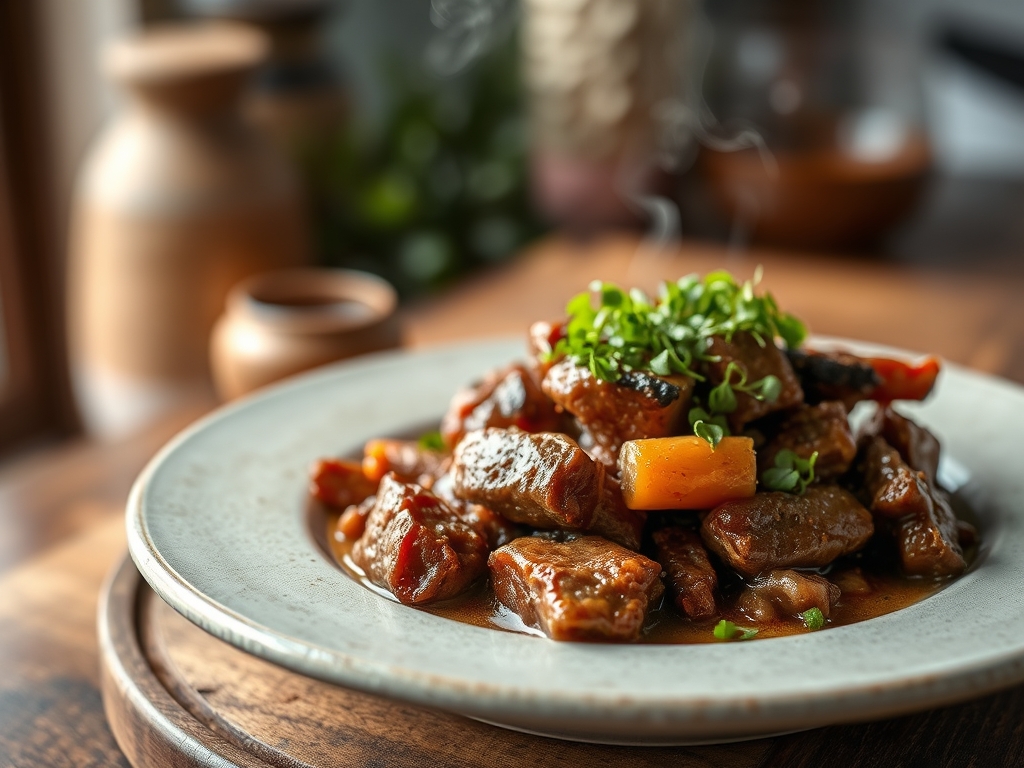
Close your eyes and imagine the scent of star anise dancing through a cloud of steam while a heavy-bottomed Dutch oven whispers a low, rhythmic gurgle on the stove. This is the soul of comfort. When we talk about chinese stew beef recipes, we are not just talking about dinner; we are discussing a masterclass in collagen transformation and aromatic layering. You want that specific, glass-fork-tender texture that dissolves on the tongue without resisting. Achieving that requires more than just patience. It requires an understanding of how connective tissue behaves under pressure and how fermented pastes create a savory depth that lingers. Most people settle for a chewy, grey disappointment, but you are my best friend, and I am not letting you do that. We are going to harness the power of the Maillard reaction and the magic of slow-heat hydrolysis to turn a humble cut of meat into a velvet-textured masterpiece. Grab your favorite apron and a glass of wine; it is time to turn your kitchen into the best bistro in the city.
The Gathers:
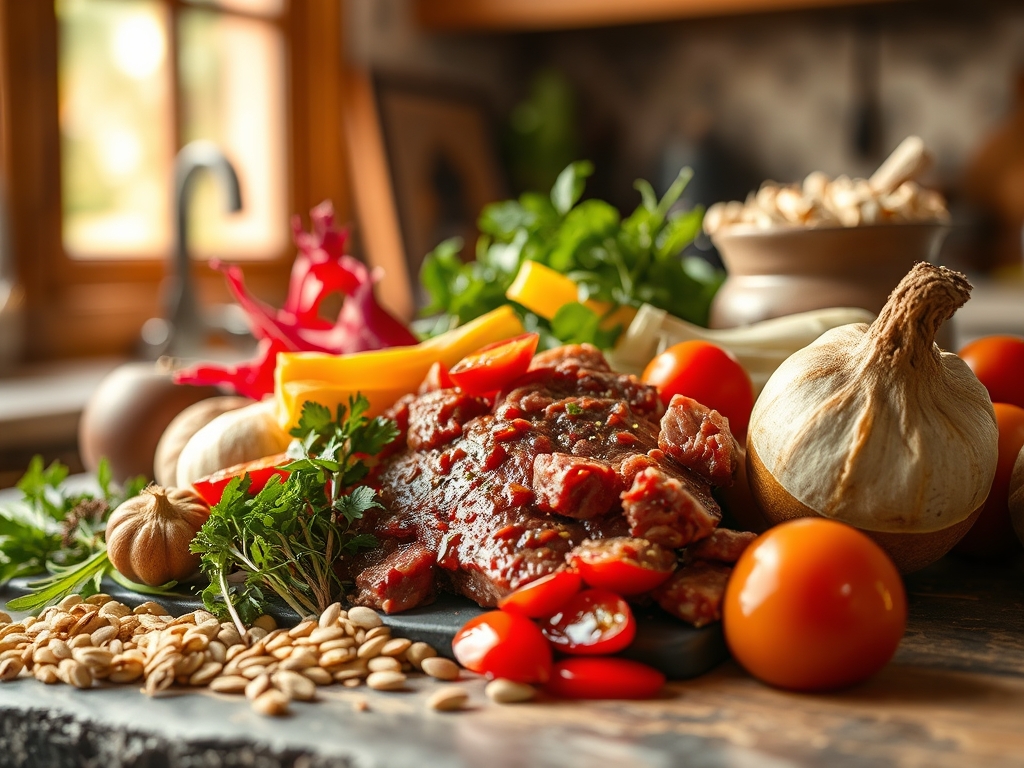
Before we even ignite the burner, we must assemble our laboratory. The star of the show is Beef Shank or Chuck Roast. You need a cut with significant intramuscular fat and silver skin; these are rich in collagen, which converts into silky gelatin during the long simmer. For the aromatics, you will need fresh ginger (use a microplane for a fine paste or a sharp knife for coins), whole star anise, cinnamon sticks, and dried orange peel to provide a citrusy top note that cuts through the richness.
For the liquid gold, we use a combination of light soy sauce for salinity and dark soy sauce for that deep, mahogany hue. A generous splash of Shaoxing rice wine is non-negotiable for its piquant acidity. Smart Substitutions: If you cannot find Shaoxing wine, a dry pale sherry works beautifully. If you are dodging sugar, swap the traditional rock sugar for a splash of mirin or a pinch of monk fruit sweetener. Use a digital scale to measure your beef precisely; consistency in protein weight ensures your liquid-to-meat ratio remains perfect for a viscous sauce.
The Clock
Efficiency in the kitchen is about the Chef's Flow. Expect about 30 minutes of active prep time, including the crucial "blanch and clean" phase. The cooking time is where the magic happens; you are looking at 2.5 to 3 hours on a low simmer. If you use a pressure cooker, you can slash this to 45 minutes, but you lose some of the subtle flavor development that occurs during open-air reduction. Plan to start this mid-afternoon for a spectacular dinner, or better yet, make it the night before. The flavors marinate and deepen as the stew cools.
The Masterclass
1. The Cold Start Blanch
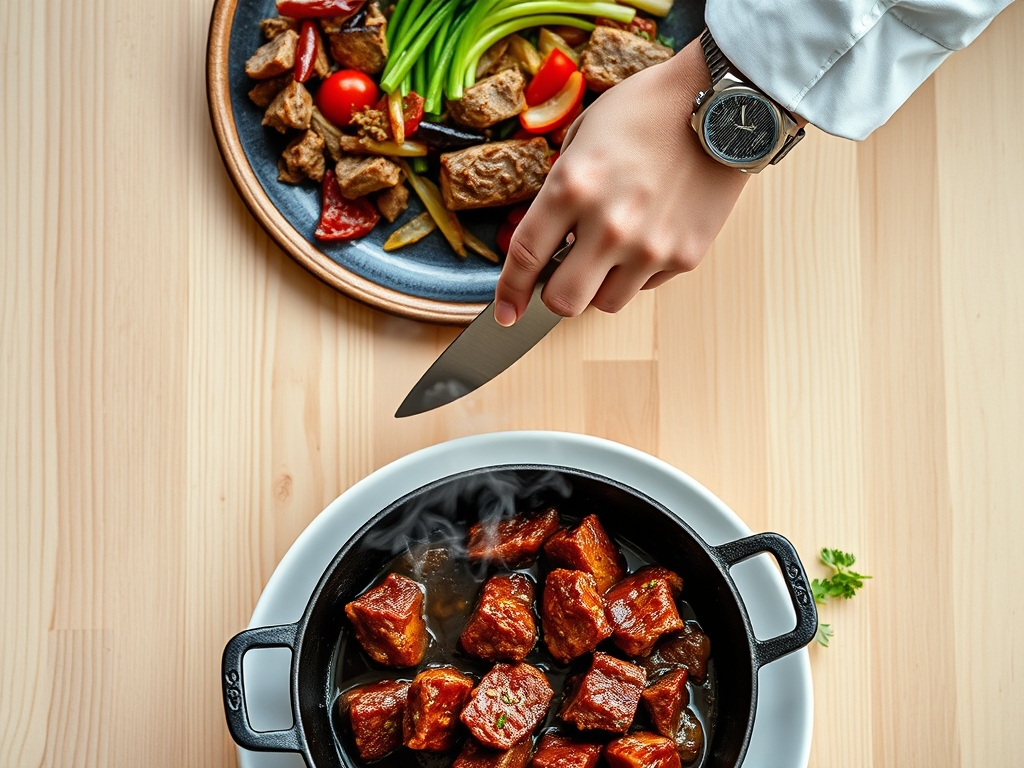
Place your cubed beef in a pot of cold water and bring it to a boil. Once the grey foam rises to the top, drain the meat and rinse it under cold water. Use a saucier or a clean pot for the next step.
Pro Tip: Starting in cold water allows blood and impurities to be released gradually. This ensures a clear, clean-tasting sauce rather than a cloudy, "gamey" broth.
2. Searing for Surface Area
Pat the blanched beef completely dry with paper towels. Heat oil in a heavy-bottomed skillet until shimmering, then sear the beef in batches until a deep brown crust forms.
Pro Tip: This is the Maillard reaction. By creating these complex sugar-protein bonds on the surface, you are adding hundreds of flavor compounds that a simple boil cannot achieve.
3. Aromatizing the Oil
Remove the beef and add your ginger, garlic, and scallion whites to the remaining fat. Stir-fry until fragrant, then add your dry spices (star anise and cinnamon) to "bloom" them.
Pro Tip: Many flavor compounds in spices are fat-soluble. Frying them in oil releases their essential oils, making the final stew significantly more aromatic.
4. Deglazing the Fond
Pour in the Shaoxing wine and use a bench scraper or wooden spoon to scrape up all the brown bits stuck to the bottom of the pan.
Pro Tip: Those stuck bits are called fond. They are concentrated flavor bombs. Deglazing incorporates them back into the liquid, preventing bitterness and adding complexity.
5. The Low and Slow Simmer
Return the beef to the pot and add your soy sauces, rock sugar, and enough water to just cover the meat. Bring to a simmer, then drop the heat to the lowest possible setting.
Pro Tip: Maintain a "lazy bubble." High heat toughens muscle fibers. A gentle simmer ensures hydrolysis, where collagen turns into gelatin without the protein seizing up.
6. The Reduction Phase
In the last 30 minutes, remove the lid. This allows the water to evaporate, concentrating the flavors and thickening the sauce.
Pro Tip: Reducing the liquid increases the viscosity of the sauce. As the water leaves, the gelatin concentration rises, creating that lip-smacking mouthfeel characteristic of high-end chinese stew beef recipes.
The Deep Dive
From a nutritional standpoint, this stew is a powerhouse of protein and minerals. A standard serving contains roughly 350 calories, 35g of protein, and 18g of fat. To make this Keto-friendly, simply omit the rock sugar and serve over steamed bok choy instead of rice. For a Gluten-Free version, ensure you use Tamari instead of traditional soy sauce.
The Fix-It:
- Too Salty? Drop in a peeled, halved potato for 20 minutes; it acts as a sponge for excess sodium.
- Too Thin? Whisk a teaspoon of cornstarch with cold water to create a slurry and stir it into the boiling sauce.
- Meat is Tough? You likely stopped too early. If the beef is still chewy, the collagen hasn't fully converted. Give it another 30 minutes.
Meal Prep Magic: To reheat, do not use the microwave. It creates "hot spots" that can toughen the beef. Instead, place the stew in a small saucepan with a tablespoon of water. Heat over medium-low with a lid on to aerate the steam and gently loosen the gelatin back into a silky sauce.
The Wrap-Up
Mastering chinese stew beef recipes is like learning a secret language of warmth and hospitality. By respecting the science of the sear and the patience of the simmer, you turn simple ingredients into a dish that feels like a hug. Use your tongs to plate that beef over a bed of jasmine rice, garnish with a mountain of fresh cilantro, and watch your friends marvel at your culinary prowess. You have the tools, you have the science, and now you have the best recipe in your arsenal.
The Kitchen Table
Why is my stew beef still tough after two hours?
The beef likely hasn't reached the temperature where collagen breaks down into gelatin. Continue simmering on low heat. Ensure the liquid covers the meat and keep the lid on to maintain consistent internal thermal energy until it is fork-tender.
Can I skip the blanching step?
You can, but the result will be a cloudier sauce with a more metallic "off" flavor. Blanching removes denatured proteins and impurities, resulting in a cleaner, more professional-grade sauce that allows the delicate spices to shine through.
What is the best cut for Chinese beef stew?
Beef shank is the gold standard because of its high tendon and collagen content. Chuck roast is a fantastic, accessible second choice. Avoid lean cuts like sirloin, as they lack the connective tissue needed to stay moist during long braising.
How do I store leftovers for the best flavor?
Store in an airtight container in the fridge for up to four days. The flavor actually improves overnight as the aromatics continue to infuse the protein. Reheat slowly on the stovetop to preserve the delicate texture of the gelatin-rich sauce.