
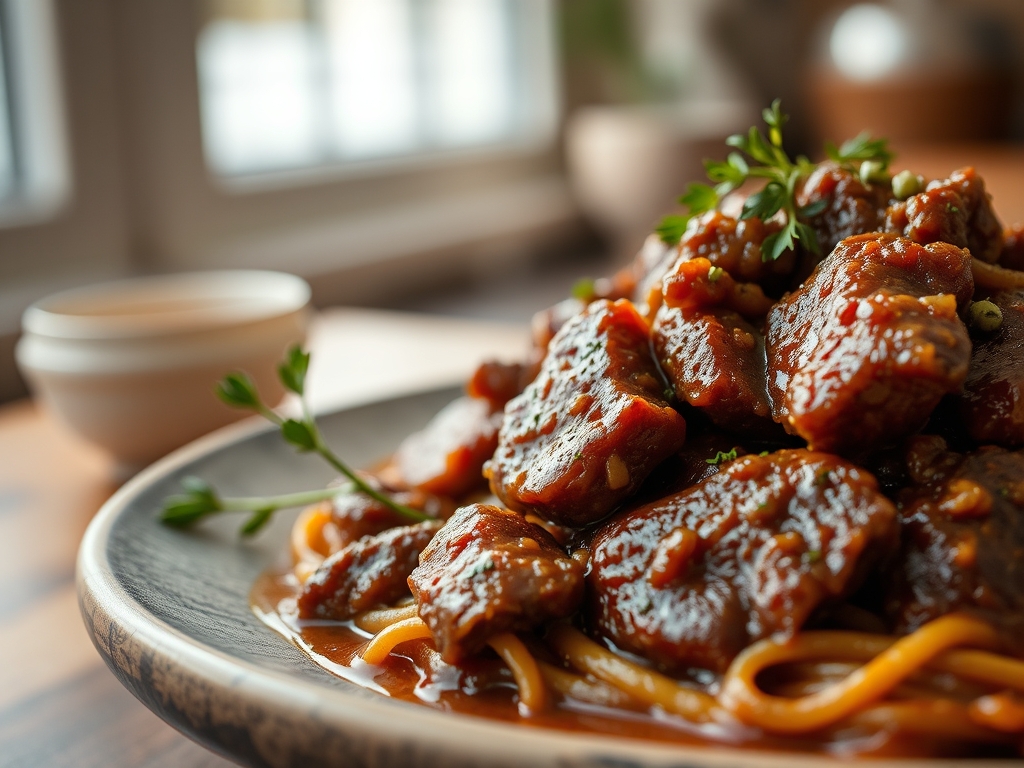
Imagine the scent of toasted cumin and slow-rendered fat swirling through your kitchen at 4:00 PM while you are still finishing your last conference call. That is the magic of the crockpot. Finding slow cooker beef recipes healthy enough for a daily rotation used to be a chore; however, modern techniques allow us to transform tough collagen into silk without excessive oils. We are talking about deep, umami-rich stews and zesty shredded tacos that nourish your body while satisfying that primal craving for comfort food.
The secret to a successful week of slow cooker beef recipes healthy meals lies in the chemistry of the sear and the patience of the simmer. We are not just tossing ingredients into a ceramic pot and hoping for the best. We are engineers of flavor. By understanding how connective tissue breaks down into gelatin, we can create a viscous, mouth-coating sauce without a drop of heavy cream. Grab your favorite mug of coffee; we are about to dive into the seven essential recipes that will redefine your meal prep game.
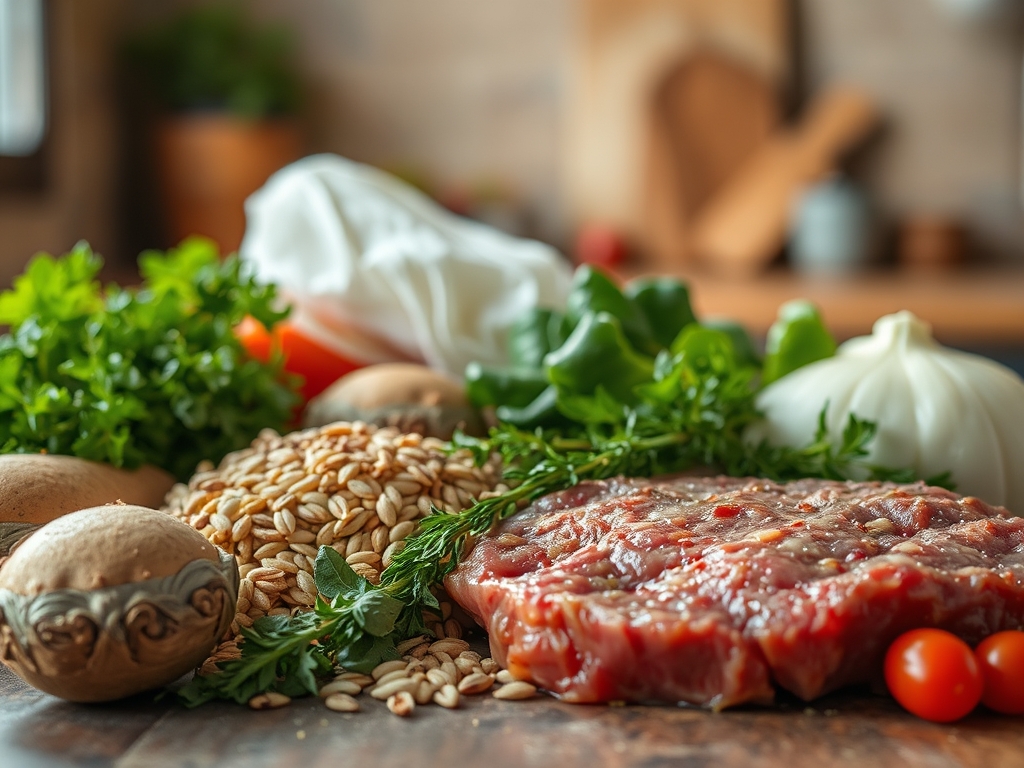
The Gathers:
Before we ignite the stove, we must respect the mise-en-place. Your workstation should feature a digital scale for precision and a sharp chef's knife. For these seven recipes, we focus on lean but flavorful cuts like grass-fed chuck roast, eye of round, or brisket. You will notice the vibrant colors of our aromatics: deep purple onions, snap-crisp carrots, and heads of garlic ready for the microplane.
Smart Substitutions are your best friend here. Instead of using high-sodium beef broth cubes, we utilize a splash of piquant apple cider vinegar to brighten the heavy notes of the meat. If a recipe calls for brown sugar, we swap it for a small amount of pureed dates or a touch of honey to keep the glycemic index low. Use a bench scraper to transport your chopped vegetables efficiently from the board to the pot; this prevents the loss of precious juices that carry the essential micronutrients.
The Clock:
Efficiency is the hallmark of a "Chef's Flow." You should dedicate sixty minutes on Sunday morning to the "Pre-Sear." While it is tempting to dump everything in raw, taking the time to deglaze your heavy-bottomed skillet with a bit of water or red wine creates a foundation of flavor that cannot be replicated.
Most of these recipes follow a standard "Low and Slow" timeline of 6 to 8 hours. This duration is critical for the hydrolysis of collagen. If you rush the process on the "High" setting, the muscle fibers often contract too quickly, resulting in a rubbery texture. Plan to start your cooker by 9:00 AM to ensure a perfect 6:00 PM dinner where the meat yields to the mere suggestion of a fork.
The Masterclass:
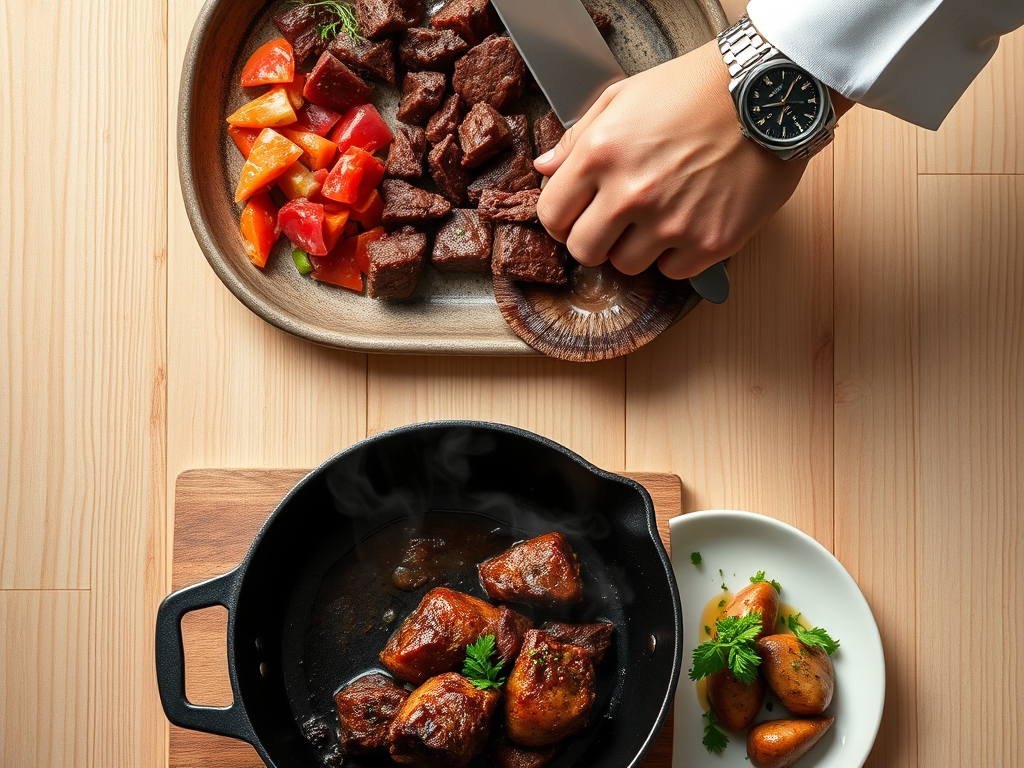
1. The Maillard Foundation
Begin by patting your beef dry with paper towels. Moisture is the enemy of the crust. Heat your heavy-bottomed skillet until it is shimmering, then sear the meat in small batches using tongs.
Pro Tip: This step triggers the Maillard Reaction, a chemical reaction between amino acids and reducing sugars that creates hundreds of different flavor compounds. Without this, your beef will taste boiled rather than roasted.
2. Aromatics and Aeration
Once the meat is removed, toss in your onions and celery. Use a wooden spoon to scrape up the "fond" (the brown bits) from the bottom of the pan. This is concentrated gold.
Pro Tip: Adding a pinch of salt now draws out moisture through osmosis, allowing the vegetables to soften and release their natural sugars faster, which provides a balanced base for the sauce.
3. The Liquid Ratio
Transfer everything to the slow cooker. Add just enough liquid to cover two-thirds of the meat. Unlike stovetop cooking, there is almost zero evaporation in a slow cooker.
Pro Tip: Using too much liquid dilutes the flavor profile. The meat will render its own fat and juices during the cycle, creating a self-basting environment that keeps the protein moist.
4. The Gentle Infusion
Layer your hard herbs like rosemary or thyme on top. If you are making our Moroccan Beef recipe, this is when you add the cinnamon sticks and star anise.
Pro Tip: The infusion process happens more effectively at lower temperatures over long periods. Volatile oils in the herbs slowly migrate into the fat molecules of the beef, ensuring a consistent flavor in every bite.
5. The Acid Finish
Ten minutes before serving, stir in a tablespoon of lemon juice, lime juice, or balsamic vinegar.
Pro Tip: Acid acts as a flavor "brightener." It cuts through the richness of the rendered fat and balances the pH of the dish, making the savory notes pop on your palate.
The Deep Dive:
From a macro perspective, these slow cooker beef recipes healthy options are powerhouses. A standard 6-ounce serving provides roughly 42 grams of protein and is rich in Vitamin B12 and Zinc. By trimming the external fat cap before cooking, we keep the saturated fat levels within heart-healthy limits.
Dietary Swaps:
- Vegan: Swap the beef for extra-firm smoked tofu or lion's mane mushrooms; reduce cook time to 3 hours.
- Keto: Ensure your "Gathers" exclude carrots and potatoes; use radishes or cauliflower florets instead.
- GF: Always check your Worcestershire sauce and beef stock labels for hidden gluten thickeners.
The Fix-It:
- Too Thin: If the sauce is watery, whisk a teaspoon of arrowroot powder with cold water and stir it in for the last 20 minutes to create a viscous glaze.
- Too Salty: Drop in a peeled, halved potato for the final hour. It acts as a sponge for excess sodium.
- Tough Meat: If it is still chewy, it simply hasn't been in long enough. Give it another 45 minutes; the thermal carryover will eventually win.
Meal Prep: To maintain "day-one" quality, cool the beef in its own liquid. This prevents the surface from drying out and oxidizing. When reheating, use a saucier on low heat rather than a microwave to avoid "warmed-over flavor," which is caused by lipid oxidation.
The Wrap-Up:
You are now officially the master of the slow cooker. By blending the precision of a scientist with the soul of a stylist, you have turned basic ingredients into a week of gourmet, health-conscious fuel. These seven meals prove that "healthy" never has to mean "boring." Whether you are shredding beef for a vibrant salad or plating a thick, balsamic-glazed roast, you are nourishing your body with intention. Now, go grab those tongs and start searing!
The Kitchen Table:
Can I put frozen beef directly in the slow cooker?
No, it is unsafe. Frozen meat stays in the "danger zone" temperature range (40F to 140F) for too long, allowing bacteria to multiply. Always thaw your beef completely in the refrigerator before adding it to the pot.
What is the best cut for healthy slow cooking?
Chuck roast is the classic choice because its connective tissue melts into gelatin. For a leaner option, use bottom round or eye of round; just ensure you do not overcook them, as they have less internal fat.
How do I prevent my vegetables from getting mushy?
Place hardy root vegetables like carrots and potatoes at the bottom of the pot where they get the most heat. If using delicate greens like spinach or peas, stir them in during the last ten minutes of cooking.
Why does my beef taste bland despite the spices?
You likely skipped the searing step or didn't use enough acid. The Maillard reaction during searing provides depth, while a splash of vinegar or citrus at the end "wakes up" the spices and balances the salt.