
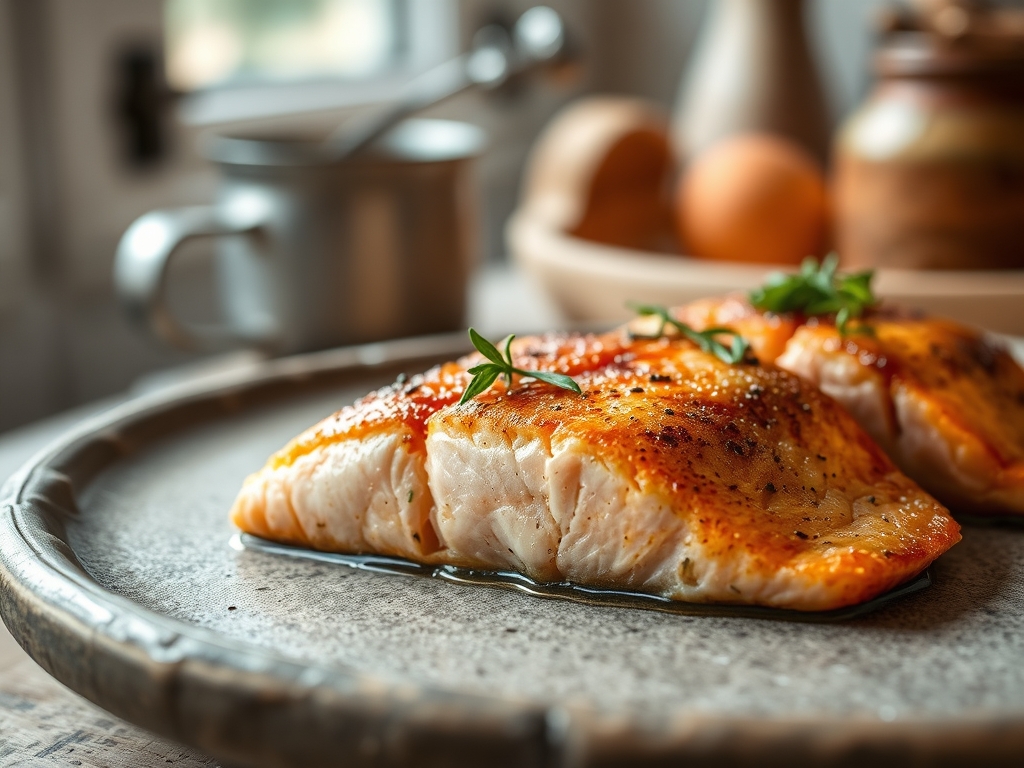
Imagine the sound of a cold fillet hitting a hot, heavy-bottomed skillet; it is that distinct, aggressive hiss that signals the start of a culinary transformation. When you are hunting for the best paleo salmon recipes, you are not just looking for a meal; you are looking for that perfect balance of omega-3 fatty acids and crisp, golden skin. This is where high-heat searing meets clean, ancestral eating. Salmon is the ultimate canvas for the paleo lifestyle because its natural fats are incredibly forgiving. Whether you are aiming for a citrus-infused bake or a pan-seared masterpiece, the goal is always the same: achieving a buttery, translucent center while the exterior undergoes a beautiful Maillard reaction. We are going beyond the basic steamed fish and broccoli routine. We are diving into a world where vibrant herbs, healthy fats, and precise thermal control turn a simple piece of protein into a five-star experience. Grab your favorite apron and let's get into the science of why this fish is the undisputed king of the paleo plate.
The Gathers:
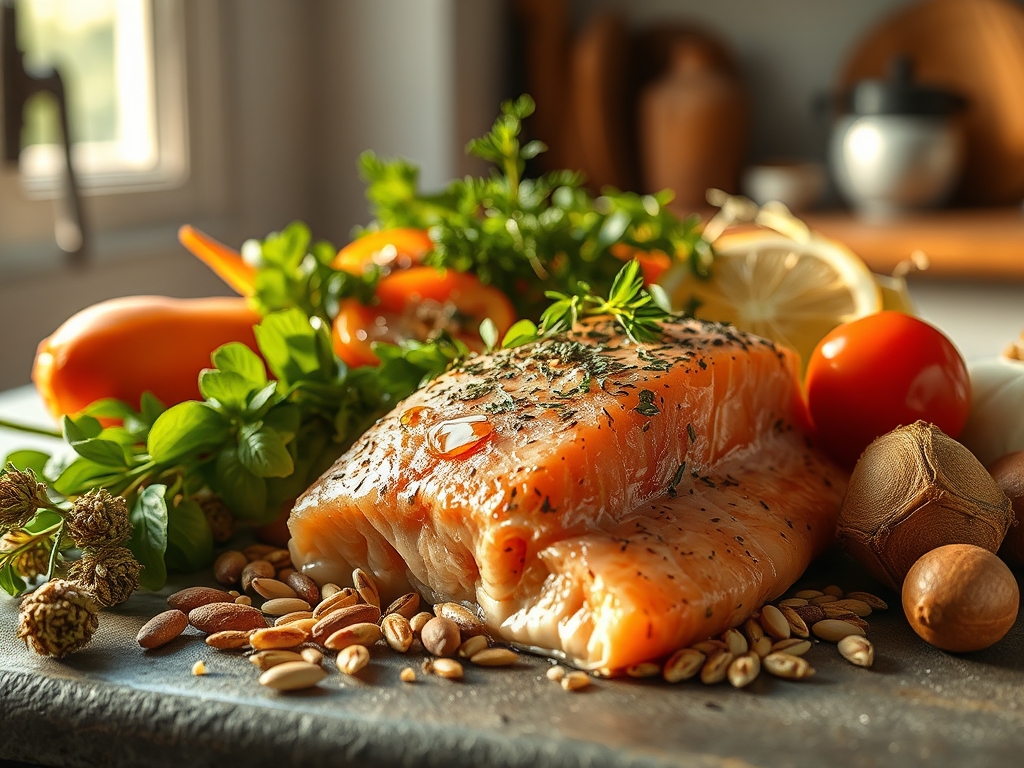
To execute these paleo salmon recipes with precision, your mise-en-place must be intentional. Start with wild-caught King or Sockeye salmon; these varieties offer a more robust muscular structure and higher astaxanthin content than farmed alternatives. You will need a high-smoke-point fat like avocado oil or clarified ghee to ensure you can reach searing temperatures without the oil breaking down into acrid compounds.
Your counter should feature a vibrant array of aromatics. Think fresh dill, flat-leaf parsley, and cilantro to provide a piquant contrast to the rich lipids of the fish. Use a microplane to zest lemons and limes, releasing the volatile oils stored in the fruit's flavedo without hitting the bitter white pith. For seasoning, skip the table salt and reach for flaky sea salt; the larger surface area of the crystals provides a satisfying crunch and a more controlled salt distribution.
Smart Substitutions: If you are avoiding nightshades, swap paprika for ground turmeric or sumac to maintain a warm color profile. If honey is not in your current paleo phase, use a splash of coconut aminos to provide that essential umami depth and a hint of natural sweetness that aids in caramelization.
The Clock
Efficiency in the kitchen is all about the "Chef's Flow." For most paleo salmon recipes, you are looking at a 10-minute prep window and a 12-minute cook time. The secret to mastering the clock is "tempering" your fish. Remove the salmon from the refrigerator 20 minutes before cooking. This allows the internal temperature to rise slightly, ensuring the heat from the pan does not have to fight a freezing core, which often leads to an overcooked exterior and a raw center.
While the fish tempers, use your bench scraper to organize your chopped aromatics. The flow should be linear: prep, sear, rest. Never skip the rest. Giving the fish three minutes on a warm plate allows the muscle fibers to relax and reabsorb the juices, ensuring every bite is moist rather than leaking moisture across the plate.
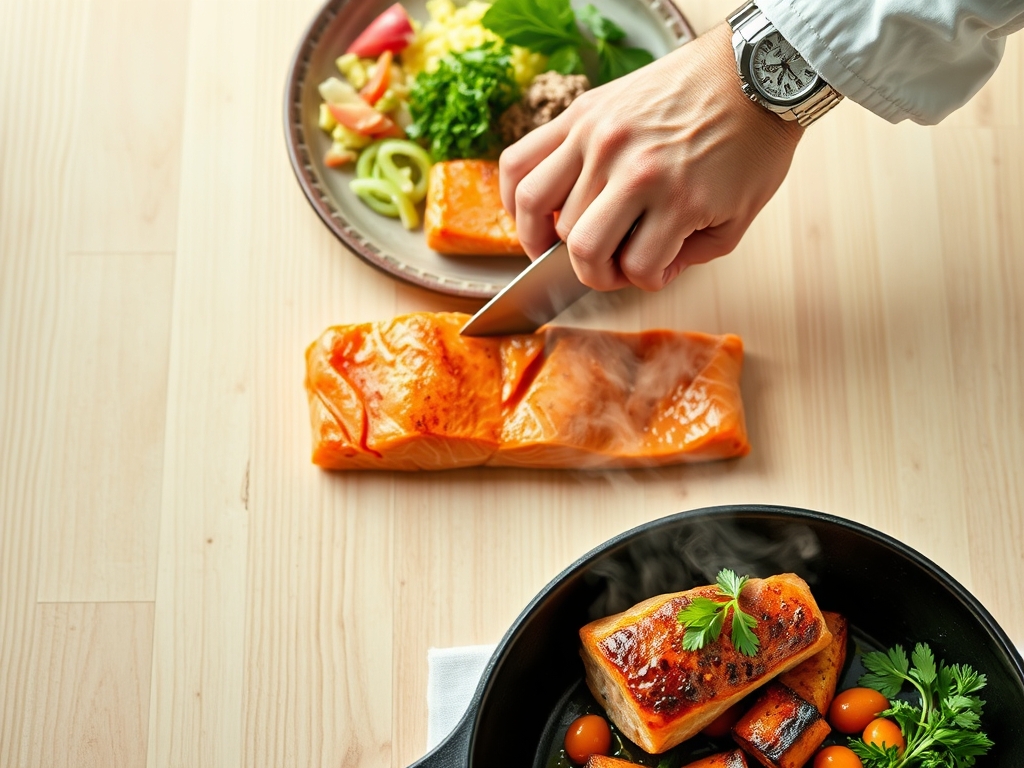
The Masterclass
1. The Desiccation Phase
Before the fish ever touches the heat, you must use a paper towel to pat the skin bone-dry. Moisture is the enemy of the sear. If there is water on the surface, the energy from the pan will be spent evaporating that water (steaming) rather than browning the proteins.
Pro Tip: This is about latent heat of vaporization; by removing surface water, you allow the surface temperature to rapidly exceed 285 degrees Fahrenheit, triggering the Maillard reaction for a savory, complex crust.
2. The Fat Infusion
Heat your heavy-bottomed skillet over medium-high heat until the oil shimmers and just begins to wisps of smoke appear. Lay the salmon away from you to avoid hot oil splatter. Press down firmly with a flexible metal spatula for the first 30 seconds.
Pro Tip: Pressing the fish prevents the skin from curling as the collagen fibers contract. This ensures maximum surface-to-pan contact, leading to an even, glass-like crunch across the entire fillet.
3. The Gentle Flip
Monitor the side of the fillet; you will see the opaque, cooked color creep up from the bottom. Once it reaches about 60% of the way up, use your tongs to gently flip the fish. The skin should release effortlessly from the pan if it has properly carbonized.
Pro Tip: If the fish sticks, it is not ready. This is "chemical bonding" at work; wait another 30 seconds for the proteins to naturally release from the metal surface.
4. The Aromatic Baste
In the final minute of cooking, add a dollop of ghee and your smashed garlic cloves to the pan. Tilt the skillet and use a large spoon to continuously drench the fish in the bubbling fat.
Pro Tip: This is called "arroser." The hot fat carries the fat-soluble flavor compounds from the herbs and garlic directly into the nooks and crannies of the searing meat, adding layers of flavor without drying out the protein.
5. The Thermal Carryover
Pull the salmon off the heat when it is about 5 degrees below your target temperature (aim for 125 degrees Fahrenheit for medium-rare). Place it on a wire rack rather than a flat plate to prevent the bottom from becoming soggy.
Pro Tip: Carryover cooking is a real thermodynamic phenomenon. The residual heat on the surface will continue to travel toward the center even after the fish is removed from the heat source, bringing it to a perfect final temperature.
The Deep Dive
When we look at the macro profile of these paleo salmon recipes, we are seeing a powerhouse of nutrition. A standard 6-ounce fillet provides roughly 34 grams of high-quality protein and 22 grams of healthy fats, with zero impact on your glycemic load. It is the gold standard for anti-inflammatory eating.
For dietary swaps, if you are transitioning to Keto, simply increase the healthy fats by serving the salmon with a side of avocado or a rich lemon-butter sauce. If you are cooking for a Vegan guest, you can apply these same searing techniques to thick "steaks" of cauliflower or king oyster mushrooms, using coconut aminos to mimic the savory depth.
The Fix-It:
- White Gunk (Albumin): If you see white streaks appearing, you are cooking the fish too fast and too hot, squeezing the protein liquid out. Lower your heat next time.
- Soggy Skin: This happens if the pan wasn't hot enough or if you crowded the skillet. Use a larger pan to allow steam to escape.
- Fishy Smell: This is caused by trimethylamine. To fix it, soak your raw fillets in a bit of lemon juice or coconut milk for 10 minutes before cooking to neutralize the pH.
Meal Prep: To reheat salmon without it turning into rubber, avoid the microwave. Use a low-temperature oven (275 degrees Fahrenheit) with a splash of water in the pan, covered with foil. This creates a gentle steam environment that rehydrates the fats without tightening the protein fibers.
The Wrap-Up
Mastering paleo salmon recipes is a total game-changer for your weekly rotation. By focusing on the science of the sear and the quality of your fats, you elevate a simple ingredient into a nutritional powerhouse that tastes like pure indulgence. Remember, the kitchen is your laboratory; don't be afraid to experiment with different herb infusions or citrus acids. You have the tools, the techniques, and the biological "why" behind every step. Now, go get that skillet screaming hot and show that salmon who is boss.
The Kitchen Table
How do I tell if salmon is done without a thermometer?
Gently press the top of the fillet with a fork or your finger. If the flakes begin to separate easily along the white fat lines (the lamellae), the fish is medium-rare and ready to rest.
Why is wild-caught salmon better for paleo?
Wild salmon has a superior omega-3 to omega-6 ratio compared to farmed fish. It also lacks the synthetic dyes often used in commercial feed, aligning better with the clean-eating principles of a paleo lifestyle.
Can I use frozen salmon for these recipes?
Yes, but you must thaw it completely in the refrigerator overnight. Pat it exceptionally dry with paper towels to remove excess moisture from the freezing process, which can prevent a proper sear.
What is the best pan for searing salmon?
A cast-iron or stainless steel skillet is best. These materials hold heat more effectively than non-stick pans, allowing for the consistent high temperatures required to trigger the Maillard reaction and achieve crispy skin.