
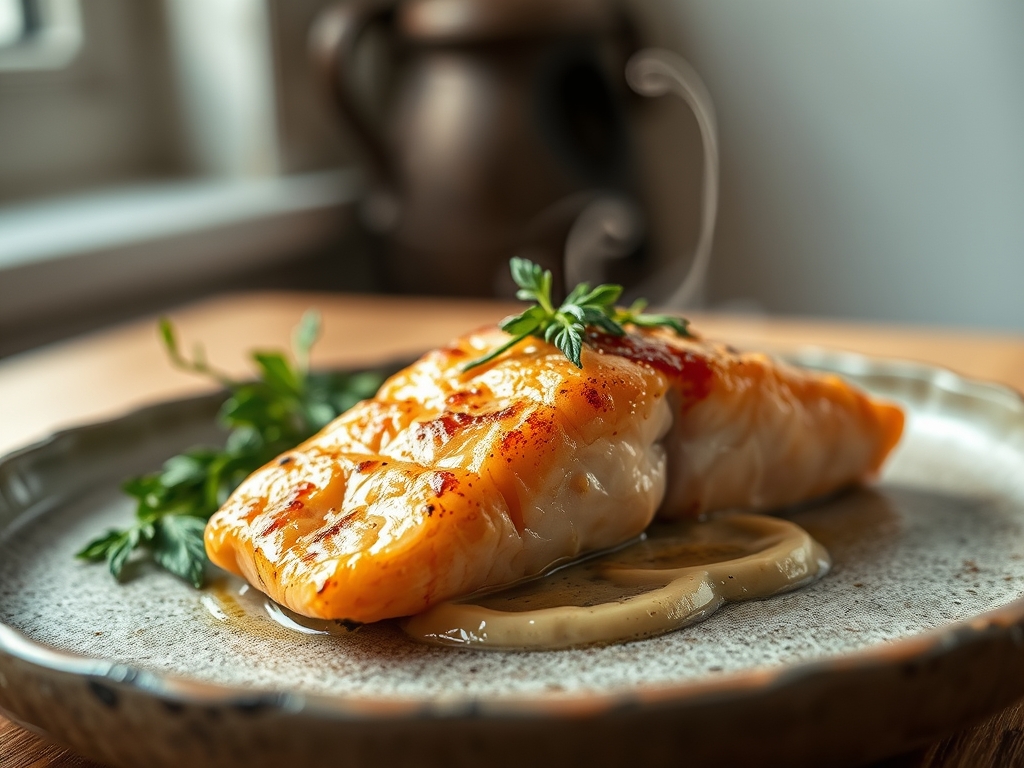
Picture a slab of Atlantic salmon so tender it practically sighs under the weight of your fork. Forget those dry, fibrous fillets that haunt the back of your freezer. When we talk about high-end steamed salmon recipes, we are entering the realm of molecular perfection where gentle heat meets fatty acid magic. This is not just dinner; it is a masterclass in moisture retention.
Steaming is often unfairly maligned as the "sad diet food" of the culinary world, but that is a massive misconception. In reality, it is the most sophisticated way to preserve the delicate structural proteins of the fish without the aggressive, dehydrating heat of a broiler. By surrounding the protein in a humid environment, you prevent the moisture from evaporating, ensuring every bite is buttery and rich. We are going to use a combination of aromatic infusion and precise thermal control to turn a simple piece of fish into a restaurant-quality centerpiece.
I have spent years obsessing over the physics of the perfect flake. From understanding how albumin (that white stuff) reacts to heat, to mastering the art of the parchment "en papillote" seal, I have distilled everything into these ten hacks. We are about to elevate your weeknight routine into a gourmet experience that feels effortless but tastes like hours of labor. Grab your favorite apron; it is time to get scientific in the kitchen.
The Gathers:
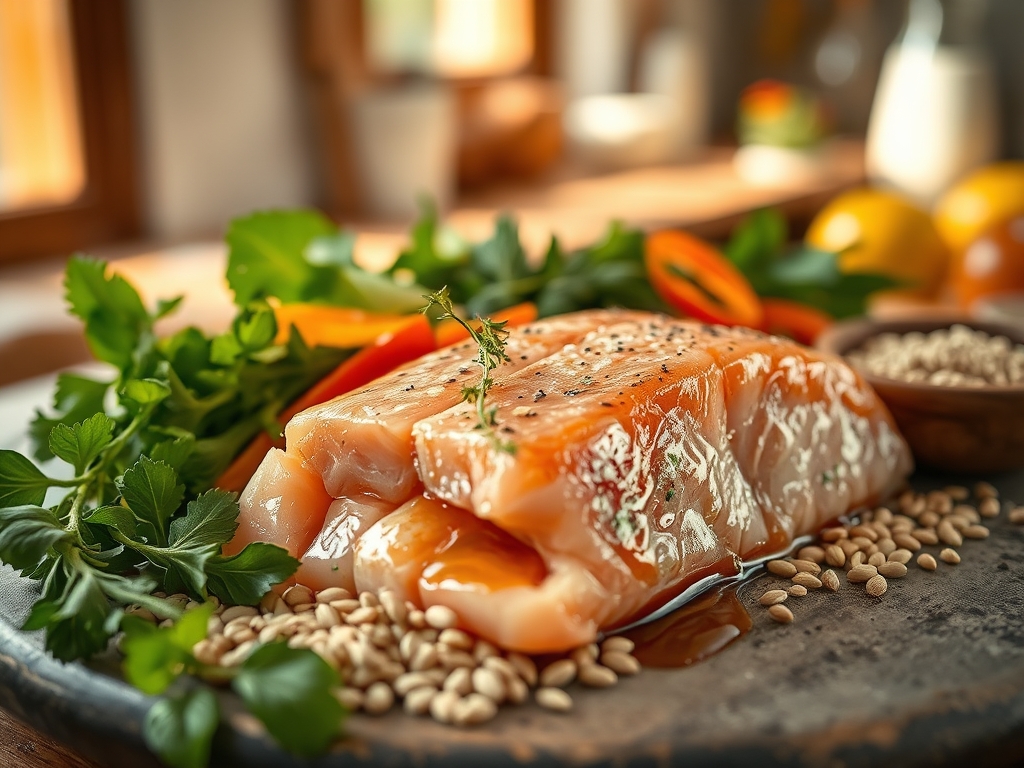
To execute these steamed salmon recipes with precision, your mise-en-place must be intentional. Start with 6-ounce center-cut fillets; these are more uniform in thickness than tail pieces, ensuring even heat distribution. You will need a microplane for zest, a digital scale to ensure portion consistency, and a saucier if you plan on whisking together a finishing emulsion.
The aromatic base is where the "infusion" happens. Gather fresh ginger, scallions, and star anise. These are not just for flavor; they release volatile oils into the steam, which then penetrate the surface of the fish. For the liquid, use a dry white wine or a dashi stock to add umami.
Smart Substitutions:
If you are avoiding alcohol, replace the wine with a mixture of verjuice and a drop of honey to mimic the acidity. If ginger is too piquant for your palate, lemongrass offers a floral, citrusy alternative that is less aggressive. For those without a bamboo steamer, a stainless steel folding basket or even a bed of sliced citrus in a heavy-bottomed skillet works beautifully to elevate the fish from the direct heat of the simmering liquid.
The Clock
Efficiency in the kitchen relies on "Chef's Flow." This is the sequence of operations that ensures no component sits idle for too long.
Prep Time: 15 minutes. This includes your knife work (julienning the aromatics) and bringing your salmon to room temperature. Cold fish in a hot steamer leads to uneven cooking.
Cook Time: 8 to 12 minutes. This varies based on the thickness of the fillet.
Rest Time: 3 minutes. Never skip this. It allows the internal juices to redistribute.
Total investment? Under 30 minutes. The flow should be: boil the water, prep the aromatics, season the fish, and steam. While the fish rests, you can use your bench scraper to tidy the board and whisk a quick sauce in your saucier.
The Masterclass:
1. The Room Temp Reset
Before the fish even touches the steamer, let it sit on the counter for 15 minutes. Cold proteins contract violently when hit with steam, pushing out moisture.
Pro Tip: This prevents the premature release of albumin, the white protein that leaks out when muscle fibers contract too quickly due to thermal shock.
2. The Acid Pre-Wash
Lightly brush the fillets with a touch of lemon juice or rice vinegar. This brightens the color and starts a very mild "cold cook" on the surface.
Pro Tip: Acid denatures the surface proteins slightly, creating a firmer "skin" that holds in the internal fats during the steaming process.
3. The Aromatic Bed
Never place salmon directly on a metal grate. Layer a bed of sliced lemons, ginger, or even cabbage leaves.
Pro Tip: This creates a barrier against direct conduction heat, ensuring the fish cooks via convection (the steam) rather than conduction (the hot metal).
4. The Parchment Shield
If using a metal steamer, drape a piece of parchment paper over the fish. This prevents "rain" (condensed steam) from dripping directly onto the fillet and washing away your seasoning.
Pro Tip: This mimics the en papillote environment, trapping essential oils against the skin of the fish for a deeper flavor profile.
5. The Salt Saturation
Season the fish at least 10 minutes before steaming. Use a high-quality kosher salt to draw out a tiny bit of moisture, which then dissolves the salt into a concentrated brine.
Pro Tip: This is a "dry brine" technique that seasons the fish all the way to the center rather than just the surface.
6. The Boiling Point Control
Once your water reaches a rolling boil, drop it to a steady simmer before adding the steamer basket.
Pro Tip: Violent steam can break the delicate flakes of the salmon. A gentle, consistent vapor allows for a more controlled thermal carryover once the fish is removed.
7. The Fat Infusion
Place a small pat of compound butter or a teaspoon of sesame oil on top of the fillet before closing the lid.
Pro Tip: As the fat melts, it creates a viscous coating that traps the aromatic steam against the flesh, acting as a flavor delivery system.
8. The Internal Temp Target
Use a digital thermometer to pull the salmon when it hits 125 degrees Fahrenheit for a medium-rare finish.
Pro Tip: Thermal carryover will continue to cook the fish for several minutes after it leaves the heat, bringing it to a perfect 130-135 degrees.
9. The Flash Finish
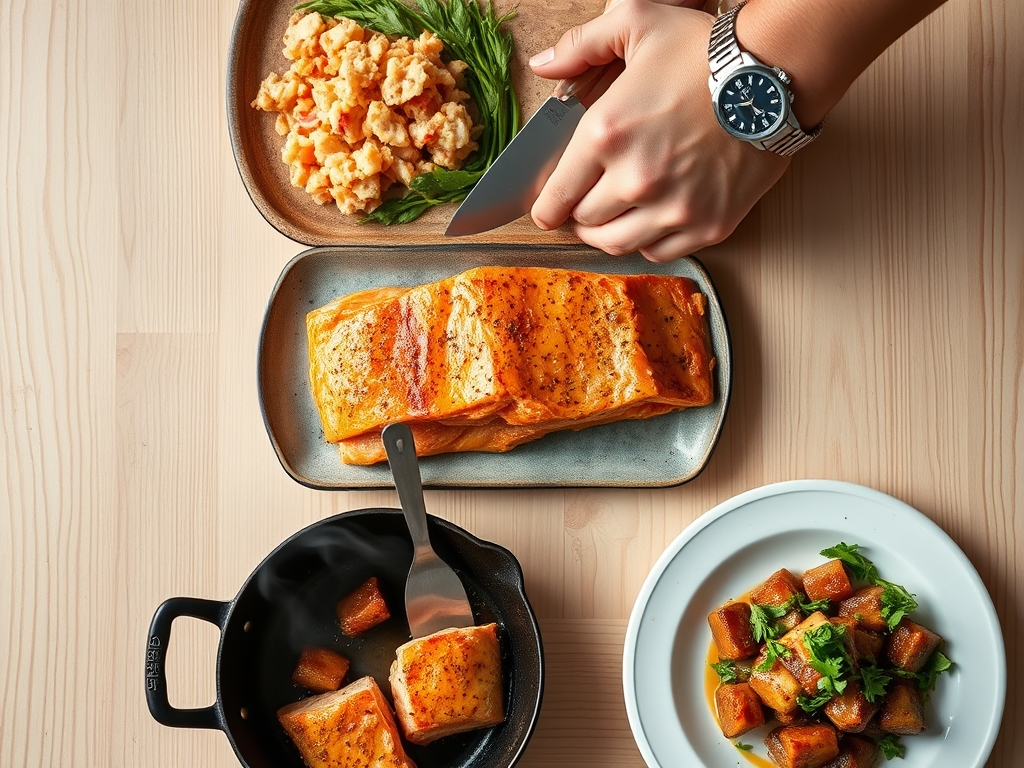
Once steamed, use tongs to carefully transfer the fish. If you miss the "crunch" of pan-seared salmon, hit the skin side with a kitchen torch for 10 seconds.
Pro Tip: This creates a localized Maillard reaction, providing a smoky depth without overcooking the delicate interior.
10. The Emulsified Drizzle
Finish with a sauce made from the steaming liquid and a bit of cold butter. Whisk vigorously in a saucier until it thickens.
Pro Tip: This creates a temporary emulsion that carries the concentrated flavors of the aromatics back onto the plate.
The Deep Dive
Salmon is a nutritional powerhouse, boasting high levels of Omega-3 fatty acids, Vitamin B12, and Selenium. One 6-ounce serving provides roughly 34 grams of protein. Because steaming requires no added frying oils, it remains a "clean" protein source ideal for Keto or Mediterranean diets.
Dietary Swaps:
For a Vegan alternative, use this same steaming method for thick slabs of King Oyster mushrooms or firm tofu. For Keto enthusiasts, double down on the butter emulsion. If you are Gluten-Free, ensure your dashi or soy sauce components are certified GF or use tamari.
The Fix-It:
- The Fish is Mushy: You likely crowded the steamer. Steam must circulate freely around each fillet to cook effectively.
- The Fish is Dry: You ignored the thermometer. Even two minutes of over-steaming can turn salmon into cardboard.
- The Flavor is Bland: You didn't season the steaming liquid. Add salt, peppercorns, and herbs to the water itself to aerate the flavor into the steam.
Meal Prep:
To reheat, do not use the microwave. Instead, place the salmon in a covered dish with a tablespoon of water and heat in a 300-degree oven for 5 minutes. This creates a mini-steamer effect that restores the original texture.
The Wrap-Up
Mastering steamed salmon recipes is about respecting the ingredient. By moving away from high-intensity searing and embracing the gentle, humid power of vapor, you unlock a texture that is impossible to achieve otherwise. It is smart, it is healthy, and it is undeniably sophisticated. Now that you have the hacks and the science, go forth and flake!
The Kitchen Table
Can I steam frozen salmon?
Yes, but for the best results, thaw it completely first. Steaming from frozen leads to uneven cooking where the outside becomes rubbery before the center is warm. Always pat the thawed fish dry to remove excess ice crystals.
What is the best liquid for steaming?
While water works, using a 50/50 mix of water and dry white wine or vegetable stock adds a sophisticated aromatic layer. Adding aromatics like ginger, garlic, or peppercorns to the liquid further enhances the flavor profile through the steam.
How do I prevent the white stuff (albumin)?
Albumin is harmless but unsightly. To minimize it, bring your salmon to room temperature before cooking and avoid high-heat steaming. A gentle, consistent simmer is the key to keeping those proteins relaxed and the moisture inside the fish.
Do I leave the skin on?
Absolutely. Even if you do not plan to eat it, the skin acts as a natural insulator and flavor barrier. It helps the fillet hold its shape during the steaming process and prevents the delicate flesh from sticking to the steamer.