
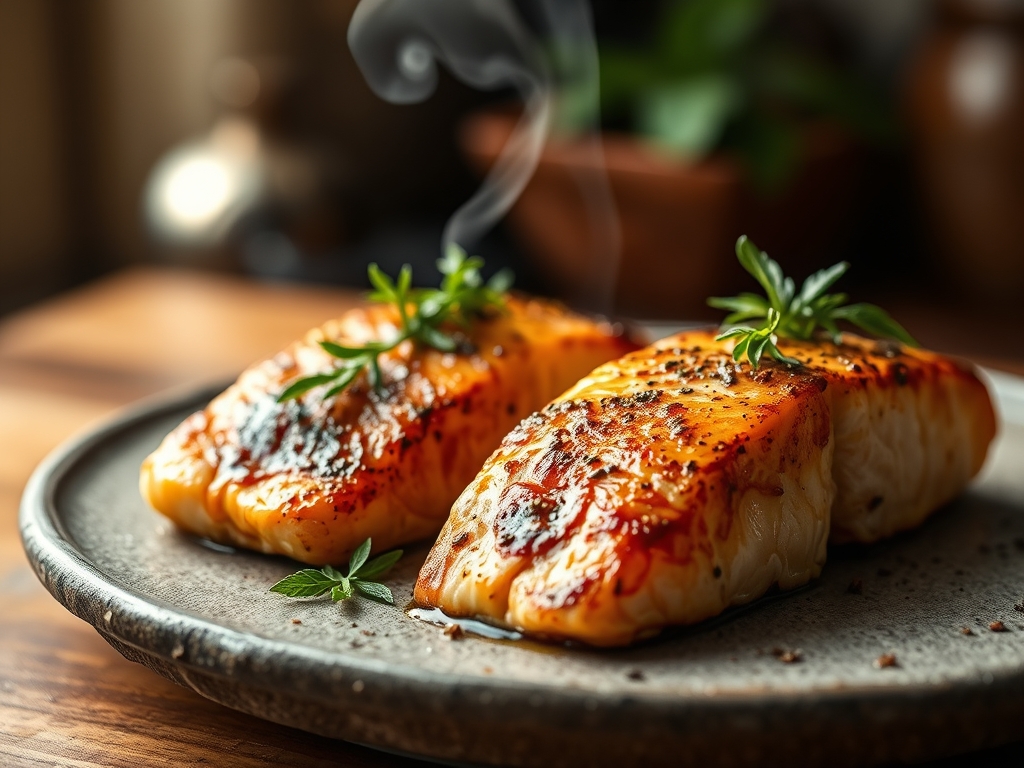
Imagine the sound of a heavy sheet pan sliding onto a metal rack; it is the definitive click of a weeknight victory. The air in your kitchen begins to thicken with the scent of toasted butter and the sharp, citrusy brightness of lemon zest. When you master oven cooked salmon recipes, you are not just making dinner; you are manipulating proteins to achieve that perfect, translucent flake.
There is a specific kind of magic that happens between 275 and 425 degrees Fahrenheit. Whether you prefer a slow-roasted, buttery texture or a high-heat sear that mimics a professional grill, the oven is your most reliable laboratory. We are moving past the days of dry, chalky fillets. Instead, we are focusing on the delicate balance of heat transfer and moisture retention. By the time we are done, you will understand exactly why your salmon behaves the way it does under heat. We are going to explore six distinct flavor profiles that transform a simple piece of fish into a centerpiece worthy of a Saturday night dinner party, all while keeping the process streamlined enough for a Tuesday.
The Gathers:
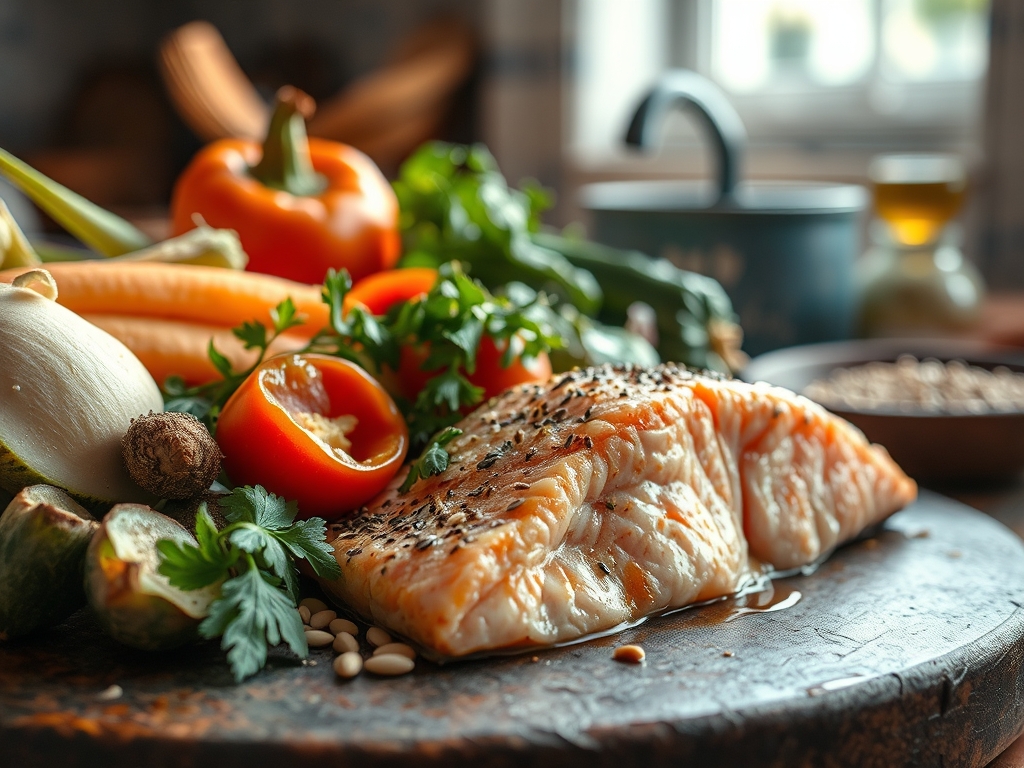
To execute these oven cooked salmon recipes with precision, your mise-en-place must be intentional. Start with the centerpiece: high-quality Atlantic or King salmon. Look for deep pigmentation and firm flesh; this indicates a healthy fat content which is essential for a viscous mouthfeel. You will need a microplane for zesting citrus and grating fresh ginger, as this tool maximizes surface area for flavor infusion.
A bottle of high-smoke-point oil, such as avocado or grapeseed oil, is non-negotiable for high-heat roasting. For the sauces, gather unsalted European-style butter, which has a higher fat percentage than standard sticks, and a bottle of dry white wine for those moments when you need to deglaze the pan. You should also have a digital scale nearby to ensure your portions are uniform, which guarantees even cooking across the entire tray.
Smart Substitutions:
If you are avoiding dairy, swap the butter for a high-quality extra virgin olive oil or a rich coconut cream to maintain that luxurious texture. For those looking to replace soy sauce in the glaze, liquid aminos or coconut aminos provide that same piquant umami hit without the gluten. If you cannot find fresh dill, dried tarragon offers a similar herbaceous depth that pairs beautifully with the natural oils of the fish.
The Clock
Efficiency in the kitchen is about understanding "Chef's Flow." This is the art of overlapping tasks so that no second is wasted. For these oven cooked salmon recipes, the active prep time is roughly 15 minutes. This involves the "Gathering" phase and the initial seasoning. The actual roasting time varies between 12 and 20 minutes depending on the thickness of the fillet and your desired level of doneness.
Total time from fridge to table is approximately 35 minutes. During the "dead time" while the salmon is in the oven, you will use a saucier to whisk together your finishing glazes or toss a crisp green salad. The goal is to have the sides ready exactly when the salmon finishes its mandatory five-minute rest period. This resting phase is not optional; it allows the internal juices to redistribute, ensuring every bite is succulent rather than leaking out onto the plate.
The Masterclass
1. Tempering and Patting Dry
Before the fish even touches the pan, you must bring it to room temperature for about 20 minutes. Use a paper towel to aggressively pat the skin and flesh dry. Moisture is the enemy of the Maillard reaction; if the surface is wet, the fish will steam rather than sear.
Pro Tip: This process is about thermal equilibrium. If you put an ice-cold fillet into a hot oven, the outside will overcook and become fibrous before the center even reaches a safe temperature.
2. The Initial Seasoning
Dust the fillets with kosher salt from a height of about twelve inches. This ensures an even distribution of crystals. Use your microplane to shower the fish with lemon zest and cracked black pepper. If you are using a rub, massage it in gently to ensure it adheres to the natural oils of the fish.
Pro Tip: Salt acts as a denaturant. It begins to break down the tightly wound proteins on the surface, allowing them to retain more moisture during the high-heat roasting process.
3. Choosing Your Vessel
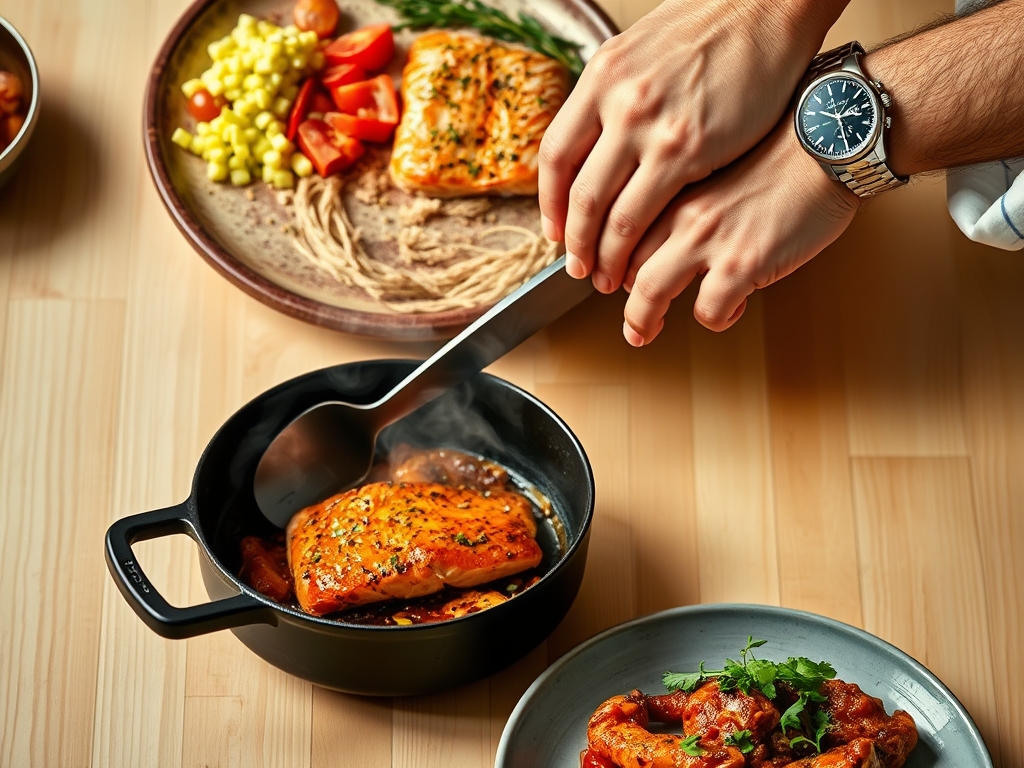
For a crispy skin, use a preheated heavy-bottomed skillet. For a gentle, poached texture, a parchment-lined sheet pan is your best friend. Place the salmon skin-side down. This layer of fat and skin acts as an insulator, protecting the delicate flesh from the direct heat of the metal.
Pro Tip: This is known as conductive heat transfer. The heavy metal of the pan holds a massive amount of thermal energy, which it transfers directly into the skin to render the fat and create a "chip-like" crunch.
4. The Roasting Phase
Slide the pan into the center rack. If you are following one of the high-heat oven cooked salmon recipes, you are looking for the white spots of albumin to just barely start appearing. This protein is a signal that the fish is nearing its ideal internal temperature of 125 to 135 degrees Fahrenheit.
Pro Tip: Albumin is the white liquid that sometimes seeps out of salmon. It is perfectly safe to eat, but it is a visual cue that the muscle fibers are contracting and pushing out moisture. Catch it early to keep the fish juicy.
5. The Glaze Application
If your recipe calls for a honey or maple glaze, apply it only during the last 3 to 4 minutes of cooking. Use a silicone brush to coat the top generously. The sugars will bubble and caramelize, creating a sticky, savory crust that contrasts with the flaky interior.
Pro Tip: This is pyrolysis, or the decomposition of sugars under heat. If you apply the glaze too early, the sugars will burn and become bitter before the fish is cooked through.
6. The Rest and Finish
Remove the pan from the oven using tongs or a sturdy spatula. Transfer the fillets to a warm plate and tent loosely with foil. Let them sit for five minutes. Finish with a squeeze of fresh lemon juice to provide an acidic counterpoint to the rich fats.
Pro Tip: Thermal carryover means the internal temperature will continue to rise by 5 to 8 degrees after you remove it from the oven. Pulling the fish at 125 degrees ensures it hits a perfect 130 degrees by the time you take your first bite.
The Deep Dive
When we look at the macro nutrition of these oven cooked salmon recipes, we are talking about a powerhouse of Omega-3 fatty acids and high-quality protein. A standard 6-ounce fillet provides roughly 34 grams of protein and 20 grams of healthy fats, making it a staple for both muscle recovery and brain health.
For those with dietary restrictions, these recipes are incredibly flexible. To make them Keto, simply swap honey glazes for a lemon-butter-garlic infusion. For a Vegan alternative, the same roasting techniques and glazes can be applied to thick "steaks" of cauliflower or firm tofu, though the cooking times will need to be adjusted.
The Fix-It: Common Pitfalls
- The Fish is Sticking: This usually happens because the pan wasn't hot enough or the skin wasn't dry. To fix, use a bench scraper to gently lift the fish, or next time, ensure you use a piece of parchment paper.
- The White Gunk (Albumin): If you see too much of this, your oven is too hot. Lower the temp by 25 degrees next time and try a "low and slow" approach.
- The Texture is Mushy: This is a sign of undercooking or using fish that was previously frozen and not thawed correctly. Ensure your digital thermometer hits at least 125 degrees.
Meal Prep Science:
If you are reheating salmon the next day, do not use the microwave; it will turn the fats rancid and the texture rubbery. Instead, place the salmon in a cold oven and set it to 275 degrees. As the oven preheats, the salmon will gently warm through without overcooking, maintaining that "day-one" flake.
The Wrap-Up
Mastering oven cooked salmon recipes is a gateway to becoming a more intuitive cook. Once you understand how heat interacts with the fats and proteins of the fish, you can start experimenting with your own infusions. Use your saucier to create bold reductions; use your microplane to add layers of aromatics. Dinner should be an experience, not just a chore. Now, grab your apron and let the science of the kitchen work its magic.
The Kitchen Table
How do I know when the salmon is done without a thermometer?
Gently press the top of the fillet with a fork or your finger. If the flesh flakes easily along the natural white lines (the fat layers), it is ready. The center should still look slightly translucent.
Why is my salmon skin never crispy in the oven?
You must pat the skin extremely dry and use a preheated pan. Adding a thin layer of oil to the pan before placing the fish skin-side down creates the necessary heat transfer for a professional crunch.
Can I cook salmon from frozen in the oven?
Yes, but the texture will suffer. For the best results, wrap the frozen fillet in foil to trap steam, then uncover for the last five minutes to develop some color. It won't be as flaky as fresh.
What is the best temperature for roasting salmon?
For a buttery, consistent texture, 325 degrees Fahrenheit is ideal. If you want a seared exterior and a medium-rare center, 425 degrees for a shorter duration is the way to go.
Should I leave the skin on while cooking?
Always. Even if you don't plan to eat it, the skin acts as a thermal barrier that prevents the delicate flesh from drying out against the hot pan. It peels off easily after cooking.