
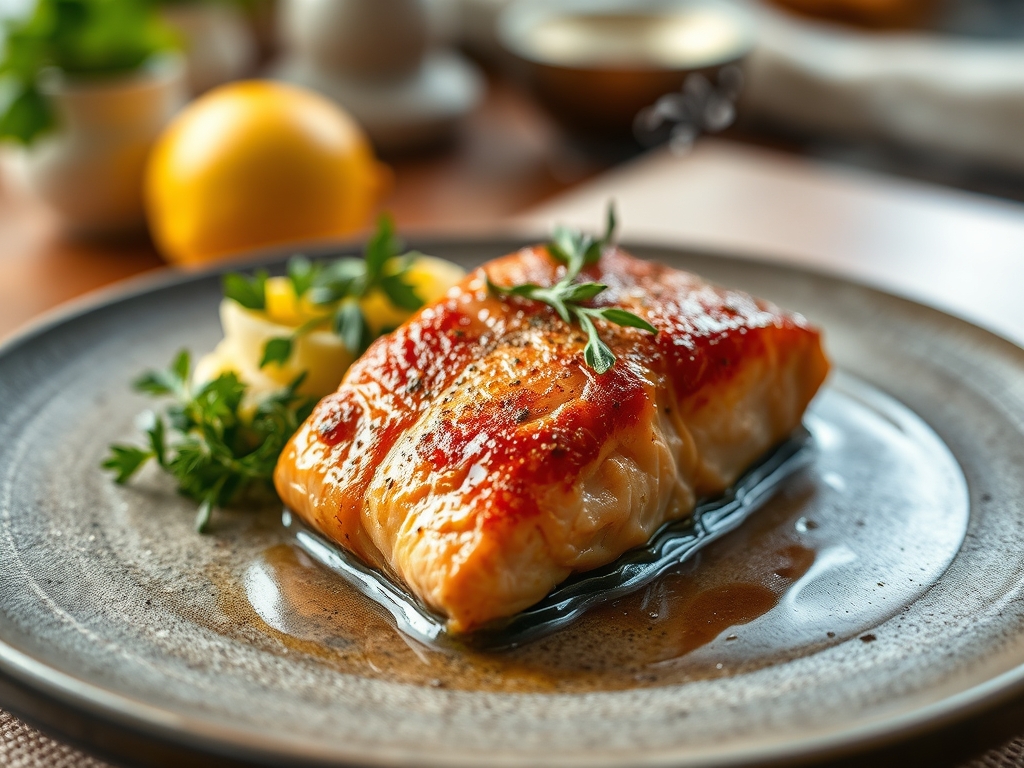
Imagine a kitchen filled with the scent of toasted sesame and caramelized honey; it is a fragrant cloud that replaces the sharp, predictable zing of citrus. We have been conditioned to believe that fish requires acid to survive the oven, but the truth is far more delicious. When you explore baked salmon recipes no lemon, you unlock a world of rich fats and deep umami that citrus often masks. This recipe is not just a meal; it is a masterclass in balancing heavy proteins with piquant spices and savory glazes. We are moving away from the tartness of the orchard and toward the depth of the pantry, using science to ensure every bite is succulent and perfectly rendered.
The secret lies in the fat. Salmon is a naturally oily fish, packed with omega-3 fatty acids that act as a thermal buffer during the cooking process. By removing the lemon, we stop the premature denaturation of proteins that occurs when acid hits raw flesh. Instead, we use a complex eight-flavor profile that relies on the Maillard reaction to create a savory crust. This approach transforms a standard Tuesday night dinner into a high-end bistro experience. You do not need a lemon wedge to brighten this dish; you need the right technique and a little bit of heat to coax the natural sugars out of your glaze.
The Gathers:
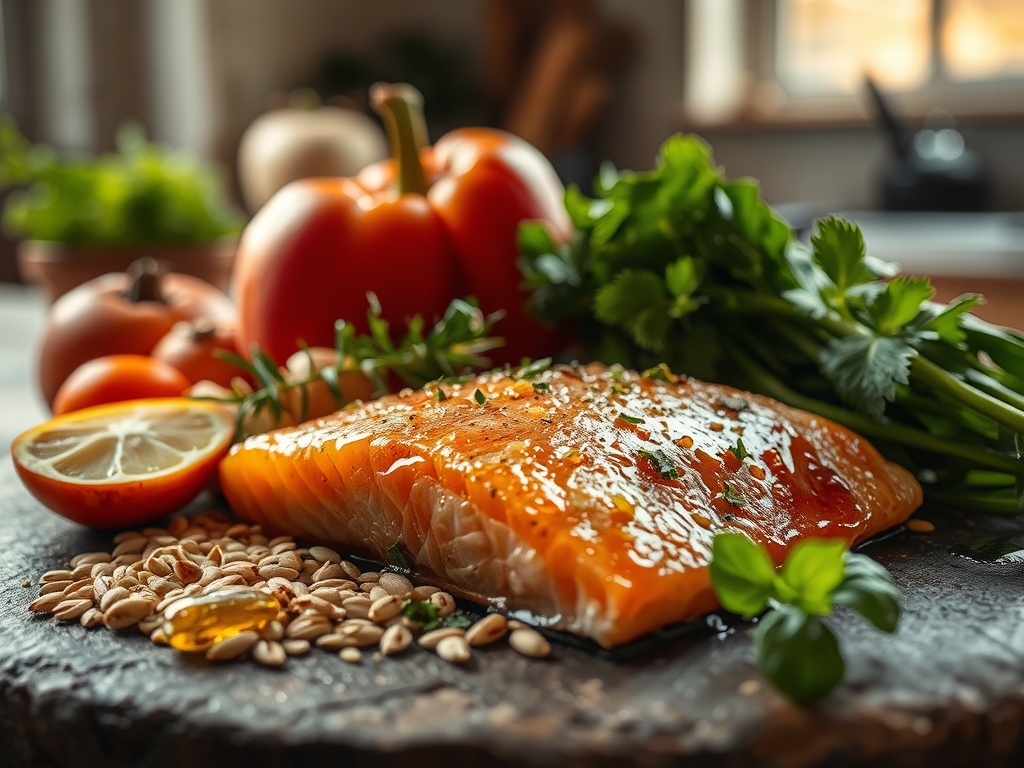
To achieve the perfect eight-flavor profile, your mise-en-place must be precise. Start with a high-quality center-cut fillet; the uniform thickness ensures even heat distribution. You will need a digital scale to measure your glaze components accurately, as the ratio of sugar to salt is vital for the perfect viscous coating.
The eight flavors are a symphony of textures and tastes. First, the base consists of dark soy sauce for deep umami and toasted sesame oil for a nutty aroma. Next, we add freshly grated ginger and minced garlic; use a microplane to turn these into a fine paste. This increases the surface area, allowing the aromatics to infuse the oil more effectively. For sweetness, use raw honey or maple syrup. For the "piquant" kick that replaces lemon, we utilize rice vinegar and a touch of Dijon mustard. Finally, a sprinkle of smoked paprika provides a subtle wood-fired finish.
Smart Substitutions: If you are avoiding soy, liquid aminos provide the same savory backbone. For those who want more heat, a teaspoon of gochujang or sriracha can be whisked into the glaze using a small saucier whisk. The goal is to create an emulsion where the oil and water-based liquids stay bonded, ensuring the glaze clings to the fish rather than sliding off into the pan.
The Clock
Efficiency in the kitchen is about "Chef's Flow." This is the practice of overlapping tasks so that no time is wasted. Your total active prep time is exactly 10 minutes, with a cook time of 12 to 15 minutes depending on the thickness of your fillets.
Start by preheating your oven to 400 degrees Fahrenheit. While the oven reaches temperature, prepare your glaze. This 10-minute window is when the salmon should sit at room temperature. Taking the chill off the protein prevents "thermal shock," which can cause the muscle fibers to tighten and squeeze out moisture. By the time your oven chime rings, your salmon is relaxed and coated, ready for the heat. The final 5 minutes of the process are reserved for "resting," a non-negotiable step for moisture retention.
The Masterclass
1. Prepare the Surface
Pat the salmon fillets completely dry using paper towels. Moisture is the enemy of the Maillard reaction. If the surface is damp, the heat of the oven will go toward evaporating that water rather than browning the fish. Use a bench scraper to clear your workspace and ensure you have a clean, dry area for seasoning.
Pro Tip: This process is called "surface desiccation." Removing external moisture allows the proteins and sugars to react at a lower temperature, resulting in a deeper gold color without overcooking the interior.
2. Whisk the Eight-Flavor Glaze
In a small bowl, combine your soy, honey, ginger, garlic, sesame oil, rice vinegar, mustard, and paprika. Use a small whisk to aerate the mixture slightly, which helps the honey dissolve into the thinner liquids. The mustard acts as a natural emulsifier, binding the oil and vinegar together into a smooth, glossy sauce.
Pro Tip: The rice vinegar provides the necessary acidity to cut through the salmon's fat without the aggressive citrus notes of lemon. This is known as "pH balancing" in culinary science.
3. The Sear-Start (Optional but Recommended)
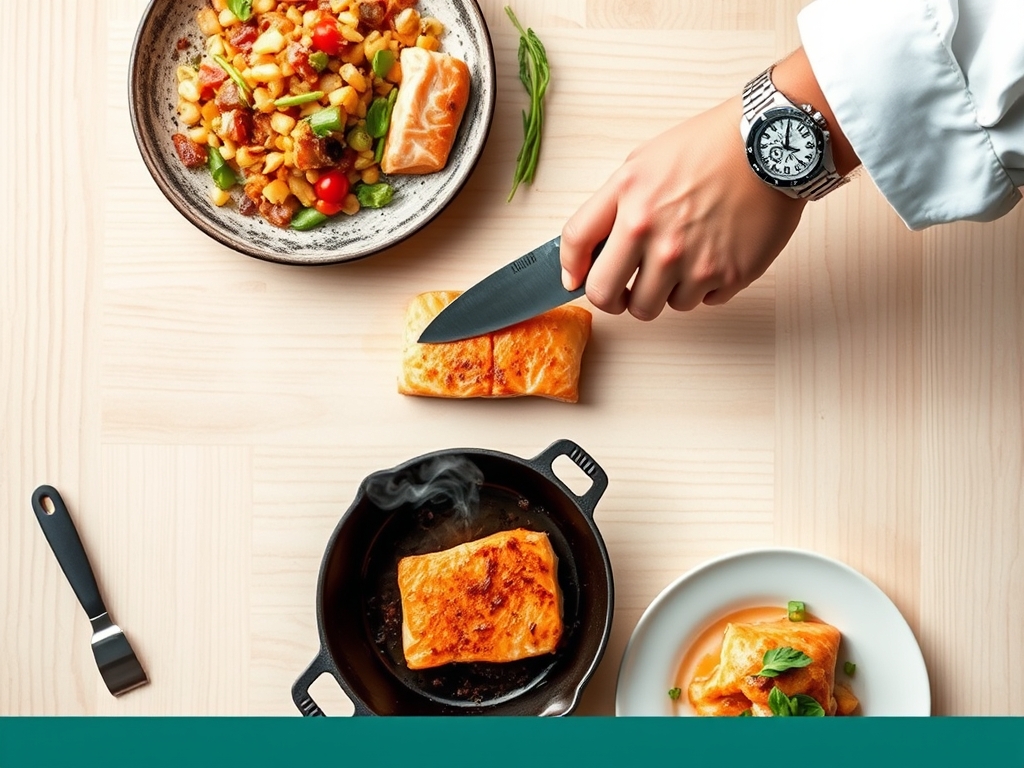
For the best texture, heat a heavy-bottomed skillet with a teaspoon of neutral oil over medium-high heat. Place the salmon skin-side down for 2 minutes. This will render the fat under the skin, making it incredibly crispy. Use tongs to gently press the fish down to ensure full contact with the pan.
Pro Tip: This is "conductive heating." The direct contact with the metal creates a crisp texture that an oven's "convective heating" (hot air) cannot replicate as efficiently.
4. Apply the Glaze and Bake
Transfer the fillets to a parchment-lined baking sheet. Brush a generous layer of the glaze over the top and sides. Place the tray on the center rack of the oven. The sugars in the honey will begin to caramelize, creating a sticky, savory crust that seals in the juices.
Pro Tip: Watch for "enzymatic browning." As the garlic and ginger heat up, they release compounds that deepen the flavor profile, moving from raw and sharp to sweet and mellow.
5. The Carryover Rest
Remove the salmon when a digital thermometer reads 130 degrees Fahrenheit. Move the fillets to a warm plate and tent loosely with foil. Let them rest for 5 minutes. During this time, the internal temperature will rise to the perfect 135-145 degree range.
Pro Tip: This is "thermal carryover." If you wait until the fish is 145 degrees in the oven, it will be dry and chalky by the time you eat it. Resting allows the internal juices to redistribute.
The Deep Dive
From a nutritional standpoint, this dish is a powerhouse. A standard 6-ounce portion provides roughly 34 grams of protein and is rich in Vitamin B12 and Potassium. Because we are using honey and soy, the carbohydrate count is slightly higher than a plain grilled fillet, but it remains well within the limits for most balanced diets.
For dietary swaps, this recipe is incredibly flexible. To make it Keto, replace the honey with a monk fruit sweetener and ensure your soy sauce is sugar-free. For a Vegan alternative, this same eight-flavor glaze works beautifully on thick slabs of cauliflower or firm tofu. If you are Gluten-Free, simply swap the soy sauce for tamari.
The Fix-It: Common Pitfalls
- The White Gunk (Albumin): If you see white streaks appearing on your salmon, the heat is too high. This is albumin, a protein that leaches out when the muscle fibers contract too quickly. Fix: Lower the oven temp by 25 degrees next time.
- Soggy Skin: This happens when the pan isn't hot enough or the skin wasn't dried. Fix: Always start with a cold-dry skin and a hot-oil pan.
- Burnt Glaze: The honey can burn if left too long. Fix: If the glaze is darkening too fast, move the tray to a lower rack or tent with foil.
Meal Prep and Reheating
To maintain "day-one" quality, do not microwave your leftovers on high power. Microwaves vibrate water molecules, which can turn salmon rubbery. Instead, reheat in a 300-degree oven for 8 minutes or use a steamer basket for 3 minutes. This gently warms the fats without re-cooking the delicate proteins.
The Wrap-Up
Mastering baked salmon recipes no lemon is a total game-changer for your weekly rotation. It proves that you do not need the "standard" ingredients to create a dish that is vibrant, complex, and deeply satisfying. By focusing on the science of the glaze and the precision of the cook time, you are treating the ingredient with the respect it deserves. This eight-flavor method is bold, sophisticated, and surprisingly simple once you understand the "why" behind the "how." So, grab your microplane, heat up that skillet, and get ready to serve the best salmon of your life.
The Kitchen Table
Can I use frozen salmon for this recipe?
Yes, but you must thaw it completely in the refrigerator first. Pat it exceptionally dry to remove excess moisture from the freezing process, ensuring the glaze adheres properly to the protein surface.
What is the best substitute for soy sauce?
Tamari is the best gluten-free alternative, offering a similar depth. Liquid aminos or coconut aminos also work well, though coconut aminos are slightly sweeter and may require a reduction in the honey used.
How do I know the salmon is done without a thermometer?
The "flake test" is reliable. Gently press the top of the fillet with a fork; if the layers of flesh separate easily along the white fat lines, the salmon is perfectly cooked and ready.
Why is my salmon sticking to the parchment paper?
This usually happens if the skin wasn't properly rendered or if the glaze dripped underneath. A light spray of oil on the parchment before placing the fish will prevent any structural tearing during plating.
Can I make the glaze in advance?
Absolutely. The flavors actually meld and deepen if the glaze sits in the fridge for 24 hours. Just give it a vigorous whisk before applying to the fish to re-emulsify the oils.