
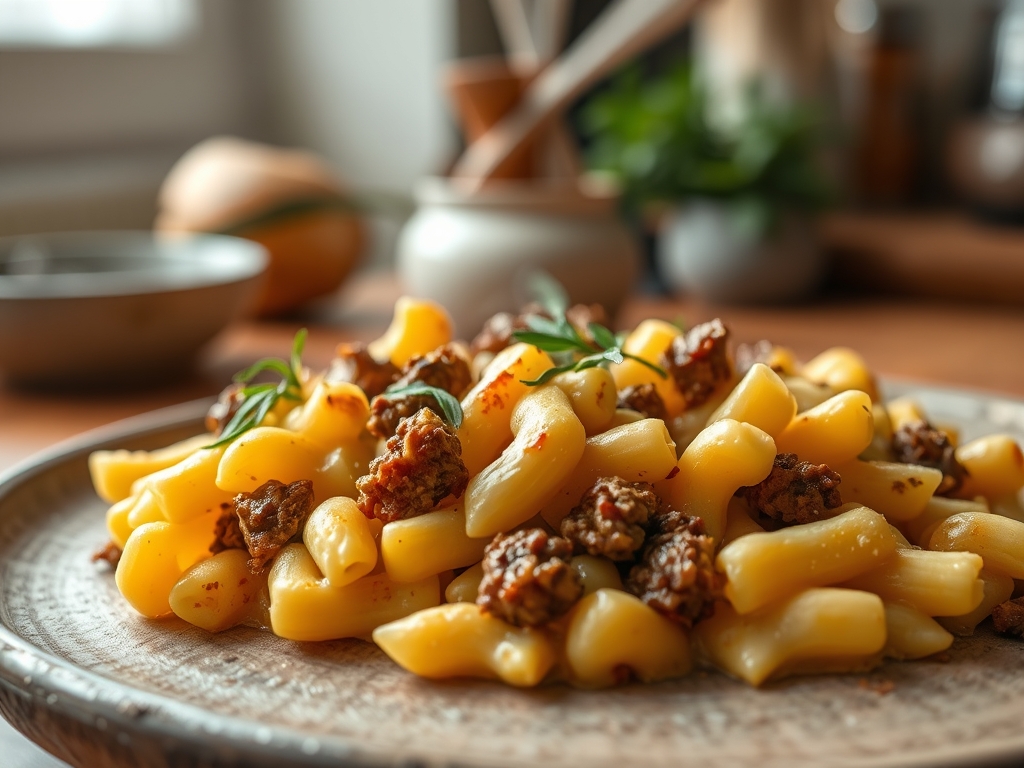
Picture the golden steam rising from a heavy-bottomed skillet; it carries the scent of toasted paprika and the deep, savory umami of seared protein. There is a primal comfort in the combination of al dente pasta and velvety cheese sauce, but when you introduce perfectly browned meat, you elevate a simple childhood staple into a nutritional powerhouse. Mastering mac and cheese with ground beef recipes is about more than just tossing two ingredients together. It is a lesson in emulsification and heat management. We are aiming for that specific, glossy sheen where the cheese clings to every ridge of the macaroni without breaking into an oily mess. For a busy parent, this is the ultimate culinary "fix." It satisfies the pickiest eaters while providing the iron and protein necessary for growing bodies. By understanding the chemistry of a proper roux and the importance of deglazing your pan, you turn a twenty minute weeknight scramble into a gourmet experience that feels like a warm hug in a bowl.
The Gathers:
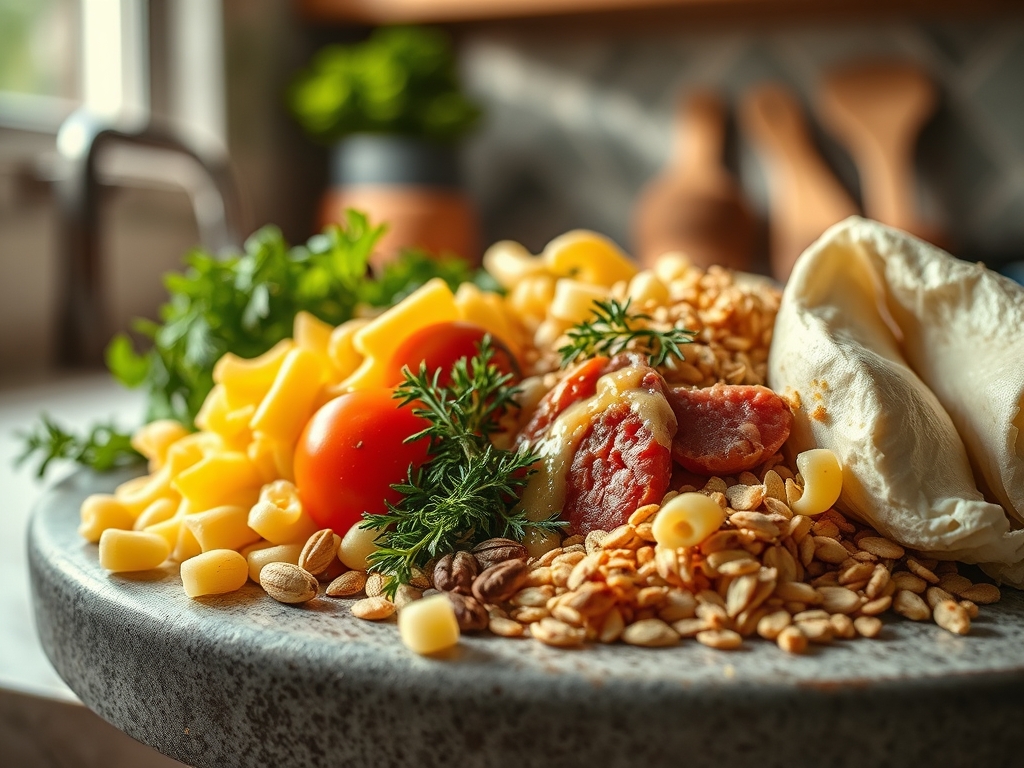
To achieve the perfect texture, your mise-en-place must be precise. Start with one pound of high-quality ground beef, ideally an 80/20 blend. This ratio ensures enough fat to render out, providing a flavorful base for your aromatics. You will need sixteen ounces of dry pasta; cavatappi or cellentani are superior choices because their spiral architecture captures the viscous sauce more effectively than smooth elbows. For the cheese, skip the pre-shredded bags. Cellulose coatings prevent clumping in the bag but inhibit a smooth melt in the pan. Instead, use a microplane or box grater to shred eight ounces of sharp cheddar and four ounces of Monterey Jack for maximum stretch.
The liquid gold component requires two cups of whole milk and two tablespoons of unsalted butter. To create a robust flavor profile, gather piquant additions like Dijon mustard, garlic powder, and smoked paprika. Smart Substitutions: If you want to lighten the profile, swap the beef for ground turkey but add a teaspoon of Worcestershire sauce to mimic the deep beefy notes. For a hidden veggie boost, finely grated cauliflower can be folded into the sauce; it mimics the texture of the cheese and disappears into the golden hue of the cheddar.
The Clock: Mastering the Chef's Flow
Efficiency in the kitchen relies on "The Flow." Total preparation time is ten minutes, with a cook time of twenty minutes. The secret is overlapping tasks to utilize every second of thermal energy. While your large pot of salted water reaches a rolling boil, you should already have your heavy-bottomed skillet preheating over medium-high heat.
As the pasta undergoes starch gelatinization in the water, you are simultaneously browning the meat. This parallel processing ensures that the pasta is finished exactly when the sauce reaches its peak consistency. Never let cooked pasta sit in a colander for more than a minute; the surface starch will dry and cause the noodles to clump. Timing is the difference between a silk-smooth finish and a gummy disaster.
The Masterclass:
1. The Maillard Sear
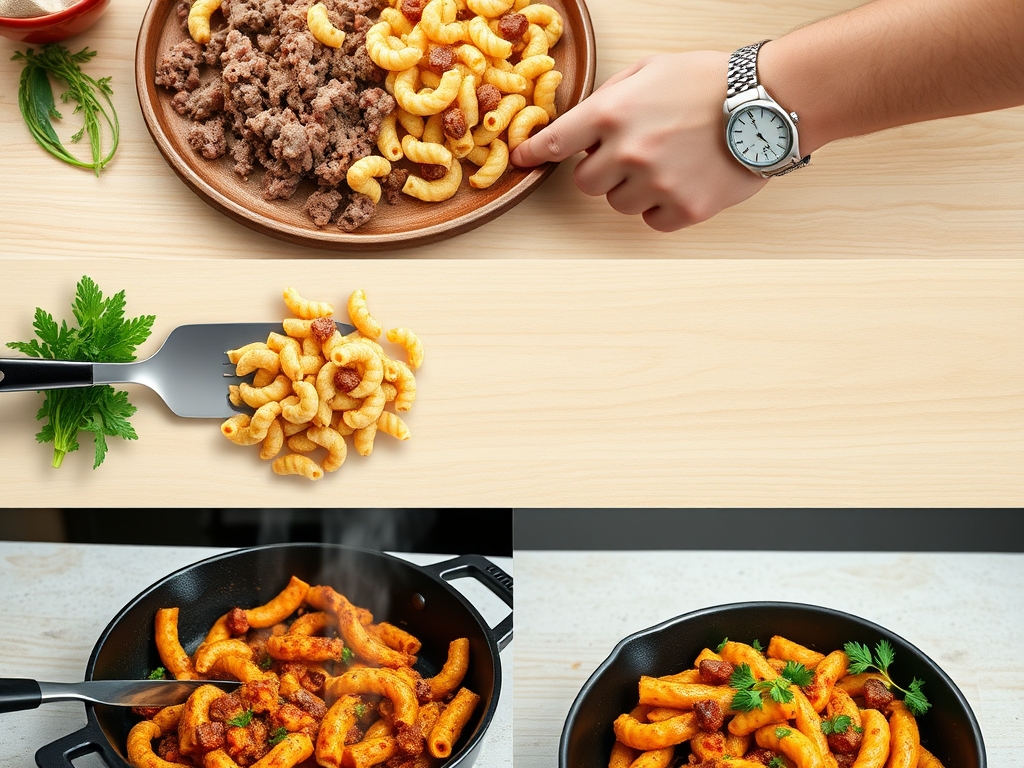
Place the ground beef into the hot skillet. Use a stiff spatula or a bench scraper to break the meat into small, uniform crumbles. Allow the meat to sit undisturbed for three minutes to develop a deep brown crust.
Pro Tip: This process is known as the Maillard Reaction. It is a chemical reaction between amino acids and reducing sugars that creates hundreds of different flavor compounds. If you stir too early, the meat will steam in its own moisture rather than sear.
2. Deglaze and Infuse
Once the meat is browned, use a slotted spoon to remove it, leaving about two tablespoons of fat in the pan. Add finely minced onions or garlic. Use a splash of beef stock or water to deglaze the pan, scraping up the brown bits (the fond) from the bottom.
Pro Tip: The fond contains concentrated flavor. By deglazing, you incorporate those caramelized proteins back into the liquid phase of your dish, ensuring the beef flavor permeates the entire sauce.
3. The Roux Foundation
Whisk in your butter and flour to create a blond roux. Cook this mixture for two minutes until it smells slightly nutty but hasn't turned brown. This step coats the flour particles in fat, preventing them from clumping when the liquid is added.
Pro Tip: Cooking the roux is essential to neutralize the "raw flour" taste. This is a physical change where the starch granules swell and prepare to trap liquid, creating a stable suspension.
4. The Emulsion Phase
Slowly stream in the milk while whisking constantly with a saucier whisk. Bring the mixture to a gentle simmer until it thickens enough to coat the back of a spoon. Remove from heat before adding the cheese.
Pro Tip: This is the critical window for emulsification. Adding cheese to boiling liquid causes the proteins to tighten and squeeze out the fat, resulting in a grainy sauce. Residual heat is all you need for a smooth melt.
5. The Final Fold
Combine the cooked pasta, the seared beef, and the cheese sauce in the large pot. Use silicone tongs to gently fold the ingredients together until every crevice is filled with sauce.
Pro Tip: Account for thermal carryover. The pasta will continue to absorb liquid even after it is removed from the heat. If the sauce looks a bit too thick, add a tablespoon of reserved pasta water to loosen the proteins.
The Deep Dive:
From a nutritional standpoint, this dish is a balanced "one-pot" marvel. A standard serving provides roughly 28 grams of protein and a significant dose of calcium. To adapt for dietary needs, use chickpea-based pasta for a gluten-free, high-fiber alternative. For a keto-friendly version, replace the pasta with roasted cauliflower florets and thicken the sauce with heavy cream and extra cheese instead of a flour-based roux.
The Fix-It:
- Grainy Sauce: This usually happens if the heat was too high. Fix it by adding a splash of warm milk and whisking vigorously off the heat.
- Bland Flavor: If it tastes flat, it needs acid. A teaspoon of lemon juice or apple cider vinegar will brighten the fats.
- Dry Leftovers: Pasta absorbs moisture as it sits. When reheating, add a tablespoon of water or milk per cup of pasta to restore the viscosity.
Meal Prep: To maintain "day-one" quality, store the beef and sauce separately from the pasta if possible. If already mixed, reheat in a saucepan over low heat with a lid to create a steam chamber, which prevents the cheese fats from separating and becoming oily.
The Wrap-Up:
You have officially graduated from the "blue box" era into the realm of culinary expertise. By focusing on the science of the sear and the stability of your emulsion, you have created a meal that is both sophisticated and kid-approved. These mac and cheese with ground beef recipes are your secret weapon for hectic nights. They prove that with a few professional tools and a bit of chemistry, you can turn humble ingredients into a masterpiece. Now, grab your favorite bowl and enjoy the fruits of your labor!
The Kitchen Table:
How do I keep the cheese sauce from getting grainy?
Avoid pre-shredded cheese and never boil the sauce after adding the cheese. High heat causes the dairy proteins to clump and separate from the fats. Use residual heat to melt your freshly grated cheese for a silky, smooth texture.
What is the best pasta shape for ground beef mac?
Choose shapes with hollow centers or deep ridges, such as cavatappi, shells, or radiatori. These architectural shapes are designed to trap the meat crumbles and the thick sauce, ensuring you get every component in a single, flavorful bite.
Can I make this recipe ahead of time for a party?
Yes, but undercook the pasta by two minutes (very firm al dente). When you reheat the dish, the pasta will finish cooking in the sauce without becoming mushy. Add a splash of milk during reheating to restore the sauce's creaminess.
Why should I use a heavy-bottomed skillet?
Heavy pans, like cast iron or tri-ply stainless steel, distribute heat more evenly. This prevents hot spots that can scorch your roux or burn the beef, ensuring a consistent sear and a stable temperature for your delicate cheese emulsion.