
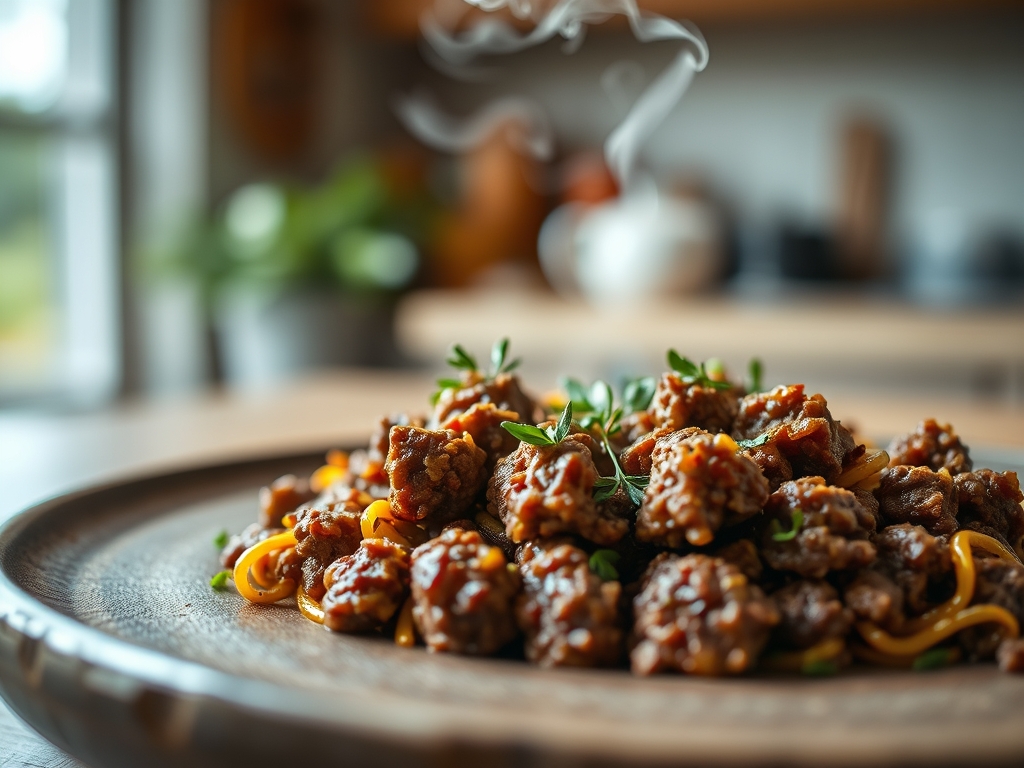
Picture a heavy bottomed cast iron skillet shimmering under the range hood. As the heat climbs, you drop in the protein and hear that sharp, aggressive hiss. That is the sound of moisture evaporating to make way for the Maillard reaction. We are reclaiming the savory, umami depths of beef without relying on the crutch of a salt shaker. Mastering low sodium ground beef recipes is not about subtraction; it is about the strategic addition of acid, heat, and aromatic complexity. By the time we finish, your kitchen will smell like a high end bistro, and your blood pressure will thank you for the flavor upgrade. We are diving into eight distinct flavor profiles that prove salt was never the star of the show anyway.
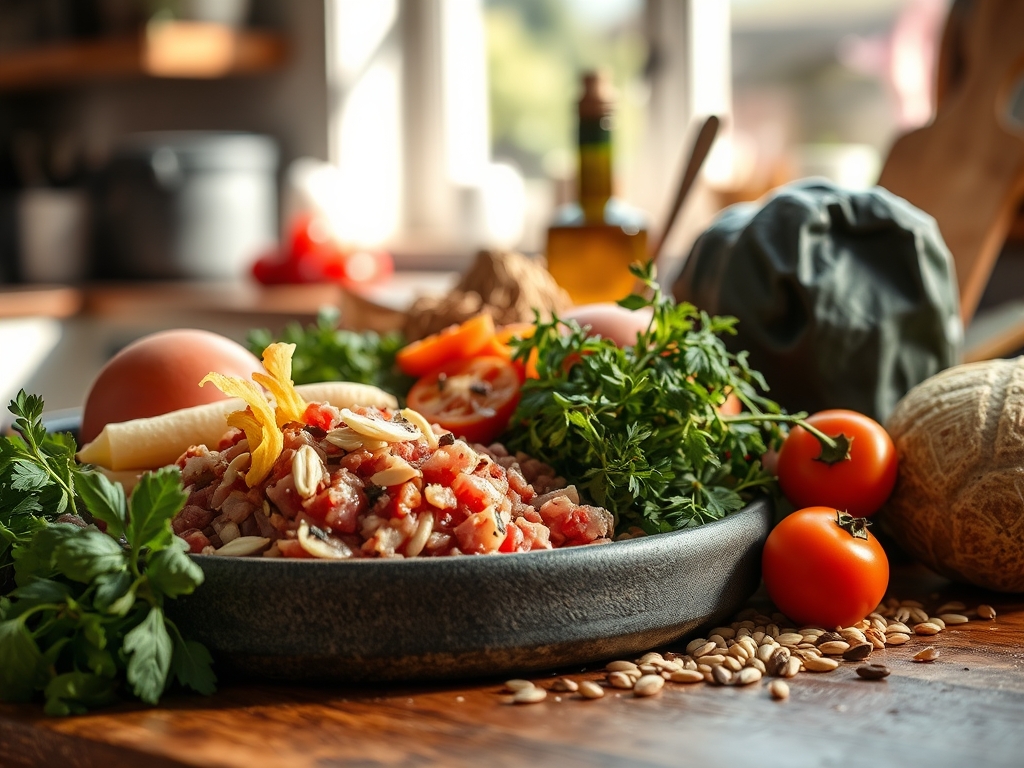
The Gathers:
To execute these low sodium ground beef recipes with precision, your mise-en-place must be impeccable. Start with high quality, grass fed ground beef, preferably a 90/10 lean-to-fat ratio. This ensures enough lipids to render and carry flavor without turning the dish into a greasy pool. You will need your microplane for zesting citrus and grating fresh ginger; these provide the piquant high notes that mimic the "bite" of salt.
Smart Substitutions: Instead of standard soy sauce, reach for coconut aminos. They offer a viscous, slightly sweet profile with seventy percent less sodium. Swap table salt for potassium-based substitutes or, better yet, a homemade "umami dust" made from pulverized dried shiitake mushrooms and toasted seaweed. This provides the glutamates your tongue craves. Keep a bottle of high quality balsamic vinegar and fresh lemons nearby; acid is the secret weapon that brightens the palate and "wakes up" the protein fibers.
The Clock
Efficiency in the kitchen is all about the Chef's Flow. For these eight meals, expect a collective preparation time of forty five minutes and a total active cook time of sixty minutes if you are batch prepping. The goal is to minimize the time the beef spends in the "danger zone" temperatures. By using a digital scale to portion your meat into four ounce patties or crumbles, you ensure uniform heat distribution. We move from the heaviest aromatics (onions and carrots) to the most delicate (fresh herbs) to preserve the volatile oils that provide that signature aroma.
The Masterclass
1. The Sear and Render
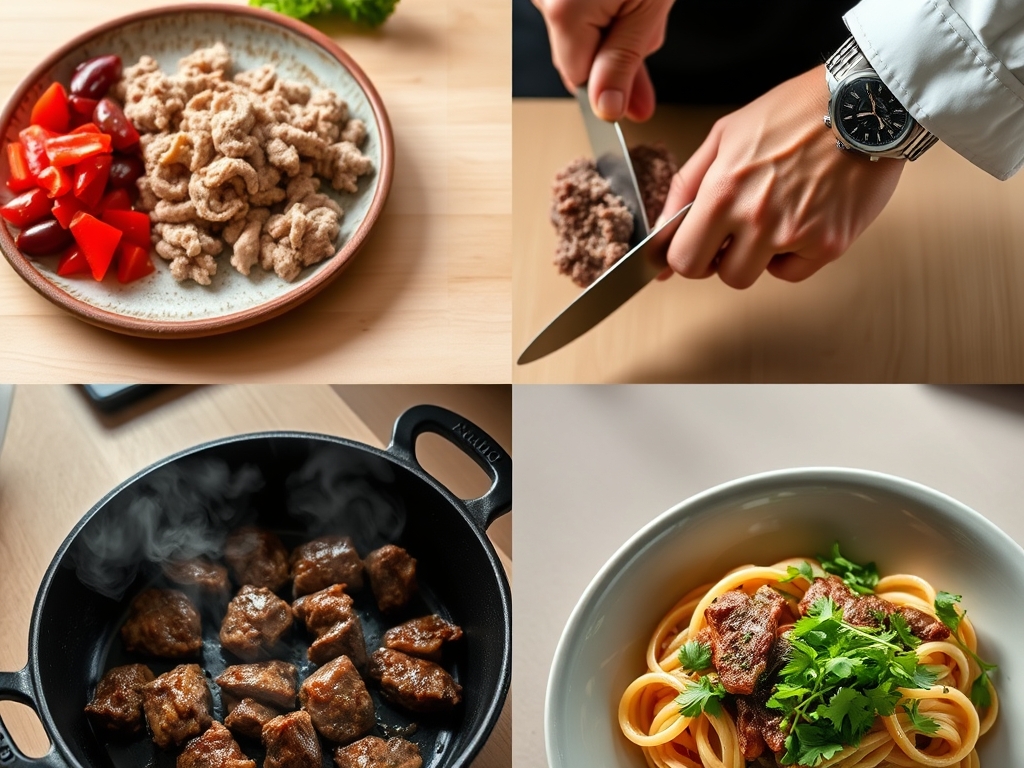
Place your heavy bottomed skillet over medium high heat. Do not overcrowd the pan. If you add too much meat at once, the temperature drops, and the beef will boil in its own juices rather than sear. Use your tongs to break the meat into large chunks.
Pro Tip: This stage relies on enzymatic browning. By leaving the meat undisturbed for three minutes, you allow the amino acids and reducing sugars to reorganize into complex flavor compounds. This creates a savory crust that negates the need for extra seasoning.
2. Deglazing the Fond
Once the meat is browned and removed, you will see brown bits stuck to the bottom of the pan. This is "fond," and it is concentrated flavor gold. Pour in a splash of unsalted beef stock or a dry red wine. Use a bench scraper or wooden spoon to lift these bits.
Pro Tip: Deglazing incorporates the caramelized proteins back into your sauce. This creates a rich, deep base that provides the "mouthfeel" often lost when sodium is reduced.
3. Infusing the Aromatics
Add your minced garlic, shallots, and ginger to the residual fat in the pan. Lower the heat to medium to avoid burning the delicate garlic solids, which can turn bitter and ruin the profile of your low sodium ground beef recipes.
Pro Tip: This is lipid-soluble flavor infusion. Many of the aromatic compounds in spices like cumin and smoked paprika are fat-soluble. Toasting them in the rendered beef fat "blooms" the flavor, making it more potent and pervasive.
4. The Acid Finish
Just before serving, incorporate a squeeze of fresh lime or a teaspoon of apple cider vinegar. This is the final step in balancing the pH of the dish.
Pro Tip: Acid triggers salivation, which helps move flavor molecules across your taste buds more efficiently. This creates the illusion of saltiness and enhances the perceived brightness of the beef.
The Deep Dive
When we look at the macro nutrition, these low sodium ground beef recipes provide a powerhouse of bioavailable iron, B12, and zinc. By focusing on lean grinds, we keep the saturated fat in check while maximizing the protein density. For those following a Keto lifestyle, serve these beef bases over cauliflower rice or shredded cabbage. Vegan friends can swap the beef for a walnut and lentil blend, though you must increase the "umami dust" to compensate for the lack of animal fats. For Gluten Free requirements, ensure your thickeners are arrowroot powder or cornstarch rather than wheat flour.
The Fix-It:
- The Meat is Dry: This usually happens due to overcooking. Use a digital thermometer to pull the beef at 160 degrees Fahrenheit. The thermal carryover will bring it to the safe 165 mark while resting.
- The Flavor is Flat: You likely skipped the acid. Add a dash of vinegar or citrus zest. The "bright" notes will contrast the "heavy" beef notes.
- The Texture is Mushy: You likely steamed the meat. Ensure the pan is screaming hot before the beef hits the surface to facilitate a proper sear.
Meal Prep Science: To maintain "day-one" quality, store your beef in airtight glass containers. When reheating, add a tablespoon of water or unsalted broth to the container. This creates a steam chamber in the microwave, preventing the proteins from becoming rubbery and dry.
The Wrap-Up
Transitioning to low sodium ground beef recipes is a masterclass in culinary technique. You have learned to leverage the Maillard reaction, bloom your spices in healthy fats, and use acid to electrify your palate. These eight meals are not just "health food"; they are sophisticated, chef-level dishes that happen to be better for your heart. Grab your saucier, sharpen your knives, and go turn that pound of ground beef into something extraordinary. Your kitchen is now a laboratory of flavor, and you are the lead scientist.
The Kitchen Table
How can I make ground beef taste good without salt?
Focus on umami-rich ingredients like balsamic vinegar, garlic, onions, and mushrooms. Use toasted spices and fresh citrus zest to provide high notes that stimulate the palate, creating a complex flavor profile that makes the absence of salt unnoticeable.
Is 90/10 or 80/20 beef better for low sodium diets?
Choose 90/10 lean ground beef. While fat carries flavor, excess grease can mask the delicate nuances of herbs and spices. Leaner beef allows the "bright" flavors of your salt-free seasonings to shine through more clearly.
What is the best salt substitute for browning beef?
Dried mushroom powder is the ultimate secret. It is naturally high in glutamates, which enhance the savory "beefy" flavor. Pair it with smoked paprika or onion powder to mimic the savory bite of traditional seasoning blends.
Can I use frozen ground beef for these recipes?
Yes, but thaw it completely in the refrigerator first. Pat the meat dry with paper towels before cooking. Excess moisture from ice crystals will cause the meat to steam rather than sear, preventing the essential flavor-building Maillard reaction.