
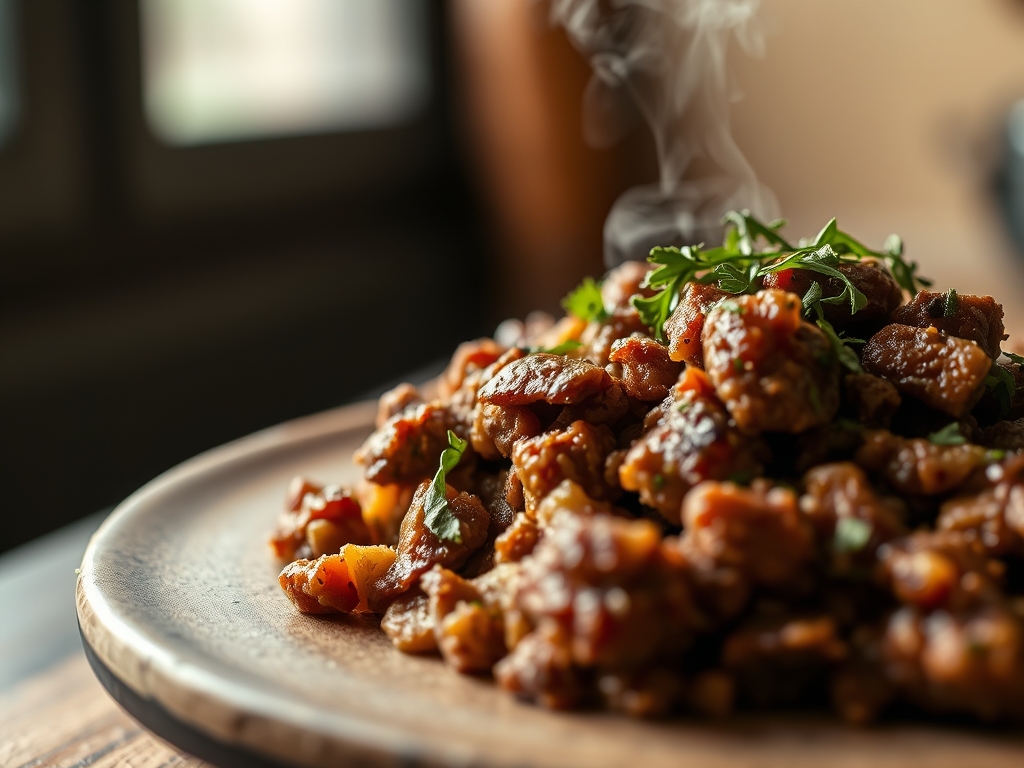
Sizzling fat hits a heavy-bottomed skillet and the kitchen instantly transforms into a sanctuary of comfort. We are diving deep into the soul of the prairie today. When you search for pioneer woman ground beef recipes, you are looking for more than just dinner; you are seeking that specific alchemy of nostalgia and high-protein satisfaction. These nine iconic dishes represent the pinnacle of ranch-style cooking, where humble ingredients undergo a sophisticated transformation through heat and seasoning. We are going to master the Maillard reaction to ensure every morsel of beef is packed with savory depth. Whether it is a classic meatloaf or a piquant pasta sauce, the secret lies in the science of the sear. Grab your favorite wooden spoon and tie your apron tight. We are about to turn a simple pound of ground chuck into a culinary masterpiece that would make any ranch hand weep with joy. It is time to elevate your weeknight rotation with techniques that bridge the gap between home cooking and professional execution.
The Gathers:
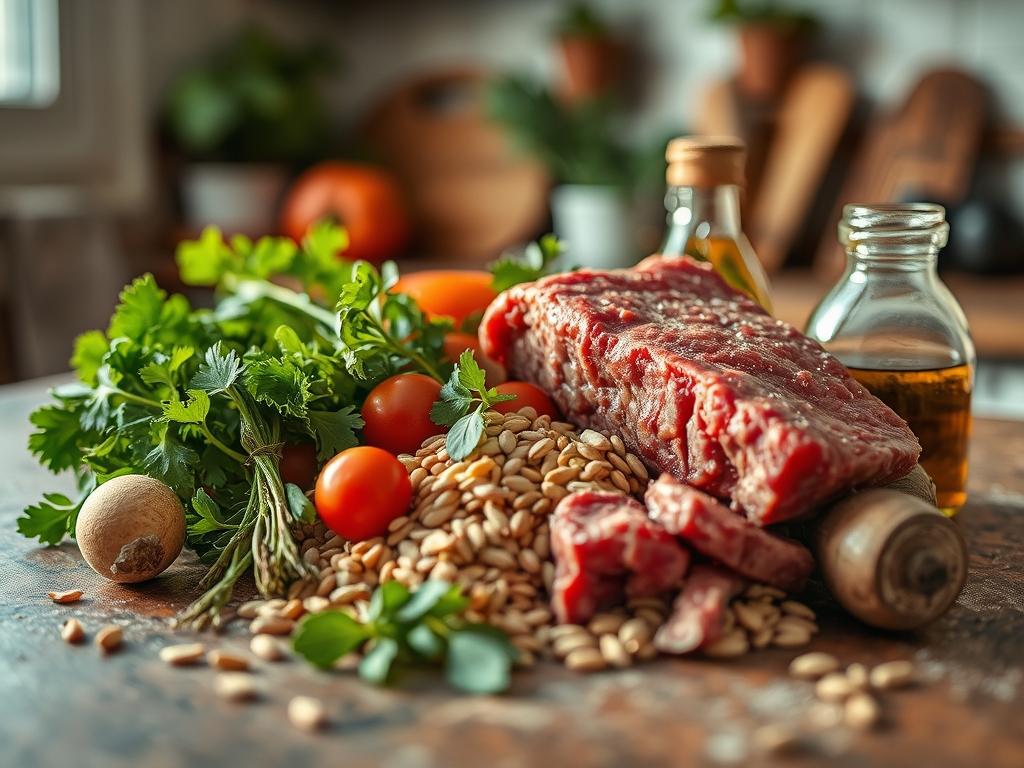
The foundation of any great beef dish starts with the mise-en-place. For these pioneer woman ground beef recipes, you need to curate your ingredients with a focus on fat content and aromatics. Aim for an 80/20 lean-to-fat ratio; this ensures enough lipids to render and carry flavor without making the dish greasy. You will need high-quality yellow onions, which provide the essential sulfur compounds that mellow into sweetness when caramelized. Fresh garlic is non-negotiable; use a microplane to create a fine paste that integrates seamlessly into the meat fibers.
For the liquids, keep a bottle of dry red wine or a rich beef bone broth on hand to deglaze your pan. The acidity in the wine helps break down connective tissues while adding a sophisticated top note. Smart substitutions are your best friend in a busy kitchen. If you find yourself out of heavy cream for a stroganoff, a dollop of full-fat Greek yogurt provides that necessary viscous texture with an added piquant tang. If you are dodging gluten, swap traditional breadcrumbs for almond meal or crushed pork rinds to maintain the structural integrity of your meatballs or meatloaf without sacrificing the mouthfeel.
The Clock:
Efficiency in the kitchen is all about the "Chef's Flow." Most of these iconic beef dishes require about 15 to 20 minutes of active prep time, focusing on precision chopping and measuring. The actual cook time varies from a quick 15-minute sauté for tacos to a low-and-slow 45-minute simmer for a robust chili.
The flow begins with your aromatics. Always start your onions and peppers first; they require the longest time to soften and infuse the oil. While they sweat, you can portion your meat and prep your spices. This staggered approach ensures that by the time the beef hits the heat, the pan is perfectly seasoned and the base flavors are already developed. Remember to account for thermal carryover; large meat dishes like meatloaf will continue to rise in temperature by 5 to 10 degrees after leaving the oven. Plan your sides accordingly so everything hits the table at the peak of its temperature profile.
The Masterclass:
1. The Initial Sear and Render
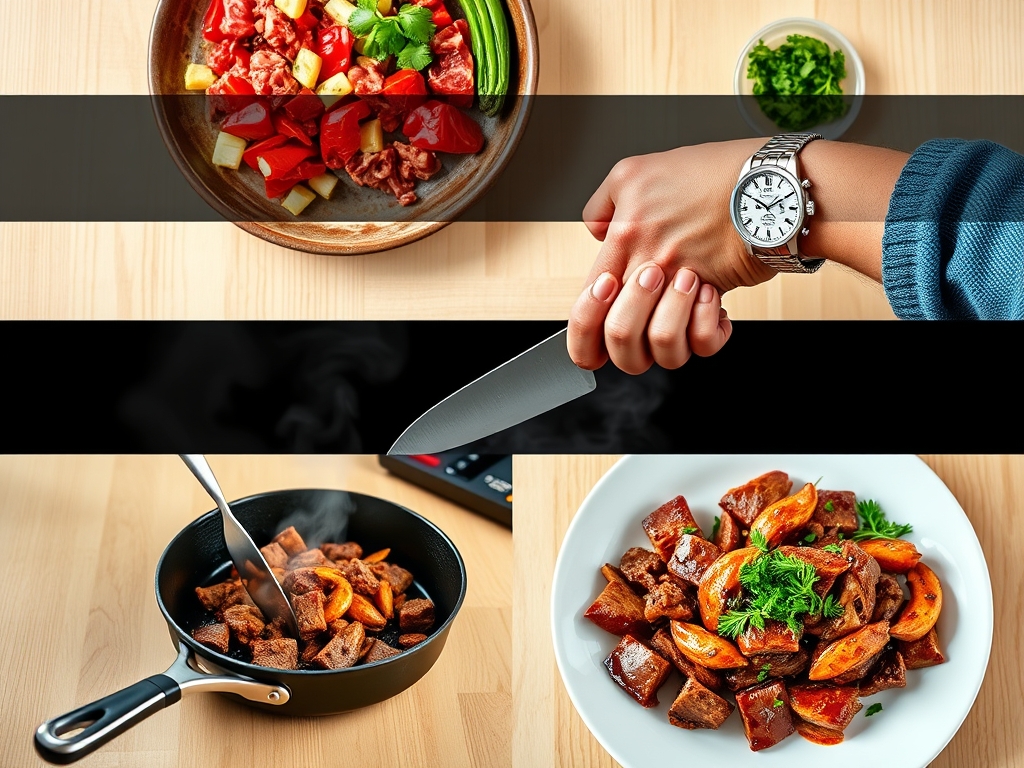
Place your ground beef in a preheated heavy-bottomed skillet over medium-high heat. Do not crowd the pan; if the meat is packed too tightly, it will steam in its own moisture rather than brown. Use a stiff spatula to break the meat into uniform crumbles.
Pro Tip: This stage is all about the Maillard reaction. By allowing the meat to remain undisturbed for the first three minutes, you create a complex crust of amino acids and sugars that provides the "umami" backbone of the dish.
2. Deglazing the Fond
Once the beef is browned and removed, you will notice brown bits stuck to the bottom of the pan. This is called the fond. Pour in a splash of broth or wine and use a bench scraper or wooden spoon to lift these concentrated flavor nuggets back into your sauce.
Pro Tip: Deglazing uses the principle of solubility to recover flavor compounds that are trapped in the pan's surface, ensuring no taste is wasted.
3. Emulsifying the Sauce
If your recipe calls for a creamy finish, slowly whisk in your dairy or thickener. The goal is to create a stable emulsification where the fats and liquids are perfectly bonded, resulting in a velvety texture that coats the back of a spoon.
Pro Tip: Add cold butter or cream at the very end of the cooking process (a technique called monter au beurre) to achieve a glossy finish and prevent the sauce from breaking.
4. The Rest and Carryover
For molded dishes like meatloaf or burgers, let the meat rest for at least ten minutes before slicing. This allows the muscle fibers to relax and reabsorb the juices that were pushed to the center during the cooking process.
Pro Tip: Resting utilizes thermal equilibrium; it prevents the moisture from flooding out of the meat, ensuring every bite remains succulent rather than dry.
The Deep Dive:
When we look at the macro nutrition of these pioneer woman ground beef recipes, we are seeing a powerhouse of B-vitamins, iron, and high-quality protein. A standard serving generally provides 25 to 30 grams of protein, making it an excellent choice for muscle recovery and satiety. For those on specific dietary paths, these recipes are incredibly flexible. Keto followers can simply omit the sugar in sauces and swap pasta for zoodles. Vegans can substitute the beef with a lentil and walnut blend, which mimics the texture and earthy flavor profile of ground meat.
Even the best chefs hit a snag sometimes. If your sauce is too thin, do not panic; create a quick slurry of cornstarch and cold water to thicken it instantly. If the dish tastes "flat," it likely needs acidity rather than salt; a teaspoon of apple cider vinegar or lemon juice will brighten the entire profile. If you have over-salted the beef, add a peeled potato to the simmering sauce to absorb the excess sodium. For meal prep, remember that reheating can toughen beef. Use a low power setting on the microwave or reheat in a skillet with a tablespoon of water to aerate the sauce and keep the meat tender.
The Wrap-Up:
There is a reason these pioneer woman ground beef recipes have become staples in kitchens across the country. They balance technical precision with the warmth of a home-cooked meal. By understanding the chemistry of the sear and the importance of the rest, you have elevated your cooking from basic to brilliant. You are not just making dinner; you are crafting an experience that nourishes the body and the soul. Now, go forth and conquer that kitchen with your new skills and a piquant spirit. Your table is waiting.
The Kitchen Table:
How do I prevent my ground beef from becoming gray and mushy?
Avoid overcrowding the pan and ensure it is smoking hot before adding the meat. This promotes the Maillard reaction, creating a brown crust rather than steaming the beef in its own juices. Use a heavy-bottomed skillet for better heat retention.
What is the best way to drain excess fat without losing flavor?
Tilt the skillet and use a spoon to remove liquid fat, or use a turkey baster. Always leave about one tablespoon of fat in the pan to help sauté your aromatics and maintain a rich, savory mouthfeel in the final sauce.
Can I freeze these ground beef dishes for later use?
Yes, most ground beef recipes freeze beautifully. Ensure the dish is completely cool before sealing in an airtight container or vacuum bag. This prevents ice crystals from forming, which can degrade the texture and lead to freezer burn over time.
Why does my meatloaf always fall apart when I slice it?
This usually happens if the meat has not rested long enough or if there are not enough binding agents like eggs or breadcrumbs. Let the loaf rest for ten minutes to allow the proteins to firm up and the juices to redistribute.