
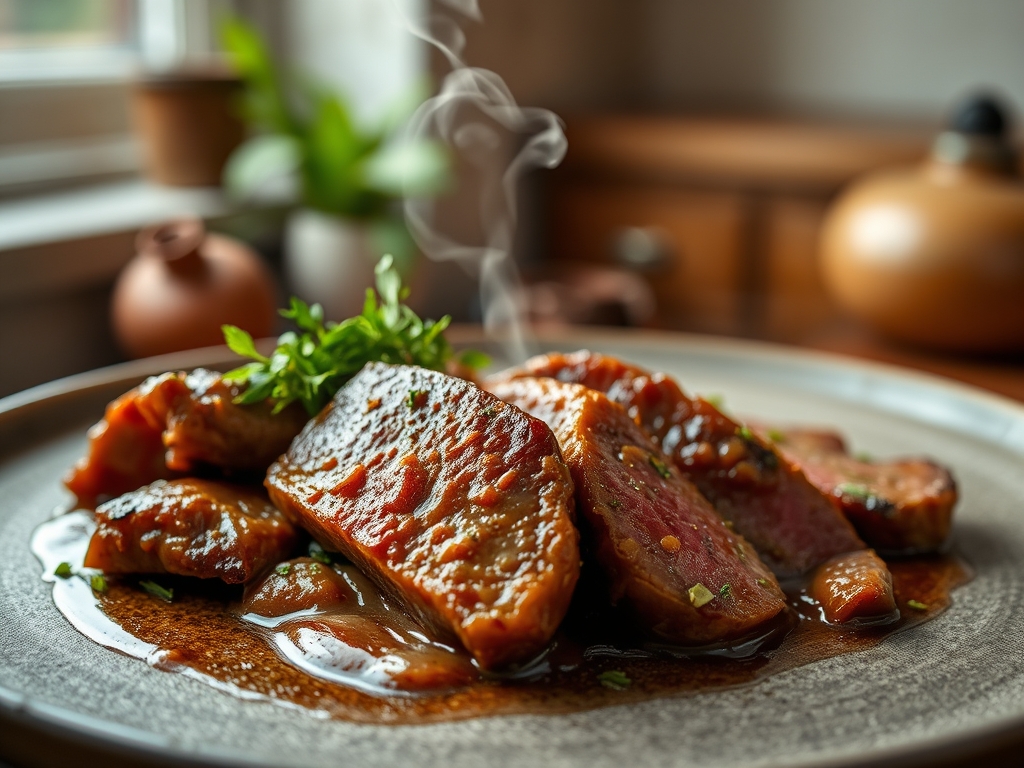
Picture the sizzle of a heavy-bottomed skillet meeting a room-temperature flank steak. That sound is more than just dinner; it is the symphony of amino acids and reducing sugars dancing in the Maillard reaction. Finding high-protein, low-fat meals that actually taste indulgent is an art form. These six nourishing lean beef recipes prove that wellness and flavor are not mutually exclusive.
The secret to mastering lean beef recipes lies in understanding the structural integrity of the muscle. Unlike fatty ribeyes that rely on intramuscular marbling for lubrication, lean cuts like eye of round, sirloin tip, and 93/7 ground beef require precision. If you treat them with the same aggression as a fatty brisket, they will toughen into leather. However, when you respect the science of heat transfer and moisture retention, these cuts transform into velvet. We are going to utilize enzymatic tenderization and precise thermal control to ensure every bite is succulent. Whether you are meal prepping for a high-performance week or hosting a dinner that feels like a cheat meal but fits your macros, these techniques will be your new kitchen superpowers.
The Gathers:
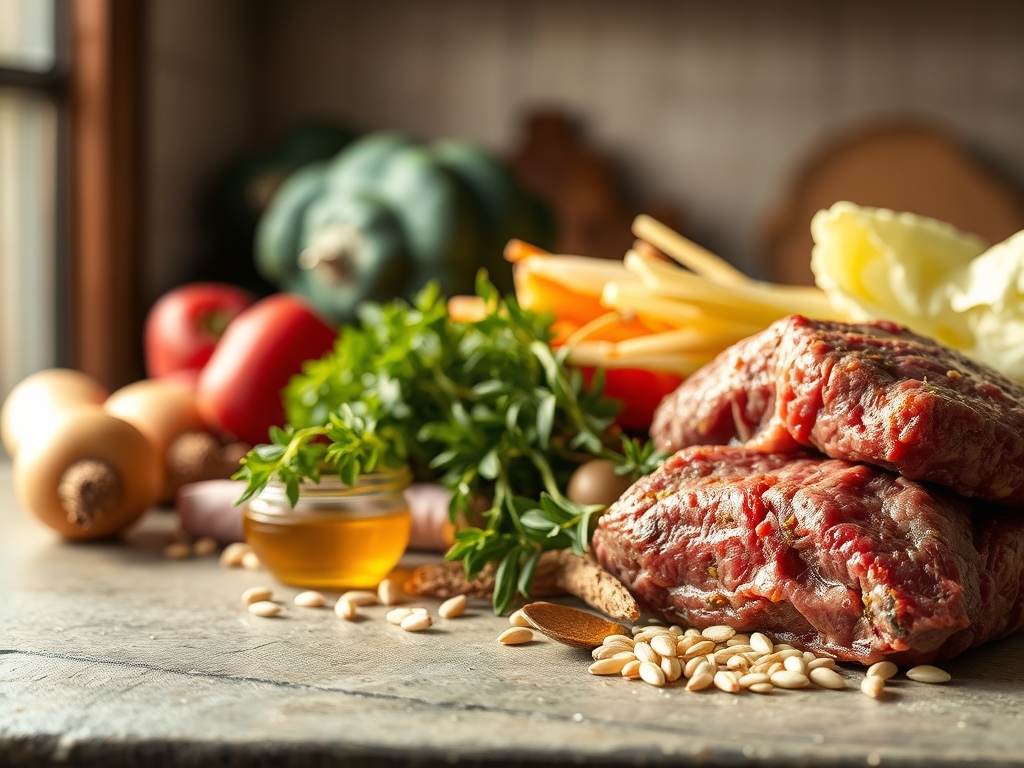
To begin our culinary journey, we must assemble a mise-en-place that balances piquant acidity with savory depth. Your workstation should feature a digital scale for precise macro tracking and a sharp chef's knife for clean, across-the-grain cuts. The primary proteins include lean flank steak, sirloin strips, and extra-lean ground beef. These are your canvases.
For the aromatics, gather fresh ginger, garlic cloves, and shallots. We will use a microplane to create a fine paste, ensuring the flavors infuse the meat without burning in the pan. The liquid components are equally vital: low-sodium tamari for umami, rice vinegar for brightness, and a touch of toasted sesame oil for a viscous mouthfeel. To keep these lean beef recipes truly nourishing, we prioritize "Smart Substitutions." Swap heavy heavy creams for Greek yogurt to add tang and protein; replace refined sugars with a splash of pomegranate juice or a hint of monk fruit to balance the salt. If you find your sauce lacks body, a tiny slurry of arrowroot powder provides a glossy finish without the heaviness of a traditional flour roux.
The Clock
Efficiency in the kitchen is about "Chef's Flow," the rhythmic transition from prep to plate. For these six recipes, expect a total active prep time of 25 minutes. Most of this is spent on knife work. If you use a bench scraper to move your chopped aromatics, you will shave minutes off your cleanup.
The cooking phase is remarkably fast. Lean proteins cook 20 percent faster than their fatty counterparts because there is less connective tissue to break down. You are looking at a 10 to 12 minute window for searing or stir-frying. Total time from fridge to table is roughly 40 minutes. The flow is simple: marinate first to allow enzymatic action to soften the fibers, prep your vegetables while the meat rests at room temperature, and then execute high-heat cooking in small batches to prevent steaming.
The Masterclass
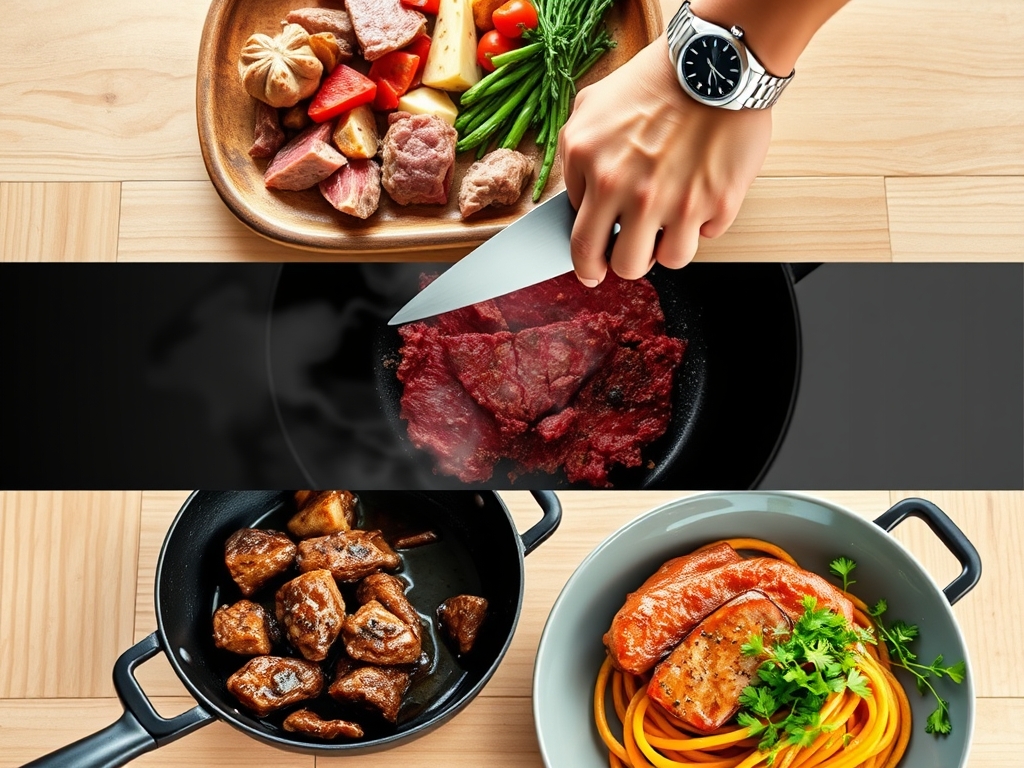
1. Tempering and Texture
Start by removing your beef from the refrigerator 20 minutes before cooking. Use a paper towel to pat the surface bone-dry. Moisture is the enemy of a good crust; any surface water will turn to steam and prevent browning.
Pro Tip: This phase utilizes the science of thermal equilibrium. By bringing the meat closer to room temperature, you ensure the center reaches the target internal temperature at the same time the exterior achieves a golden crust, preventing a "grey ring" of overcooked protein.
2. The Precision Sear
Heat your heavy-bottomed skillet until a drop of water dances and evaporates instantly. Add a high-smoke-point oil like avocado oil. Place the beef in the pan using tongs, ensuring you do not crowd the surface.
Pro Tip: This is the Maillard Reaction in action. By keeping the pan temperature above 300 degrees Fahrenheit, you create new flavor compounds that do not exist in raw meat. If you crowd the pan, the temperature drops, the meat "weeps" juice, and you end up boiling the beef instead of searing it.
3. Deglazing the Fond
Once the beef is browned and removed, you will see brown bits stuck to the bottom of the pan. This is "fond." Pour in a splash of beef bone broth or dry wine and use a wooden spoon to scrape those bits into the liquid.
Pro Tip: This technique is called deglazing. The liquid acts as a solvent, lifting the concentrated proteins and sugars into a sauce. This adds incredible depth to lean beef recipes without adding extra fats or oils.
4. Aerating the Sauce
Reduce the heat and whisk in your cold aromatics or thickeners. Use a saucier or a whisk to vigorously combine the liquids.
Pro Tip: Rapid whisking helps emulsify the sauce. Even without heavy fats, the mechanical action suspends tiny droplets of flavor throughout the liquid, creating a rich, velvety texture that coats the back of a spoon.
5. The Carryover Rest
Transfer the cooked beef to a warm plate and tent it loosely with foil. Let it sit for at least five to seven minutes before slicing.
Pro Tip: This accounts for thermal carryover. The internal temperature will continue to rise by 5 degrees after leaving the heat. More importantly, resting allows the muscle fibers to relax and reabsorb the juices. If you cut it too soon, the moisture will flood the cutting board, leaving the meat dry.
6. Slicing Against the Grain
Identify the direction of the muscle fibers. Use your chef's knife to cut perpendicular to these lines.
Pro Tip: This is a lesson in mechanical tenderness. By cutting across the grain, you are shortening the muscle fibers. Your teeth no longer have to work to break down the tough strands, making even the leanest cut of beef feel melt-in-your-mouth tender.
The Deep Dive
When we look at the macro nutrition of these lean beef recipes, the profile is impressive. A 4-ounce serving typically yields 25 to 30 grams of protein with only 5 to 8 grams of fat. This makes it a powerhouse for muscle recovery and satiety.
For dietary swaps, these recipes are incredibly flexible. To make them Keto, simply omit the arrowroot slurry and serve over cauliflower rice. For a Gluten-Free version, ensure your tamari is certified GF. If you are hosting a Vegan friend, the same sauce profiles work beautifully with extra-firm pressed tofu or seitan, though the cooking times will vary.
"The Fix-It" section covers common pitfalls. If your beef is tough, you likely skipped the resting phase or sliced with the grain. If your sauce is broken or oily, whisk in a teaspoon of hot water to re-emulsify the fats. If the meat is grey and bland, your pan wasn't hot enough or you didn't dry the meat before searing.
For meal prep, reheating science is key. To maintain "day-one" quality, reheat your beef at 50 percent power in the microwave with a damp paper towel draped over the container. This creates a mini-steam chamber that prevents the protein from tightening and becoming rubbery.
The Wrap-Up
Mastering lean beef recipes is the ultimate "cheat code" for a vibrant, high-energy lifestyle. You get all the iron, B12, and zinc your body craves without the heavy caloric load of traditional steakhouse cuts. By focusing on the chemistry of the sear and the physics of the slice, you can turn a humble flank steak into a gourmet masterpiece. Now, grab your tongs and get that skillet screaming hot; your best dinner yet is only a few minutes away.
The Kitchen Table
How do I make lean beef tender?
The most effective way is slicing against the grain. This mechanically shortens muscle fibers. Additionally, marinating with acidic elements like citrus or vinegar for 30 minutes helps break down tough connective tissues before the meat ever touches the pan.
What is the best cut for lean beef recipes?
Flank steak, top sirloin, and eye of round are the gold standards. They offer the highest protein-to-fat ratio. If you are using ground beef, look for labels marked 93/7 or 96/4 to keep the fat content minimal.
Can I cook lean beef in a slow cooker?
Yes, but be careful. Lean cuts lack the collagen of fatty roasts, so they can become "stringy" if overcooked. Use a low setting and plenty of braising liquid to keep the protein hydrated during the long cooking process.
Why does my beef look grey instead of brown?
This happens when the pan is too cool or the meat is crowded. The moisture escaping the beef turns to steam, boiling the exterior. For a deep brown crust, sear in small batches and ensure the meat is bone-dry.