
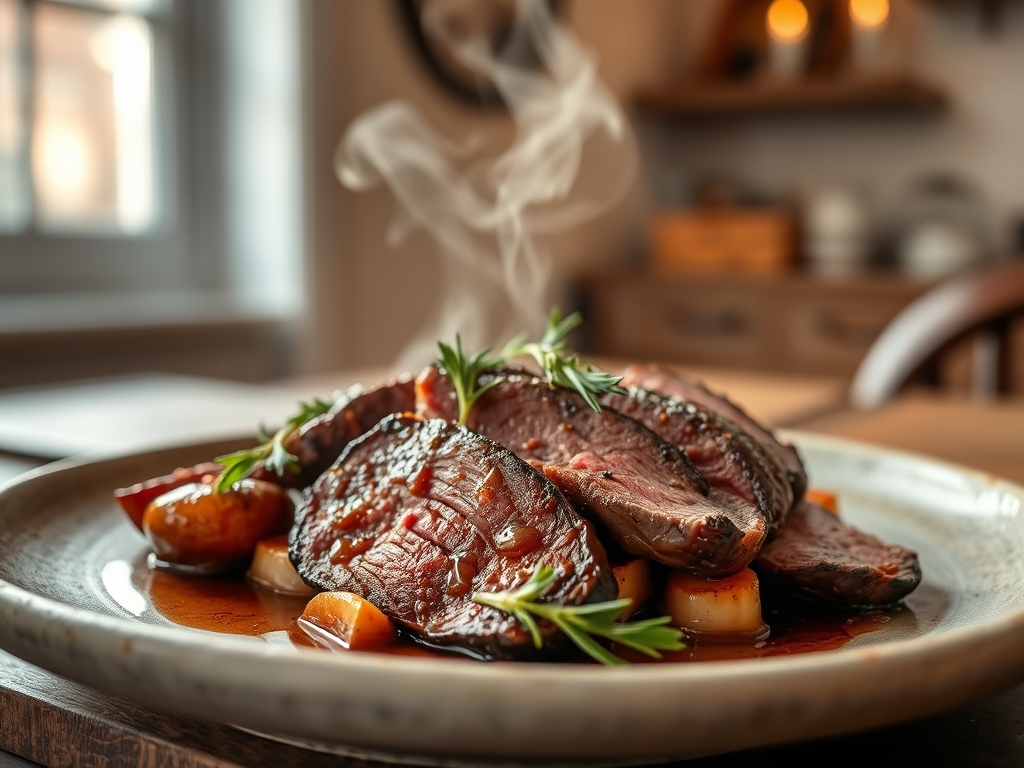
Imagine the scent of rosemary and rendered fat swirling through your home as the fireplace crackles. There is a specific kind of magic found in roast beef recipes for christmas; it is the ultimate culinary centerpiece that signals celebration. When you pull that glistening, mahogany crust from the oven, you are not just serving dinner; you are presenting a masterpiece of heat and chemistry.
The secret to a perfect holiday roast is not just a high-quality cut of meat. It is about understanding how proteins behave under pressure and how to coax maximum flavor out of every fiber. We are moving beyond the dry, gray slabs of yesteryear. Today, we are diving into the molecular mechanics of the Maillard reaction and the precision of thermal carryover. Think of me as your kitchen confidante, guiding you through the science of the sear and the art of the rest. We will use professional tools like a heavy bottomed skillet and a digital probe to ensure your results are consistent, juicy, and utterly unforgettable. Let us transform your kitchen into a high end bistro for the holidays.
The Gathers:
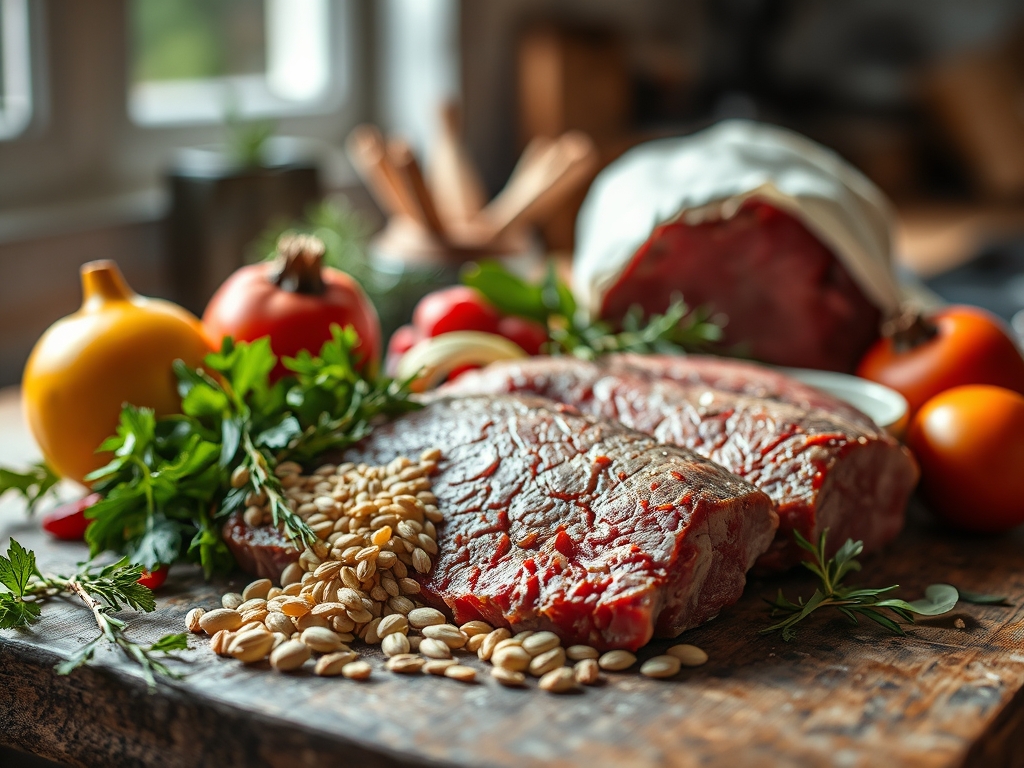
To achieve a world class result, your mise en place must be impeccable. Start with a five to seven pound standing rib roast or a center cut beef tenderloin. The beef should be well marbled with intramuscular fat, which will render during the cooking process to provide a viscous, rich mouthfeel. You will also need high quality kosher salt for dry brining; its coarse grains are essential for drawing out moisture to create a concentrated brine that the meat then reabsorbs.
For the aromatics, gather fresh sprigs of rosemary, thyme, and sage. Use a microplane to zest two heads of garlic into a paste, which allows the sulfurous compounds to infuse the fat more effectively than chopped cloves. You will also need unsalted European style butter for its higher fat content and lower water percentage, which aids in browning.
Smart Substitutions:
If you cannot find a prime rib, a top sirloin roast is a fantastic budget friendly alternative that still offers great flavor. For those avoiding dairy, replace the butter with a high smoke point oil like avocado oil or a clarified ghee. If you want a deeper umami profile, add a teaspoon of fermented black garlic paste or a splash of Worcestershire sauce to your herb rub.
The Clock
Efficiency in the kitchen is all about the Chef's Flow. This is the rhythmic sequence of tasks that prevents bottlenecks. Total active preparation time is approximately 45 minutes, but the passive time is where the flavor develops.
- The Dry Brine (24 to 48 hours): This is non negotiable for deep seasoning.
- Tempering (2 hours): Bringing the meat to room temperature ensures even heat distribution.
- The Sear and Roast (2 to 3 hours): Depending on the size and desired doneness.
- The Rest (45 minutes): This allows the muscle fibers to relax and reabsorb juices.
By starting your prep two days in advance, the actual day of the feast becomes a low stress assembly. You will have plenty of time to deglaze your pans and whisk a velvety jus in your saucier while the meat rests.
The Masterclass
1. The Salt Cure and Surface Dehydration
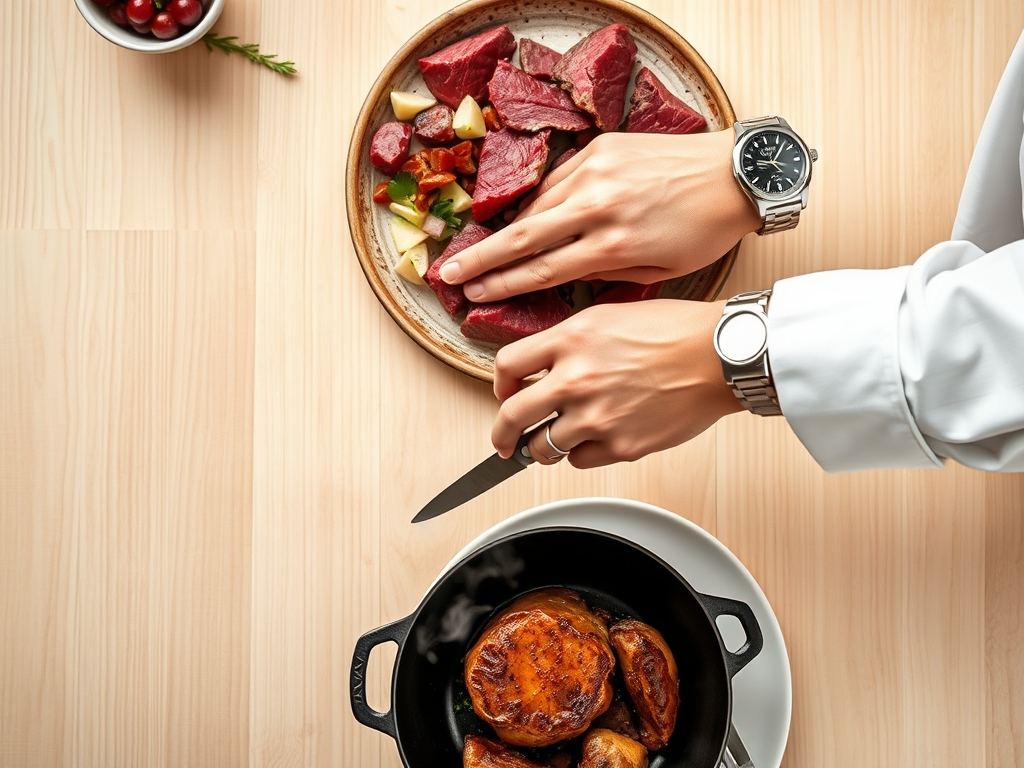
Begin by patting your roast bone dry with paper towels. Liberally coat every inch with kosher salt. Place it on a wire rack set over a sheet pan and leave it uncovered in the refrigerator.
Pro Tip: This process uses osmosis to pull moisture out, dissolving the salt, and then pulling that seasoned liquid back into the center of the meat. The dry surface is crucial for a rapid Maillard reaction once it hits the heat.
2. Tempering for Thermal Equilibrium
Remove the beef from the fridge at least two hours before cooking. Use your tongs to rotate it occasionally so it warms evenly.
Pro Tip: Cold meat causes the exterior to overcook and turn gray before the center reaches the target temperature. Tempering reduces the thermal gradient, ensuring a wall to wall pink interior.
3. The High Heat Initial Sear
Preheat your oven to 450 degrees Fahrenheit. If your roast is small enough, use a heavy bottomed skillet on the stovetop to sear all sides until a deep brown crust forms. If it is a large rib roast, start it in the oven at high heat for 20 minutes before lowering the temperature.
Pro Tip: This high heat triggers enzymatic browning. The amino acids and reducing sugars react to create hundreds of different flavor compounds that give roast beef its signature "meaty" aroma.
4. The Low and Slow Finish
Drop the oven temperature to 250 degrees Fahrenheit. Insert a digital scale compatible probe thermometer into the thickest part of the meat, avoiding the bone.
Pro Tip: Slow roasting prevents the proteins from contracting too violently. This keeps the cell walls intact, meaning the moisture stays inside the meat rather than leaking onto your cutting board.
5. The Butter Baste and Infusion
During the last 15 minutes of cooking, melt butter in a small pan with your herbs and garlic. Brush this over the roast repeatedly.
Pro Tip: Fat is a flavor carrier. By basting at the end, you are creating a lipid-soluble flavor layer that clings to the crust, enhancing the piquant notes of the herbs.
6. Managing Thermal Carryover
Pull the roast when the internal temperature hits 120 degrees Fahrenheit for medium rare. Transfer it to a warm platter.
Pro Tip: Thermal carryover means the internal temperature will continue to rise by 5 to 10 degrees after removal. If you wait until it hits 130 in the oven, it will end up medium or medium well by the time you carve it.
7. The Essential Rest
Tent the roast loosely with foil and let it sit for at least 30 to 45 minutes. Do not touch it.
Pro Tip: While cooking, juices are pushed toward the center. Resting allows the viscosity of the fluids to decrease and redistribute throughout the entire cut, ensuring every bite is equally succulent.
The Deep Dive
Macro Nutrition:
Roast beef is a nutritional powerhouse, particularly for holiday energy. A standard 6 ounce serving provides approximately 45 grams of high quality protein and is rich in B12, zinc, and iron. While it contains saturated fats, these are essential for the satiety and flavor that make Christmas dinner feel indulgent.
Dietary Swaps:
- Keto: This recipe is naturally keto friendly. Serve with a side of mashed cauliflower loaded with grass fed butter.
- Gluten Free: Ensure your beef stock for the jus is certified GF and use cornstarch or arrowroot to thicken instead of flour.
- Vegan Alternative: While not beef, a whole roasted cauliflower head treated with the same dry brine and herb basting technique offers a similar theatrical presentation.
The Fix-It:
- The Gray Ring: If you see a thick gray band under the crust, your oven was too hot or the meat was too cold. Fix it next time by tempering longer and lowering the roasting temp.
- Tough Texture: This usually means the meat did not rest long enough. If you have already sliced it, quickly submerge the slices in warm, seasoned beef broth to rehydrate them.
- Pale Crust: If the meat is cooked but the outside is pale, use a kitchen torch or a very quick broil to finish the exterior without raising the internal temperature.
Meal Prep and Reheating:
To maintain "day one" quality, do not microwave leftover roast beef. This toughens the proteins. Instead, place slices in a shallow dish with a tablespoon of broth, cover tightly with foil, and warm in a 250 degree oven until just heated through. This gentle steam prevents the meat from overcooking.
The Wrap-Up
Mastering roast beef recipes for christmas is about more than just following a timer; it is about respecting the ingredients and the physics of heat. When you use your bench scraper to clear your workspace and your digital probe to verify the temperature, you are cooking with the confidence of a professional. This holiday, let the science do the heavy lifting so you can focus on the laughter and the wine. You have the tools, the tips, and the technique to create a meal that will be talked about until next December.
The Kitchen Table
What is the best cut for a holiday roast?
The Standing Rib Roast is the gold standard for flavor due to the bone in structure and fat content. For a leaner, more elegant option, choose the Beef Tenderloin. Both work beautifully with slow roasting methods.
How do I ensure my roast is not dry?
Always use a digital thermometer and pull the meat at 120 degrees Fahrenheit. The most common cause of dry beef is overcooking and failing to let the meat rest for at least 30 minutes before carving.
Can I prepare the herb rub in advance?
Yes, you can blend your herbs, garlic, and butter up to three days early. Keep it chilled in the refrigerator. This allows the flavors to aerate and meld, resulting in a more complex profile when applied.
Why is my crust not crispy?
Surface moisture is the enemy of a good crust. Ensure you dry brine the meat uncovered in the fridge for at least 24 hours. This dehydrates the exterior skin, allowing the Maillard reaction to occur instantly.
How much beef should I buy per person?
For a bone in roast, calculate one pound per person. For a boneless roast like tenderloin, half a pound per person is usually sufficient. This accounts for shrinkage during the rendering and roasting process.