
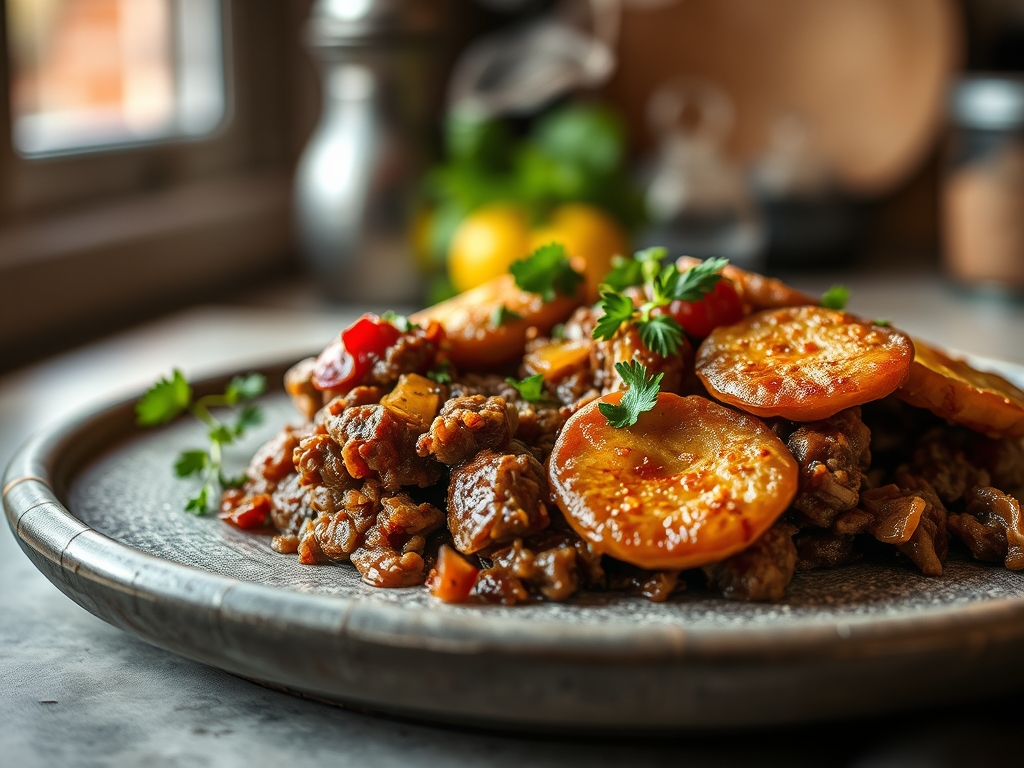
Picture this: you are standing in your kitchen at 6:00 PM; the light is fading; and you realize your dinner plans are literally a solid, icy brick. We have all been there. You stare at that frost-covered block of protein, wondering if you are destined for takeout. But here is the secret: your freezer is actually a treasure chest of potential. Mastering frozen ground beef recipes is not just about convenience; it is about reclaiming your schedule without sacrificing the deep, savory umami that only a perfectly seared burger or a rich ragu can provide. By understanding the thermodynamics of ice crystals and the chemistry of the Maillard reaction, you can transform a frozen slab into a five-star meal in under thirty minutes. We are going to skip the frantic defrosting and dive straight into high-heat techniques that preserve moisture while developing that coveted crust. From Instant Pot wonders to skillet-searing sorcery, you are about to become the master of the sub-zero pantry. Let us turn that ice-cold obstacle into a culinary victory.
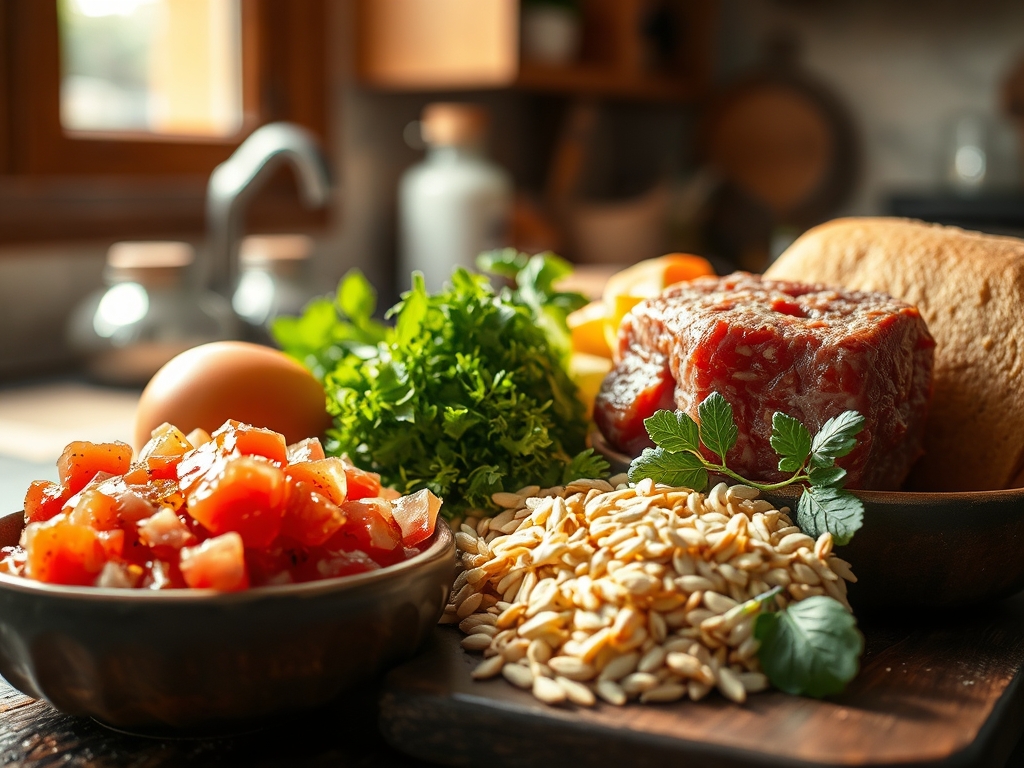
The Gathers:
Before we ignite the burners, we must assemble our mise-en-place with surgical precision. For these frozen ground beef recipes, you need high-conductivity tools. Reach for your heavy-bottomed skillet (cast iron is king here) to ensure even heat distribution. You will also need a bench scraper to break up the meat as it softens and a microplane for aromatics.
Gather one pound of high-quality frozen ground beef (ideally an 80/20 lean-to-fat ratio for optimal flavor). You will need a viscous liquid for deglazing; think beef bone broth or a piquant red wine. For the aromatics, have fresh garlic, shallots, and a sprig of rosemary ready. To aerate your sauces, keep a small amount of cold butter on hand to finish.
Smart Substitutions: If you are out of beef, frozen ground turkey or lamb works beautifully, though turkey requires a splash of olive oil to compensate for lower fat content. If you lack a bench scraper, a sturdy wooden spatula or tongs will suffice to manipulate the frozen block. For a hit of acidity without wine, a tablespoon of balsamic vinegar or Worcestershire sauce provides that necessary chemical lift to cut through the richness of the rendered fat.
The Clock:
The "Chef's Flow" is all about overlapping tasks to minimize downtime. Total preparation for most frozen ground beef recipes takes roughly 5 minutes, while active cooking spans 20 to 25 minutes.
0-5 Minutes: Pre-heat your vessel. Thermal density is your friend.
5-15 Minutes: The "Thaw-Sear" phase. We are rendering the exterior while the core remains frozen.
15-25 Minutes: The "Breakdown" phase. Using your tools to create surface area for browning.
25-30 Minutes: The "Infusion" phase. Adding aromatics and liquids to create a cohesive sauce.
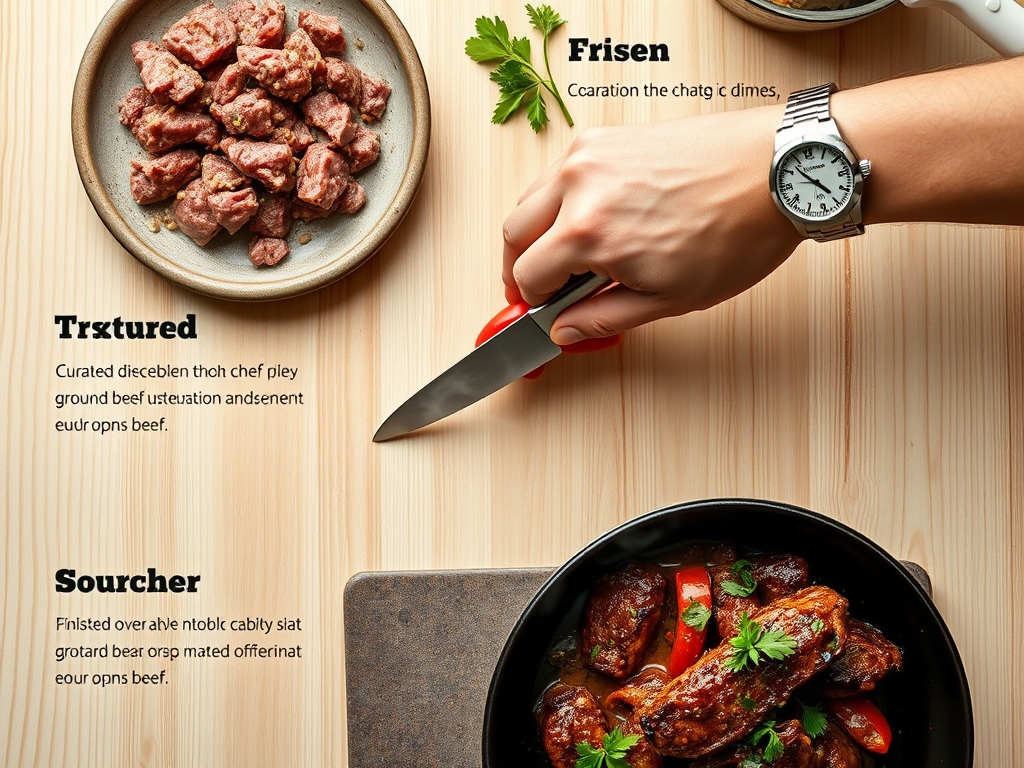
The Masterclass:
1. The High-Heat Initiation
Place your frozen block directly into a pre-heated, dry cast iron skillet over medium-high heat. Do not add oil yet; the beef contains enough internal fat to prevent sticking once the temperature rises.
Pro Tip: This relies on the Leidenfrost effect. As the ice on the surface turns to steam, it creates a microscopic cushion that prevents the meat from bonding to the metal, allowing for a cleaner sear.
2. The Flip and Scrape
After three minutes, flip the block. Use your bench scraper to shave off the softened, browned outer layers. Move these cooked bits to the perimeter of the pan.
Pro Tip: By removing the cooked exterior, you prevent overcooking. This manages thermal carryover, ensuring the meat does not become tough and rubbery while the center is still thawing.
3. The Liquid Deglaze
Once the block has reduced in size by half, pour in a quarter cup of broth or wine. Cover the pan with a lid for two minutes to trap the steam.
Pro Tip: Steam conducts heat more efficiently than dry air. This vapor-phase heat transfer penetrates the frozen core of the meat, rapidly accelerating the thawing process without drying out the edges.
4. The Aromatic Infusion
Now that the meat is fully broken down into granules, add your minced garlic, shallots, and spices. Use your microplane to zest in a bit of lemon or ginger for a bright finish.
Pro Tip: Fat is a solvent for flavor. The lipophilic molecules in your spices will dissolve into the rendered beef fat, distributing the seasoning evenly across every morsel of meat.
5. The Emulsified Finish
Turn off the heat and stir in a knob of cold butter or a splash of heavy cream. Stir vigorously to incorporate.
Pro Tip: This creates a temporary emulsion. The mechanical action of stirring suspends the fat droplets within the moisture, creating a silky, glossy mouthfeel that elevates the dish from basic to gourmet.
The Deep Dive:
Macro Nutrition: A standard 4-ounce serving of 80/20 ground beef provides approximately 254 calories, 20 grams of protein, and 19 grams of fat. It is a powerhouse of Vitamin B12 and Zinc.
Dietary Swaps:
- Keto: Serve over riced cauliflower or zoodles.
- Vegan: Use a high-moisture plant-based "bleeding" burger frozen block; the steaming technique works identically.
- Gluten-Free: Ensure your deglazing liquids (like broth or soy sauce) are certified GF.
The Fix-It:
- The Pitfall: The meat is gray and "boiled" looking. The Fix: You crowded the pan. Remove half the meat, crank the heat, and sear in batches to trigger the Maillard reaction.
- The Pitfall: The meat is dry. The Fix: Add a tablespoon of tomato paste or a splash of bone broth to reintroduce moisture and viscosity.
- The Pitfall: Too much grease. The Fix: Use a folded paper towel held by tongs to blot excess fat from the corner of the tilted pan.
Meal Prep Science: To reheat, avoid the microwave if possible. Use a small saucier with a tablespoon of water. The gentle steam will re-hydrate the protein fibers, preventing the "leftover" oxidized flavor and maintaining "day-one" quality.
The Wrap-Up:
You have officially conquered the frozen frontier! No more staring blankly at the freezer or settling for cereal when you have a block of beef and twenty minutes. By utilizing high-heat searing, steam-assisted thawing, and the magic of emulsification, you can turn a frozen staple into a culinary masterpiece. Whether you are tossing it into a piquant Bolognese or forming it into a rustic skillet hash, you now have the technical prowess to cook with confidence. Go forth and sear!
The Kitchen Table:
Can you cook ground beef from frozen?
Yes, you can cook ground beef directly from frozen by using a high-heat sear to brown the exterior followed by a steam-thaw method to cook the center. This preserves texture and flavor while ensuring food safety.
Is it safe to cook frozen ground beef in an Instant Pot?
Absolutely. The Instant Pot uses high-pressure steam to rapidly thaw and cook the beef. Simply add a cup of water, place the beef on a trivet, and pressure cook for 20 minutes for a perfectly cooked result.
Why does my frozen beef turn gray when cooking?
Gray meat occurs when moisture escapes and "boils" the beef instead of searing it. To fix this, cook in smaller batches and ensure your pan is piping hot to trigger the Maillard reaction for a brown, flavorful crust.
How do I season frozen ground beef?
Wait until the exterior has softened and you have scraped away the first layer of cooked meat. Add your salt and spices directly to the rendered fat in the pan to ensure the flavors infuse the meat thoroughly.