
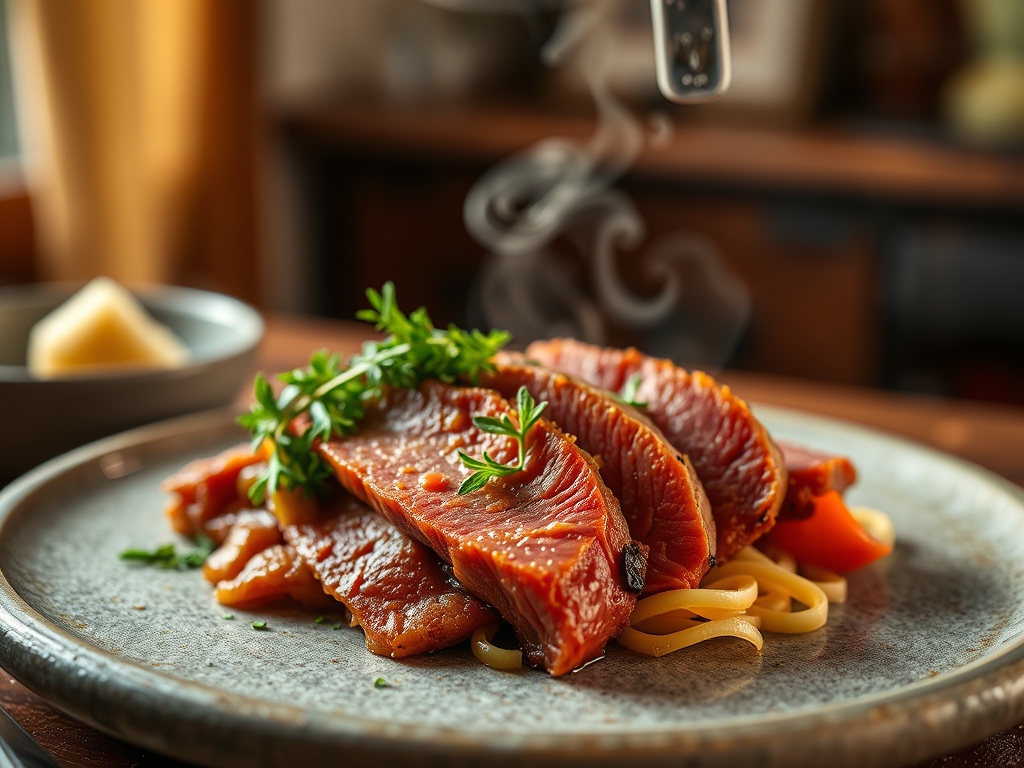
Picture the kitchen at six in the evening. The air is thick with the scent of toasted peppercorns and the sharp, piquant tang of pickling spice. You want that melt in your mouth brisket texture, but you do not have eight hours to spare. Finding corned beef recipes easy enough for a Tuesday is the ultimate culinary win. We are hacking the traditional slow cure to bring you salt, fat, and acid in record time.
Whether you are staring at a vacuum sealed brisket or a high quality tin, the goal is the same: transforming tough muscle fibers into silky, savory gold. We are going to use thermal dynamics and chemical shortcuts to bypass the slog. This is not just about eating; it is about understanding how heat interacts with connective tissue to create something spectacular. Grab your heavy bottomed skillet and your sharpest chef knife. We are about to turn a weekend project into a twenty minute masterpiece that tastes like it simmered since dawn.
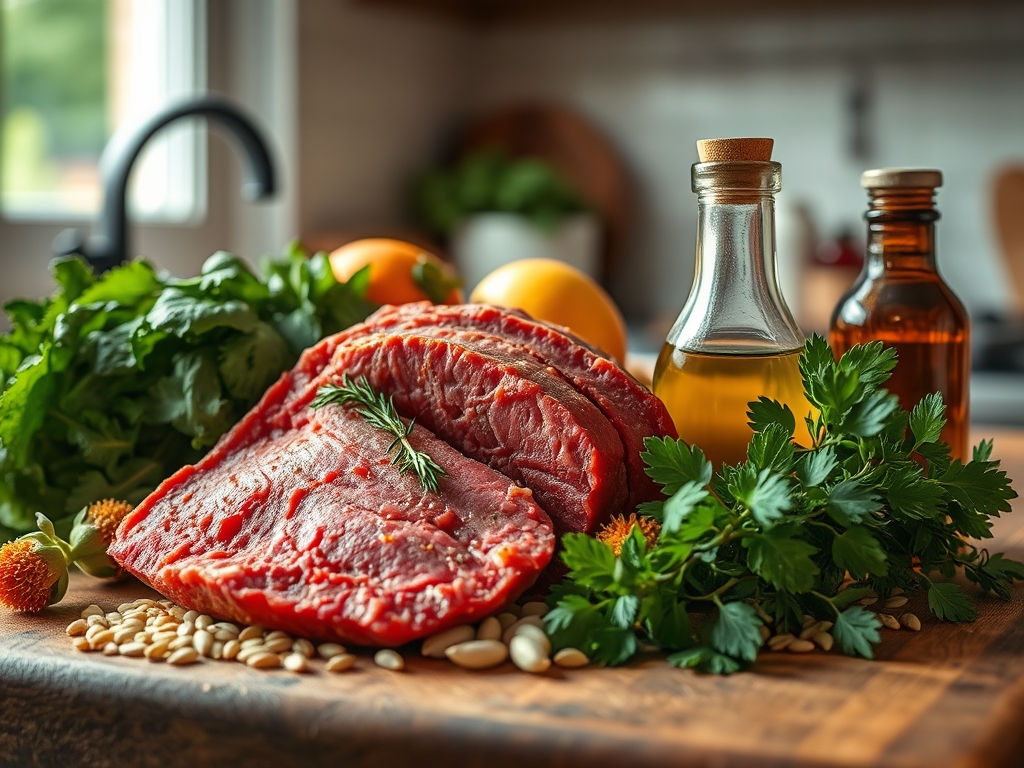
The Gathers:
To execute these hacks, your mise en place must be precise. Start with your protein. If using pre-cooked brisket, ensure it is chilled; cold fat is easier to slice into uniform cubes with a bench scraper. You will need a viscous liquid for deglazing, such as a stout beer or a high quality beef bone broth rich in gelatin.
For the aromatics, reach for fresh garlic and yellow onions. The sulfur compounds in the onions will undergo a beautiful transformation once they hit the heat. Do not forget the acidity. A splash of apple cider vinegar or a squeeze of lemon will brighten the heavy, salty profile of the beef.
Smart Substitutions:
If you are out of traditional pickling spice, a blend of crushed coriander, mustard seeds, and a single bay leaf works wonders. For a leaner profile, you can swap traditional brisket for corned turkey, though you will need to add a teaspoon of neutral oil to the pan to mimic the fat rendering of the original. If you find the salt content too aggressive, a peeled potato added to the pan acts as a molecular sponge, absorbing excess sodium through osmosis.
The Clock
Efficiency in the kitchen is all about the Chef's Flow. This is the art of overlapping tasks so that no burner is cold and no hand is idle.
Prep Time: 10 minutes. This involves your knife work and measuring out liquids.
Cook Time: 15 to 25 minutes depending on the hack.
The Flow: Start by heating your skillet. While the metal expands, dice your aromatics. By the time the onions are translucent, your beef should be sliced and ready to sear. This overlapping method ensures that the total "active" time remains under half an hour. Using a digital scale for your ingredients rather than measuring cups can also shave off precious minutes and reduce cleanup.
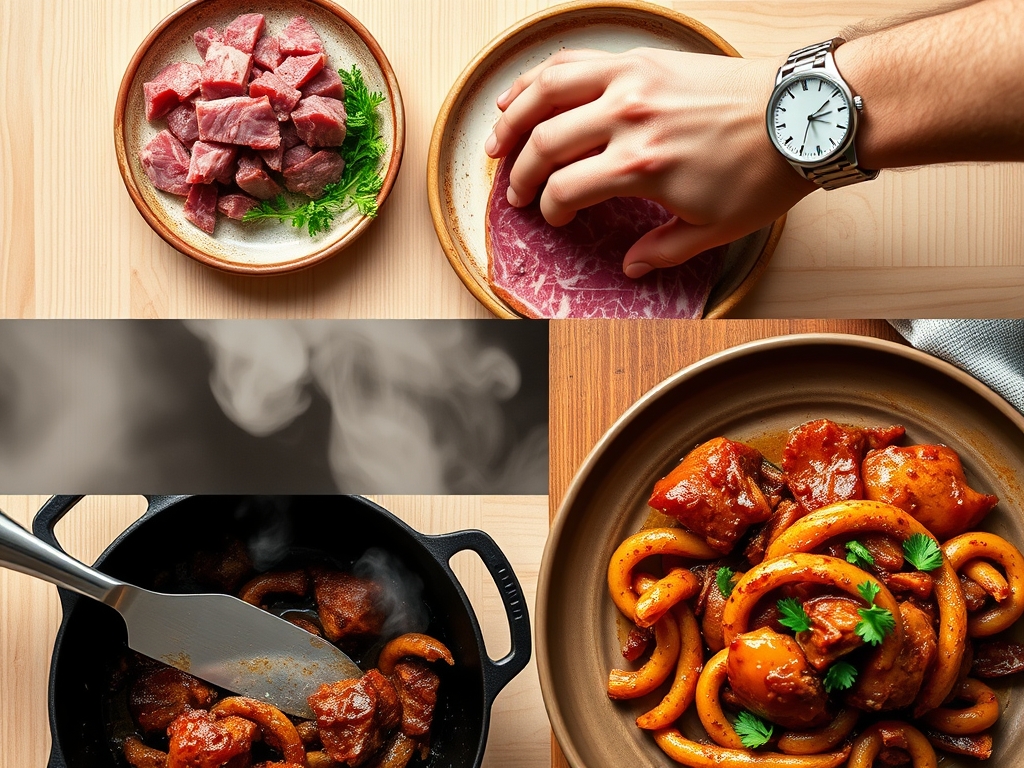
The Masterclass
1. The Maillard Sear
Start by dicing your corned beef into half inch cubes. Heat a heavy bottomed skillet over medium high heat until a drop of water flicked onto the surface dances and evaporates instantly. Add the beef in a single layer. Do not crowd the pan; overcrowding drops the surface temperature and causes the meat to steam rather than fry.
Pro Tip: This step relies on the Maillard Reaction, a chemical reaction between amino acids and reducing sugars that creates that distinct savory crust. By maximizing surface area through dicing, you increase the flavorful "browned" bits exponentially.
2. The Deglaze and Infuse
Once the beef is browned, move it to the edges of the pan and drop in your aromatics. Use a wooden spoon or a bench scraper to loosen the "fond," those caramelized bits stuck to the bottom. Pour in half a cup of stout or broth. The liquid will bubble violently, lifting the flavor into a concentrated sauce.
Pro Tip: This is known as deglazing. The alcohol or water acts as a solvent, dissolving the flavor compounds trapped in the pan's surface. This creates a viscous glaze that coats the meat, ensuring every bite is infused with deep, complex notes.
3. The Steam Hack for Tenderness
If you are using a thicker cut that feels a bit tough, add two tablespoons of water and cover the skillet with a tight fitting lid for three minutes. This creates a localized high pressure environment that forces moisture into the protein fibers.
Pro Tip: This utilizes latent heat. The steam carries more energy than dry air, penetrating the meat faster to soften collagen without drying out the exterior. It is a shortcut to the "low and slow" texture we crave.
4. The Acid Balance
Just before serving, use a microplane to zest a bit of lemon over the dish or stir in a teaspoon of grainy mustard. The sharpness cuts through the heavy lipids of the beef, creating a balanced palate.
Pro Tip: This is about pH balancing. The acetic acid in mustard or citric acid in lemon breaks down the perception of "greasiness" on the tongue, making the flavors feel lighter and more vibrant.
5. The Emulsified Finish
Turn off the heat and toss in a tablespoon of cold butter. Stir vigorously with tongs until the butter disappears into the sauce, creating a glossy, velvet finish.
Pro Tip: This is emulsification. By stirring cold fat into a hot liquid, you create a stable suspension. The milk solids in the butter bind with the pan juices, preventing the sauce from breaking or looking oily.
6. The Carryover Rest
Transfer your corned beef to a warm plate and let it sit for three minutes before serving. This is the hardest part, but the most essential for texture.
Pro Tip: This accounts for thermal carryover. The internal temperature will continue to rise by a few degrees, allowing the muscle fibers to relax and reabsorb the juices that were pushed to the surface during cooking.
The Deep Dive
Macro Nutrition:
Corned beef is a powerhouse of protein and B vitamins, specifically B12 and zinc. However, it is high in sodium. To balance this, pair your easy recipes with high potassium sides like spinach or roasted Brussels sprouts to help your body manage the salt intake.
Dietary Swaps:
- Keto: Skip the potatoes and serve over a bed of riced cauliflower sautéed in the pan drippings.
- Gluten-Free: Ensure your beef broth is certified GF and use a gluten free hard cider instead of stout for deglazing.
- Vegan: Use "corned" seitan or jackfruit. While the protein structure differs, the spice profile (clove, allspice, mustard seed) will provide that nostalgic flavor.
The Fix-It:
- Too Salty: Add a splash of heavy cream or a dollop of sour cream. The fats coat the tongue and dampen the salt receptors.
- Too Tough: Slice the beef against the grain. Cutting through the long muscle fibers mechanically "tenderizes" the meat for you.
- Too Dry: Whisk a teaspoon of cornstarch into cold broth and add it to the pan. This creates a "velvet" coating that mimics moisture.
Meal Prep & Reheating:
To maintain "day one" quality, reheat your corned beef in a saucier with a tablespoon of water or broth. Cover it to trap the steam. Avoid the microwave if possible, as it can turn the fats rubbery. If you must use a microwave, use 50% power in short bursts.
The Wrap-Up
Mastering corned beef recipes easy enough for daily life is about reclaiming your time without sacrificing flavor. By using the science of the Maillard reaction, deglazing with intent, and understanding the power of an emulsified finish, you have turned a humble brisket into a gourmet experience. Put these six hacks into your culinary rotation and watch your weeknight dinners transform from mundane to magnificent. Now, get that skillet hot and start searing!
The Kitchen Table
How do I make corned beef tender quickly?
Slice the meat thinly against the grain to break up tough fibers. Use the "steam hack" by adding a splash of liquid to the pan and covering it for three minutes to rapidly soften the protein with latent heat.
What is the best way to reheat corned beef?
Place the beef in a skillet with a tablespoon of broth. Cover and heat over medium low. This creates a steam chamber that restores moisture to the fats and proteins without making the meat rubbery or dry.
Can I use canned corned beef for these hacks?
Absolutely. Canned versions are highly processed and tender. Focus on the Maillard Sear hack to develop a crispy exterior, which provides a necessary textural contrast to the soft, interior meat. Use a gentle hand when stirring.
Why is my corned beef so salty?
Corned beef is cured in a brine solution. If it is too salty, soak the sliced meat in warm water for ten minutes before cooking, or add a starch like potatoes to the pan to absorb excess sodium.