
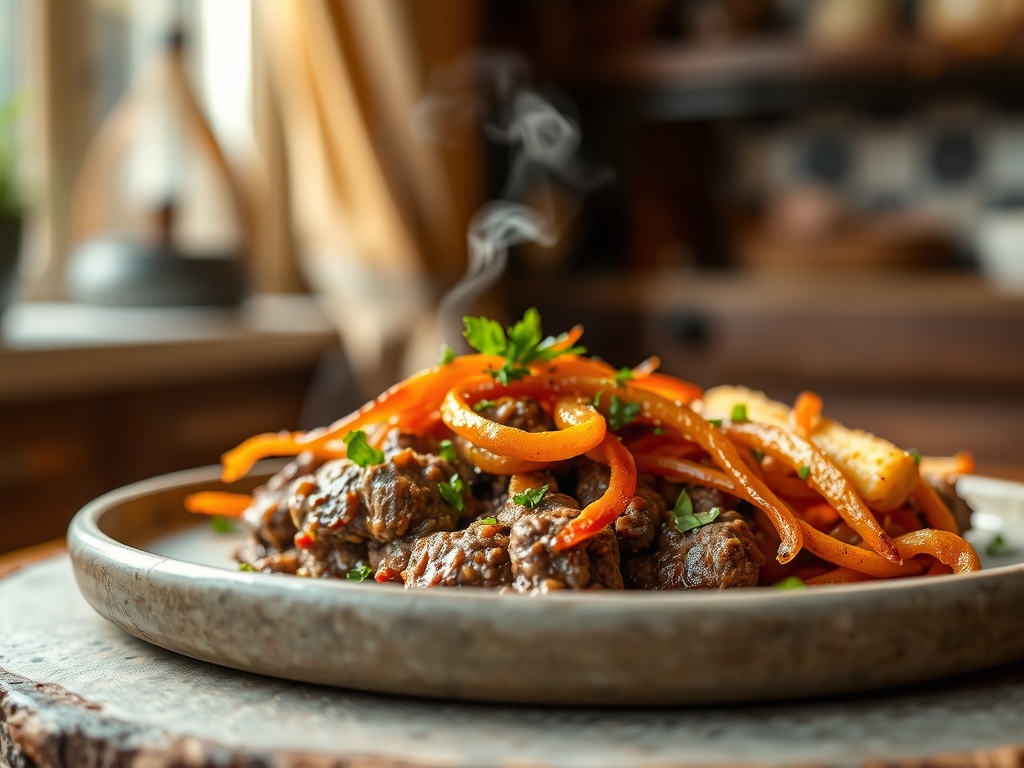
Imagine the scent of caramelized fat and toasted spices wafting through your kitchen without the messy splatter of a heavy-bottomed skillet. There is a common misconception that convection cooking is only for frozen fries or wings. In reality, mastering air fryer ground beef recipes is the ultimate culinary hack for achieving that elusive, crusty Maillard reaction while maintaining a succulent interior. We are talking about high-velocity hot air circulating at 400 degrees Fahrenheit to render out excess lipids while locking in the savory juices. It is fast; it is efficient; and frankly, it is the smartest way to handle protein when you want dinner on the table in under fifteen minutes. Whether you are prepping a batch of taco meat or crafting the perfect juicy burger, the science of airflow changes the game. By understanding how heat transfer works in a confined, high-pressure environment, you can elevate humble ground chuck into a gourmet centerpiece. Let us dive into the mechanics of why this method outperforms the stovetop and how you can manipulate temperature to get professional results every single time.
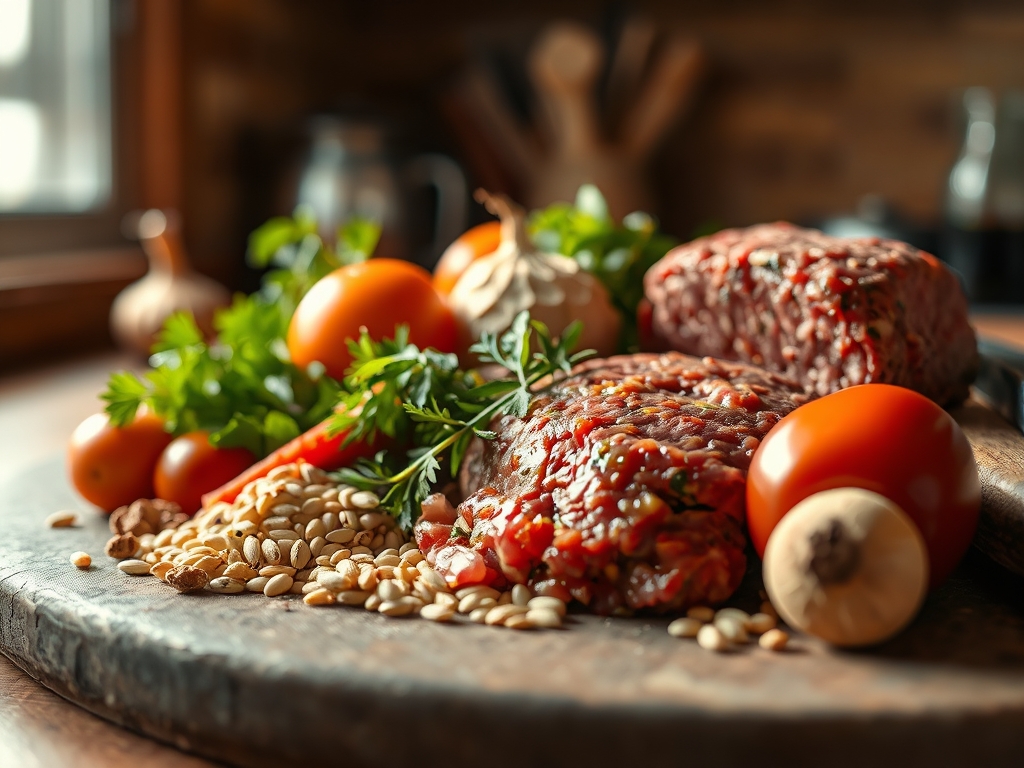
The Gathers:
Before we engage the heating element, your mise-en-place must be precise. Start with high-quality ground beef. I recommend an 80/20 blend of chuck. This ratio ensures enough fat to render and baste the protein fibers, preventing the meat from becoming desicated in the high-speed air. Use a digital scale to portion your meat into uniform four-ounce patties or half-pound blocks for even cooking.
For the aromatics, reach for your microplane. Grating garlic and onion directly into the beef creates a viscous paste that integrates seamlessly without creating structural weak points in a burger. You will also need kosher salt for its jagged crystal structure that grips the meat, and freshly cracked black pepper for a piquant bite.
Smart Substitutions: If you are leaning into a lighter profile, ground turkey or chicken can be substituted. However, because these lean proteins lack the same fat content, you must infuse them with a teaspoon of olive oil or a splash of Worcestershire sauce to mimic the mouthfeel of beef. For a plant-based twist, use a high-moisture mushroom mince blended with walnuts to achieve a similar textural complexity. Always have your bench scraper ready to clean your work surface and your tongs staged for the flip.
The Clock:
Efficiency is the soul of the "Chef's Flow." The total active preparation time for these air fryer ground beef recipes is a mere five minutes. This includes seasoning the meat and preheating the unit. Preheating is non-negotiable; you need the basket to be a heat sink the moment the beef touches the surface to prevent sticking.
The cooking duration typically spans eight to twelve minutes depending on your desired level of doneness. A medium-rare burger requires about eight minutes at 375 degrees Fahrenheit, while crumbled beef for salads or tacos takes about ten minutes with a mid-point shake. Factor in a mandatory three-minute rest period. This allows the internal pressure to stabilize, ensuring the juices stay within the muscle fibers rather than flooding your plate.
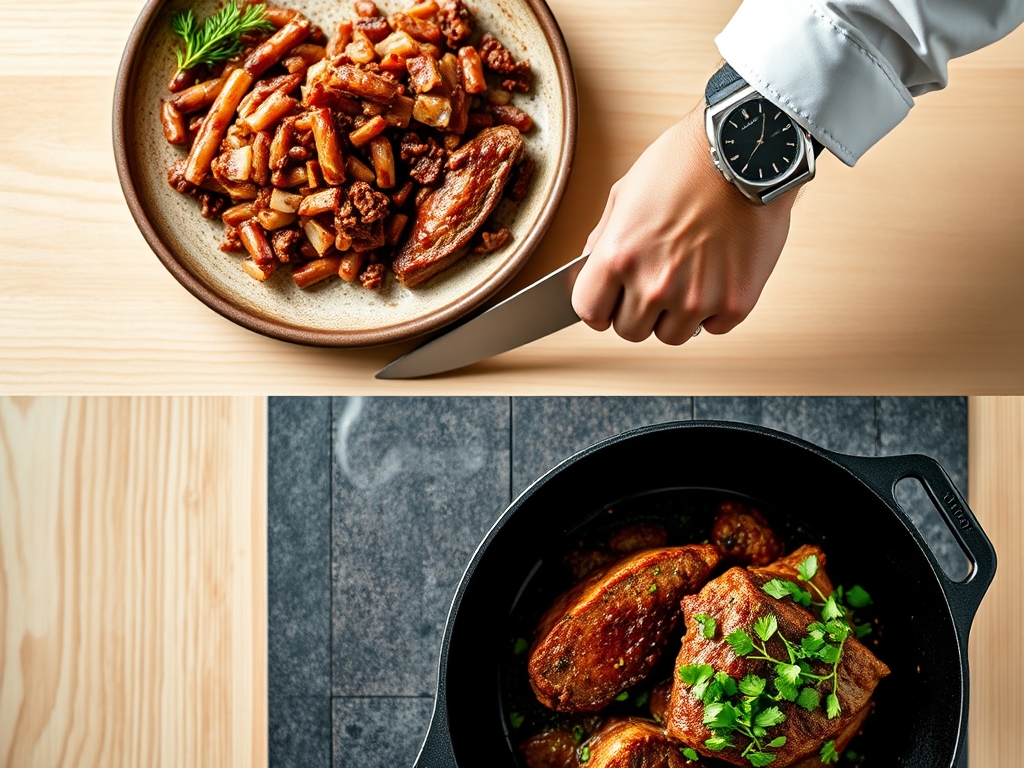
The Masterclass:
1. The Pre-Heat Protocol
Set your air fryer to 400 degrees Fahrenheit for five minutes before adding any food. This creates an immediate thermal shock.
Pro Tip: This shock triggers enzymatic browning (the Maillard reaction) instantly. Without a preheated basket, the meat steams in its own moisture, resulting in a grey, unappealing texture.
2. Aerate the Protein
When placing ground beef in the basket, do not pack it tightly. Use your fingers to gently break the meat into large chunks or form loose patties.
Pro Tip: To aerate means to allow air to flow between the particles. Increased surface area allows the convection currents to hit every angle, resulting in a more uniform "crunch" on the exterior.
3. The Mid-Point Agitation
Halfway through the cycle, use your tongs to flip patties or a wooden spoon to break up crumbles.
Pro Tip: This redistributes the rendered fat. In an air fryer, heat comes primarily from the top. Flipping ensures the bottom of the meat benefits from the hot oil pooling on the basket floor.
4. The Moisture Barrier
If making burgers, consider a light brush of Dijon mustard or oil on the exterior before cooking.
Pro Tip: This creates a hydrophobic barrier. It speeds up the browning process while trapping internal moisture, preventing the high-velocity air from stripping the meat of its natural juices.
5. Monitor Internal Temperature
Use a digital probe thermometer to check the thickest part of the meat. Remove the beef when it is five degrees below your target temperature.
Pro Tip: This accounts for thermal carryover. The internal temperature will continue to rise even after the meat is removed from the heat source due to residual energy.
6. The Deglaze Method
Once the meat is removed, you will see browned bits (fond) at the bottom of the tray. Do not waste these.
Pro Tip: While the meat rests, you can deglaze the tray with a tablespoon of beef stock or red wine. This creates a quick pan sauce that captures the concentrated flavor of the beef.
7. The Rest Phase
Transfer the beef to a warm plate and tent loosely with foil for three minutes.
Pro Tip: Resting allows the proteins to relax. As they cool slightly, they reabsorb the liquid fat, making every bite significantly more tender.
8. Final Seasoning
Apply a finishing salt or a zest of citrus right before serving.
Pro Tip: Salt added at the very end provides a textural pop and brightens the deep, savory notes of the rendered beef.
The Deep Dive:
From a nutritional standpoint, air fryer ground beef recipes are a powerhouse. A standard four-ounce serving of 80/20 beef provides roughly 20 grams of protein and 14 grams of fat. The beauty of the air fryer is that it allows a significant portion of the saturated fat to drain away into the bottom pan, lowering the overall caloric density compared to pan-frying.
Dietary Swaps: For those on a Keto or Paleo track, this method is perfection. If you are Gluten-Free, ensure your seasonings do not contain hidden maltodextrin. For a Vegan alternative, use a soy-based crumble but reduce the cooking time by 30 percent, as plant proteins lack the same thermal mass as bovine tissue.
The Fix-It:
- Dry Meat: You likely over-compressed the patty. Keep the grind loose.
- Uneven Browning: The basket was overcrowded. Cook in batches to maintain airflow.
- Smoke in Kitchen: High-fat beef can drip onto the heating element. Place a slice of bread or a tablespoon of water in the bottom drawer to catch the grease and prevent smoking.
Meal Prep: To reheat ground beef without it turning into rubber, use the air fryer at 320 degrees for three minutes. Add a teaspoon of water to the basket to create a small amount of steam, which rehydrates the protein fibers for "day-one" quality.
The Wrap-Up:
You are now equipped with the technical prowess to dominate the air fryer. By focusing on airflow, thermal carryover, and proper aeration, you have transformed a simple weeknight chore into a scientific success. Remember; the air fryer is not just a tool for convenience; it is a precision instrument for texture. Go forth, grab your digital scale, and start experimenting with your own flavor profiles. Your kitchen is your laboratory, and the results are going to be delicious.
The Kitchen Table:
How do I keep ground beef from falling through the basket?
Use a small piece of perforated parchment paper or a silicone liner designed for air fryers. This keeps the meat contained while still allowing the essential hot air to circulate through the holes for even browning.
Can I cook frozen ground beef in the air fryer?
Yes, but you must increase the time by 50 percent. Start at a lower temperature (350 degrees) to thaw the exterior without burning it, then crank it to 400 degrees for the final three minutes to achieve a crust.
Is it better to season beef before or after air frying?
Always season before. Salt needs time to penetrate the protein and break down the myosin, which helps the meat retain moisture. Spices also toast beautifully in the high-heat environment, deepening the overall flavor profile of the dish.
How much fat drains off in the air fryer?
Depending on the fat percentage, you can lose up to 15 to 20 percent of the total fat content. This makes air frying a leaner alternative to traditional pan-searing where the meat sits in its own rendered oils.