
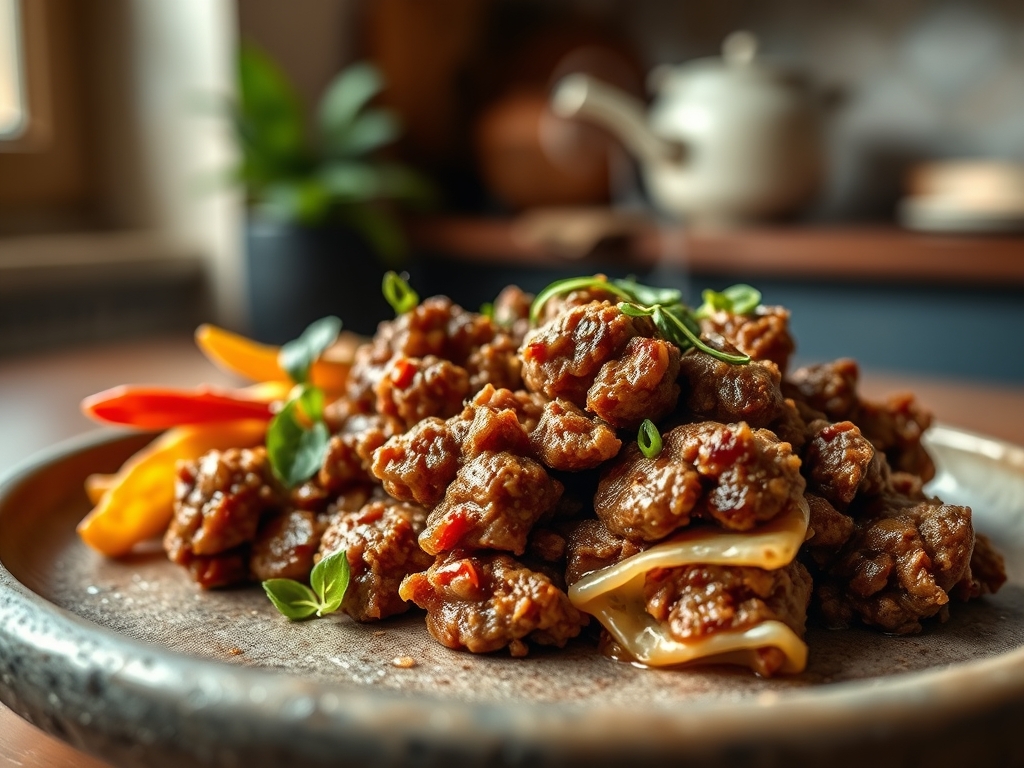
The kitchen air thickens with the scent of rendering fat and caramelized onions; it is a sensory signal that comfort is on the way. When you master grandpa's favorite ground beef recipes, you are not just flipping patties. You are conducting a symphony of heat and protein to create nostalgic, soul-warming meals that define home cooking.
The Gathers:
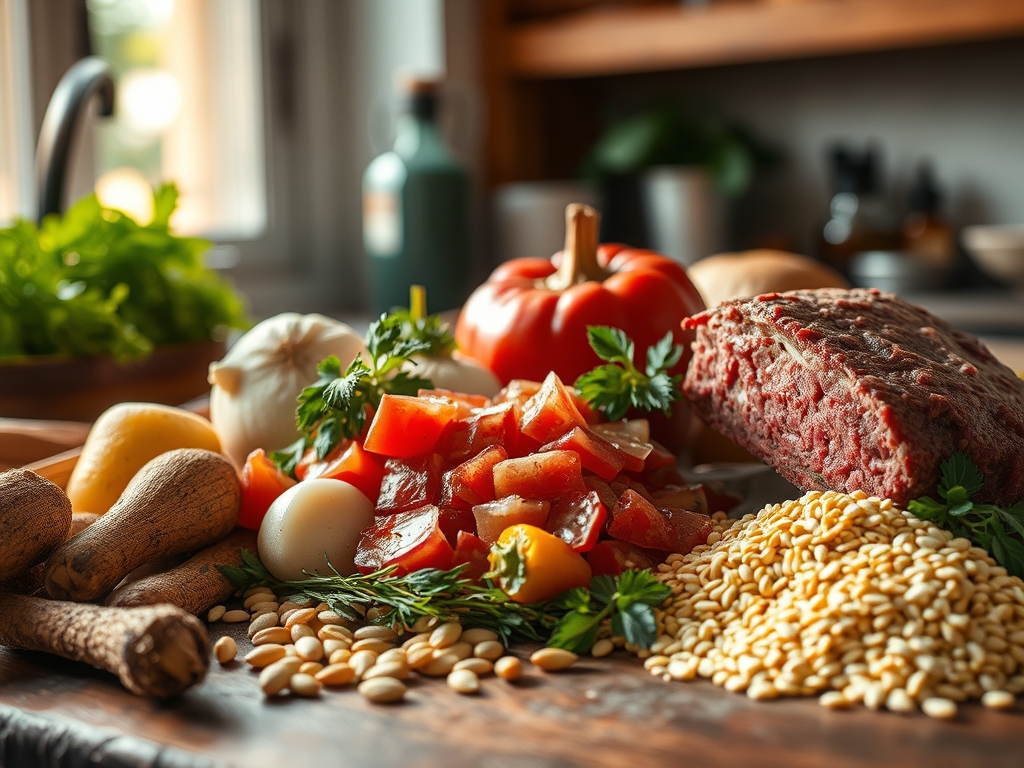
To achieve the depth of flavor found in grandpa's favorite ground beef recipes, your mise-en-place must be precise. Start with a high-quality 80/20 ground chuck; the 20 percent fat content is non-negotiable for moisture and flavor during the Maillard reaction. You will need aromatics like yellow onions and garlic, which provide a sulfurous base that transforms into sweetness when heat is applied.
Gather your professional tools: a heavy-bottomed skillet for heat retention, a microplane for finely grating aromatics, and a digital scale to ensure uniform portions. For the sauces, keep a saucier nearby to manage viscous liquids like beef stock and Worcestershire sauce. If you are looking for smart substitutions, use ground turkey combined with a teaspoon of mushroom powder to mimic the savory umami profile of beef. For a keto-friendly binder, replace traditional breadcrumbs with crushed pork rinds or almond flour to maintain structural integrity without the carbs.
The Clock:
Efficiency in the kitchen is about the Chef's Flow. For these nine classics, expect a preparation time of 20 minutes and a cook time ranging from 15 to 45 minutes. The flow begins with the "Cold Start," where you prep all vegetables and measure liquids before the pan ever touches the flame. This prevents the "Pan-Panic" that occurs when the beef is browning too quickly while you are still chopping onions. By timing your deglazing steps immediately after the meat reaches a deep mahogany hue, you maximize the efficiency of the thermal energy in the pan.
The Masterclass:
1. The Sear and Render
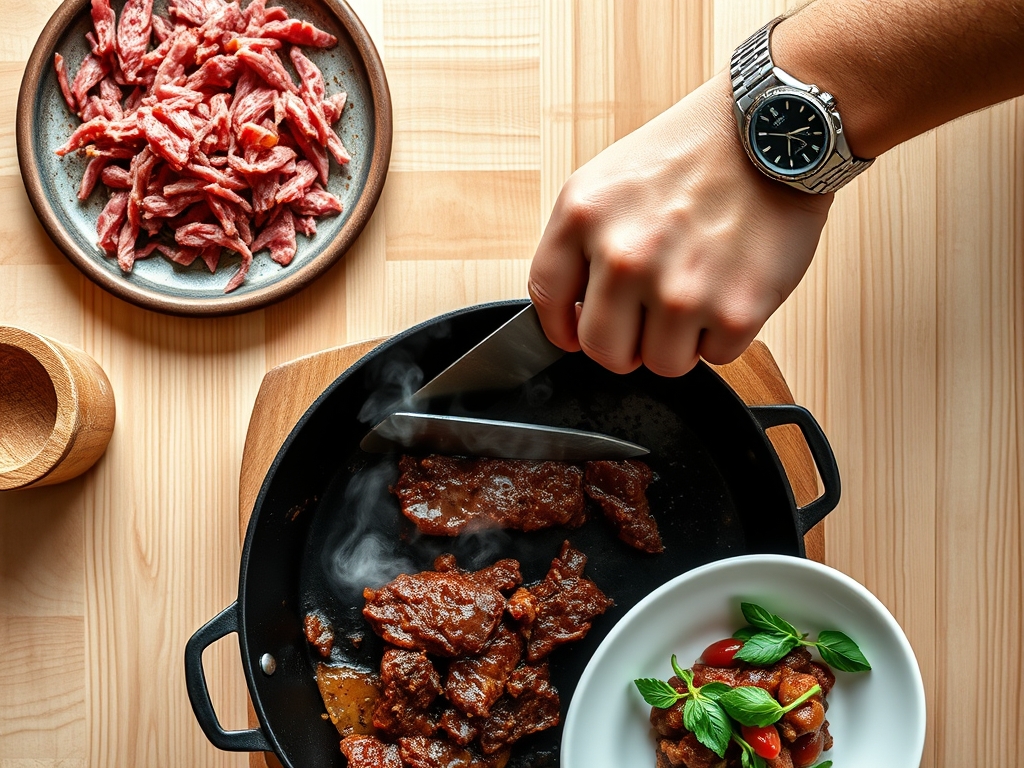
Place your beef in a preheated cast-iron skillet. Do not crowd the pan; overcrowding drops the surface temperature and causes the meat to steam in its own juices rather than brown. Use a bench scraper or stiff spatula to break the meat into uniform chunks.
Pro Tip: This step relies on enzymatic browning. By leaving the meat undisturbed for the first three minutes, you allow the amino acids and reducing sugars to bond, creating a complex flavor profile that cannot be replicated once liquids are added.
2. Aerating the Aromatics
Push the browned beef to the perimeter and add your diced onions and carrots to the center. Use a microplane to zest in fresh garlic at the very last second to prevent the delicate oils from burning and turning bitter.
Pro Tip: This is called sweating. The salt draws out moisture through osmosis, allowing the vegetables to soften in the rendered beef fat, which infuses the entire dish with a foundational savory layer.
3. The Deglaze and Emulsify
Pour in a splash of red wine or beef stock. Use your spatula to scrape up the fond, those delicious brown bits stuck to the bottom of the pan. This is where the magic happens for grandpa's favorite ground beef recipes.
Pro Tip: Deglazing is a chemical process where the liquid dissolves the caramelized proteins. This creates a viscous sauce base through emulsification, ensuring the fat and water-based liquids join into a smooth, glossy coating.
4. The Slow Simmer
Reduce the heat to low and allow the mixture to bubble gently. If you are making a meatloaf or Salisbury steak, this is when the proteins begin to set and the flavors meld.
Pro Tip: Low heat prevents the proteins from tightening too quickly. This preserves the capillary action within the meat fibers, keeping the final product juicy rather than rubbery.
5. The Rest and Carryover
Remove the dish from the heat source just before it looks "done." Whether it is a burger or a shepherd's pie, the internal temperature will continue to rise.
Pro Tip: This is known as thermal carryover. Resting the meat for five minutes allows the internal juices to redistribute. If you cut into it too soon, the pressure from the contracted fibers will push all the moisture out onto the plate.
The Deep Dive:
Grandpa's favorite ground beef recipes are nutritional powerhouses, offering high levels of Vitamin B12, zinc, and bioavailable iron. A standard serving contains roughly 25 grams of protein. For dietary swaps, use gluten-free tamari instead of Worcestershire sauce to keep the piquant flavor profile while remaining GF. If you are going vegan, lentils combined with walnuts provide a similar texture and earthy finish.
The Fix-It:
- Greasy Sauce: If your sauce is separating, use a bread slice to blot the surface or whisk in a "slurry" of cornstarch and cold water to re-bind the fats.
- Tough Meat: This usually means the beef was over-worked. Next time, mix gently with your hands until just combined to avoid denaturing the proteins too much.
- Bland Flavor: You likely missed the deglazing stage. Add a teaspoon of balsamic vinegar or a squeeze of lemon at the end to brighten the heavy fats with acidity.
Meal Prep Science: To maintain "day-one" quality, reheat ground beef dishes in a covered container with a teaspoon of water. This creates a steam chamber that prevents the fats from oxidizing, which is what causes that "leftover" taste.
The Wrap-Up:
Mastering grandpa's favorite ground beef recipes is about more than just following a list of ingredients; it is about understanding the chemistry of the kitchen. From the initial sear that triggers the Maillard reaction to the final rest that ensures a succulent bite, every step serves a technical purpose. Grab your heavy-bottomed skillet, trust your digital scale, and get ready to serve a meal that feels like a warm hug from the past.
The Kitchen Table:
Why is my ground beef grey instead of brown?
This happens when the pan is not hot enough or is overcrowded. The moisture escapes and steams the meat. To fix this, cook in smaller batches and ensure the skillet is shimmering hot before adding the beef.
Can I freeze these ground beef recipes?
Yes, ground beef dishes freeze beautifully because the high fat content protects the protein fibers from freezer burn. Ensure the food is completely cool before sealing in an airtight container to prevent ice crystal formation and texture loss.
What is the best fat ratio for meatloaf?
An 80/20 ratio is ideal for grandpa's favorite ground beef recipes. The 20 percent fat acts as a thermal insulator and a lubricant, ensuring the loaf remains moist during the long baking process required to set the binders.
How do I stop my burgers from shrinking?
Burgers shrink when proteins contract and push out moisture. To prevent this, use a thumb to press a small indent in the center of the patty. This allows the meat to expand upward without bulging or tightening too much.