
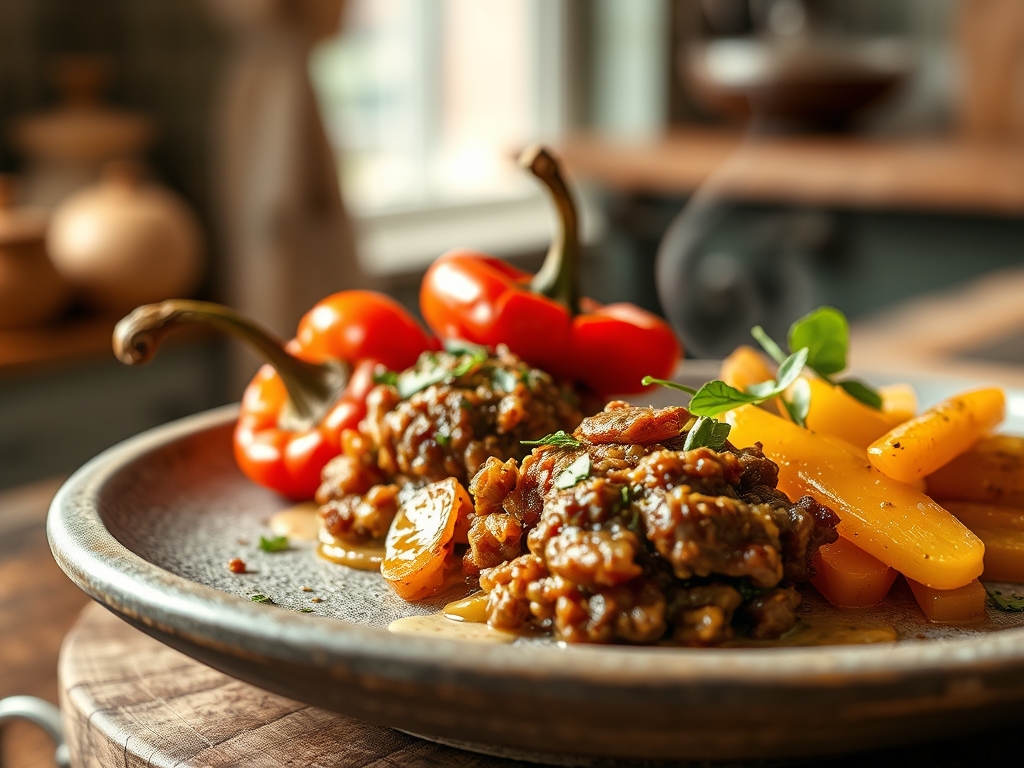
Picture the sound of cold, crisp bell pepper skins meeting the edge of a sharpened chef knife. That rhythmic thwack is the preamble to one of the most reliable flavor profiles in the culinary canon. When you are hunting for peppers and ground beef recipes, you are looking for that perfect intersection of rendered fat and bright, acidic crunch. It is a midweek miracle that relies on the heavy lifting of a well seasoned skillet.
The magic happens when the iron reaches the smoke point. We are not just cooking; we are orchestrating a series of chemical reactions that transform humble protein into a savory masterpiece. These peppers and ground beef recipes are designed for the home cook who demands restaurant quality results without the three hour simmer. We are going to harness the power of high heat to create a crust on the beef while keeping those peppers vibrant and snappy.
Forget watery, grey meat and limp vegetables. We are going to dive into the molecular mechanics of the Maillard reaction and the structural integrity of cellular walls. Grab your favorite heavy bottomed skillet and a glass of something crisp. We are about to turn your kitchen into a high performance flavor lab where the results are as beautiful as they are delicious.
The Gathers:
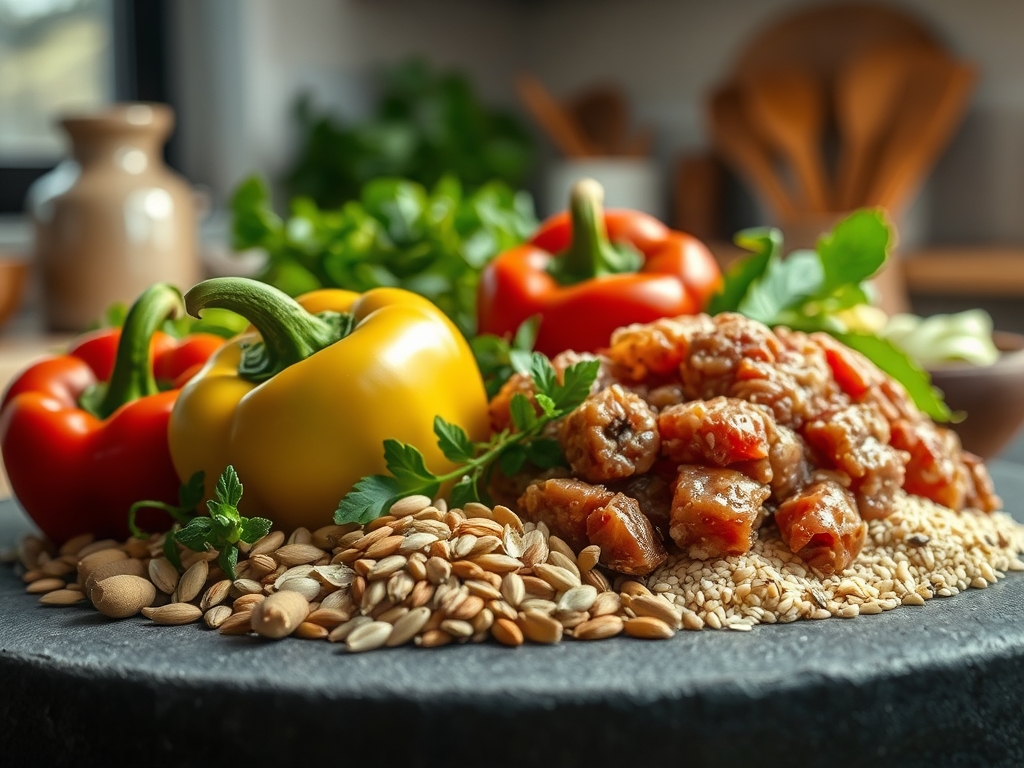
To execute these peppers and ground beef recipes with precision, your mise-en-place must be flawless. Start with your protein. Aim for an 80/20 blend of ground chuck. The 20 percent fat content is non-negotiable because it provides the lipids necessary to emulsify your pan sauce. For the peppers, look for heavy, taut specimens. A heavy pepper indicates high water content, which provides that satisfying snap upon the first bite.
Your aromatic kit should include fresh garlic cloves, shallots for a more delicate sweetness than white onions, and perhaps a pinch of red pepper flakes for a piquant finish. Use a microplane to grate your aromatics directly into the pan; this increases the surface area and ensures the essential oils infuse the fat instantly.
Smart Substitutions:
If you are looking to lighten the caloric load, ground turkey or chicken can stand in for beef, though you must add a teaspoon of neutral oil to compensate for the lack of natural tallow. For a nightshade free version, sliced fennel bulbs provide a similar structural crunch with a sophisticated anise note. If you lack fresh peppers, a jar of roasted piquillos adds a smoky, concentrated depth that fresh produce cannot replicate.
The Clock: Chef's Flow
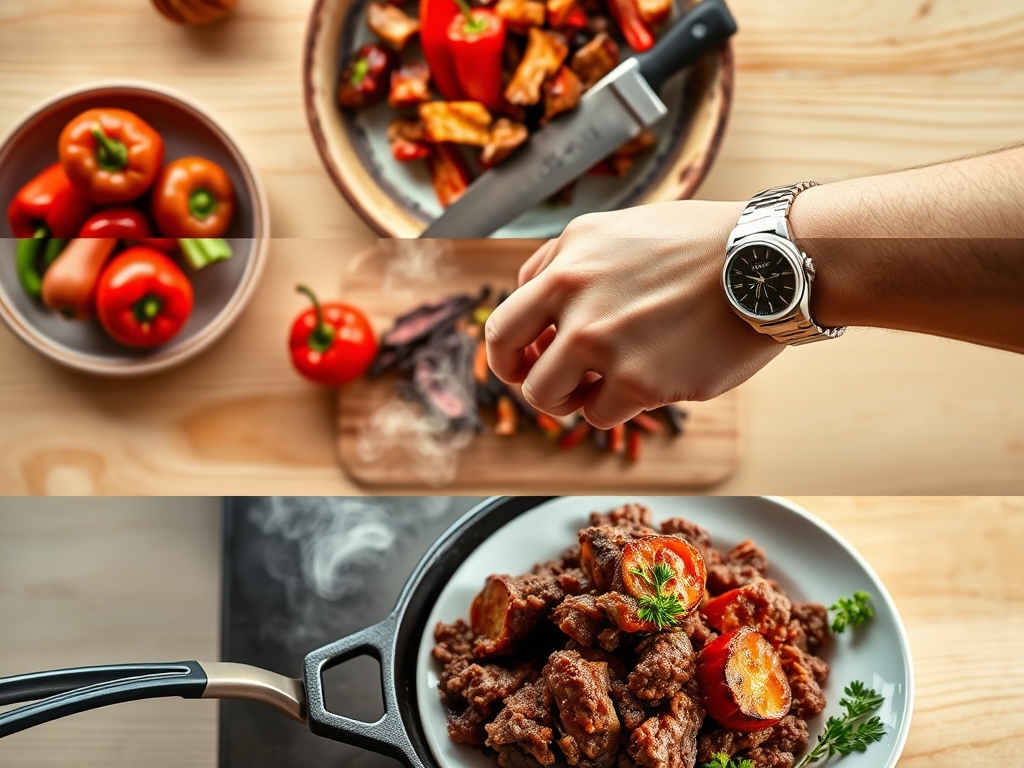
Efficiency in the kitchen is about managing the thermal momentum of your tools. Total prep time for these dishes is roughly 15 minutes, with a cook time of 12 to 15 minutes. This is what we call the Chef's Flow. You should be dicing your peppers while the skillet preheats. Never add oil to a cold pan. Wait until the metal is radiating heat, then add your fat. By the time the beef is browning, your aromatics should be ready to hit the deck. This overlapping timeline ensures that no ingredient sits long enough to lose its enzymatic integrity or vibrant color.
The Masterclass:
1. The Sear and Render
Place your ground beef into the screaming hot skillet. Do not touch it for at least three minutes. You are waiting for the Maillard reaction, a chemical reaction between amino acids and reducing sugars that gives browned food its distinctive flavor. Use a sturdy metal spatula to break the meat into large, craggy chunks rather than a fine crumble.
Pro Tip: This is called thermal searing. If you crowd the pan, the moisture escaping the meat will turn to steam, boiling your beef instead of browning it. Cook in batches if your skillet is small.
2. Deglazing the Fond
Once the meat is browned, remove it with a slotted spoon, leaving the rendered fat behind. You will see brown bits stuck to the bottom of the pan; this is "fond," and it is pure gold. Add a splash of beef stock or dry white wine. Use a wooden spoon to scrape those bits into the liquid.
Pro Tip: Deglazing is a solvent based extraction. The liquid pulls the concentrated proteins from the pan and incorporates them into what will become a highly viscous and flavorful sauce.
3. The Pepper Flash
Toss your sliced peppers into the hot fat and fond. We are looking for a "blister" rather than a soft sauté. Keep the heat high and toss them frequently using tongs. You want the exterior to char slightly while the interior remains al dente.
Pro Tip: This technique preserves the pectin in the cell walls. Overcooking peppers breaks down these polysaccharides, resulting in a mushy texture that ruins the mouthfeel of the dish.
4. The Aromatic Infusion
Push the peppers to the perimeter of the skillet and drop your grated garlic and ginger into the center. Let them bloom in the residual fat for exactly 30 seconds until they become fragrant.
Pro Tip: Aromatics contain volatile organic compounds that are fat soluble. By "blooming" them in the oil before mixing, you ensure the flavor is evenly distributed throughout the entire dish.
5. Reintroducing the Protein
Add the beef back into the skillet. Toss everything together to ensure the meat is coated in the pan sauce. This is the moment to add your finishing salts or fresh herbs like parsley or cilantro.
Pro Tip: This stage utilizes carryover cooking. The internal temperature of the beef will continue to rise by 5 to 10 degrees even after you kill the heat, ensuring the meat stays juicy rather than becoming desiccated.
6. The Emulsified Finish
Turn off the heat and stir in a small pat of cold butter or a tablespoon of heavy cream. Stir vigorously until the sauce looks glossy and clings to the beef and peppers.
Pro Tip: This is a cold fat emulsion. The rapid stirring suspends the fat droplets in the liquid, creating a velvety texture that coats the palate and balances the piquant notes of the peppers.
The Deep Dive:
From a nutritional standpoint, these peppers and ground beef recipes are powerhouses. A single serving provides roughly 30 grams of protein and is packed with Vitamin C from the peppers, which actually aids in the absorption of the heme iron found in the beef.
Dietary Swaps:
For a Keto friendly version, serve this over cauliflower rice or simply eat it as a "skillet hash." For a Vegan twist, replace the beef with a walnut and mushroom crumble; the mushrooms provide the savory umami while the walnuts offer the necessary fat and texture. If you are Gluten Free, ensure your deglazing liquid is a certified stock or wine, and skip any flour based thickeners.
The Fix-It:
- Greasy Sauce: If the pan looks too oily, the emulsion has broken. Add a tablespoon of water and whisk vigorously over low heat to bring it back together.
- Tough Meat: This usually means the beef was over-handled. Next time, use a bench scraper to portion the meat into the pan without squeezing the juices out.
- Bland Flavor: You likely under-salted during the browning phase. Salt early to draw out moisture and concentrate the beefy profile.
Meal Prep:
When reheating, do not use the microwave if you can avoid it. The microwave vibrates water molecules, which can turn your peppers into mush. Instead, use a saucier over medium heat with a teaspoon of water to re-steam the dish, restoring that "day-one" glossy finish.
The Wrap-Up:
Mastering peppers and ground beef recipes is about more than just tossing ingredients into a pan; it is about respecting the chemistry of heat and fat. By focusing on the sear, the fond, and the final emulsion, you elevate a simple weeknight meal into a culinary event. These skills are the building blocks of professional cooking. Now that you have the science down, go forth and blister those peppers with confidence!
The Kitchen Table:
How do I keep my peppers from getting soggy?
Keep the heat high and the cook time short. Sautéing peppers for more than five minutes breaks down the pectin in their cell walls, causing them to lose their structural integrity and become limp.
What is the best ground beef for skillets?
An 80/20 ground chuck blend is ideal. The fat content provides the necessary lipids for a rich pan sauce and ensures the meat stays moist during the high heat searing process.
Can I use frozen peppers for these recipes?
Frozen peppers work in a pinch, but they will never have the same snap as fresh. If using frozen, add them directly to the hot pan without thawing to minimize moisture release.
How do I get a better sear on the beef?
Pat the meat dry with paper towels before cooking and ensure the skillet is at the smoke point. Avoid moving the meat for the first few minutes to allow the Maillard reaction to occur.