
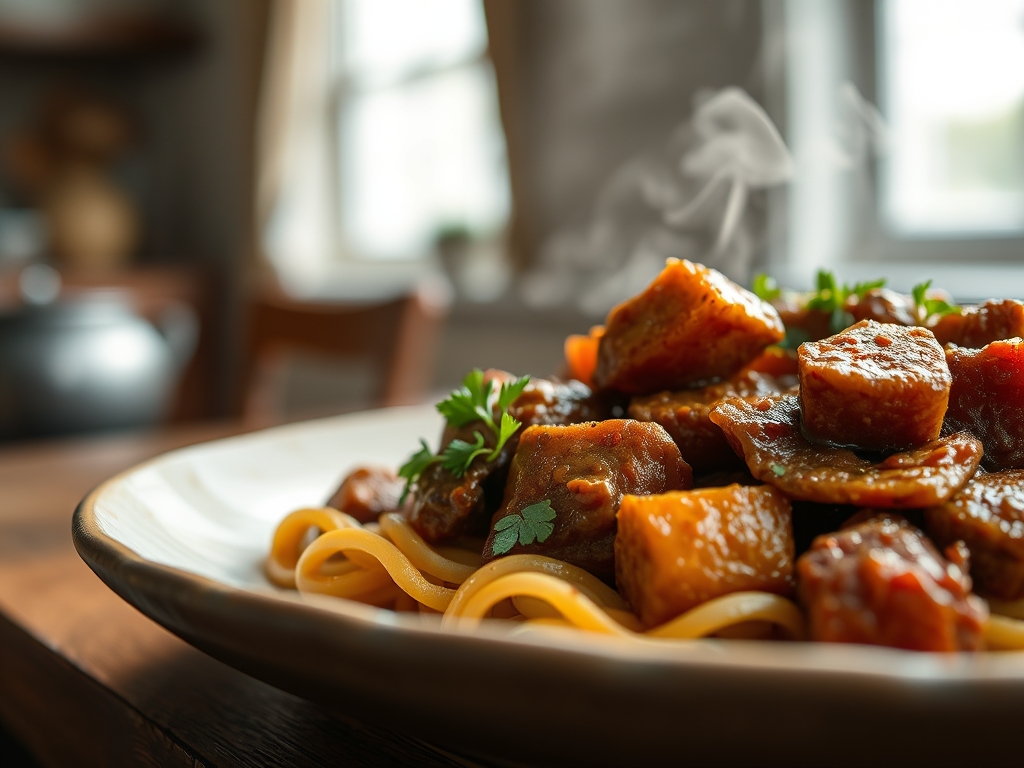
Picture the scent of a rainy Tuesday afternoon transformed by the heavy, iron-clad promise of a Dutch oven. There is a specific kind of magic found in southern stew beef recipes that lingers in the air; it is a heady mix of rendered fat, sweet onions, and the deep, earthy bass note of slow-cooked chuck. This is not just a meal. It is a structural masterpiece of collagen and heat. When you lift that lid, you are looking at the culmination of hours of patience and chemical transformation. The gravy should be glossy enough to reflect your smile, and the beef should yield to a fork without a single ounce of resistance. We are talking about the ultimate comfort food, elevated by the kind of precision that would make a laboratory scientist nod in approval. Grab your favorite apron and a heavy-bottomed skillet. We are about to turn a humble cut of meat into a velvet-textured legend that will have your neighbors knocking on your door just to catch a whiff of the steam.
The Gathers:
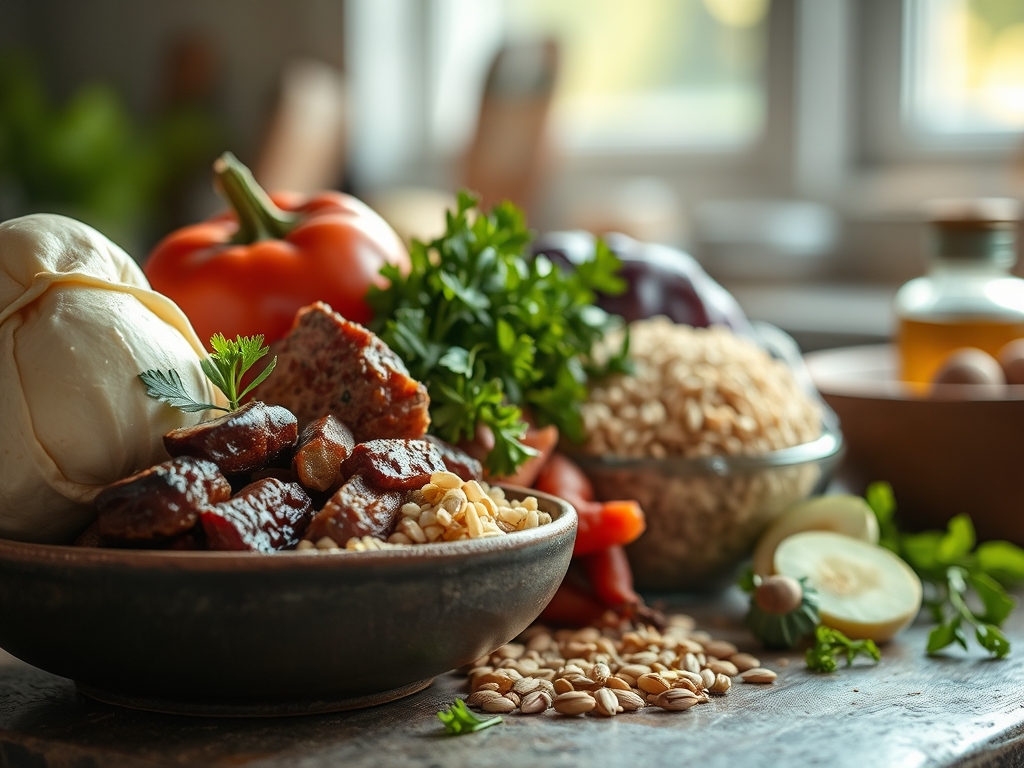
To achieve the perfect viscosity and flavor profile, your mise-en-place must be intentional. We start with three pounds of Chuck Roast, specifically chosen for its high concentration of intramuscular connective tissue. Unlike lean cuts, chuck contains the collagen necessary to create a silk-like mouthfeel once it breaks down into gelatin. You will need a digital scale to ensure your ratios are exact; precision is the difference between a thin soup and a rich stew.
Gather your aromatics: three large carrots, two stalks of celery, and one massive yellow onion. We are looking for a classic mirepoix ratio, but with a southern twist. Use a microplane to zest two cloves of garlic and a teaspoon of fresh ginger for a piquant undertone that cuts through the fat. For the liquid base, you need high-quality beef bone broth, a splash of Worcestershire sauce, and a half-cup of dry red wine to deglaze the pan.
Smart Substitutions:
If you are out of red wine, a tablespoon of balsamic vinegar provides the necessary acidity to brighten the heavy fats. For those avoiding nightshades, swap the traditional potato for cubed parsnips or celery root; these offer a similar starch profile with a more complex, nutty finish. If you find your pantry lacks tomato paste, a sun-dried tomato pesto can provide that essential umami punch.
The Clock
Efficiency in the kitchen is about mastering the Chef's Flow. Expect about 45 minutes of active preparation, which includes the meticulous cubing of the beef and the precise dicing of vegetables. The cooking phase is where the physics of heat takes over, requiring 3 to 4 hours of low-temperature simmering.
The "Flow" dictates that you sear the meat while simultaneously chopping your vegetables. This multitasking ensures that as soon as the last batch of beef leaves the skillet, your aromatics are ready to hit the hot fat. Never rush the simmer. The transition of collagen to gelatin occurs most efficiently between 160 and 180 degrees Fahrenheit. If you boil it, the muscle fibers will seize and turn into shoe leather.
The Masterclass
1. The Critical Sear
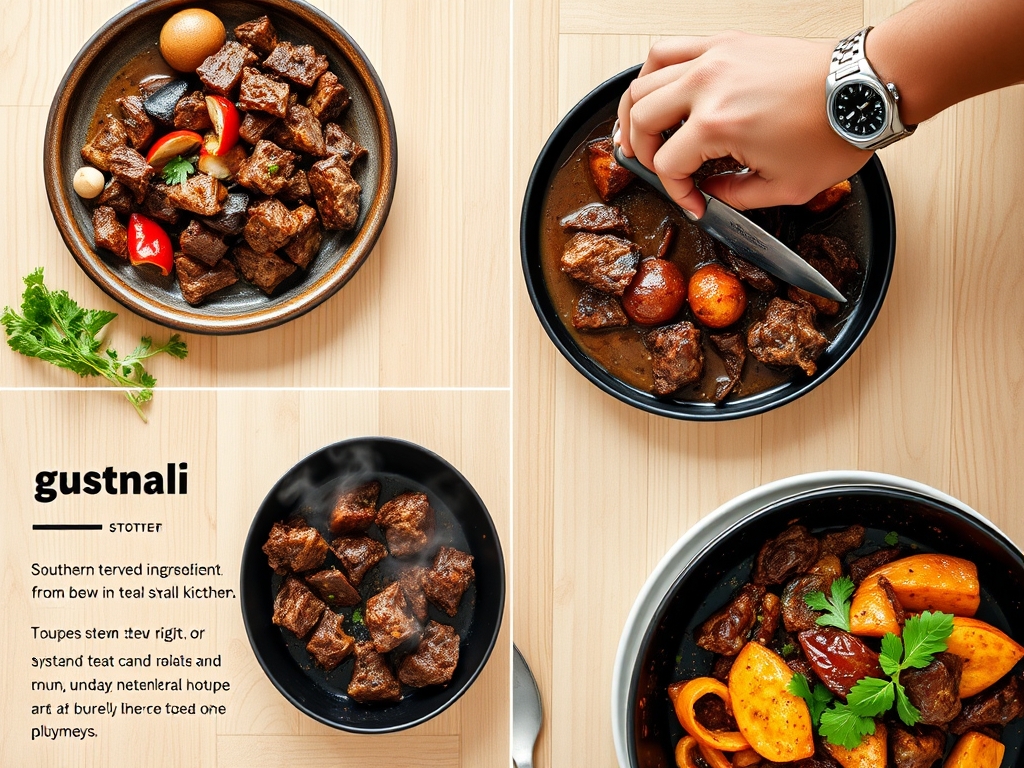
Pat your beef cubes completely dry with paper towels before hitting the pan. Use tongs to place each piece in a shimmering layer of oil in your heavy-bottomed skillet. Do not crowd the pan; if the pieces touch, they will steam instead of brown.
Pro Tip: This step relies on the Maillard Reaction, a chemical reaction between amino acids and reducing sugars that creates hundreds of different flavor compounds. Achieving a deep, mahogany crust provides the foundational "brown" flavor of the entire stew.
2. Deglazing the Fond
Once the meat is removed, you will see dark bits stuck to the bottom of the pan. This is the fond. Pour in your wine or vinegar and use a wooden spoon to scrape every bit loose.
Pro Tip: This process is an exercise in solubility. The alcohol and acidity in the liquid dissolve the caramelized proteins, incorporating those concentrated flavor molecules back into your sauce base for maximum depth.
3. Sweating the Aromatics
Add your mirepoix to the deglazed pan. Cook until the onions are translucent but not browned. Use a bench scraper to easily transport your diced veggies from the cutting board to the pot.
Pro Tip: This step involves sweating, which uses low heat to soften the cellulose walls of the vegetables. This releases their natural sugars and creates a flavor base that is sweet rather than sharp.
4. The Flour Dusting
Sprinkle two tablespoons of all-purpose flour over the vegetables and stir constantly for two minutes. This creates a blonde roux directly in the pan.
Pro Tip: Cooking the flour removes the "raw" starch taste and allows the heat to gelatinize the starch granules. This ensures your stew thickens evenly without forming unsightly lumps later in the process.
5. The Slow Infusion
Return the beef to the pot and pour in your broth until the meat is just submerged. Add a bouquet garni of thyme and bay leaves. Cover with a tight-fitting lid to prevent evaporation.
Pro Tip: Maintaining a low, steady temperature allows for proteolysis, where enzymes break down the tough protein chains. This is why slow-cooked meat eventually becomes "fork-tender."
6. The Potato Integration
Add your cubed potatoes during the final 45 minutes of cooking. If you add them too early, they will disintegrate into the sauce and ruin the texture.
Pro Tip: Potatoes act as a starch reservoir. As they cook, they release a small amount of amylose into the liquid, which further stabilizes the emulsion of the gravy.
7. The Acid Finish
Just before serving, stir in a teaspoon of lemon juice or apple cider vinegar. This is the secret to making the flavors "pop."
Pro Tip: Acidity acts as a flavor enhancer by stimulating the salivary glands and balancing the richness of the rendered beef tallow. It provides a necessary contrast to the heavy fats.
8. The Resting Period
Turn off the heat and let the stew sit, uncovered, for 15 minutes before serving. Use a saucier to skim any excess fat from the surface if necessary.
Pro Tip: This allows for thermal equilibration. As the temperature drops slightly, the meat fibers relax and reabsorb some of the flavorful cooking liquid, making the beef even juicier.
9. The Final Aeration
Give the stew one final, gentle stir with a large spoon to incorporate any settled juices back into the gravy.
Pro Tip: This brief aeration helps release the volatile aromatic compounds just before the dish hits the table, ensuring the scent is as impactful as the taste.
The Deep Dive
Macro Nutrition:
A standard serving of this southern beef stew provides approximately 35g of protein, 18g of fat, and 25g of carbohydrates. It is a nutrient-dense powerhouse, rich in iron, zinc, and Vitamin B12.
Dietary Swaps:
- Vegan: Replace beef with "meaty" king oyster mushrooms and use a mushroom-based broth with a dash of liquid smoke.
- Keto: Omit the potatoes and flour. Use xanthan gum (sparingly) to thicken and add extra radishes or cauliflower for bulk.
- GF: Swap all-purpose flour for a 1:1 gluten-free blend or use a cornstarch slurry at the very end.
The Fix-It:
- Too Thin? Whisk a tablespoon of butter with a tablespoon of flour (a beurre manie) and stir it into the simmering liquid.
- Too Salty? Add a peeled, halved raw potato and simmer for 10 minutes; the potato will absorb excess salt like a sponge.
- Bland Flavor? Add a teaspoon of instant espresso powder or cocoa powder. It won't taste like coffee, but it will deepen the "beefiness" significantly.
Meal Prep:
Stew is notoriously better the next day. This is due to molecular migration; as the dish cools, the flavors continue to meld and penetrate the meat. When reheating, do so slowly on the stovetop with a splash of water to loosen the gelatinized gravy. Avoid the microwave, which can cause the beef to become rubbery through uneven heating.
The Wrap-Up
Mastering southern stew beef recipes is a rite of passage for any home cook who values soul-warming flavor and technical finesse. By understanding the science of the sear and the patience of the simmer, you have transformed basic ingredients into a culinary masterpiece. This dish is a testament to the power of slow cooking; it is a warm hug in a bowl that proves the best things in life truly do take time. Now, go grab a piece of crusty bread and enjoy the fruits of your labor!
The Kitchen Table
Why is my stew beef still tough?
You likely did not cook it long enough or at a low enough temperature. Collagen requires sustained, low heat to transform into tender gelatin. Increase your simmer time by thirty minutes and keep the lid tightly sealed.
Can I make this in a slow cooker?
Yes, but you must sear the beef and sauté the aromatics in a skillet first. Transfer everything to the slow cooker and cook on low for 7 to 8 hours for the best structural integrity of the meat.
What is the best beef for stew?
Chuck roast is the undisputed king. It contains the perfect ratio of lean muscle to connective tissue. Avoid "stew meat" packages, as they often contain mismatched scraps that cook at different rates, leading to uneven textures.
How do I make the gravy darker?
The secret is a longer Maillard reaction during the initial sear and the addition of a small amount of tomato paste. You can also add a splash of kitchen bouquet or a teaspoon of dark soy sauce for color.