
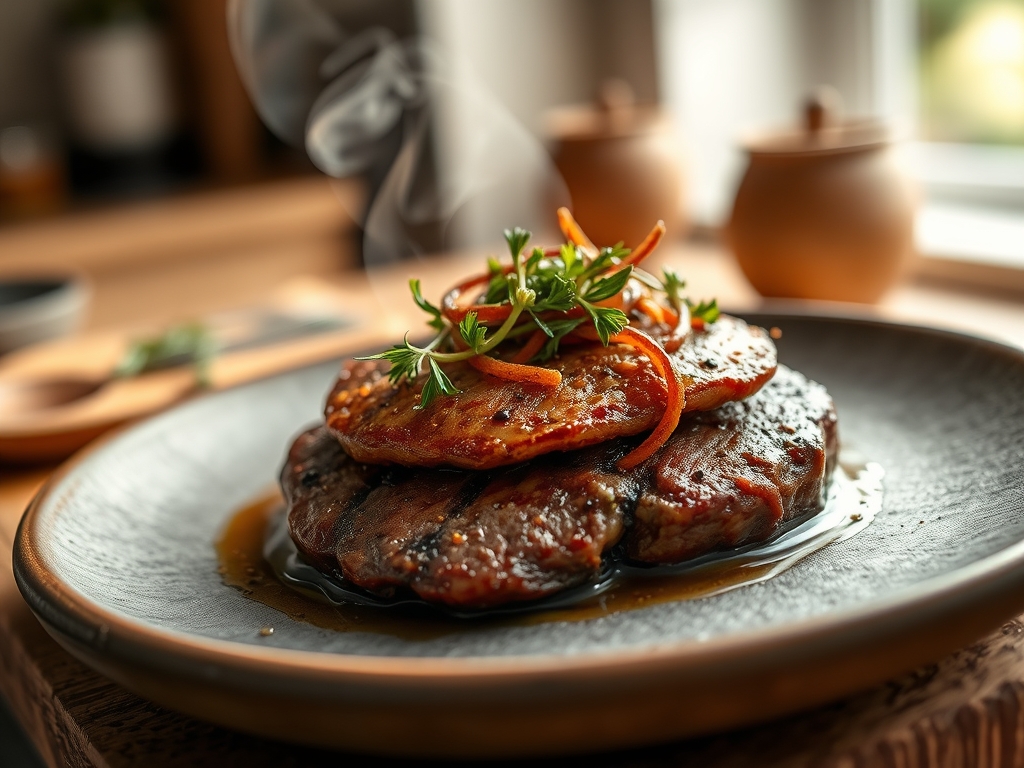
Picture a heavy-bottomed skillet screaming over a blue flame. The air fills with the heady, metallic scent of iron and the sweet, nutty aroma of browning fats. We are reclaiming the top round. Often dismissed as the "budget" cut, this lean, muscular hunk of beef is a masterpiece of efficiency when you know how to unlock its secrets. Mastering round top beef recipes is the ultimate culinary power move; it transforms a tough, affordable protein into something that rivals a prime rib in texture and depth. It is all about the chemistry of the muscle fibers. Because the top round comes from the hard-working leg of the cow, it is packed with flavor but low on fat. We are going to use science to break down those stubborn connective tissues. We will use salt to denature proteins and precise heat to ensure every slice is butter-soft. Forget the gray, chewy roasts of your childhood. We are moving into the realm of high-end bistro quality, using professional techniques to make this lean cut sing on your palate.
The Gathers:
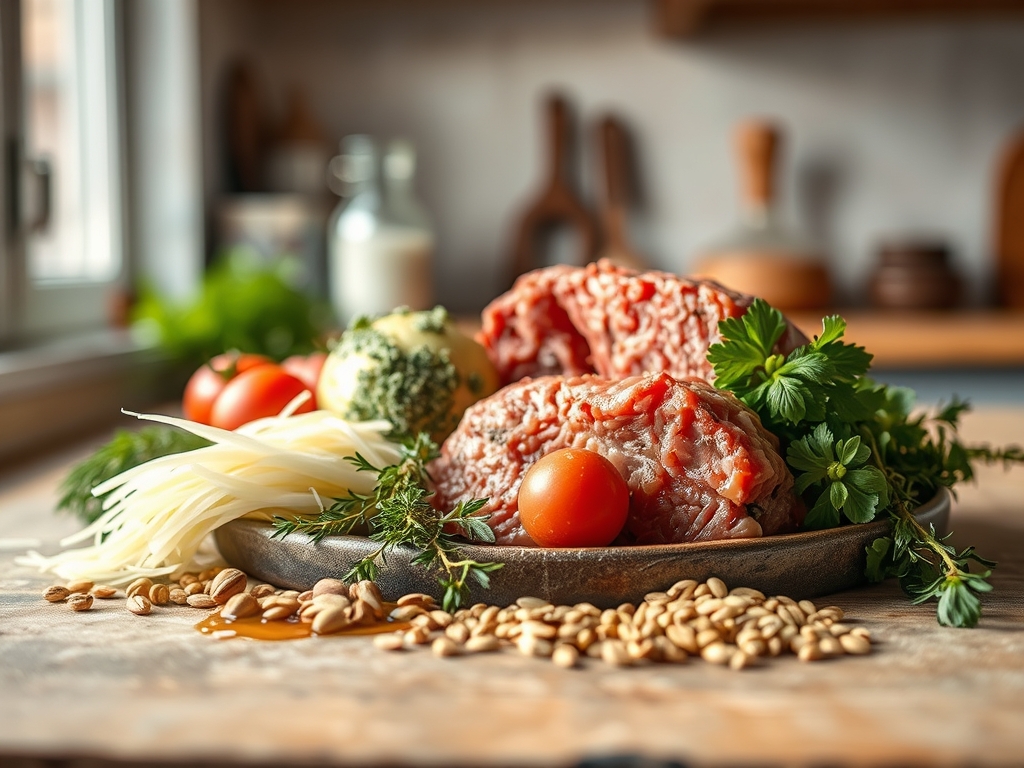
To achieve the perfect results shown in our round top beef recipes, your mise-en-place must be meticulous. Start with a three-pound top round roast, ideally one with a thin fat cap still attached to provide self-basting moisture. You will need coarse kosher salt; the large grains are essential for osmotic pressure, drawing moisture out and then reabsorbing it as a concentrated brine. Gather high-smoke-point oils like avocado or grapeseed oil to facilitate the Maillard reaction without scorching. For the aromatic base, you need smashed garlic cloves, fresh sprigs of rosemary, and cold unsalted butter for mounting the sauce.
Smart Substitutions: If you cannot find top round, a bottom round or eye of round works, though they are slightly leaner and require an extra twenty minutes of resting time. For a dairy-free finish, swap the butter for a viscous, high-quality extra virgin olive oil to emulsify your pan drippings. If you are avoiding sodium, use a piquant blend of mustard powder and ground porcini mushrooms to provide that "umami" hit without the salt load. Always use a digital scale to measure your aromatics; precision is the difference between a hint of garlic and an overwhelming pungency.
The Clock:
Efficiency in the kitchen is about the "Chef's Flow." This is the logical sequencing of tasks to minimize downtime. For these round top beef recipes, your total active time is only twenty minutes, but the passive time is where the magic happens.
- The Dry Brine: 2 to 24 hours (essential for protein denaturation).
- Tempering: 60 minutes (bringing the meat to room temperature prevents thermal shock).
- The Sear: 10 minutes (developing the crust).
- The Roast: 45 to 60 minutes (low and slow is the rule).
- The Rest: 20 minutes (allowing juices to redistribute).
By prepping your side dishes while the beef tempers, and deglazing your pan while the meat rests, you create a seamless transition from stove to table.
The Masterclass:
1. The Salt Standard
Begin by coating the beef liberally with kosher salt. Place it on a wire rack over a sheet pan and refrigerate uncovered. This allows air to circulate around the entire surface, drying the exterior for a superior sear.
Pro Tip: This is called dry-brining. The salt breaks down the tightly wound muscle proteins (myosin), allowing the meat to retain more moisture during the high-heat cooking process.
2. Tempering the Protein
Remove the beef from the fridge at least one hour before cooking. Use a paper towel to pat away any beads of moisture that have formed on the surface. A dry surface is the only way to achieve a deep mahogany crust.
Pro Tip: If the meat is cold when it hits the pan, the exterior will overcook and become "rubbery" before the center even begins to warm. This is due to the extreme temperature gradient.
3. The High-Heat Sear
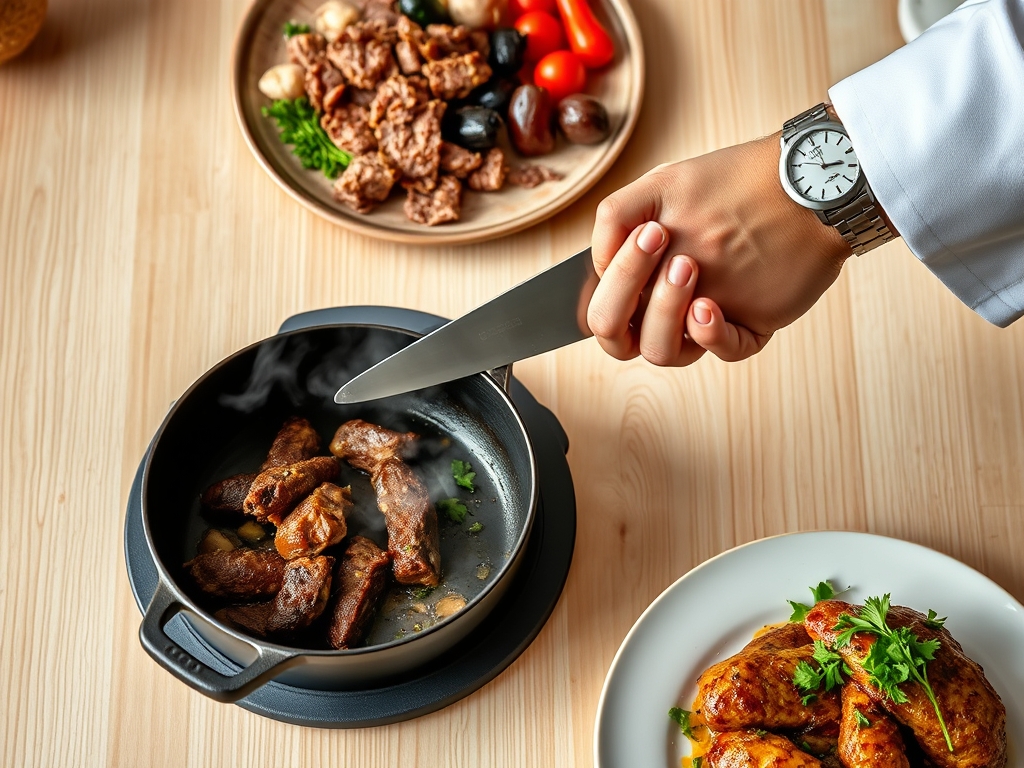
Heat your heavy-bottomed skillet until the oil shimmers. Use stainless steel tongs to press the beef into the pan. Do not move it for three minutes. Flip and repeat on all sides, including the ends.
Pro Tip: This triggers the Maillard reaction. It is not just "browning"; it is a chemical reaction between amino acids and reducing sugars that creates hundreds of different flavor compounds.
4. The Aromatic Infusion
Lower the heat slightly and toss in your smashed garlic and rosemary. Add a knob of butter. As it foams, use a large spoon to continuously baste the hot, flavored fat over the beef.
Pro Tip: Fat is a flavor carrier. By basting, you are "infusing" the exterior of the meat with fat-soluble volatile compounds from the herbs and garlic.
5. Precision Roasting
Transfer the skillet to a 300 degree Fahrenheit oven. Use a digital probe thermometer set to alert you when the internal temperature hits 125 degrees Fahrenheit for a perfect medium-rare.
Pro Tip: Low temperatures prevent the muscle fibers from contracting too violently. If the fibers squeeze shut like a wrung-out sponge, all the juice ends up in the pan instead of the meat.
6. The Deglaze
Once the beef is removed, the pan will have "fond" (browned bits) stuck to the bottom. Place the skillet back on the burner, add a splash of red wine or beef stock, and use a wooden spoon or bench scraper to lift those flavors.
Pro Tip: Deglazing uses a liquid to dissolve the caramelized proteins. This creates a deeply savory, viscous base for a pan sauce or jus.
7. The Resting Period
Move the beef to a warm cutting board. Do not tent it tightly with foil, as this will steam the crust and make it soggy. Let it sit undisturbed for twenty minutes.
Pro Tip: This allows for "thermal carryover." The internal temperature will rise another 5 to 7 degrees. More importantly, it allows the liquid inside the cells to re-gel, so it stays inside the meat when sliced.
8. The Carve
Using a very sharp slicing knife, cut the beef against the grain into paper-thin ribbons. The "grain" refers to the direction the muscle fibers run.
Pro Tip: By cutting across the fibers, you are mechanically shortening them. This makes the beef significantly easier to chew, creating a "melt-in-your-mouth" texture even from a lean cut.
The Deep Dive:
Macro Nutrition: Top round is a nutritional powerhouse. A 3.5-ounce serving contains roughly 30 grams of protein and only 6 grams of fat. It is rich in Vitamin B12, Zinc, and Selenium, making it an ideal choice for muscle recovery and metabolic health.
Dietary Swaps: For a Keto-friendly version, serve with a rich hollandaise sauce to increase the healthy fat content. For a Gluten-Free adaptation, ensure your deglazing liquid is a certified GF stock or wine. Vegan guests? While this recipe is beef-centric, you can apply the same "dry-brine" and "sear" logic to thick slabs of cauliflower or king oyster mushrooms using miso paste for umami.
The Fix-It:
- Tough Meat: You likely skipped the rest or cut with the grain. Slice it thinner and serve with a warm jus to soften the fibers.
- Gray Meat: Your pan wasn't hot enough. Next time, wait for the oil to reach its smoke point.
- Burnt Garlic: You added the aromatics too early. Always add them during the final stage of searing or right before the oven.
Meal Prep: To reheat without losing quality, slice the beef while cold. Place the slices in a shallow dish with a tablespoon of broth, cover with parchment paper, and warm in a 250 degree oven for 8 minutes. This gentle steaming prevents the proteins from tightening further.
The Wrap-Up:
You are now equipped with the technical prowess to turn a humble top round into a culinary event. By focusing on the science of heat transfer and protein structure, you have elevated your round top beef recipes from basic sustenance to gourmet fare. Remember: the secret is in the sear and the patience of the rest. Now, grab your tongs, fire up that skillet, and show that beef who is boss. Your kitchen is about to smell like a five-star steakhouse!
The Kitchen Table:
How do I make top round beef tender?
The key is a combination of dry-brining with kosher salt for at least two hours and slicing the finished roast very thinly against the grain. These two steps mechanically and chemically break down the tough muscle fibers.
What is the best temperature for top round?
For the best texture, aim for medium-rare. Pull the beef from the oven when the internal temperature reaches 125 degrees Fahrenheit. Carryover cooking will bring it to a perfect 130 to 135 degrees as it rests.
Can I cook top round in a slow cooker?
While you can, top round is very lean and can become "stringy" in a slow cooker. It is much better suited for high-heat searing followed by a low-temperature roast to preserve its moisture and structure.
Why is my beef dry after roasting?
Dryness usually occurs from overcooking or failing to let the meat rest. Without a twenty-minute rest, the internal juices escape immediately upon slicing, leaving the muscle fibers parched and chewy. Always use a digital thermometer for accuracy.