
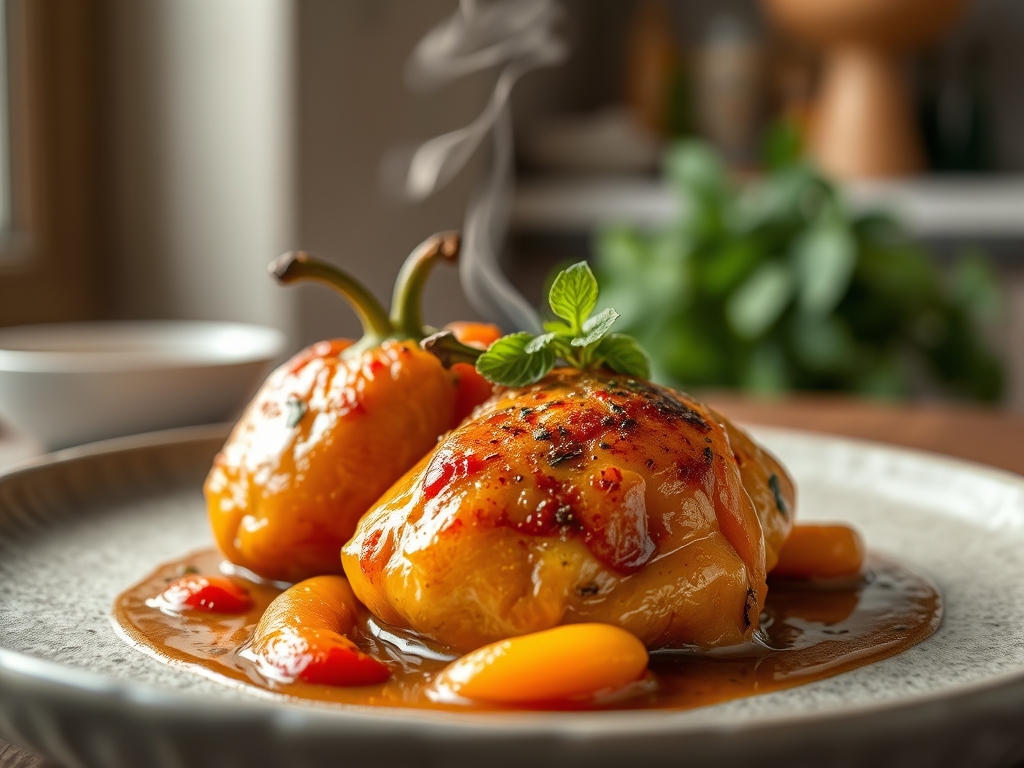
Picture the sound of a heavy bottomed skillet hitting the burner; a resonant, metallic ring that signals the start of something spectacular. As the flame licks the steel, the air begins to transform. First, it is the scent of cold-pressed olive oil reaching its shimmer point. Then, the sharp, sulfurous bite of minced garlic hits the heat. But the real magic happens when you introduce the vibrant, architectural crunch of sliced capsicums to the pan. If you are searching for the ultimate chicken recipes bell peppers collection, you have stumbled into the right kitchen. This is not just about sustenance; it is about the intersection of high-heat chemistry and plate aesthetics. We are looking for that perfect Maillard reaction on the poultry and the precise moment a pepper softens without losing its structural integrity. It is a delicate dance of timing and temperature that turns a few humble refrigerator staples into a weeknight masterpiece. Grab your favorite apron and a glass of something crisp; we are about to turn your stove into a laboratory of flavor.
The Gathers:
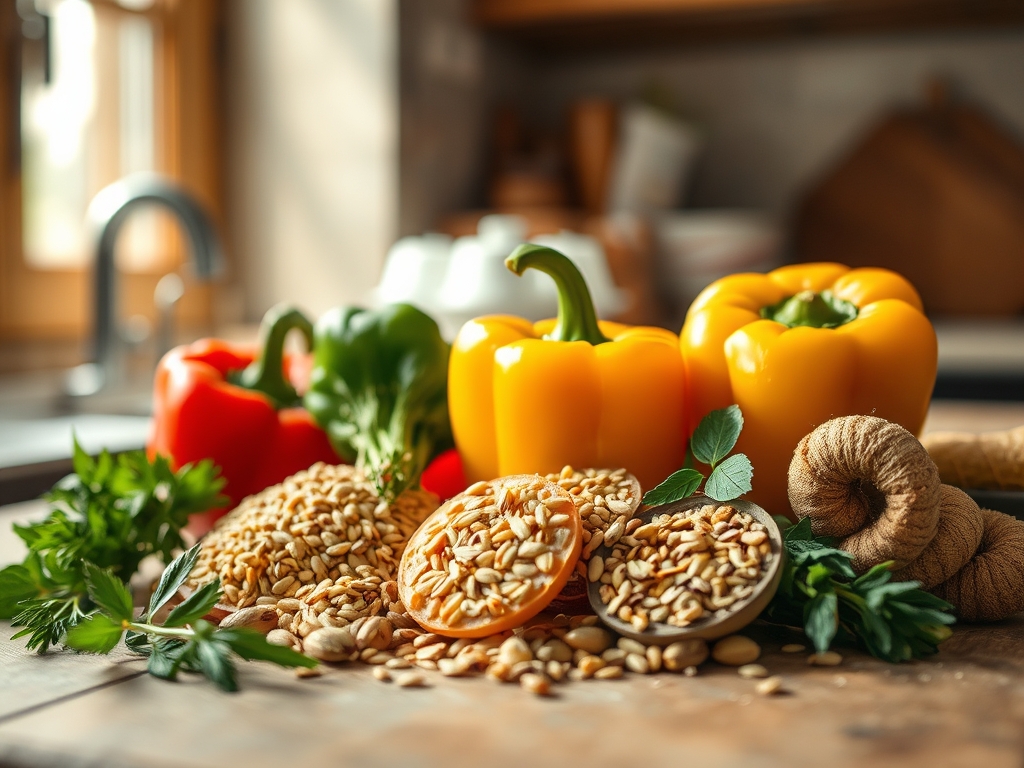
To execute these ten variations of chicken recipes bell peppers, your mise-en-place must be impeccable. Start with the protein: six to eight ounces of organic chicken breast or thigh per person. Thighs offer more intramuscular fat, which renders down into a viscous, silky pan sauce, while breasts require a more delicate touch to avoid desiccation. Next, curate a spectrum of bell peppers. Red and orange varieties contain higher concentrations of lycopene and natural sugars, which caramelize beautifully under direct heat. Green peppers provide a piquant, slightly bitter counterpoint that cuts through the richness of the meat.
Your secondary players include aromatics like shallots, which offer a more sophisticated flavor profile than standard yellow onions, and fresh herbs like Thai basil or flat-leaf parsley. For your pantry pulls, ensure you have a high-quality sea salt, cracked black peppercorns, and a deglazing liquid; either a dry white wine or a low-sodium chicken bone broth.
Smart Substitutions:
If you find yourself lacking a specific ingredient, do not panic. Swap chicken for firm tofu or seitan to keep the texture consistent in vegetarian adaptations. If bell peppers are out of season, pimientos or roasted piquillo peppers from a jar offer a concentrated, smoky sweetness. For those avoiding nightshades altogether, thinly sliced fennel bulbs provide a similar structural crunch and a delightful anise-forward aroma when sautéed.
The Clock: Timing Your Flow
Efficiency in the kitchen is born from understanding the "Chef's Flow." For most chicken recipes bell peppers, you are looking at a total commitment of 35 to 45 minutes. Preparation takes about 15 minutes; this includes the precise dicing of aromatics and the slicing of chicken into uniform strips to ensure even thermal distribution.
The cooking phase is split into two distinct windows. The first ten minutes are dedicated to searing the protein to achieve a golden-brown crust. The final ten to fifteen minutes involve the "marriage" phase, where the peppers are introduced and the sauce is emulsified. Professional tip: always allow your chicken to rest for five minutes after cooking. This allows the muscle fibers to relax and reabsorb the juices, ensuring every bite is succulent rather than stringy.
The Masterclass:
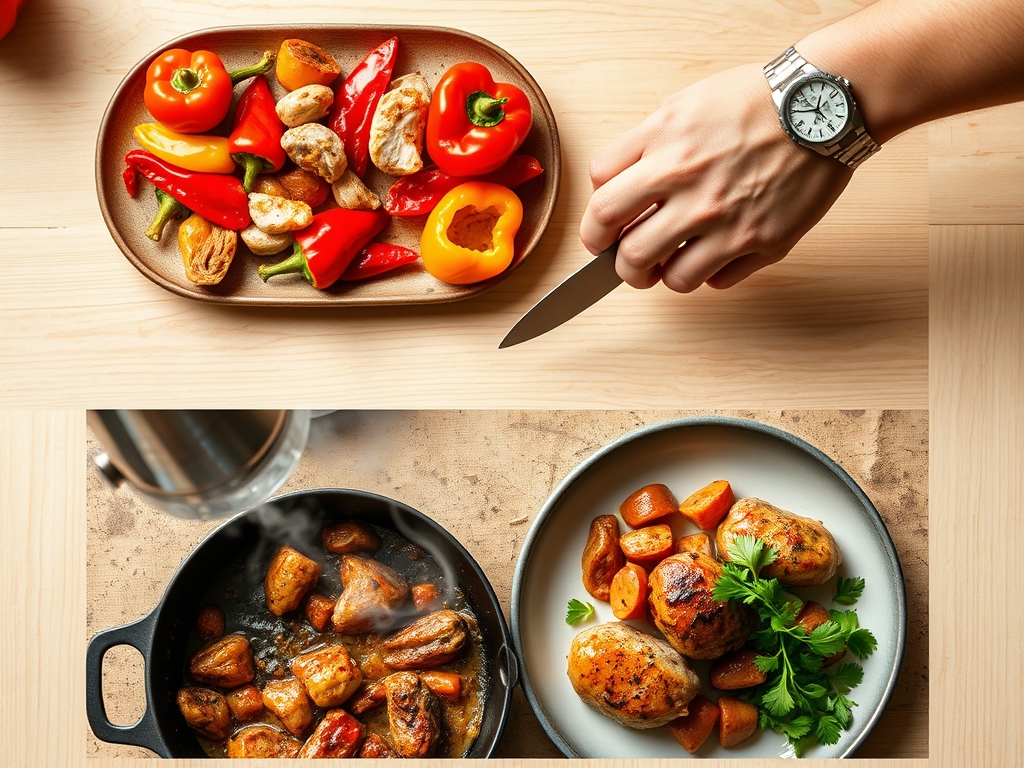
1. The High-Heat Sear
Using a heavy-bottomed skillet or a cast-iron pan, heat your oil until it reaches the smoke point. Pat your chicken dry with paper towels; moisture is the enemy of the Maillard reaction. Place the chicken in the pan and leave it undisturbed for three minutes.
Pro Tip: This is the science of protein denaturation. Moving the meat too early prevents the formation of a crust, leading to "gray meat" syndrome. The crust is actually a complex series of chemical reactions between amino acids and reducing sugars.
2. Sautéing the Capsicum Spectrum
Remove the chicken and set it aside. Toss your sliced peppers into the residual rendered fat. Use a wooden spoon or a bench scraper to move them constantly. You want the edges to char slightly while the centers remain "al dente."
Pro Tip: This stage utilizes pyrolysis, where the natural sugars in the peppers break down into hundreds of new flavor compounds. Keeping the heat high ensures the peppers do not "stew" in their own released water.
3. Deglazing the Fond
Pour your liquid of choice into the hot pan. Use your spatula to scrape up the brown bits stuck to the bottom. This is the "fond," and it contains the most concentrated flavor of the entire dish.
Pro Tip: Deglazing is a lesson in solubility. The alcohol or acid in your liquid dissolves the caramelized proteins, incorporating them into a rich, complex sauce that coats the chicken and peppers.
4. The Final Emulsification
Return the chicken to the pan and add a cold pat of butter or a splash of heavy cream. Stir vigorously over medium heat until the sauce becomes glossy and coats the back of a spoon.
Pro Tip: This creates an emulsion, where fat and water-based liquids are forced to bond. The agitation breaks the fat into tiny droplets that are suspended in the sauce, providing a luxurious mouthfeel.
The Deep Dive:
When we look at the macro-nutrition of chicken recipes bell peppers, we see a powerhouse of efficiency. A standard serving provides approximately 35 grams of lean protein and 100% of your daily Vitamin C requirement, thanks to the peppers. For those on specific paths, this dish is a chameleon. Keto followers should lean heavily into chicken thighs and olive oil, while Paleo enthusiasts can swap the deglazing wine for apple cider vinegar.
The Fix-It: Common Pitfalls
- Soggy Peppers: This happens when the pan is overcrowded. Cook in batches to allow steam to escape.
- Dry Chicken: Usually the result of overcooking. Use a digital thermometer to pull the chicken at 160 degrees Fahrenheit; carryover cooking will bring it to the safe 165 mark.
- Bland Sauce: You likely missed the deglazing step. Add a squeeze of lemon juice or a teaspoon of Dijon mustard at the end to brighten the flavors.
Meal Prep Science:
If you are prepping for the week, undercook your peppers slightly. When you reheat the dish in the microwave or a saucier, the secondary heat will finish the cooking process without turning the vegetables into mush. Store the sauce separately if possible to maintain the chicken's texture.
The Wrap-Up:
Mastering chicken recipes bell peppers is like learning a favorite song on the guitar; once you have the chords down, you can improvise forever. Whether you add soy sauce and ginger for an Asian flair or cumin and lime for a fajita vibe, the core principles remain the same. It is about heat management, quality ingredients, and the confidence to let the pan do the work. Now, go forth and sauté with authority!
The Kitchen Table:
How do I keep bell peppers crunchy in a stir-fry?
To maintain crunch, flash-fry peppers over high heat for no more than three minutes. Remove them from the pan immediately once the skins blister. The residual heat will finish the softening process without compromising the vegetable's structural integrity.
What is the best cut of chicken for bell pepper dishes?
Chicken thighs are superior for beginners because their higher fat content prevents them from drying out during high-heat sautéing. However, chicken breasts are excellent if you use a meat thermometer and slice them against the grain for maximum tenderness.
Can I use frozen peppers for these recipes?
Frozen peppers are best reserved for soups or stews. Because freezing breaks down the cellular walls of the vegetable, they will release excess water and become soft when sautéed. For a crisp texture, always opt for fresh, firm peppers.
How do I prevent my chicken from sticking to the pan?
Ensure your skillet is properly preheated before adding oil. Once the oil shimmers, add the chicken and do not move it. The meat will naturally "release" from the pan once a proper sear has formed on the surface.