
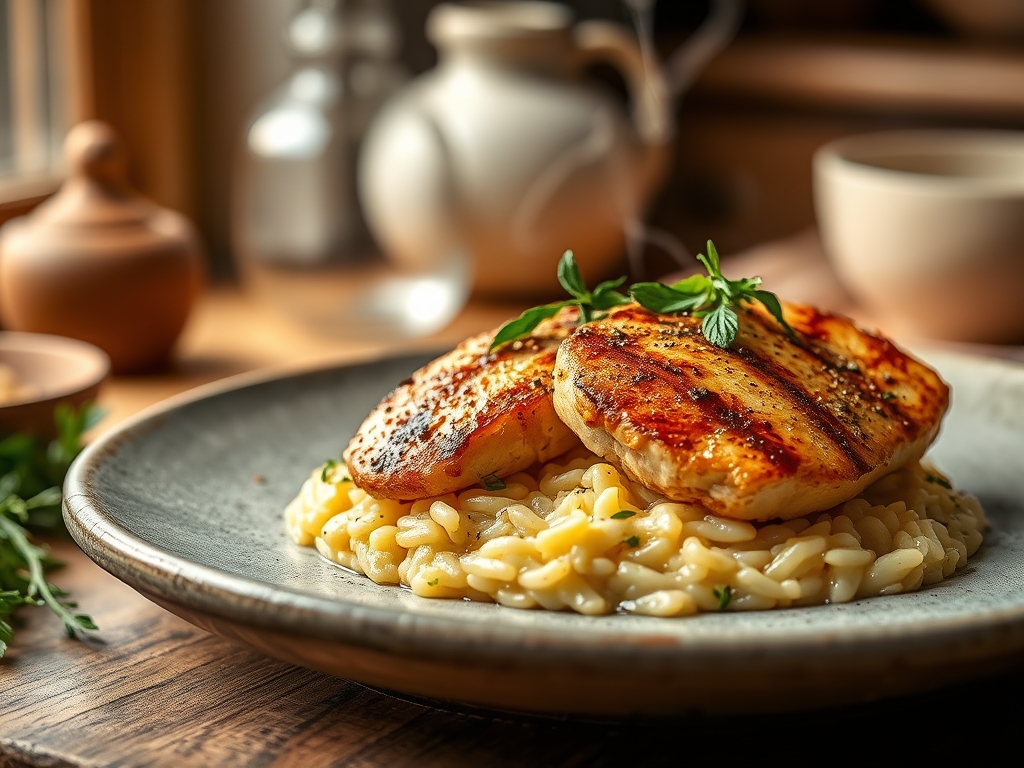
Picture the steam rising in lazy, fragrant ribbons from a heavy ceramic bowl. There is a specific kind of alchemy that happens when short grain rice meets a slow trickle of golden stock. It is not just dinner; it is a tactile experience of patience and starch. When you search for risotto chicken recipes, you are usually looking for that elusive balance of a velvet sauce and a bite that resists just enough. This is the ultimate comfort food, transformed from a simple starch into a sophisticated masterpiece through the magic of emulsification.
Most people assume risotto is a high-stress endeavor that requires an Olympic athlete's arm for stirring. In reality, it is a lesson in thermodynamics. We are going to take humble chicken thighs and arborio rice and turn them into a dish that feels like a warm hug from a Michelin-starred chef. Whether you are cooking for a quiet Tuesday or hosting a dinner party that needs a showstopper, mastering this technique will change your kitchen game forever. We are looking for a texture that is "all'onda," which is Italian for "wavy." It should flow like lava across the plate, not sit in a stiff clump. Let us get your mise-en-place ready and dive into the molecular beauty of the perfect grain.
The Gathers:
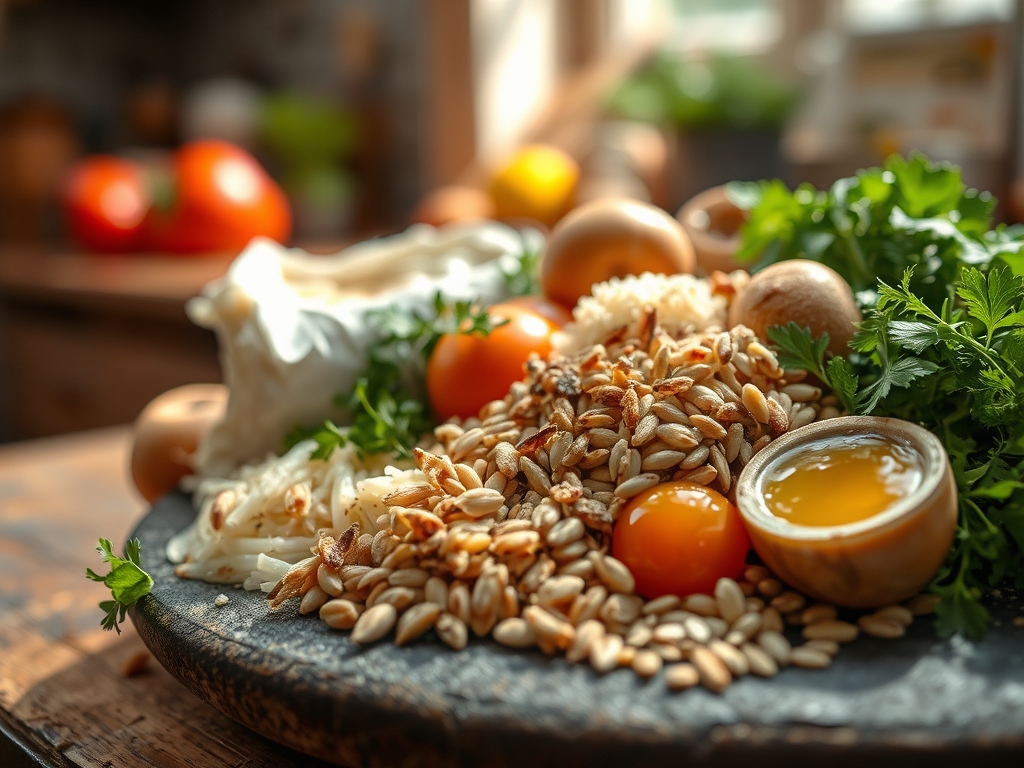
To achieve the perfect consistency, your ingredients must be at the correct temperature and quality. We start with Arborio or Carnaroli rice. These varieties are high in amylopectin, a starch that releases during the agitation of stirring to create a natural, viscous sauce without needing excessive cream. For the protein, we use boneless, skinless chicken thighs. Thighs contain more connective tissue and fat than breasts, meaning they remain succulent even after the Maillard reaction occurs during the initial sear.
You will need a high-quality chicken bone broth. Unlike standard stock, bone broth is rich in gelatin, which provides a luxurious mouthfeel. Our aromatics include shallots (for a delicate, piquant base) and fresh garlic. For the finishing touches, grab a block of aged Parmigiano-Reggiano and cold, unsalted butter. The coldness of the butter is vital; it helps create a stable emulsion during the final "mantecatura" phase.
Smart Substitutions:
If you cannot find Arborio, Vialone Nano is a professional alternative that absorbs liquid even more efficiently. For a dairy-free version, swap the butter for a high-quality extra virgin olive oil and use nutritional yeast to mimic the umami of the cheese. If you are looking to brighten the flavor profile, a splash of dry Vermouth works wonders in place of traditional white wine, offering a more complex herbal note to the finished dish.
The Clock
Prep Time: 15 Minutes
Cook Time: 30 to 35 Minutes
Total Time: 50 Minutes
The "Chef's Flow" is all about heat management. While the prep time seems short, the success of risotto chicken recipes depends on having your stock simmering on a back burner before the first grain of rice even touches the pan. If you add cold stock to hot rice, you shock the grain and seize the starch, resulting in a chalky center. Spend your prep time finely dicing the shallots with a sharp chef's knife and grating your cheese with a microplane to ensure it melts instantly into the sauce.
The Masterclass
1. Sear and Render the Chicken
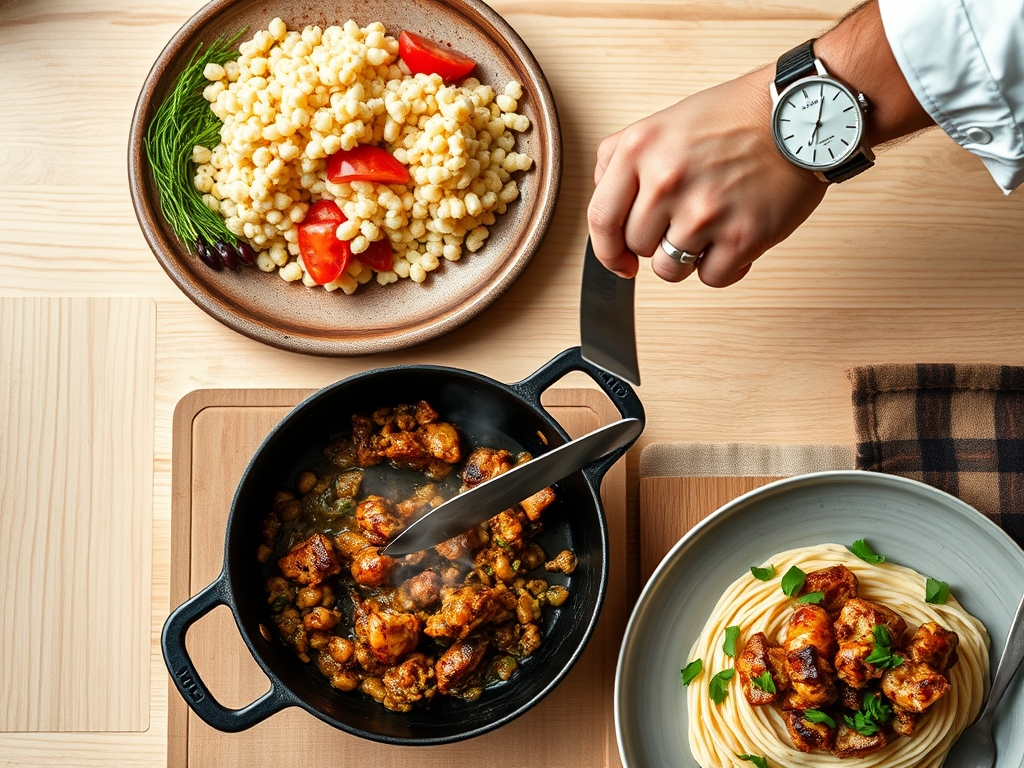
Pat the chicken dry with paper towels to remove surface moisture. Season heavily with kosher salt. Heat a heavy-bottomed skillet or a wide saucier over medium-high heat with a tablespoon of olive oil. Use tongs to lay the chicken in the pan, searing until a deep golden crust forms. Remove the chicken when it is about 90 percent cooked through.
Pro Tip: This is the Maillard reaction in action. By browning the meat first, you create complex flavor compounds that cannot be achieved by boiling. The thermal carryover will finish cooking the chicken once it is added back to the hot rice later.
2. Sauté the Aromatics
Lower the heat to medium and add the finely minced shallots to the rendered chicken fat. Use a bench scraper to clear your cutting board and move the aromatics to the pan. Sauté until translucent but not browned. Add the garlic in the last 30 seconds to prevent the sulfurous compounds from turning bitter.
Pro Tip: Sweating the aromatics at a lower temperature allows the sugars to break down slowly, creating a sweet base that balances the salty parmesan.
3. The Tostatura (Toasting the Rice)
Add the dry rice directly to the pan with the aromatics. Stir constantly for two minutes until the edges of the grains become translucent while the center remains white. You should smell a nutty aroma.
Pro Tip: Toasting the rice creates a protective starch shell around each grain. This prevents the rice from becoming "mushy" and ensures each grain remains distinct within the creamy sauce, a process known as dextrinization.
4. Deglaze and Infuse
Pour in half a cup of dry white wine (like Pinot Grigio). Use a wooden spoon to scrape up the "fond," which are the brown bits stuck to the bottom of the pan. Stir until the liquid is almost entirely absorbed.
Pro Tip: Deglazing releases the concentrated flavors from the seared chicken back into the rice. The acidity in the wine also helps break down the rice's surface starch more effectively.
5. The Gradual Hydration
Begin adding the simmering stock one ladle at a time. Stir frequently but not constantly. Wait until the liquid has been mostly absorbed before adding the next ladle. This is where the magic happens; the mechanical action of the rice grains rubbing against each other releases the starch into the broth.
Pro Tip: This is called starch gelatinization. By adding liquid slowly, you maintain a high concentration of starch in the remaining liquid, which creates that signature "creaminess" without the need for heavy cream.
6. The Mantecatura (The Finish)
Once the rice is al dente, remove the pan from the heat. Stir in the seared chicken, a knob of cold butter, and the grated parmesan. Cover the pan and let it sit for two minutes. Give it one final, vigorous stir to aerate the sauce.
Pro Tip: This final rest allows the temperature to stabilize, ensuring the fats from the butter and cheese form a permanent emulsion with the starchy broth rather than breaking and becoming greasy.
The Deep Dive
Macro Nutrition:
A standard serving of this creamy chicken risotto provides approximately 450 calories, 28 grams of protein, 45 grams of carbohydrates, and 15 grams of fat. It is a balanced meal that provides sustained energy through complex carbohydrates and high-quality protein.
Dietary Swaps:
For a Keto version, replace the rice with riced cauliflower; however, you will need to add a splash of heavy cream or xanthan gum to mimic the starch. For Vegan diners, use a rich mushroom broth and substitute the butter with a cashew-based cream. This recipe is naturally Gluten Free, provided your chicken stock is certified.
The Fix-It:
- Too Crunchy: If you run out of stock but the rice is still hard, use hot water. Never add cold liquid.
- Too Soupy: Increase the heat slightly and stir vigorously for 60 seconds. The agitation will release more starch to thicken the sauce.
- Too Salty: Add a squeeze of fresh lemon juice. The acid cuts through the sodium and brightens the entire profile.
Meal Prep & Reheating:
Risotto is notorious for thickening in the fridge as the starch sets. To reheat, add a splash of water or broth to the bowl before microwaving or heating on the stove. This re-hydrates the starch molecules, returning the dish to its original "all'onda" state.
The Wrap-Up
Mastering risotto chicken recipes is a rite of passage for any home cook. It teaches you the importance of heat control, the chemistry of starch, and the beauty of slow cooking. This dish is more than the sum of its parts; it is a creamy, savory reward for thirty minutes of mindful stirring. Now, grab your favorite wide bowl, a glass of that leftover wine, and enjoy the most comforting meal in your repertoire.
The Kitchen Table
Can I use brown rice for this recipe?
Brown rice has the bran layer intact, which prevents the release of starch. While you can cook it similarly, it will never achieve the creamy, emulsified texture of traditional Arborio rice. It will remain grainy rather than velvet.
Why is my risotto sticky instead of creamy?
Stickiness usually results from over-stirring or using the wrong rice. If you stir too aggressively, you break the grains. Use a gentle folding motion with a wooden spoon to release starch without damaging the structural integrity of the rice.
Do I really need to use warm stock?
Yes. Adding cold stock drops the temperature of the pan, halting the cooking process and preventing the starch from releasing properly. Simmering stock ensures a consistent cook and a much better final texture for the rice.
How do I know when the rice is perfectly cooked?
The rice should be "al dente," meaning it has a slight firm bite in the center but is not crunchy. It should be surrounded by a thick, flowing sauce that coats the back of a spoon.