
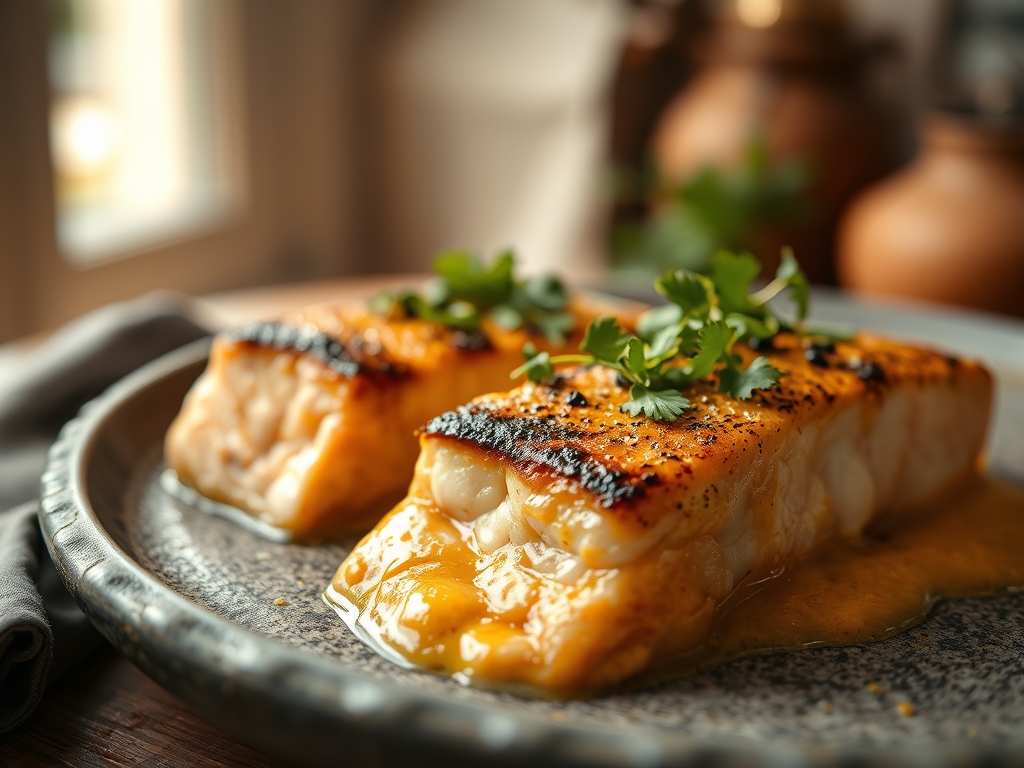
Imagine the sound of cold, fatty salmon skin hitting a blazing hot cast iron skillet. That rhythmic sizzle is the sound of the Maillard reaction in motion; it is the chemical transformation of amino acids and sugars into a golden, savory crust. We are about to elevate your weeknight rotation with coconut curry salmon recipes that bridge the gap between high-end bistro quality and soulful home cooking. The aroma of toasted cumin and blooming ginger will fill your kitchen, cutting through the rich, tropical scent of reducing coconut milk. This is not just a meal; it is a masterclass in balancing the five basic tastes. We are chasing the perfect harmony of salt, fat, acid, heat, and that elusive hit of umami. Grab your favorite apron and a glass of crisp white wine because we are diving deep into the molecular magic that makes this dish a repeat offender in the best way possible.
The Gathers:
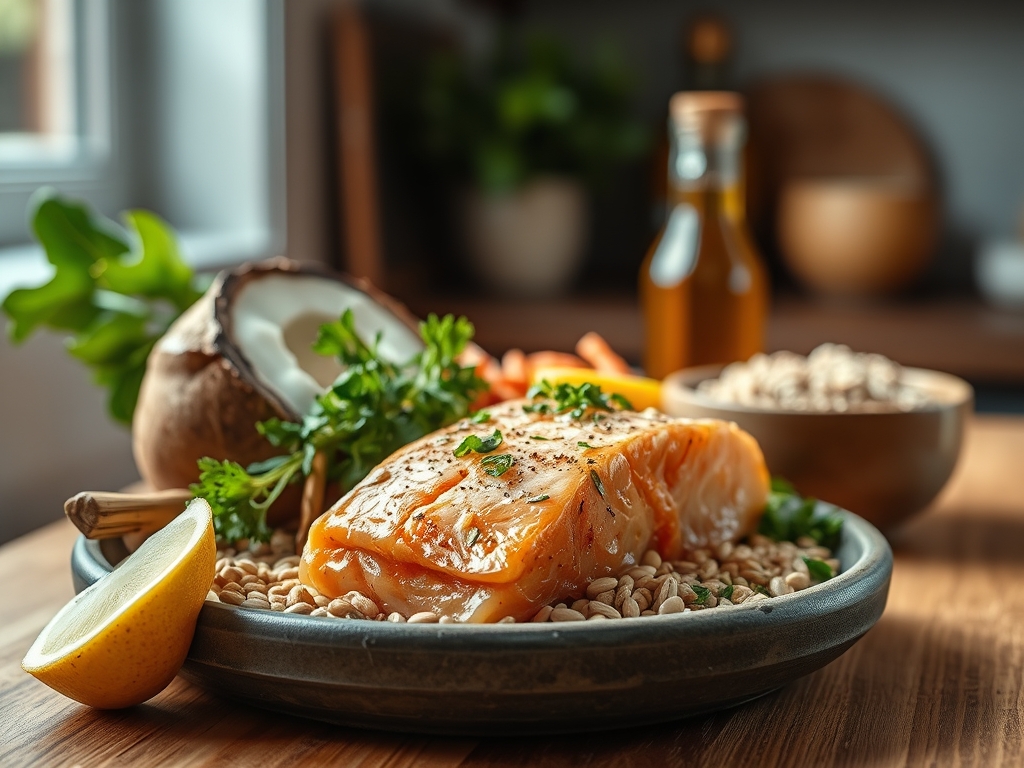
Before we light the burner, we must respect the mise-en-place. For the protein, you want center-cut fillets; they offer a uniform thickness that ensures even thermal distribution. Look for wild-caught options with vibrant intramuscular fat, which provides a more viscous mouthfeel once the lipids begin to render. Our aromatics are the backbone here. You will need fresh ginger root and garlic cloves, which we will aerate using a microplane to maximize surface area and flavor release.
The curry base requires a high-quality red or yellow paste. Check the label for shrimp paste or galangal; these provide the piquant depth that defines the dish. For the liquid gold, use full-fat canned coconut milk. The high fat content is essential for emulsification, preventing the sauce from breaking when we introduce acidic components later.
Smart Substitutions: If you are out of fresh ginger, a pinch of ground galangal works in a pinch, though the flavor profile shifts toward the earthy side. No fish sauce? Use a splash of soy sauce or a pinch of sea salt mixed with a drop of Worcestershire sauce to mimic that fermented umami punch. If you prefer a milder heat, swap the red curry paste for a yellow variety, which relies more on turmeric and coriander than dried red chilies.
The Clock:
Efficiency in the kitchen is all about the "Chef's Flow." Total active prep time is approximately 15 minutes, while the cooking phase spans 20 minutes. We begin by prepping the aromatics while the skillet preheats. This allows the salmon to reach room temperature, preventing a "thermal shock" that causes the protein fibers to contract and push out moisture.
The flow is simple: sear, sauté, simmer. By the time your rice or grains have finished steaming, your salmon will be resting, allowing the juices to redistribute. This 35-minute window is the sweet spot for a high-density nutritional meal that feels like it took hours of slow simmering.
The Masterclass:
1. The Sear and Skin Prep
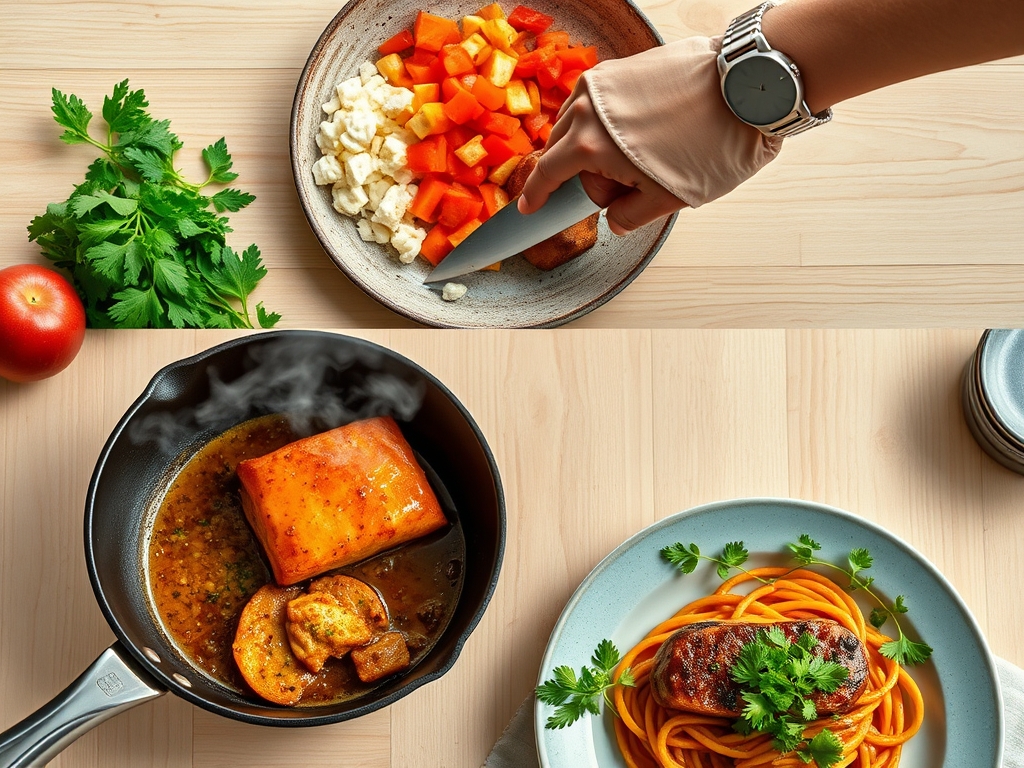
Pat your salmon fillets bone-dry with a paper towel. Moisture is the enemy of a crisp crust. Season liberally with kosher salt. Heat a heavy-bottomed skillet over medium-high heat with a high-smoke-point oil like avocado oil. Place the fish skin-side down and press gently with a fish spatula for 30 seconds.
Pro Tip: This initial pressure prevents the skin from curling. The science here is protein denaturation; as the heat hits the collagen in the skin, it shrinks. Pressing it flat ensures even contact for a shattered-glass texture.
2. Blooming the Aromatics
Remove the salmon when it is 70 percent cooked and set it aside. In the same pan, toss in your minced ginger, garlic, and shallots. Use a wooden spoon to scrape up the fond (those tasty brown bits) left by the fish.
Pro Tip: This is called blooming. Heating spices and aromatics in fat releases fat-soluble flavor compounds that water-based liquids cannot extract. It creates a multidimensional flavor base.
3. Creating the Emulsion
Add your curry paste to the fat and stir until it darkens slightly. Slowly pour in the full-fat coconut milk while whisking. Bring the mixture to a gentle simmer, not a rolling boil.
Pro Tip: Maintaining a simmer prevents the coconut milk from "breaking." If the temperature gets too high, the fat globules separate from the water, resulting in a greasy sauce rather than a viscous, creamy one.
4. The Flavor Balance
Stir in a tablespoon of fish sauce and a squeeze of lime juice. This is where you balance the pH of the dish. The acidity of the lime cuts through the heavy lipids of the coconut milk and the fatty fish.
Pro Tip: This is the principle of acid-fat contrast. Acid brightens the palate, making the rich flavors feel lighter and more vibrant.
5. The Gentle Poach
Slide the salmon back into the sauce, skin-side up to keep it crispy. Let it gently poach for another 3 to 4 minutes until the internal temperature reaches 125 degrees Fahrenheit.
Pro Tip: We are utilizing carryover cooking. The internal temperature will rise about 5 degrees after you remove it from the heat. This prevents the albumin (that white gunk) from pushing out of the muscle fibers.
6. The Herb Infusion
Turn off the heat and fold in fresh cilantro or Thai basil. The residual heat is enough to wilt the herbs without destroying their delicate volatile oils.
Pro Tip: Herbs like cilantro are highly sensitive to heat. Adding them at the end preserves their enzymatic freshness and bright green color.
7. Deglazing the Pan
If your sauce has reduced too much, add a tablespoon of chicken stock or water to deglaze the pan and loosen the sauce back to a coating consistency.
Pro Tip: A perfect sauce should pass the "nappe" test; it should coat the back of a spoon and hold a line when you run your finger through it.
8. Resting the Protein
Transfer the fillets to a warm plate and let them rest for three minutes before serving.
Pro Tip: Resting allows the muscle fibers to relax and reabsorb the internal juices. If you cut into it too soon, the moisture will flood the plate, leaving the fish dry.
9. The Final Garnish
Top with toasted sesame seeds or sliced red chilies for a textural contrast.
Pro Tip: Texture is a sensory "reset." Adding a crunch against the soft fish and creamy sauce keeps the palate engaged and prevents "palate fatigue."
The Deep Dive:
From a macro perspective, this dish is a powerhouse. You are looking at roughly 35 grams of high-quality protein and a significant dose of Omega-3 fatty acids, which are essential for brain health. The coconut milk provides medium-chain triglycerides (MCTs), which offer a quick energy source.
Dietary Swaps: For a Keto version, serve this over cauliflower rice or zoodles. If you are going Vegan, swap the salmon for extra-firm pressed tofu or roasted cauliflower steaks and use a vegan-certified curry paste. This recipe is naturally Gluten-Free, provided your curry paste does not use wheat-based thickeners.
The Fix-It:
- Broken Sauce: If your sauce looks curdled, whisk in a teaspoon of warm water or an extra splash of coconut milk to re-emulsify the fats.
- Soggy Skin: This usually happens if the pan wasn't hot enough. Next time, wait for the oil to shimmer and wisps of smoke to appear.
- Bitter Aftertaste: This occurs if the garlic burns. If your garlic turns dark brown, it is best to wipe the pan and start the aromatics over.
Meal Prep: To reheat, avoid the microwave. The high-frequency waves will turn the salmon into rubber. Instead, place the salmon and sauce in a small covered pan over low heat with a splash of water to create steam. This gently re-hydrates the protein.
The Wrap-Up:
You have officially mastered the art of the coconut curry salmon. By understanding the science of the sear and the chemistry of the emulsion, you have turned a simple set of ingredients into a restaurant-quality masterpiece. This dish is vibrant, comforting, and technically sound. Go ahead and plate it up with pride; your kitchen now smells like a five-star destination.
The Kitchen Table:
How do I store leftover coconut curry salmon?
Place leftovers in an airtight glass container for up to two days. Glass is preferable as it does not retain the strong odors of the curry spices. Always store the sauce and fish together to keep the protein moist.
Can I use frozen salmon for this recipe?
Yes, but ensure it is completely thawed and patted dry. Frozen fish often contains extra moisture, which can hinder the searing process. Thaw it in the refrigerator overnight for the best texture and safety.
What is the best way to prevent salmon from sticking?
Ensure your skillet is properly preheated before adding oil. Once the oil is shimmering, add the fish. Do not attempt to flip or move the salmon until it naturally releases from the pan surface through the Maillard reaction.
Is full-fat coconut milk necessary for the sauce?
Full-fat milk provides the necessary lipids for a stable emulsion. Low-fat versions often contain thickeners like guar gum which can create a gummy texture when heated. For a truly creamy, professional finish, stick with the full-fat cans.