
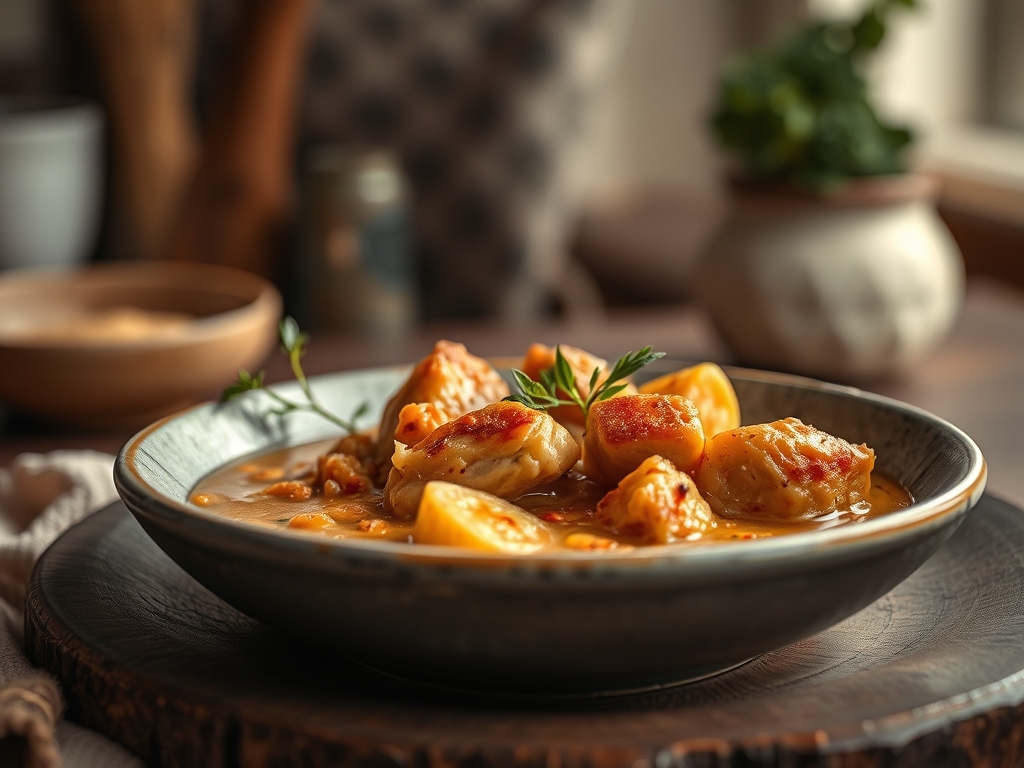
The smell of bubbling cream and savory herbs hitting a hot pan is the ultimate olfactory hug. When life gets chaotic, there is a specific kind of magic in campbell soup with chicken recipes that transforms a pantry staple into a five star comfort meal. We are not just talking about opening a can; we are talking about using these concentrated bases as a sophisticated culinary cheat code. By leveraging the pre-emulsified fats and stabilized starches in the soup, you create a velvety texture that would take hours to achieve from scratch. Think of it as a liquid roux that is already seasoned to perfection. Whether you are craving a crispy pot pie or a zesty buffalo chicken pasta, these recipes rely on the science of moisture retention to keep your poultry succulent. We are going to dive deep into the chemistry of flavor layering, ensuring that every bite is a masterclass in texture and heat distribution. Grab your favorite heavy bottomed skillet and let us turn these humble cans into the centerpiece of your dining table with speed and style.
The Gathers:
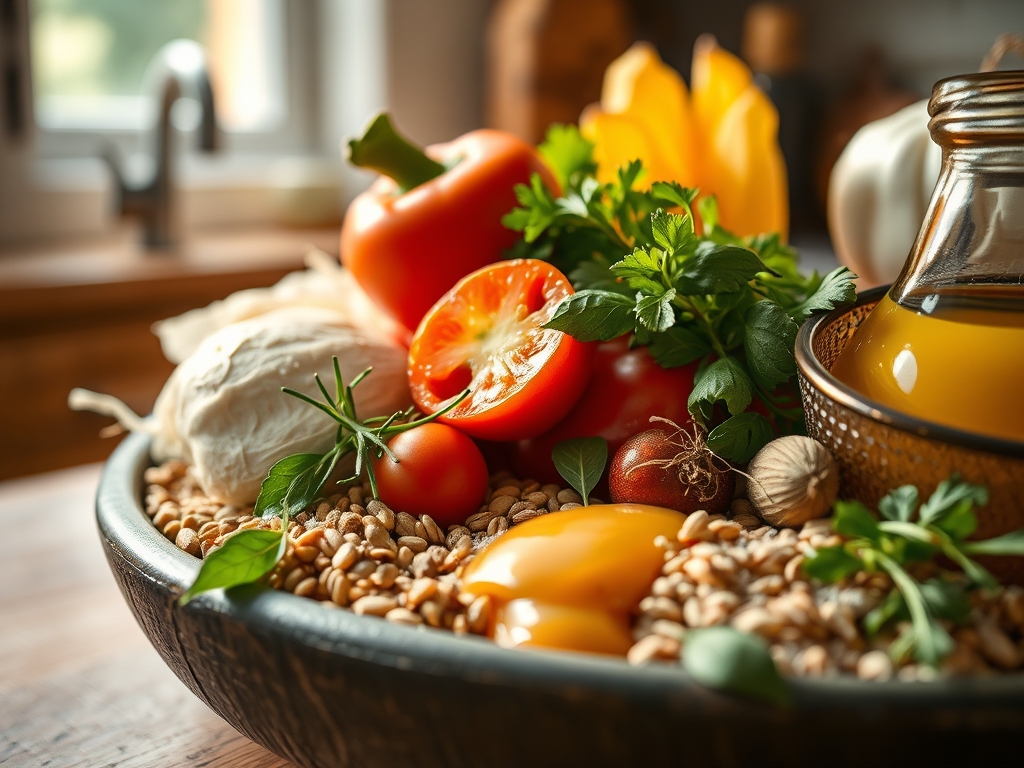
To execute these campbell soup with chicken recipes with precision, your mise en place must be impeccable. Start with high quality protein; I recommend organic chicken thighs for their higher fat content and resistance to overcooking. You will need a variety of Campbell's bases, specifically Cream of Chicken, Cream of Mushroom, and the zesty Cheddar Cheese varieties. These act as your hydrocolloids, stabilizing the sauce so it does not break under high heat.
Your aromatics are the soul of the dish. Have a pile of finely diced shallots and garlic ready to be processed through a microplane for maximum surface area release. For the "Smart Substitutions," if you are out of heavy cream, use a dollop of Greek yogurt for a piquant tang, or swap traditional flour noodles for chickpea pasta to increase the protein density. Always keep a bottle of dry white wine, like a Sauvignon Blanc, nearby to deglaze the pan and lift those caramelized bits of "fond" from the bottom.
The Clock:
Efficiency in the kitchen is all about the "Chef's Flow." Most of these dishes require a 15 minute prep window and a 30 to 40 minute cook time. While your oven preheats to 375 degrees Fahrenheit, use that time to sear your chicken. This is not just for color; it is for the Maillard reaction, which creates complex flavor molecules.
The flow works like this: Prep your vegetables while the pan heats. Sear the meat, then set it aside to rest on a wire rack to prevent the bottom from becoming soggy. While the meat rests, build your sauce in the same pan to capture every ounce of flavor. By the time your sauce has reached the desired viscous consistency, your chicken is ready to be sliced and folded back in. This overlapping schedule ensures that no component sits idle for too long, preserving the structural integrity of your ingredients.
The Masterclass:
1. The Perfect Sear
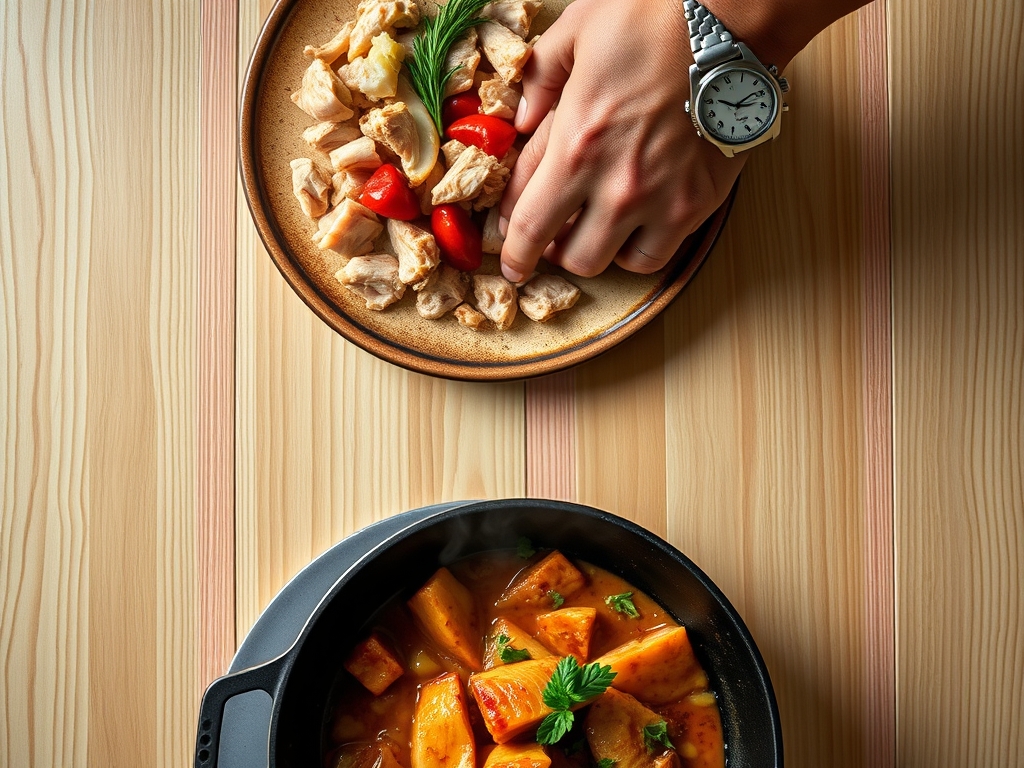
Heat your heavy-bottomed skillet over medium high heat until a drop of water dances on the surface. Pat your chicken dry with paper towels to remove surface moisture. Place the chicken skin side down and do not move it for at least four minutes.
Pro Tip: This technique utilizes conduction to render the subcutaneous fat, resulting in a crispy exterior while the interior remains moist. Moving the meat too early prevents the proteins from properly detaching from the metal surface.
2. Deglazing the Fond
Once the chicken is removed, you will see brown bits stuck to the pan. Pour in half a cup of chicken stock or white wine. Use a wooden spatula or bench scraper to vigorously rub the bottom of the pan as the liquid bubbles.
Pro Tip: This process is called deglazing. The alcohol or acid in the liquid dissolves the caramelized proteins, incorporating deep, savory notes into your campbell soup with chicken recipes that cannot be replicated by salt alone.
3. Emulsifying the Sauce
Lower the heat and whisk in your Campbell's soup. Add your liquid (milk or broth) slowly, whisking constantly to aerate the mixture and ensure a smooth transition between the thick soup base and the thinning agent.
Pro Tip: Keeping the heat low prevents the milk proteins from denaturing too quickly. A slow emulsion creates a stable colloidal suspension, which gives the sauce its signature silky mouthfeel.
4. Layering the Aromatics
Fold in your herbs and spices at the very end of the simmering process. Use a saucier if you have one, as the rounded bottom prevents ingredients from scorching in the corners.
Pro Tip: Volatile oils in herbs like parsley or chives are heat sensitive. Adding them at the end ensures the flavor remains bright and the colors stay vibrant rather than turning a dull grey.
5. The Final Bake
If the recipe calls for a casserole finish, top with panko breadcrumbs mixed with melted butter. Bake until the edges are bubbling and the top is golden brown.
Pro Tip: Watch for thermal carryover. Remove the dish when it is five degrees below your target temperature, as the internal heat will continue to cook the chicken while it rests on the counter.
The Deep Dive:
From a nutritional standpoint, these dishes provide a robust balance of macronutrients. A standard serving offers approximately 28g of protein, 15g of fats, and 30g of carbohydrates. To make these Keto-friendly, swap the condensed soup for a mixture of heavy cream, cream cheese, and xanthan gum. For a Gluten-Free version, ensure you use the specific Campbell's GF line and substitute breadcrumbs with crushed pork rinds or almond flour.
The Fix-It:
- Sauce is too thin: Create a "slurry" with one tablespoon of cornstarch and two tablespoons of cold water. Whisk it in and boil for one minute to activate the starch.
- Sauce is "broken" or oily: Whisk in a tablespoon of warm heavy cream or a splash of lemon juice to re-emulsify the fats.
- Chicken is dry: You likely bypassed the resting phase. Always let meat rest for 10 minutes before slicing to allow the juices to redistribute through the muscle fibers.
For Meal Prep, store leftovers in airtight glass containers. When reheating, add a tablespoon of water or milk before microwaving. This creates steam, which re-hydrates the starches and prevents the sauce from becoming "clumpy" or plastic-like in texture.
The Wrap-Up:
Mastering campbell soup with chicken recipes is about more than just convenience; it is about understanding how to manipulate high quality bases to create professional grade meals. By focusing on the science of searing, deglazing, and emulsification, you elevate a simple pantry item into a culinary triumph. These eight dishes are your new secret weapons for busy weeknights or impressive Sunday dinners. Now, get into that kitchen, grab your tongs, and start creating something delicious!
The Kitchen Table:
How do I keep the chicken from getting rubbery?
Always use a digital scale to portion meat evenly and a meat thermometer to pull the chicken at 160 degrees Fahrenheit. The thermal carryover will bring it to the safe 165 degree mark without drying out the proteins.
Can I use frozen chicken for these recipes?
It is not recommended. Frozen chicken releases excess water during the thawing process in the pan, which will steam the meat rather than sear it. This ruins the Maillard reaction and results in a bland, grey texture.
What is the best way to thicken a soup-based sauce?
The most effective method is a slow reduction over medium heat. This evaporates the water content, concentrating the flavors and increasing the viscosity naturally without adding extra starches that might alter the flavor profile.
Why does my cream sauce sometimes separate?
Separation usually occurs due to high heat or the addition of acidic ingredients too quickly. To fix a broken sauce, remove it from the heat and whisk in a small amount of room temperature fat, like butter.