
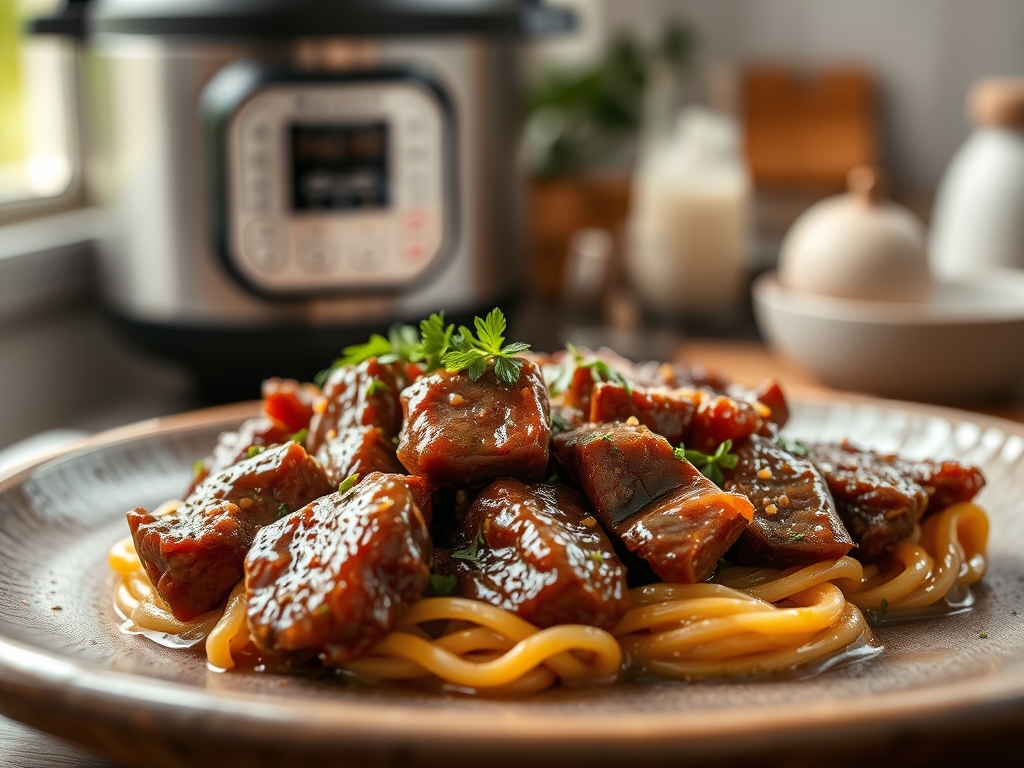
Imagine the scent of slow-simmered Sunday dinner condensed into a forty-five minute window. We are talking about fibers that surrender at the mere suggestion of a fork and a gravy so viscous it coats the back of a spoon like liquid velvet. Mastering pressure cooker beef recipes is not just about convenience; it is about utilizing atmospheric pressure to force hydration into the very core of the muscle fibers. You are about to transform a stubborn chuck roast into a masterpiece of culinary engineering. Forget the grey, boiled meat of the past. We are leaning into high-heat chemistry and precision timing to achieve results that would typically take eight hours in a traditional Dutch oven. This is where your kitchen becomes a high-speed laboratory of flavor. We are going to explore the intersection of thermal dynamics and deep, savory satisfaction. Grab your apron and your curiosity because we are about to rewrite the rules of the weeknight dinner.
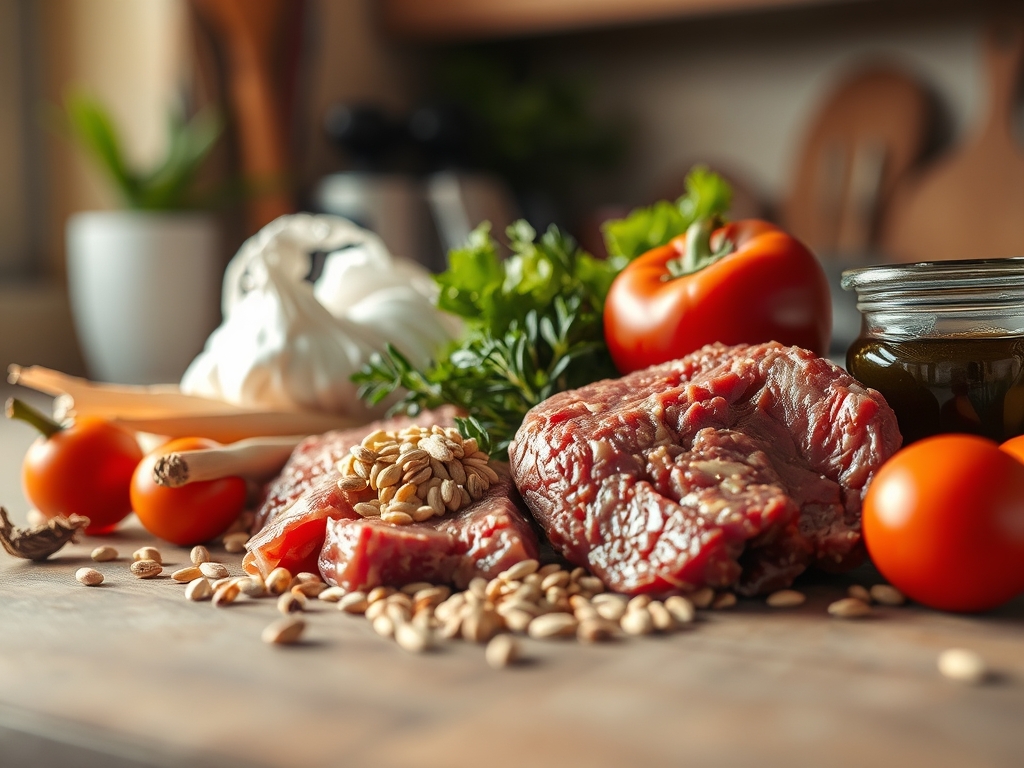
The Gathers:
To begin, you need to assemble your mise-en-place with the precision of a chemist. Start with a high-quality cut of beef, ideally a well-marbled chuck or brisket. You want a high ratio of intramuscular fat and connective tissue. Use your digital scale to ensure you have exactly three pounds of protein. For the aromatic base, finely dice your mirepoix using a sharp chef knife; the uniform size ensures even caramelization. You will need high-smoke-point oil, such as avocado or grapeseed, to handle the intense heat of the initial sear. Your liquid component should be a rich, unsalted bone broth to control sodium levels. Gather your aromatics: fresh thyme, bay leaves, and a head of garlic sliced crosswise to expose the cloves.
For "Smart Substitutions," consider using a splash of soy sauce or fish sauce instead of salt to provide a piquant depth and boost the umami profile. If you lack fresh herbs, use one-third the amount of dried herbs, as their oils are more concentrated. If you are out of wine for deglazing, a tablespoon of apple cider vinegar diluted in water provides the necessary acidity to brighten the heavy fats. Always have a microplane ready to zest a bit of lemon or grate fresh horseradish over the finished dish to provide a sharp contrast to the rich, rendered fats.
The Clock
Efficiency in the kitchen is all about the "Chef's Flow." Expect a total active prep time of twenty minutes. This includes the dicing of vegetables and the crucial searing phase. The actual pressurized cooking time will range from forty-five to sixty minutes depending on the thickness of your beef cuts. However, you must account for the "Natural Release" period. This fifteen-minute window is non-negotiable for meat texture. Total time from counter to table is roughly ninety minutes. While the machine hums, use that time to clean your station with a bench scraper and prepare your side dishes. This prevents the chaotic "kitchen-sink-avalanche" that often follows a complex meal.
The Masterclass
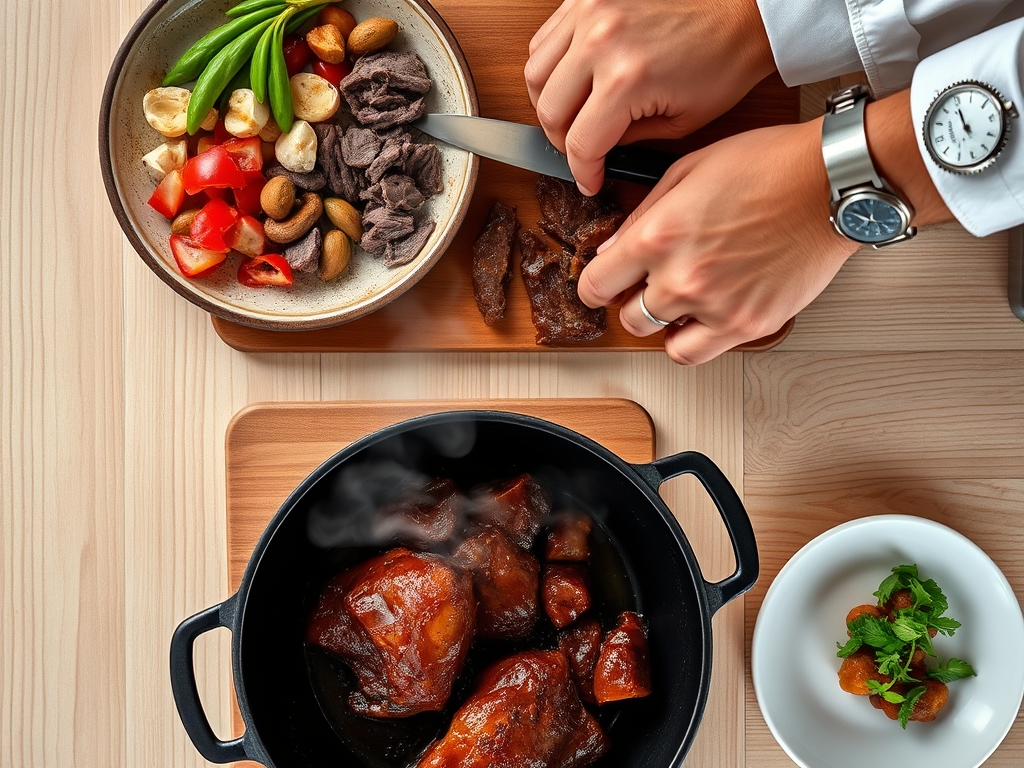
1. The Strategic Sear
Pat the beef completely dry with paper towels. Moisture is the enemy of the Maillard reaction. Use tongs to sear the meat in batches in a heavy-bottomed skillet or directly in the cooker if it has a high-heat saute function. Aim for a deep, mahogany crust on all sides.
Pro Tip: This is known as the Maillard reaction. By searing at high heat, you rearrange amino acids and sugars to create hundreds of flavor compounds that do not exist in raw or boiled meat.
2. Deglazing the Fond
Once the meat is removed, pour in your liquid. Use a wooden spoon to scrape up every brown bit stuck to the bottom. These bits, called the fond, are concentrated flavor gold.
Pro Tip: Deglazing is a chemical process where the solvent (liquid) dissolves the caramelized proteins. If you leave these bits, the "burn" sensor may trigger, halting your cook cycle.
3. Layering the Aromatics
Add your mirepoix and garlic. Do not over-process them; you want them to hold some integrity during the high-pressure phase. Nestled the beef back into the pot, ensuring it is at least halfway submerged in the liquid.
Pro Tip: Volatile aromatic compounds are trapped inside the sealed chamber. Unlike open-pot simmering, the pressure prevents these flavors from evaporating into your kitchen.
4. The Pressure Phase
Seal the lid and set to high pressure. Ensure the venting valve is in the "sealing" position. This is where the magic of physics takes over.
Pro Tip: Under pressure, the boiling point of water rises to 250 degrees Fahrenheit. This accelerated heat breaks down tough collagen into silky gelatin much faster than standard simmering.
5. The Natural Release
Once the timer beeps, do not touch the valve. Let the pressure drop naturally for at least fifteen minutes. This allows the internal temperature of the meat to stabilize.
Pro Tip: A sudden drop in pressure (Quick Release) causes the moisture inside the meat to boil instantly and escape. This results in "shocked," dry, and stringy beef.
6. The Sauce Reduction
Remove the meat and strain the liquid into a saucier. Simmer it over medium-high heat until it reduces by half. You can whisk in a cornstarch slurry or cold butter to emulsify the sauce.
Pro Tip: Reducing the liquid concentrates the solutes. As water evaporates, the flavors of the wine, broth, and beef drippings become more intense and the texture becomes more viscous.
The Deep Dive
From a macro nutrition perspective, pressure cooker beef recipes are protein powerhouses. A standard serving offers roughly 35 grams of protein and 20 grams of fat. To make this Keto-friendly, simply omit the potatoes and thicken your sauce with xanthan gum or heavy cream. For a Gluten-Free version, ensure your broth and soy sauce are certified GF. Vegan "beef" alternatives like seitan do not require the same long cook times; they are better suited for a quick five-minute pressure cycle to infuse flavor without losing texture.
"The Fix-It" guide for common pitfalls: If your meat is tough, it actually needs more time. Put it back in for ten minutes. If the sauce is too salty, add a peeled potato to absorb some sodium or balance it with a squeeze of lime. If the beef is bland, you likely skipped the searing step or under-seasoned the raw meat.
For meal prep, reheating is a science. To maintain "day-one" quality, reheat the beef in its own juices on the stovetop over low heat. Avoid the microwave; it agitates water molecules too quickly, which can make the protein rubbery. Adding a splash of water or broth before reheating helps to re-hydrate the fibers.
The Wrap-Up
You are now equipped with the technical prowess to turn a humble cut of meat into a culinary triumph. By understanding the relationship between pressure, temperature, and protein structure, you have graduated from a recipe-follower to a kitchen scientist. These pressure cooker beef recipes are your ticket to impressive, deeply flavored meals that fit into a busy lifestyle. Remember, the secret is in the sear and the patience of the natural release. Go forth and cook with confidence; your dinner table is about to get a major upgrade.
The Kitchen Table
Can I use frozen beef in the pressure cooker?
Yes, you can cook beef from frozen. Increase the pressure cooking time by approximately fifty percent. However, you will sacrifice the Maillard flavor because you cannot effectively sear frozen meat before the pressure cycle begins.
Why is my beef still tough after cooking?
Toughness usually indicates the collagen hasn't fully converted to gelatin. If the meat is still firm, it simply needs more time under pressure. Return it to the pot for another ten to fifteen minutes to finish the breakdown.
How much liquid is actually necessary?
Pressure cookers require at least one cup of thin liquid to create the steam necessary for pressurization. Using too little liquid will result in a "burn" error, while too much will dilute the flavor of your final sauce.
What is the best cut for this method?
Chuck roast is the gold standard. Its high fat and connective tissue content respond perfectly to high-pressure environments. Leaner cuts like sirloin or round tend to become dry and stringy when subjected to this level of heat.